What I Would Do Differently If I Were Moving to Spain Again
Moving to Spain can look like a relatively straightforward decision from the outside. You choose a city, find somewhere to live, organise your paperwork and start a new chapter somewhere with more sunshine and a different pace of life.
At least, that is how it can feel when you're still in the planning stage.
But moving abroad involves much more than changing your address. You're rebuilding parts of your everyday life, learning how things work in a different country and making decisions about a place you might not yet know as well as you think you do.
Since moving to Málaga, I've come to appreciate how much there is to consider beyond the initial excitement. Some things become clear only once you start living here. Others are worth thinking about long before you book your one-way ticket.
If I were starting again, I wouldn't necessarily change my decision to move to Spain. I would, however, approach certain parts of the process differently.
Here are the things I would prioritise, what I would spend more time researching and what I think is worth knowing before making the move yourself.
I would research everyday life, not just the lifestyle
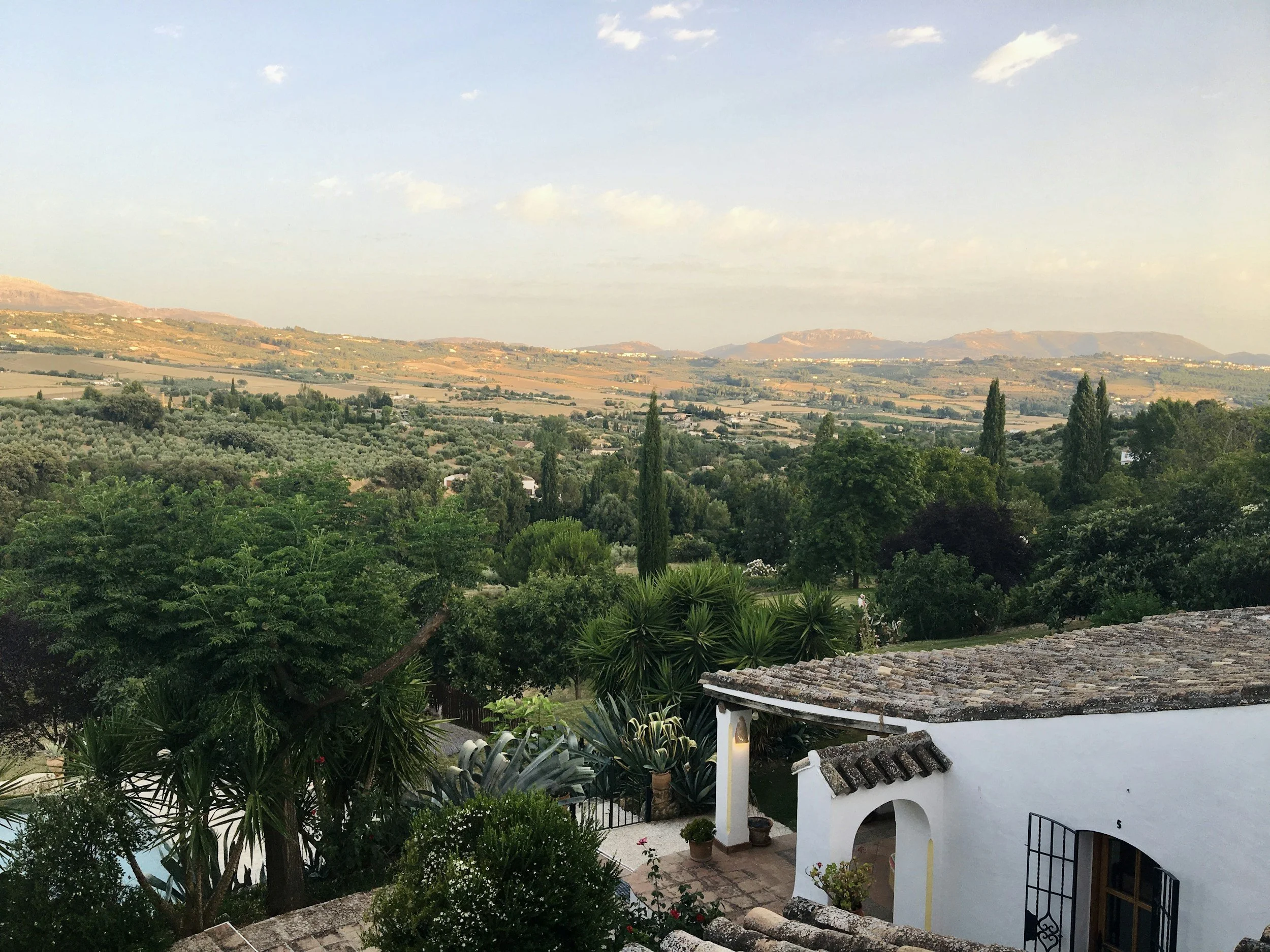
It's easy to understand why people fall in love with Málaga. The climate, the coastline, the outdoor lifestyle and the city's combination of urban life and proximity to nature all make it an attractive place to live.
But there is a difference between enjoying a place as a visitor and choosing it as your home.
When you're visiting, you naturally focus on the things you enjoy. You might spend your time exploring the historic centre, trying restaurants, going to the beach or taking day trips along the Costa del Sol.
When you live somewhere, your priorities change.
You start thinking about your commute, the nearest supermarket, access to healthcare, the noise outside your apartment, how easy it is to meet friends and whether your neighbourhood suits your daily routine.
These details might not seem particularly important when you're planning your move, but they can have a significant effect on your experience.
If I were starting again, I would spend more time imagining an ordinary week in my new home.
Where would I work? How would I get there? What would I do after work? Would I be happy living in that area during the quieter months, when I wasn't spending every weekend exploring somewhere new?
I would also try to visit potential neighbourhoods at different times of the day, rather than judging them based on one afternoon.
Málaga Centro, Huelin, Teatinos and the areas further east of the city all offer different living environments. The right choice depends on your budget, priorities and the kind of life you want to build.
If you're still deciding whether the city is right for you, read more about whether Málaga is still a good place to live in 2026. The important thing is to make your decision based on the place you will actually live, rather than the version you experience on holiday.
I would be more realistic about my budget
One of the most important parts of planning a move is understanding what your life will cost once you arrive.
It's tempting to compare average salaries, rent prices and grocery costs with those in your home country and assume that everything will fall into place.
But the cost of living isn't just a list of monthly expenses. It's the relationship between your income, housing costs, lifestyle and financial security.
Málaga is not necessarily the inexpensive Spanish city that people imagine. Rental costs can take up a substantial part of a monthly budget, particularly if you're looking for a well-located apartment or need to live alone.
And your financial situation can look very different depending on whether you arrive with a remote job, a local employment contract, savings or an income that varies from month to month.
If I were preparing for a move again, I would work out three figures before making any major commitments:
My comfortable monthly budget: what I would ideally spend on rent, utilities, groceries, transport and everything else.
My realistic minimum income: what I would need to cover my expenses without relying on savings every month.
My moving fund: the money I would need for initial accommodation, deposits, travel, setup costs and unexpected expenses.
I would also keep a financial buffer separate from the money allocated to the move itself.
The first few months can involve expenses that are difficult to predict. You might need temporary accommodation for longer than expected, buy things for your new home or deal with delays before your regular income begins.
Having money available for these situations gives you more flexibility when making decisions.
I would also avoid assuming that a particular salary automatically translates into a comfortable lifestyle. What matters is how much remains after your essential expenses and whether that leaves enough room for the things you want to enjoy about living in Spain.
For a more detailed breakdown, explore my Real Cost of Living in Málaga guide, which can help you start thinking through your budget before you commit to a move.
I would approach the rental market differently
Finding a place to live is one of the areas I would take particularly seriously if I were moving to Málaga again.
When you're searching from abroad, it's easy to become focused on property portals. You save apartments, compare photographs and imagine what your life would look like in each one.
The problem is that a property that looks perfect online might not be suitable for your circumstances.
The rental market can be competitive, and landlords may assess applications based on income, employment, documentation and other requirements. If you're arriving from another country, you might not yet have all the documents or financial history that a landlord expects.
There is also an important distinction between temporary accommodation, seasonal rentals and longer-term housing. Understanding the conditions of a rental before signing anything is essential.
If I were starting again, I would do three things differently.
First, I would arrange a realistic temporary accommodation plan. Rather than assuming I would find my ideal apartment immediately, I would consider how much time and money I could afford to spend looking once I arrived.
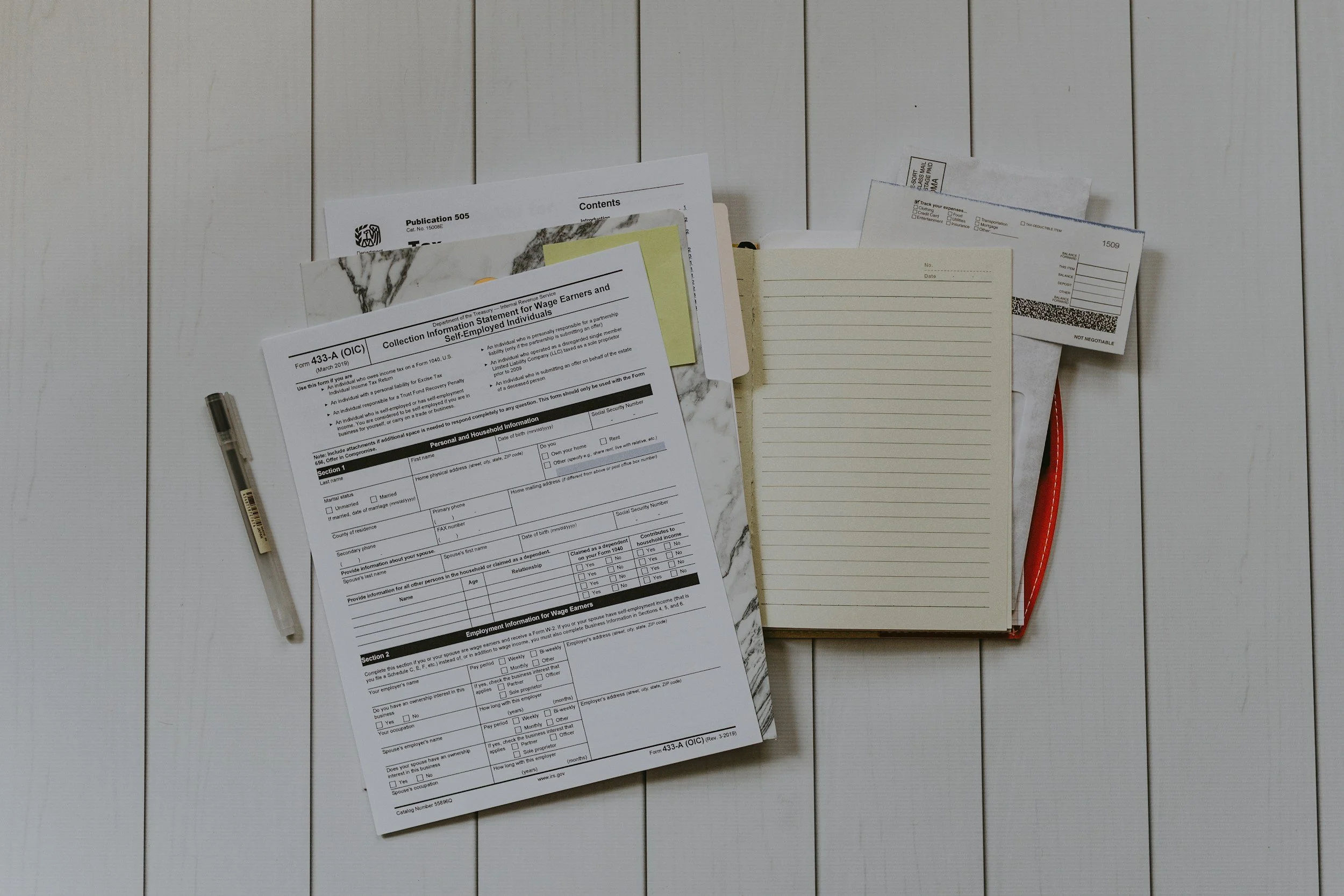
Second, I would prepare my documents in advance. Depending on my circumstances, that could mean organising proof of income, an employment contract, identification and other documents a prospective landlord might request.
Third, I would be more flexible about location. I would identify several neighbourhoods that could suit my lifestyle instead of concentrating on one area from the beginning.
Flexibility doesn't mean compromising on everything. It means knowing which things are essential and which preferences you could reconsider if the right opportunity came along elsewhere.
I would also be careful not to rush into a rental simply because I was worried about missing out. It is worth checking the terms, understanding the total costs and verifying who you are dealing with before transferring money or signing an agreement.
If you're planning a move to Málaga, my guide to rental contracts in Spain is a useful starting point for understanding what to look out for.
And if you would prefer more personalised help navigating the local market, you can explore my Málaga relocation and property support services.
I would organise the administrative side much earlier
Paperwork is rarely the most exciting part of moving abroad, which makes it particularly easy to postpone.
You might know that you need to sort out your residency, registration, banking or healthcare, but it can be difficult to understand which steps apply to you and when you need to complete them.
The reality is that the requirements depend on your nationality, reason for moving and personal circumstances.
For example, an EU citizen moving to Spain has a different administrative situation from someone arriving from the United States or the United Kingdom. Work arrangements and the type of residence authorisation you need can also affect the process.
If I were preparing for the move again, I would create a personal administrative checklist several months before my planned arrival.
I would start by confirming my right to live and work in Spain, then identify the documents, appointments and registrations relevant to my situation.
I would also keep digital copies of important documents and make sure I understood whether any needed to be translated, legalised or obtained before leaving my home country.
For immigration and residency requirements, I would use official sources such as the Spanish Ministry of Inclusion, Social Security and Migration, rather than relying entirely on social media posts or information from people whose circumstances might be different from mine.
One person's experience can be helpful, but it doesn't necessarily mean the same procedure applies to everyone.
I would also avoid trying to do everything at once. Some steps depend on others, so understanding the order of the process can save time and unnecessary frustration.
If you're at the beginning of your planning, my Moving to Spain Checklist can help you start organising the practical side of your move.
I would start learning Spanish before arriving
You can get by with English in parts of Málaga, particularly in areas accustomed to international visitors. But I wouldn't want to rely on that indefinitely if my goal were to build a life here.
Learning Spanish isn't only about handling paperwork or making appointments. It can change how comfortable you feel navigating everyday situations.
Being able to speak with neighbours, understand a conversation in a local shop or explain what you need without immediately switching to English makes daily life easier.
It can also help you feel more connected to the place you're living in.
If I were starting again, I would begin learning Spanish before moving, even if I could only dedicate a little time to it each week.
I wouldn't aim to become fluent before arriving. Instead, I would focus on practical vocabulary, common questions, everyday conversations and the confidence to try even when I wasn't sure I had the words right.
Once in Spain, I would make a point of using the language regularly rather than waiting until I felt completely comfortable.
I would also accept that progress takes time. You can understand quite a lot and still struggle to respond quickly, especially when people speak fast or use unfamiliar expressions.
That's normal.
The goal isn't to speak perfectly from day one. It's to become a little more independent and comfortable with each passing month.
I would make building a social life part of the plan
When you plan a move, it's natural to concentrate on the practical arrangements. You think about your job, accommodation, finances and the things you need to organise before leaving.
But what about the life you will have outside work?
Moving abroad can mean leaving behind friends, family, familiar routines and the social connections that developed naturally over many years.
Even if you move with a partner, there can be an adjustment period while you establish your own friendships and find your place in a new community.
I think this is something worth preparing for, rather than assuming that a new social life will happen automatically once you arrive.
If I were starting again, I would look for ways to meet people with shared interests from the beginning.
That might mean joining a sports club, attending local events, taking a language class or finding a group connected to a hobby I already enjoy.
I would also try to build connections beyond the international community. Meeting other people who have moved abroad can be incredibly helpful, but getting to know the local community can offer a different perspective on life in Spain.
Most importantly, I would give friendships time to develop.
You might meet plenty of people in your first few weeks without immediately finding the connections you're looking for. That doesn't mean you're doing anything wrong.
Sometimes it takes repeated encounters, shared experiences and a little initiative before a new city starts to feel familiar.
I would remind myself that feeling settled is not simply about having an apartment and a job. It is also about having people, places and routines that make everyday life feel like your own.
I would be more open to changing the original plan
When you first decide to move to Spain, you might have a very clear picture of what you want.
Perhaps you've always imagined living in the centre of Málaga, walking everywhere and spending your evenings near the beach. Or perhaps you've pictured a quieter life outside the city, with more space and a slower pace.
Having a vision is useful. It gives you something to work towards.
But I wouldn't treat that first vision as a fixed plan that cannot change.
Your priorities can look different once you understand the local rental market, experience your commute or discover which parts of a city you actually enjoy spending time in.
You might realise that a different neighbourhood offers a better balance between your budget and your lifestyle. You might decide that living slightly further from the centre gives you more space, or that being close to public transport matters more than being near the beach.
Those changes don't mean the move has gone wrong.
They mean you're learning what works for you.
If I were starting again, I would separate my non-negotiables from my preferences before looking for a home or making other major decisions.
For example, a manageable commute, a realistic rental budget and the ability to work legally might be essential. A particular street, a sea view or a specific interior style might be things I would love to have but could compromise on.
Knowing the difference makes it easier to evaluate opportunities without feeling that every deviation from your original plan is a setback.
I would also give myself permission to reassess things after arriving. You don't need to decide exactly where you will live for the next five years before you've experienced everyday life in your new home.
Sometimes the best decision is the one you make after learning a little more.
I would give myself more time to settle in
Perhaps the biggest thing I would change is the expectation that everything needs to come together quickly.
Moving abroad involves a lot of new information and unfamiliar situations. You're learning how things work, adapting to a different environment and making decisions that can affect your finances, work and daily routine.
It's easy to compare your progress with the version of life you imagined before moving.
You might expect to feel settled after finding an apartment, confident after completing your paperwork or at home after a few months.
But there isn't a universal timeline for adjusting to a new country.
Some things fall into place quickly. Others take longer, and occasionally you'll need to rethink a decision you were initially confident about.
I would try to approach the first year as a period of learning rather than a test of whether the move has been successful.
I would focus on the practical foundations first: having a suitable place to live, understanding my financial situation, getting the necessary administration in order and establishing a workable routine.
Then I would allow myself to explore, meet people, improve my Spanish and gradually discover what I wanted my life here to look like.
I would also remember that enjoying life in Spain doesn't mean every day has to feel exciting. Some days will be ordinary. Some will be frustrating. Others will remind you exactly why you wanted to make the move in the first place.
That's what building a life somewhere looks like.
So, would I still move to Spain?
For me, looking back at a move isn't about creating a list of mistakes or pretending that everything could have been planned perfectly.
There will always be things you only learn through experience. You can research a city extensively, prepare your finances and organise your documents, but you cannot anticipate every challenge or know exactly how you'll feel once you arrive.
What you can do is give yourself a stronger starting point.
If I were moving to Spain again, I would research everyday life more carefully, be realistic about my budget, approach the rental market with a plan, organise my paperwork earlier and put just as much thought into my social life as my practical arrangements.
I would also be more flexible about what I expected my new life to look like.
Because the goal isn't to execute a perfect move. It's to create a life that works for you once the excitement of arriving has settled into everyday reality.
And that starts well before you pack your bags.
Planning your own move to Spain?
If you're at the beginning of the process, you don't need to figure everything out in one sitting.
Start with the essentials, identify the decisions that will have the biggest impact on your move and work through them one step at a time.
Here are a few resources to help you get started:
Moving to Spain Checklist — organise the main steps involved in planning your move.
Rental Contracts in Spain Explained — understand important rental considerations before signing.
Málaga Relocation & Property Support — explore personalised support if you're looking for a rental in Málaga.
And if you're still deciding whether Málaga is the right place for you, take the time to research the city beyond its holiday appeal. The more you understand before moving, the better equipped you'll be to make decisions that suit your circumstances.
Moving to Spain can be a wonderful change, but the best starting point isn't an idealised picture of life abroad. It's a realistic understanding of what you're moving towards, and a plan that gives you room to make it your own.

Frequently Asked Questions About Moving to Spain
-
Before moving to Spain, research the cost of living, rental market, employment options, residency requirements and lifestyle of the area where you plan to live. Consider how your income will cover your expenses, which documents you need and how you will access healthcare. It's also worth thinking about your social life and whether the location suits your everyday routine, not just your ideal lifestyle.
-
The amount you need depends on your destination, housing arrangements, employment situation and personal circumstances. Budget for travel, temporary accommodation, rental deposits and initial housing costs, as well as your regular living expenses. Ideally, keep an emergency fund separate from your moving budget to help cover unexpected costs or delays in finding work or permanent accommodation.
-
Málaga can be an appealing place to live thanks to its climate, coastline, cultural life and outdoor lifestyle. However, it isn't the right fit for everyone. Rental costs, your employment opportunities, transport needs and preferred pace of life all matter. Research different neighbourhoods and consider visiting outside the main holiday season before deciding whether Málaga suits your long-term plans.
-
Finding a rental can be challenging in popular areas, including Málaga, where competition and housing costs may affect your options. Landlords may request proof of income, employment documents, identification and other supporting paperwork. Research local rental conditions, prepare your documents where possible and understand the difference between temporary, seasonal and long-term rentals before committing to a property.
-
There is no fixed timeline for settling into a new country. Some practical tasks may be completed relatively quickly, while finding a suitable home, improving your Spanish, building friendships and becoming familiar with local routines can take longer. Give yourself time to adjust and focus on establishing a stable everyday life rather than expecting everything to fall into place immediately.
-
One common mistake is planning around an idealised version of life in Spain without properly considering the practical realities. Underestimating housing costs, overlooking administrative requirements or choosing an area without researching everyday life can make the transition more difficult. A realistic budget, thorough research and flexibility can help you make better-informed decisions.















Expert guidance for your Málaga rental search.
Navigating the Málaga rental market can be challenging, particularly when you're unfamiliar with the local market, neighbourhoods and rental requirements.
The Relocation Consultation is a private 60-minute consultation designed to give you clarity, direction and a tailored strategy for your search.
Perfect for you if
You'd like to manage your own search, but want expert local guidance on where to look, what to expect and how to approach the process.
What's included
60-minute private video consultation
Personalised rental and budget assessment
Málaga neighbourhood recommendations
Rental market and search guidance
Spanish rental process overview
Document preparation checklist
Key questions and potential red flags
Personalised search strategy
Written follow-up summary
Your outcome
A clear, considered rental strategy tailored to your circumstances, priorities and plans.