Freelancing in Spain as an Expat
A realistic guide to becoming autónomo and building a freelance life under the Spanish sun
There’s a moment many people have after moving to Spain when the lifestyle finally settles in.
The bureaucracy is mostly handled. You’ve learned how to navigate the healthcare system. You know which bakery opens earliest on your street. Málaga’s rhythm begins to feel normal.
And then a question appears.
What if I worked for myself here?
Freelancing in Spain sounds appealing for obvious reasons. You imagine working from a café overlooking the Mediterranean, structuring your own schedule, building projects that excite you instead of commuting to an office.
But Spain has a very particular way of structuring self-employment.
Here, freelancers aren’t just “freelancers.” They’re autónomos.
Understanding what that actually means — legally, financially, and administratively — is the difference between enjoying freelance life in Spain and constantly feeling overwhelmed by paperwork.
If you’re already planning your relocation, you may have explored the different residency pathways in our Spain Visa Guide for Non-EU Citizens or the timeline explained in Spain Residency Timelines and Renewals. Freelancing fits into that broader framework.
Because working for yourself in Spain isn’t just about business.
It’s about how your legal residency, taxes, and long-term life here connect.
The Lifestyle Reality of Freelancing in Spain
Freelancing in Spain isn’t just about paperwork.
It’s also about lifestyle design.
Many freelancers choose cities like Málaga because they offer the balance that remote professionals are looking for: sunshine, walkable neighbourhoods, affordable cafés, and proximity to nature.
In fact, Málaga regularly appears on lists of the Best Cities for Digital Nomads in Spain, partly because the infrastructure for remote workers has improved dramatically in recent years.
Coworking spaces are expanding. Internet speeds are strong. International communities are growing.
But Spain still maintains a slower rhythm than many other countries.
Deadlines can take longer. Administrative processes may require patience.
If you embrace the pace rather than fight it, freelancing here can feel remarkably sustainable.
What “Freelancing” Actually Means in Spain
In Spain, independent professionals typically register under the autónomo system, which is the official legal status for self-employed workers.
An autónomo is essentially Spain’s equivalent of a registered freelancer or sole trader. Once registered, you can legally invoice clients, pay social security contributions, and operate your own professional activity.
Many professions fall under this system:
Designers
Consultants
Writers
Developers
Photographers
Marketing specialists
Online business owners
In other words, most forms of independent work can operate under the autónomo structure.
But Spain’s system is not informal freelancing. It’s a fully regulated professional status.
And that means taxes, reporting requirements, and monthly contributions begin immediately.
Do You Actually Need to Register as Autónomo?
This is one of the most common questions newcomers ask.
The answer depends on two main factors: tax residency and clients.
If you become a Spanish tax resident — meaning you spend more than 183 days per year in Spain — and you earn freelance income, you generally need to register as self-employed.
The same applies if you invoice Spanish clients.
However, some remote workers on a Digital Nomad Visa who remain employees of foreign companies do not need to register as autónomos because they are not invoicing clients directly.
This distinction matters.
If you’re still navigating residency options, our Spain Visa Guides explain how employment structures affect your visa eligibility.
Understanding this early can prevent administrative headaches later.
How to Register as a Freelancer in Spain
The registration process is not complicated, but it involves several administrative steps.
First, you must have a NIE (Número de Identificación de Extranjero) — your Spanish foreigner identification number. This number is required for virtually every legal and financial activity in Spain.
Once you have your NIE, you register your freelance activity with the Spanish tax authority, Agencia Tributaria, using forms known as Modelo 036 or Modelo 037.
This step tells the tax office:
What type of activity you will perform
Whether your work is subject to VAT (IVA)
How your income will be taxed
After registering with the tax office, you then register with Spain’s Social Security system, which officially classifies you as an autónomo.
At that point, your freelance business is legally active.
Many people choose to work with a gestor — a local tax advisor — to handle these steps and ongoing filings.
While not legally required, it can save significant stress.
The Monthly Cost of Being Autónomo
One of the biggest surprises for newcomers is that freelancing in Spain comes with a mandatory monthly social security contribution.
This payment is called the cuota de autónomos.
As of recent reforms, Spain uses a progressive system where the monthly contribution depends on your estimated income. In general terms, payments can range from roughly €230 per month for lower income brackets to more than €530 for higher earners.
New freelancers receive a major discount called the Tarifa Plana.
During the first 12 months of registration, new autónomos pay only €80 per month in social security contributions.
This incentive exists specifically to make starting a business easier.
If your income remains below the Spanish minimum wage threshold, the reduced rate can sometimes be extended into a second year.
Still, it’s important to plan for the full contributions later.
Many freelancers underestimate this cost when pricing their services.
Taxes Freelancers Pay in Spain
Freelancers in Spain typically deal with two main taxes: income tax (IRPF) and value-added tax (IVA).
IVA is Spain’s version of VAT. For most professional services provided within Spain, the standard rate is 21%.
If you invoice a Spanish client €1,000, your invoice usually becomes €1,210 with VAT added. You then collect that VAT and later pay it to the tax authorities.
Income tax works differently.
Spain uses a progressive system where income is taxed in bands. National rates currently start at 19% for lower income levels and can rise to around 47% for the highest brackets, depending on regional variations.
Freelancers make quarterly tax payments based on their estimated profits.
At the end of the year, everything is reconciled in the annual income tax declaration.
In other words, freelancing in Spain requires ongoing financial organisation.
Quarterly Reporting: The Rhythm of Spanish Freelance Life
Once you become autónomo, your professional calendar becomes structured around quarterly tax deadlines.
Every three months, freelancers usually submit declarations for VAT and income tax.
These filings report:
Income earned
VAT collected from clients
VAT paid on business expenses
Even if you earned nothing during a quarter, you often still need to submit the forms.
Missing these deadlines can result in penalties.
That’s why many freelancers rely on accounting software or a gestor to keep everything organised.
Working With International Clients
One of the advantages of freelancing from Spain is the ability to work with clients worldwide.
The tax treatment of those clients depends on where they are located.
If you provide services to clients outside the European Union, those services are generally outside the scope of Spanish VAT, meaning you invoice without adding IVA.
For EU business clients, the reverse-charge mechanism often applies if both parties have valid VAT numbers.
In practical terms, this means international freelance work is common — but invoicing rules must still be followed correctly.
Renting and Running a Freelance Life
Housing also becomes an important part of the freelance equation.
Many freelancers initially arrive in Spain with temporary accommodation before finding something more permanent.
If you’re navigating that process, our Renting in Spain as a Foreigner guide explains how landlords evaluate tenants, what documents are typically required, and how contracts work.
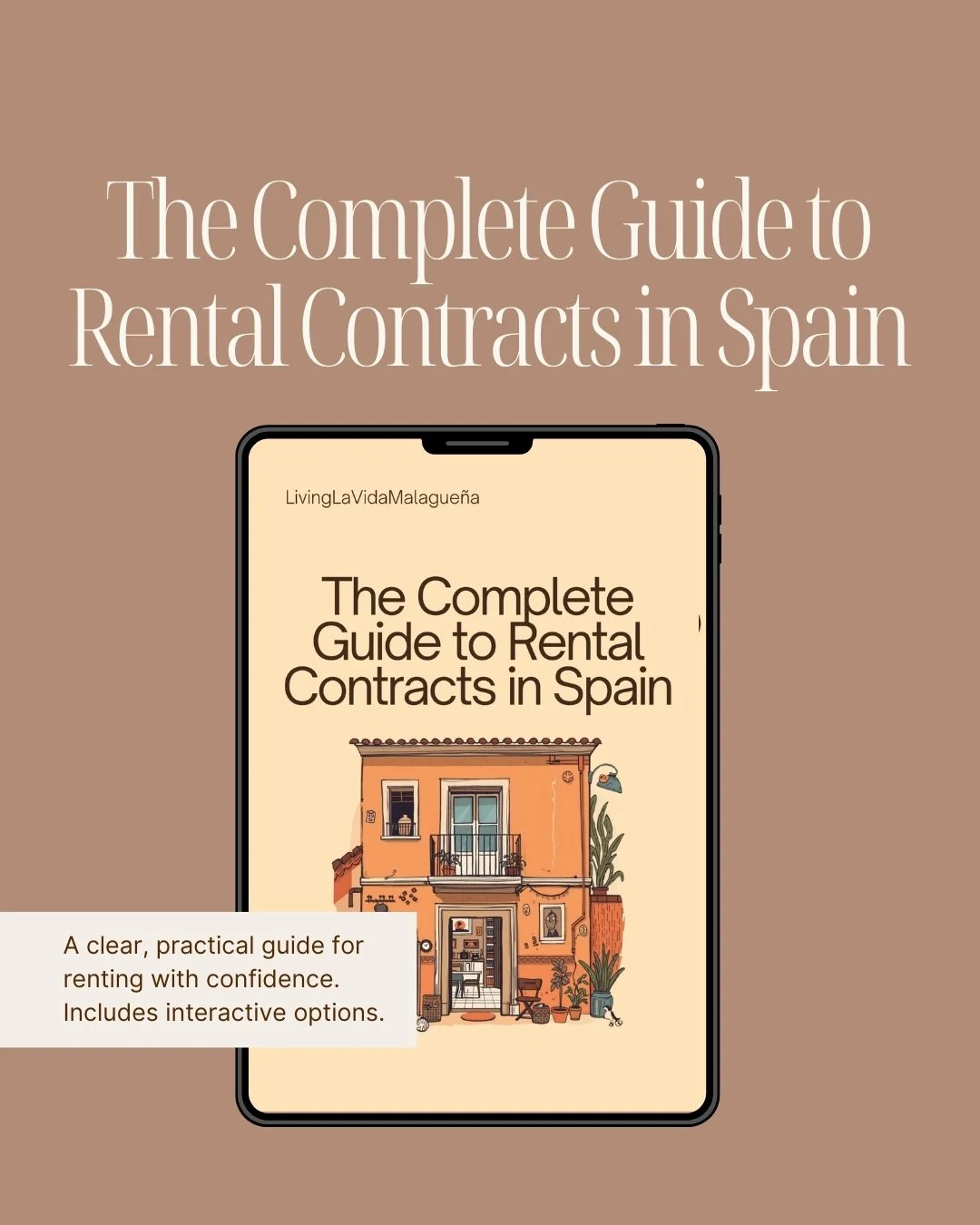
And if you want to be fully prepared for your Spanish apartment, then our in-depth Rental Contracts in Spain Guideis for you.
Stable housing can also support residency renewals later.
Your address becomes part of your administrative history in Spain.
Building a Sustainable Freelance Career Here
Freelancing in Spain works best when approached as a long-term strategy rather than a spontaneous experiment.
It requires planning:
Understanding tax obligations
Setting sustainable pricing
Maintaining financial records
Preparing for residency renewals
But once those systems are in place, many freelancers find that Spain offers something rare.
Time.
Time to work.
Time to live.
Time to enjoy the place you chose to move to in the first place.
And sometimes, that balance matters more than the bureaucracy required to achieve it.
Frequently Asked Questions about Freelancing in Spain
-
In most cases, yes. If you are a Spanish tax resident and earn income from freelance activities, you must register as autónomo and pay social security contributions.
-
Monthly social security contributions typically range from around €230 to over €530 depending on income levels. New freelancers may qualify for the Tarifa Plana, which reduces the payment to €80 per month during the first year.
-
Freelancers generally pay income tax (IRPF) on profits and VAT (IVA) on services. VAT is usually 21%, and income tax rates range roughly from 19% to 47% depending on income levels.
-
Yes. Freelancers typically submit quarterly tax declarations for VAT and income tax and then file a final annual income tax return.
-
Yes. Foreign residents can work as freelancers in Spain as long as they hold the correct residency or work authorisation and register as autónomos with the tax office and social security system.
-
Yes. Spain has a large and growing community of freelancers, particularly in sectors like technology, marketing, consulting, and creative industries.

















Plan Your Move to Spain with Confidence
Moving to Spain is an exciting new chapter, but it also comes with countless tasks, deadlines, and important decisions. From researching visa options and preparing your paperwork to organising your finances, finding accommodation, and planning your arrival, it's easy to feel overwhelmed before you've even packed your suitcase.
The Moving to Spain Checklist & Relocation Planner has been created to help you stay organised throughout the entire relocation process. Instead of managing multiple lists, scattered notes, and endless browser tabs, you'll have one structured planner that guides you through every stage of your move.
Whether you're relocating in a few weeks or simply starting to plan your future in Spain, this practical digital guide provides a clear roadmap to help you stay on track and avoid missing important steps along the way.
Designed by Living La Vida Malagueña, this planner is based on real relocation experience and is intended to simplify the planning process, giving you more confidence as you prepare for your new life in Spain.
What You'll Receive
Your digital planner includes practical checklists and timelines covering every stage of your relocation, including:
Comprehensive Moving to Spain master checklist
Step-by-step relocation timeline
Visa and residency preparation checklist
Financial planning checklist
Accommodation and housing planner
Pre-departure moving checklist
Arrival and settling-in checklist
Printable PDF that can also be completed digitally
Who This Planner Is For
This planner is ideal for:
Anyone planning to move to Spain
First-time expats
Retirees relocating abroad
Digital nomads
Remote workers
Families moving to Spain
Anyone looking for a clear, organised relocation plan
Whether you're moving independently or with your family, this planner helps you approach the process with greater organisation and less stress.
Why You'll Love It
Relocating abroad involves dozens of moving parts, and it's surprisingly easy to overlook important tasks.
This planner has been designed to keep everything together in one place, helping you:
Stay organised throughout your move
Reduce last-minute stress
Keep track of important deadlines
Plan your relocation step by step
Feel more confident during every stage of the process
Simple, practical, and easy to use, you can either print the planner or complete it digitally—whatever works best for your planning style.
Instant Digital Download
This is a digital product.
No physical item will be shipped.
Once your purchase is complete, you'll receive immediate access to download your planner so you can start organising your move straight away.
Please Note
This planner has been created for educational and organisational purposes only.
It does not constitute legal, immigration, tax, or financial advice. Visa regulations and residency requirements can change, so you should always confirm the latest information with the relevant Spanish authorities before making important decisions.
Looking for Personalised Help?
If you'd like tailored advice based on your own relocation plans, you can also book a 45-minute private consultationthrough Living La Vida Malagueña.
Together we'll discuss your situation, answer your questions, and create a personalised action plan to help make your move to Spain smoother and more straightforward.