Spain Visa Options Explained

How to actually choose the right visa for your life — not just your application
There’s a moment in every Spain move where excitement quietly turns into confusion.
You’ve made the decision. Spain feels right. Maybe you already picture your mornings differently — slower, warmer, more intentional. You start looking at apartments, imagining daily life, thinking about what it would mean to actually live there.
And then you open your laptop and type: “Spain visa options.”
That’s usually where things begin to unravel.
Suddenly you’re faced with multiple pathways, legal terminology, conflicting advice, and a growing sense that this decision is far more important than you initially thought. Because it is. Your visa doesn’t just determine whether you can enter Spain — it shapes how you live there, how you earn, how long you can stay, and how your future in the country unfolds.
What most people don’t realise at this stage is that choosing the wrong visa rarely feels wrong at the beginning. It only becomes obvious later, once you’re already settled and your options are more limited.
So instead of focusing on what’s easiest to get approved, it’s worth stepping back and asking a different question:
What kind of life are you actually trying to build in Spain?
Understanding Why There Isn’t One Simple Answer
Spain doesn’t offer a single, flexible visa that adapts to everyone. Instead, it has created multiple pathways, each designed for a very specific type of person. At first, this feels unnecessarily complicated. But when you look closer, it’s actually quite logical.
Some people arrive in Spain with savings and no intention of working. Others are building remote careers that allow them to live anywhere. Some want to integrate into the local job market, while others are focused on creating their own business from the ground up.
Each of these scenarios requires a different legal structure.
The problem is that most visa explanations focus heavily on requirements: documents, financial thresholds, application steps; but very little on how those visas actually feel in real life.
If you’re still in the early research phase and want a more step-by-step breakdown, this is exactly where the Visa Guide Series becomes useful — it walks you through each option based on real-life situations, not just legal descriptions.
The Lifestyle-First Route: Living Without Working
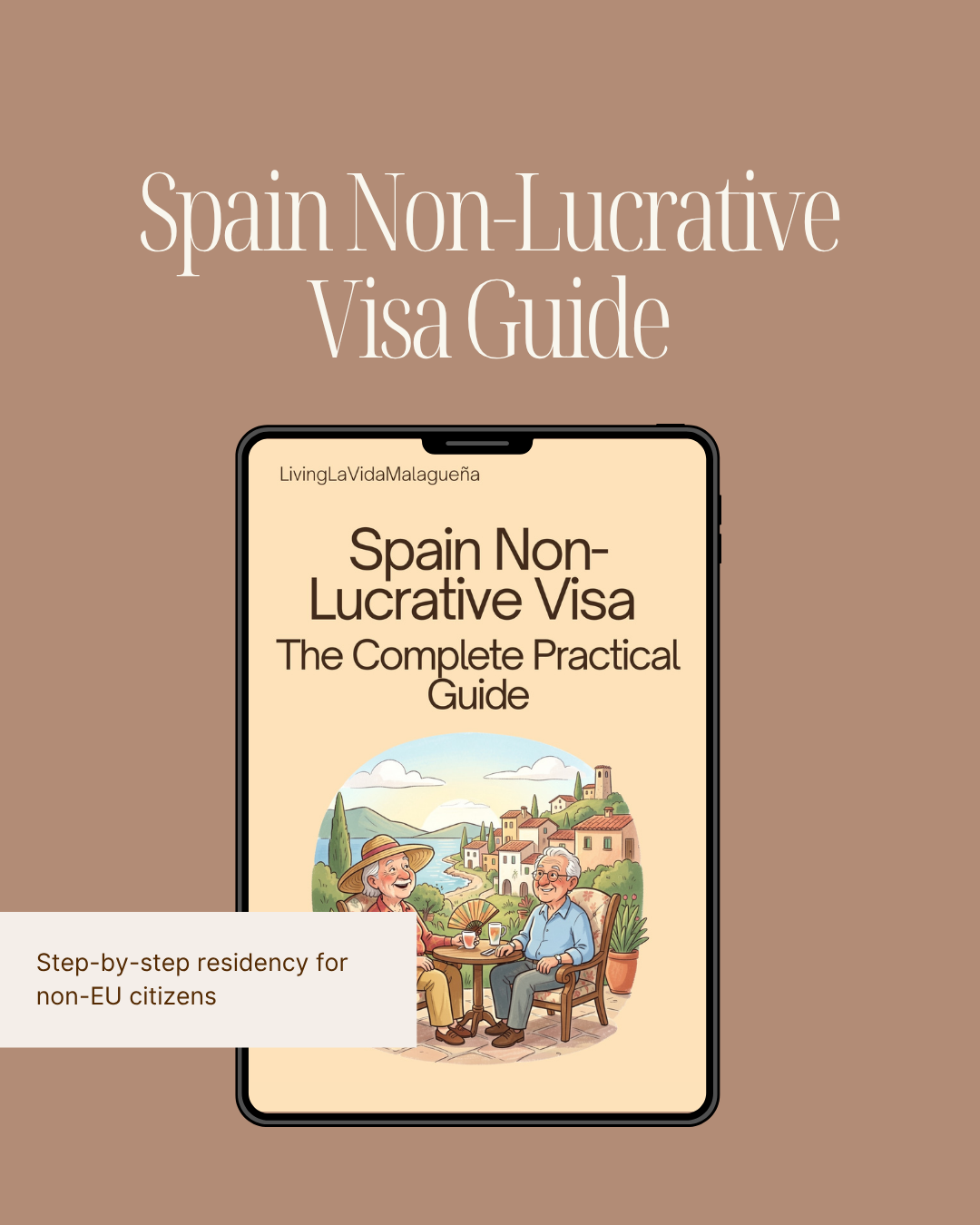
One of the most well-known options is the Non-Lucrative Visa. On the surface, it’s simple: if you can prove that you have enough financial means to support yourself without working, Spain allows you to live there.
For many people, this sounds like the ideal arrangement. No pressure to generate income locally, no need to navigate employment structures, and full freedom to focus on lifestyle.
But this is also where one of the most common misunderstandings appears.
This visa is strict about one thing: you are not allowed to work. Not locally, not remotely, not occasionally.
It’s a detail that often gets overlooked in the excitement of approval.
If your plan involves any kind of income — even something as simple as freelance work — it’s worth taking a closer look at the details before committing. I break this down much more clearly in the Non-Lucrative Visa Guide, including what is (and isn’t) allowed in real-life scenarios.
For the right person, this visa works beautifully. But only when it truly matches your lifestyle.
The Remote Work Reality: Living and Earning at the Same Time
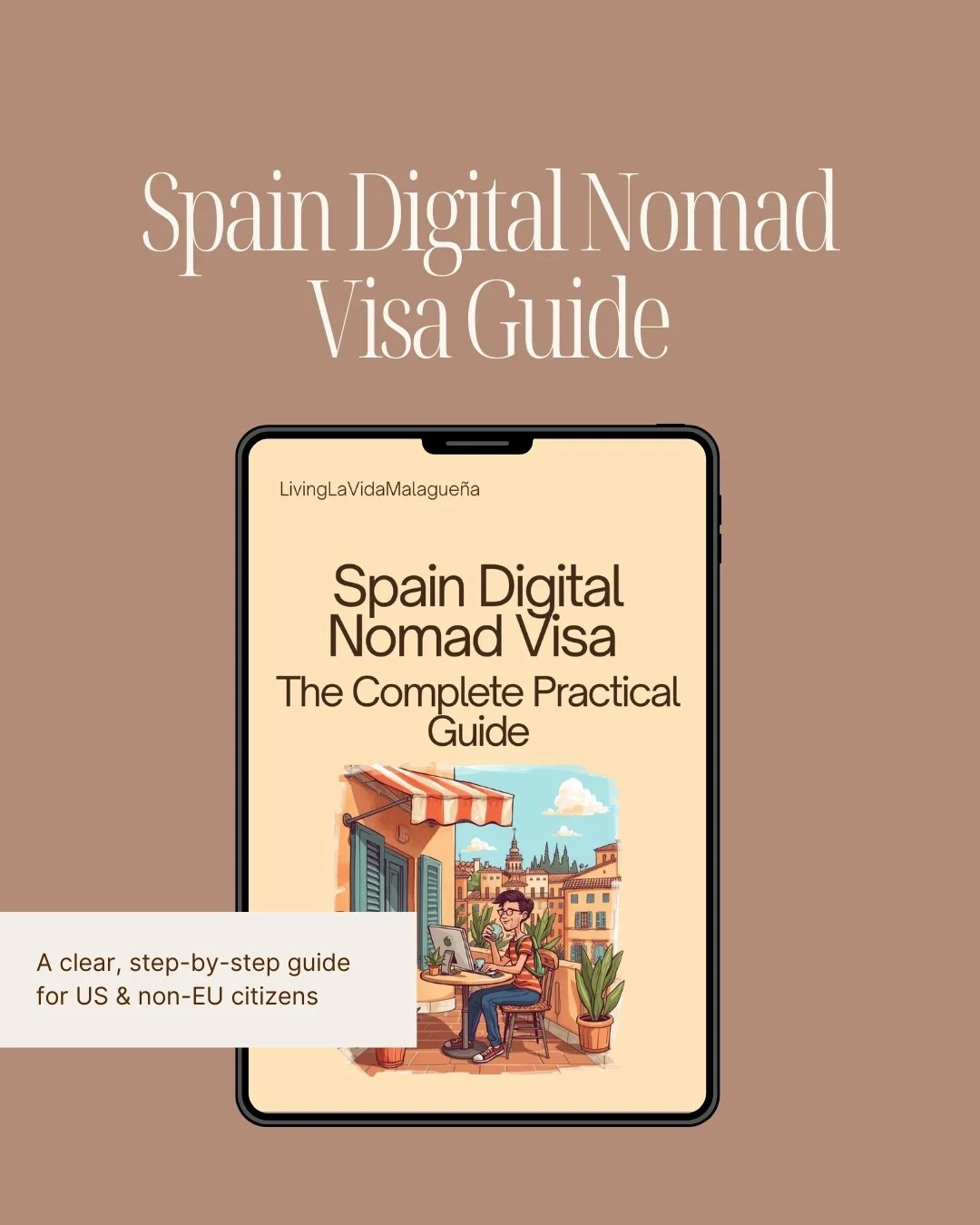
As remote work has become more common, Spain introduced the Digital Nomad Visa to reflect this shift. It allows you to live in Spain while continuing to earn income from outside the country.
For many, this feels like the ideal setup.
But like most things in Spain, the structure matters more than the idea.
You need to show stable, consistent income. Your work needs to be clearly based outside of Spain. And your financial situation has to be easy to understand from an administrative perspective.
If your income is already organised and predictable, this visa can feel very natural. If you’re still figuring things out, it may require more preparation than expected.
This is where understanding how working independently actually functions in Spain becomes important. If you’re planning to combine remote work with long-term living, it’s worth reading Freelancing in Spain: What You Need to Know — it gives you a much clearer picture of taxes, structure, and what day-to-day work life really looks like.
The Traditional Path: Working for a Spanish Employer
The most straightforward idea — moving to Spain for a job — is, in reality, the most difficult path for most non-EU citizens.
Employers need to justify hiring from outside the EU, which creates an extra layer of complexity that many people underestimate.
This route tends to work best for highly specialised roles or internal company transfers. It’s not impossible, but it’s not the typical starting point for most independent moves.
Building Something of Your Own
For those who want to create something in Spain — whether that’s a business, a freelance career, or a long-term project — the self-employed route exists.
But it’s not as informal as many expect.
You’re usually required to present a structured plan, show how your activity will generate income, and demonstrate that it’s viable.
At first, this can feel restrictive. But in practice, it forces clarity.
Once you’re approved, most people operate under the autónomo system, which comes with its own financial and administrative responsibilities.
If this is the direction you’re considering, I’d strongly recommend reading Starting a Business in Spain as a Foreigneralongside this — it connects the visa side with the actual reality of running something here.
The Decision That Shapes Everything After
Choosing a visa isn’t just about getting into Spain.
It quietly determines how your life functions once you’re there.
Your ability to work.
Your financial flexibility.
Your long-term residency path.
And most importantly — how easy or difficult your day-to-day life feels.
If you’re thinking beyond just the first year, this becomes even more important. Spain’s system is built on renewals and timelines, which means your initial choice continues to affect you later.
If you haven’t explored this yet, Spain Residency Timelines and Renewals breaks it down in a way that makes the long-term picture much clearer — and helps you avoid surprises later on.
What Happens After You Arrive
Many people think the hardest part is getting approved.
But the first few weeks in Spain are where everything starts to come together — or fall slightly out of sync.
Registering your address, getting your NIE, opening a bank account, organising healthcare — each step connects to the next.
And your visa plays a role in how smooth that process feels.
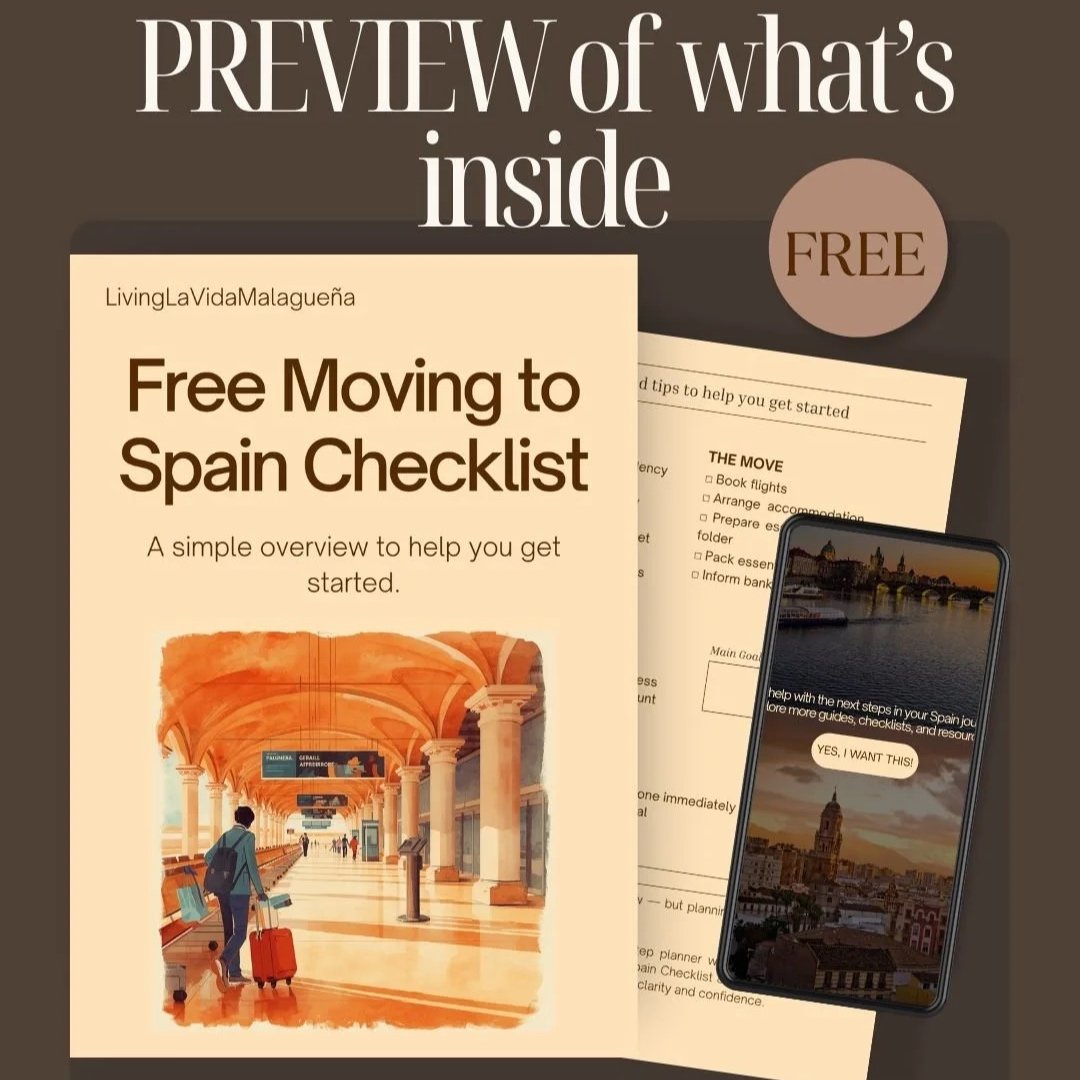
If you want a clearer idea of what those first weeks actually look like, The First 90 Days in SpainDigital Guidewalks you through it step by step — it’s one of the most useful reads before (or immediately after) arriving.
The Pattern Most People Don’t Notice
The mistake isn’t usually a lack of effort.
It’s focusing on approval instead of alignment.
A visa that looks simple on paper can feel restrictive in real life. Another that seems more complex initially can give you far more flexibility once you’re settled.
If you want to avoid that disconnect, it’s worth also looking at Mistakes People Make Moving to Spain — it highlights where expectations and reality tend to drift apart, especially in the early stages.
Bringing It All Together
By now, the landscape should feel a bit clearer.
If your goal is to live in Spain without working, the Non-Lucrative Visa offers simplicity — but with clear limits.
If you want to keep earning remotely, the Digital Nomad Visa creates a strong balance between income and lifestyle.
If you’re planning to build something locally, the self-employed route aligns with that — even if it requires more structure upfront.
None of these options are inherently better.
But one will feel significantly more natural once you’re living it.
Final Thoughts
Spain gives you options. That’s what makes it so appealing.
But it also means you need to choose with intention.
There’s no perfect visa. Only the one that fits your life right now — and where you want it to go next.
When that alignment is right, everything else becomes easier to navigate.
A Practical Next Step
If you’re still unsure which direction makes the most sense for you, this is exactly where having a structured guide can make a difference.
The Visa Guide Series was designed to help you move from “I think this might work” to “I know exactly what I need to do next.”
It breaks down each visa in detail, connects it to real-life situations, and helps you avoid the small mistakes that often turn into bigger issues later.
Because when it comes to moving to Spain, clarity early on changes everything that follows.
Frequently Asked Questions about Visas in Spain
-
The main visa options for non-EU citizens include the Non-Lucrative Visa, Digital Nomad Visa, Work Visa, and Self-Employed Visa. Each is designed for different lifestyles and income situations.
-
The Non-Lucrative Visa is often considered the easiest if you meet the financial requirements, as it does not require employment or business activity.
-
Yes, but only under specific visas such as the Digital Nomad Visa. The Non-Lucrative Visa does not allow remote work. text goes here
-
The best visa depends on your income source, whether you plan to work, and your long-term goals. Choosing based on lifestyle fit rather than ease of approval is key.
-
Switching visas is possible in some cases but can be complex and depends on your residency status and circumstances.
-
Yes, Spain is one of the most popular destinations for digital nomads due to its lifestyle, infrastructure, and the introduction of the Digital Nomad Visa.
-
Most visas are initially granted for one year and can be renewed, leading to long-term residency after several years.























Moving to Spain is exciting, but the first few months can quickly feel overwhelming. Appointments, paperwork, unfamiliar systems, and administrative steps often pile up before you have a chance to feel settled.
The First 90 Days After Moving to Spain – Checklists & Planner is a practical, step-by-step companion designed to help you stay organised, calm, and informed during your first three months in the country.
This planner does not overwhelm you with theory or legal jargon. Instead, it focuses on what needs to be done, when it usually happens, and how to keep track of it all, based on how relocation actually works in Spain.
What This Planner Helps You Do
This guide walks you through your first 90 days in Spain in a clear, chronological way, helping you:
Understand which administrative steps matter most at each stage
Avoid missing key registrations, appointments, or documents
Keep all your reference numbers, appointments, and notes in one place
Reduce stress by breaking the process into manageable phases
It is designed to work alongside your existing relocation research, not replace it, making it the perfect add on.
Ready to feel more organised during your first months in Spain?
The first 90 days are when most delays and avoidable stress tend to happen. Having a clear structure and one place to track appointments, documents, and next steps can make settling in significantly easier.
👉 Add the First 90 Days After Moving to Spain: Checklists & Planner to your order now.