Renting in Spain as a Foreigner

The first time you try to rent an apartment in Spain as a foreigner, it feels deceptively simple.
You open Idealista. You see beautiful terraces in Málaga. Sunlight spilling through French balconies in Madrid. Affordable coastal flats in Valencia.
You think: this is easy.
And then the questions begin.
Do you have a Spanish work contract?
Do you have a Spanish payroll history?
Do you have a guarantor?
Do you have a NIE?
Are you already a resident?
Suddenly, renting in Spain doesn’t feel like browsing apartments. It feels like applying for a mortgage.
If you’ve already read our blog article on Moving to Spain – Is It Worth It?, you’ll know that lifestyle and bureaucracy here coexist closely. Renting is often the first real test of that balance.
This article walks you through what it’s actually like to rent in Spain as a foreigner — the expectations, the hidden realities, and how to position yourself so landlords say yes.
Because in Spain, approval is about trust.
And trust is about preparation.
First Things First: Can You Rent Without Residency?
Yes — but it depends.
If you are staying short-term (under 11 months), many landlords offer temporary contracts. These are often more flexible but can be more expensive and sometimes furnished.
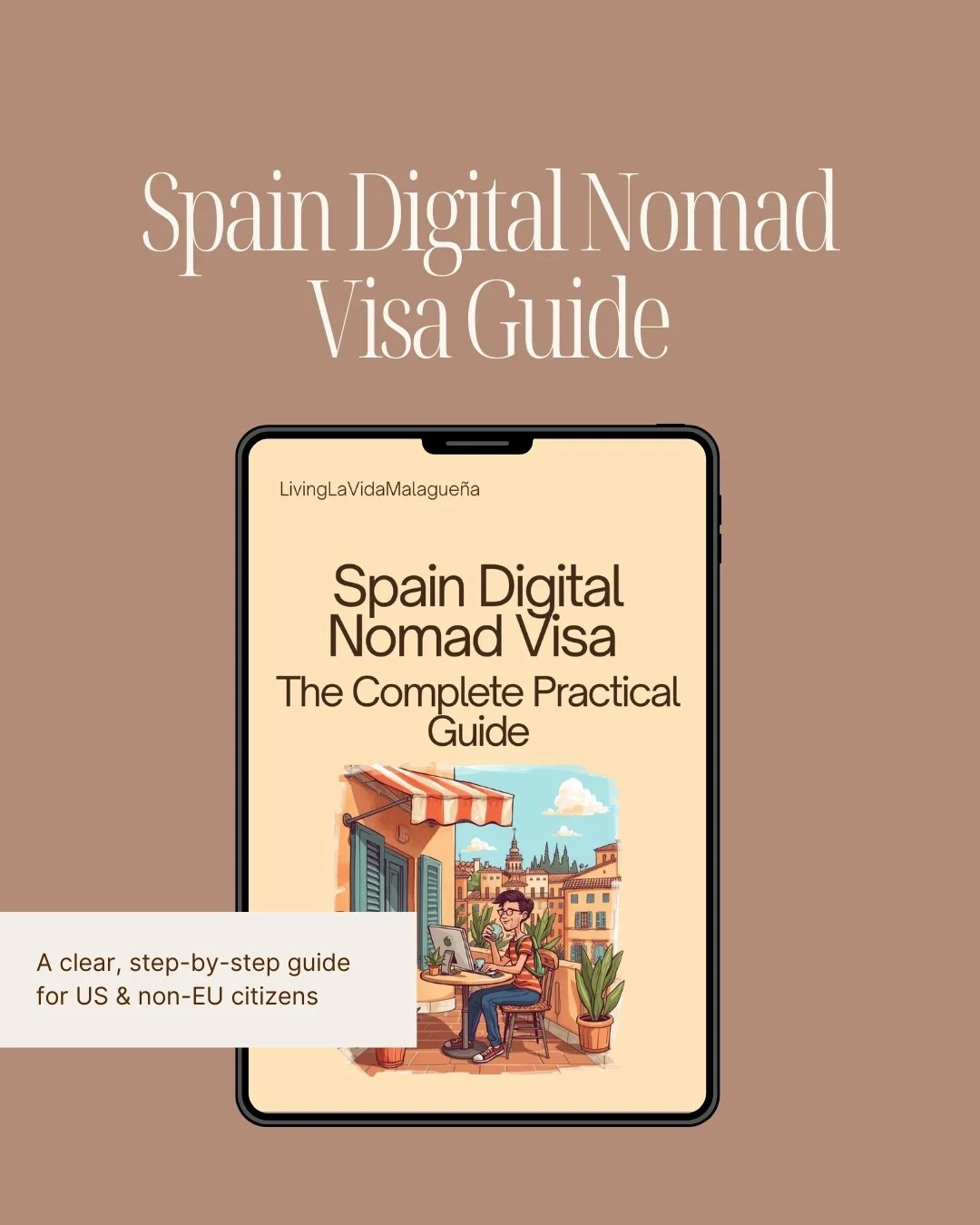
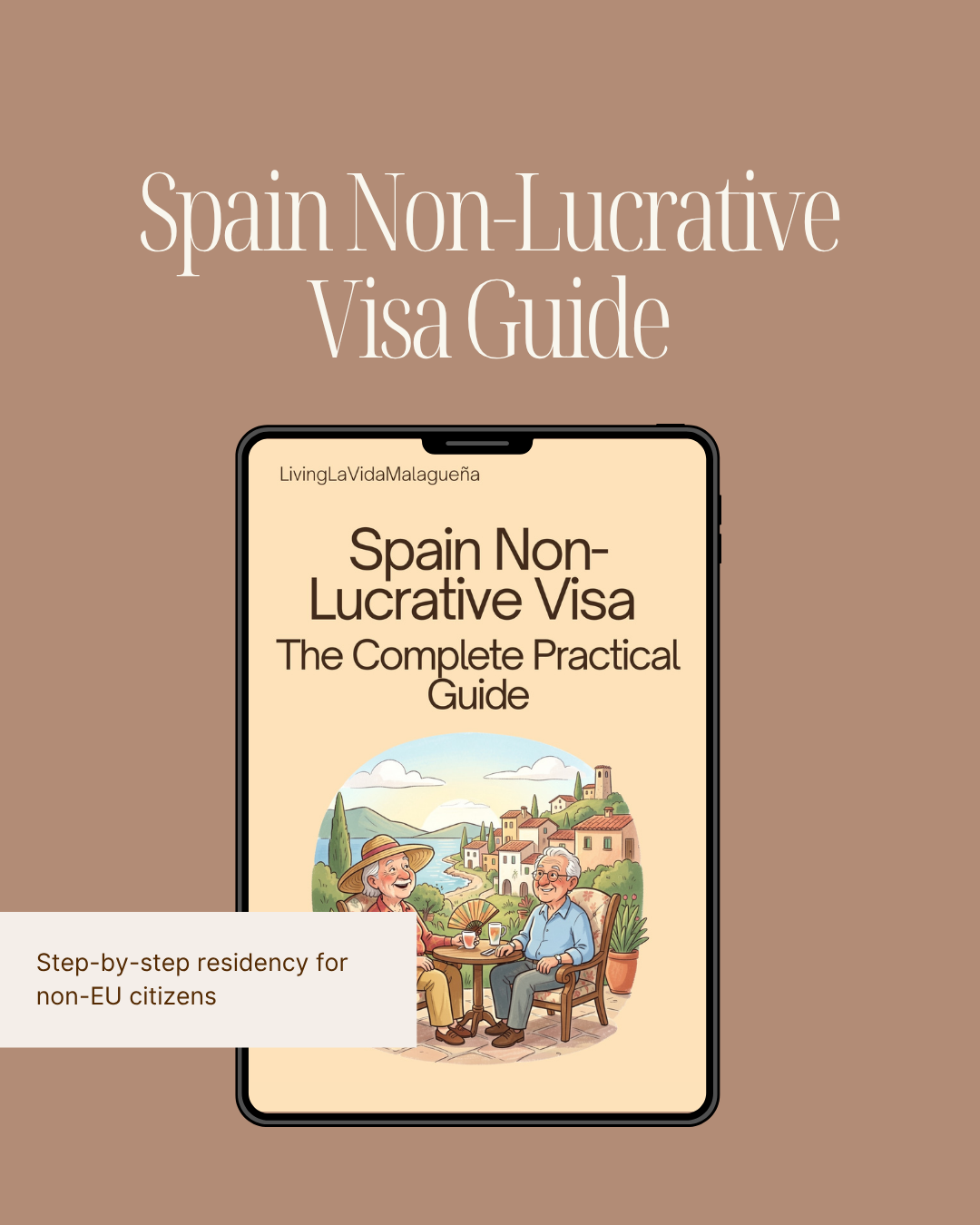
If you’re planning to live in Spain long-term, especially under a Non-Lucrative Visa or Digital Nomad Visa, landlords may want to see proof of stable income and legal stay.
Your NIE (Número de Identificación de Extranjero) is usually required to sign a long-term lease. Without it, options become limited.
This is why visa planning and rental planning often overlap. If you're still researching which residency path suits you best, it’s worth revisiting your visa options before committing to housing decisions. Your legal structure affects your rental leverage more than you think. Check out the other articles about visas, if you want to learn more about legal structures in Spain.
The Spanish Landlord Mindset
Spain is not a purely data-driven rental market like some northern European countries.
It is relationship-based.
Landlords want security.
Security means predictable income, legal residency, and stability.
For Spanish tenants, this usually means an indefinite work contract and Spanish payslips. For foreigners, it means convincing documentation.
If you work remotely, landlords may not immediately understand foreign contracts or freelance income. Be prepared to explain your situation clearly and confidently.
Sometimes that explanation makes the difference.
Understanding Spanish Rental Contracts
Spanish rental law distinguishes between long-term residential contracts and temporary contracts.
Long-term contracts are typically five years if the landlord is a private individual (seven years if the landlord is a company). However, tenants are generally allowed to leave after six months with proper notice.
Temporary contracts (often 11 months) are common in cities like Málaga and Barcelona. These are often used for students, digital nomads, or transitional residents.
But here’s what many foreigners don’t realise: not every “temporary” contract is legally temporary. Some are structured to give landlords flexibility while limiting tenant protections.
Understanding your contract is essential.
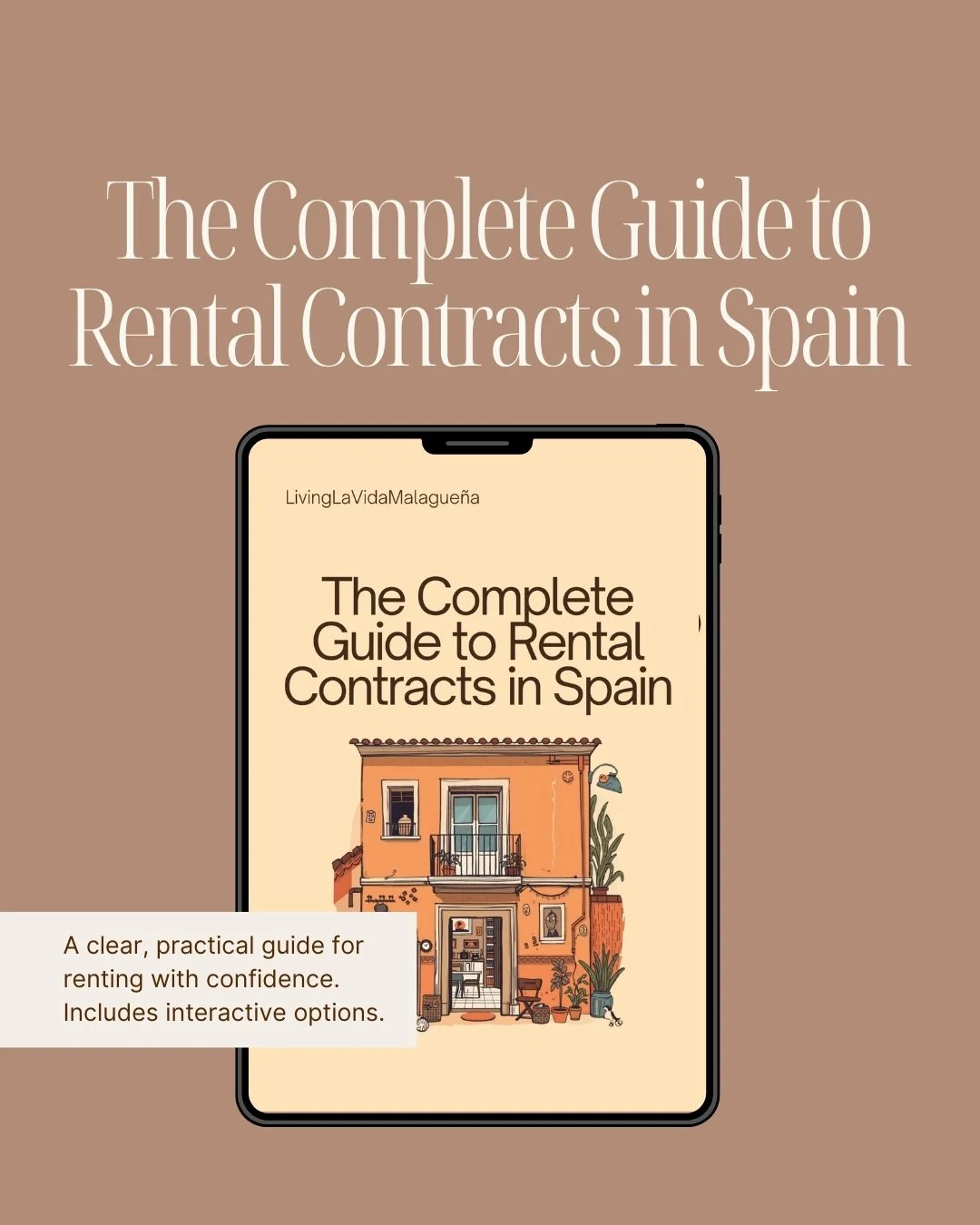
This is exactly why we created the Complete Guide to Rental Contracts in Spain — because small clauses can have big consequences.
Deposits, Guarantees, and Upfront Costs
Expect to pay:
One month’s rent
One month’s legal deposit (fianza)
Possibly an agency fee (depending on region and contract type)
In competitive markets, landlords may also request additional guarantees, especially if you lack Spanish employment history.
That could mean:
Several months of rent paid upfront
A bank guarantee
Proof of high savings
In cities like Málaga, spring and summer increase demand significantly. If you’re reading this alongside our Spring in Málaga guide, you’ll know that seasonality affects everything here, including rental availability.
Planning ahead gives you more negotiating power.
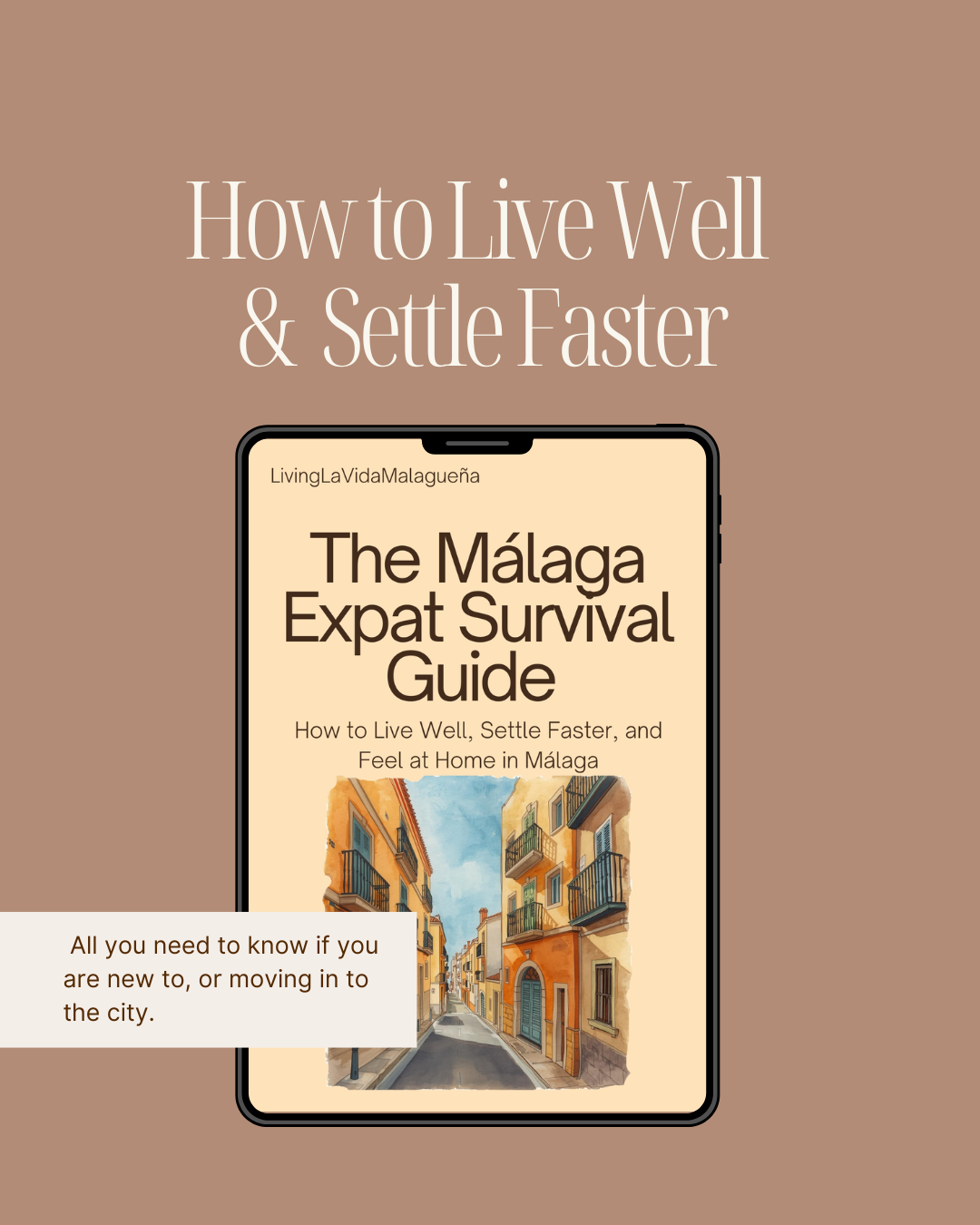
Renting in Málaga: What to Expect
In Málaga specifically, the market has shifted in recent years.
Remote workers and digital nomads have increased demand, especially in central areas like Centro Histórico, Soho, and La Malagueta.
Landlords often prefer tenants who:
Have stable remote income
Plan to stay at least one year
Can communicate in Spanish
Even basic Spanish goes a long way.
While international agencies exist, many local landlords still operate informally. Polite communication and professionalism matter more than flashy applications.
Utilities, Community Fees, and Hidden Costs
Rent rarely includes utilities.
Electricity, water, internet, and sometimes community fees are separate. Older buildings may have higher electricity consumption due to poor insulation.
Always ask:
Is the property all-electric or does it use gas?
Are community fees included?
Is the building well insulated?
Spain’s electricity costs can fluctuate significantly. That charming top-floor flat with big windows may also mean summer heat and high air conditioning bills.
Lifestyle and practicality need balance.
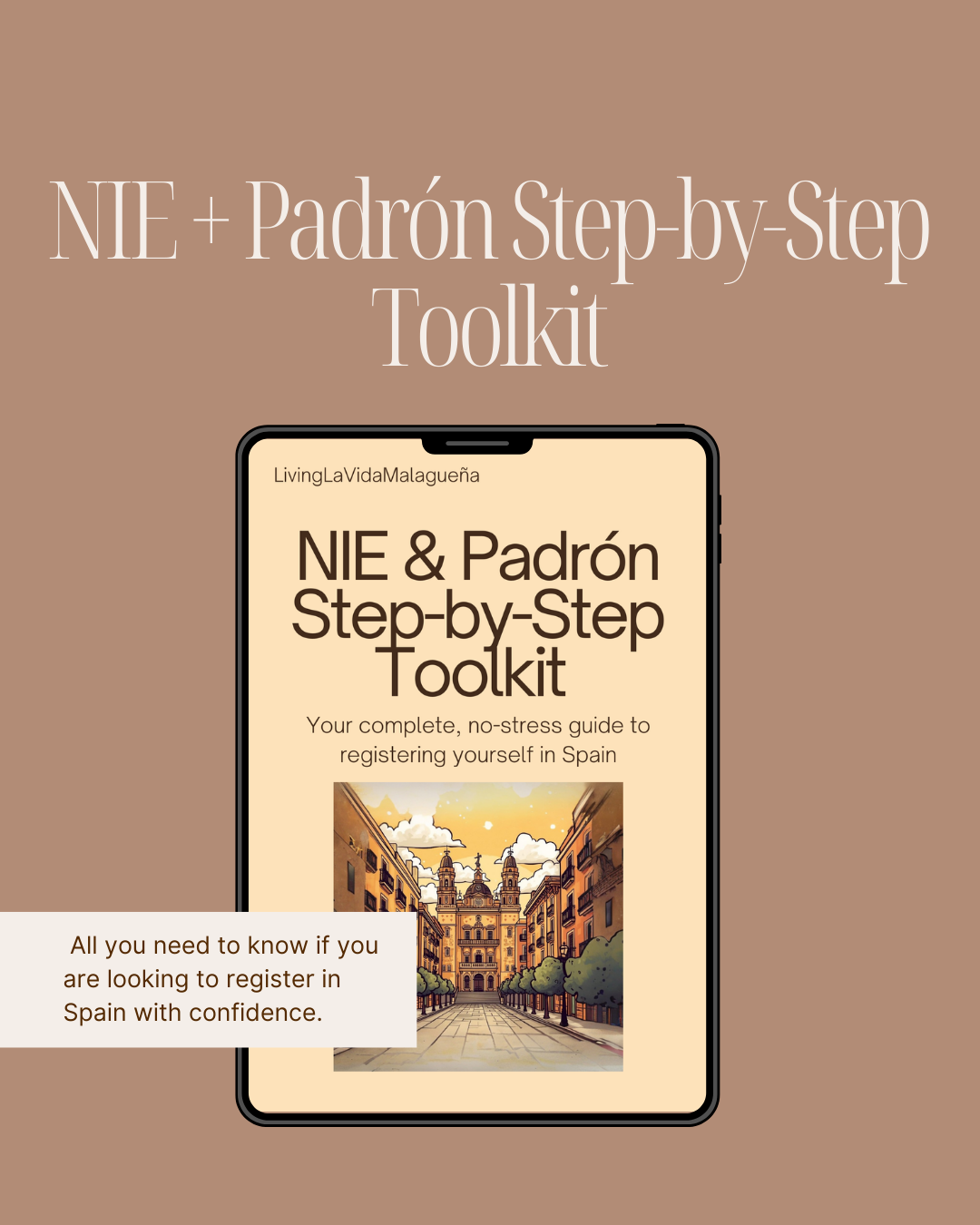
Registering at the Town Hall (Empadronamiento)
If you are planning long-term residency, registering at your local town hall (empadronamiento) is essential.
You’ll need a rental contract to do this.
The padrón certificate is required for:
Residency renewals
Healthcare registration
School enrollment
Many administrative processes
If you’re working toward long-term residency timelines, as explained in our Spain Residency Timelines and Renewals article, maintaining a stable address and registration history supports your continuity.
Renting is not just about housing — it becomes part of your legal footprint in Spain.
Short-Term vs Long-Term: What’s Smarter?
If you’re newly arrived, a short-term rental can give you flexibility while you explore neighbourhoods.
But long-term contracts offer more protection and usually lower monthly costs.
Some residents start with a temporary contract, then transition once they understand the area and secure documentation.
There is no single correct approach — only the one that aligns with your visa status and financial comfort. For an in-depth approach, I’d recommend to read this article.
Red Flags to Watch For
While Spain is generally safe, rental scams exist. Particularly online.
Be cautious if:
A landlord refuses in-person viewings
You are asked to transfer money before signing
The listing price seems unusually low
The contract language feels vague
Never wire funds without verifying identity and property ownership.
How to Strengthen Your Rental Application as a Foreigner
Preparation changes everything.
Have ready:
Your passport and NIE
Proof of visa approval or residency card
Recent bank statements
Work contract or freelance documentation
A short written introduction about yourself
Yes, an introduction helps.
Spain values personal connection. A brief message explaining who you are, why you’re moving, and your long-term intentions can humanise your application.
Landlords rent to people, not just paperwork.
Renting and Visa Compliance
Your rental contract may be requested during visa renewals to demonstrate stable residence in Spain.
Address continuity supports your legal narrative.
If you’re on a Non-Lucrative Visa, showing stable housing reinforces your non-transient status.
If you’re a Digital Nomad, your registered address contributes to your administrative stability.
Housing and immigration are quietly connected.
The Emotional Side of Renting Abroad
Beyond contracts and deposits, renting in Spain is emotional.
It’s choosing the balcony where you’ll drink your morning coffee.
The street where you’ll learn your local bakery’s opening hours.
The terrace where you’ll hear summer festivals echo at midnight.
Finding a home here takes patience.
But once you do, Spain begins to feel less like a destination and more like a rhythm.
And rhythm is what makes staying possible.
Frequently Asked Questions About Renting in Spain as a Foreigner
-
Yes. Foreigners can legally rent property in Spain with a valid passport and usually a NIE number. Long-term contracts may require proof of stable income and legal residency.
-
Not always, but it helps. Many landlords prefer tenants with Spanish employment contracts. Remote workers can rent, but they may need to provide additional financial documentation.
-
Typically one or two months deposit (fianza) plus the first month’s rent. Some landlords or agencies may request additional guarantees depending on the renting construction, this usually happens if there’s an agency involved.
-
Yes. Spain has tenant protection laws for long-term residential contracts. However, temporary contracts operate under different rules. It is important to review contract terms carefully.
-
Yes. A valid rental contract allows you to register at the town hall (empadronamiento), which is necessary for many administrative procedures.
-
Rental prices in Málaga have increased in recent years, particularly in central neighbourhoods and coastal areas. Prices vary depending on location, size, and season.
Final Thoughts: Renting Is Strategy, Not Luck
Renting in Spain as a foreigner isn’t impossible.
It’s strategic.
Understand your visa status.
Know your timeline.
Prepare your documents.
Communicate clearly.
And don’t rush.
The right apartment often appears after the third viewing, not the first.
If you’re building your life here long-term, your rental is not just a place to sleep.
It’s the foundation for everything that follows.






























Plan Your Move to Spain with Confidence
Moving to Spain is an exciting new chapter, but it also comes with countless tasks, deadlines, and important decisions. From researching visa options and preparing your paperwork to organising your finances, finding accommodation, and planning your arrival, it's easy to feel overwhelmed before you've even packed your suitcase.
The Moving to Spain Checklist & Relocation Planner has been created to help you stay organised throughout the entire relocation process. Instead of managing multiple lists, scattered notes, and endless browser tabs, you'll have one structured planner that guides you through every stage of your move.
Whether you're relocating in a few weeks or simply starting to plan your future in Spain, this practical digital guide provides a clear roadmap to help you stay on track and avoid missing important steps along the way.
Designed by Living La Vida Malagueña, this planner is based on real relocation experience and is intended to simplify the planning process, giving you more confidence as you prepare for your new life in Spain.
What You'll Receive
Your digital planner includes practical checklists and timelines covering every stage of your relocation, including:
Comprehensive Moving to Spain master checklist
Step-by-step relocation timeline
Visa and residency preparation checklist
Financial planning checklist
Accommodation and housing planner
Pre-departure moving checklist
Arrival and settling-in checklist
Printable PDF that can also be completed digitally
Who This Planner Is For
This planner is ideal for:
Anyone planning to move to Spain
First-time expats
Retirees relocating abroad
Digital nomads
Remote workers
Families moving to Spain
Anyone looking for a clear, organised relocation plan
Whether you're moving independently or with your family, this planner helps you approach the process with greater organisation and less stress.
Why You'll Love It
Relocating abroad involves dozens of moving parts, and it's surprisingly easy to overlook important tasks.
This planner has been designed to keep everything together in one place, helping you:
Stay organised throughout your move
Reduce last-minute stress
Keep track of important deadlines
Plan your relocation step by step
Feel more confident during every stage of the process
Simple, practical, and easy to use, you can either print the planner or complete it digitally—whatever works best for your planning style.
Instant Digital Download
This is a digital product.
No physical item will be shipped.
Once your purchase is complete, you'll receive immediate access to download your planner so you can start organising your move straight away.
Please Note
This planner has been created for educational and organisational purposes only.
It does not constitute legal, immigration, tax, or financial advice. Visa regulations and residency requirements can change, so you should always confirm the latest information with the relevant Spanish authorities before making important decisions.
Looking for Personalised Help?
If you'd like tailored advice based on your own relocation plans, you can also book a 45-minute private consultationthrough Living La Vida Malagueña.
Together we'll discuss your situation, answer your questions, and create a personalised action plan to help make your move to Spain smoother and more straightforward.