Long-Term vs Short-Term Rentals in Spain: What Expats and New Arrivals Need to Understand

Choosing between a long-term and short-term rental is one of the most consequential housing decisions when moving to Spain. Yet it is also one of the most misunderstood. Online advice often reduces the choice to flexibility versus stability, overlooking the legal, financial, and administrative implications that can significantly affect your move, your budget, and even your residency process.
This guide offers a clear, realistic explanation of how long-term and short-term rentals actually work in Spain, who each option is suitable for, and how this decision connects to wider issues such as bureaucracy, registration, and long-term settlement. Rather than promoting one option over the other, it aims to provide the context needed to make an informed decision based on your circumstances.
Understanding how rentals are categorised in Spain
In Spain, rentals are not defined solely by duration but by legal classification. The distinction between short-term and long-term rentals determines tenant rights, contract stability, registration possibilities, and landlord obligations.
Long-term rentals are generally governed by Spain’s Ley de Arrendamientos Urbanos (LAU). These contracts are intended for primary residences and typically run for twelve months with automatic renewal rights, offering tenants a high level of legal protection.
Short-term rentals, on the other hand, are usually classified as temporary or seasonal accommodation. They are not designed to serve as a permanent home and therefore offer fewer tenant protections. While often marketed as flexible or “ideal for expats,” they operate under a different legal framework with important limitations.
Understanding this distinction early can prevent costly mistakes later, particularly for those planning to register officially in Spain.
Long-term rentals: structure, protections, and realities
Long-term rentals are the most stable option for anyone intending to live in Spain beyond the initial adjustment phase. These contracts typically require proof of income, residency documentation, and a willingness to commit to the Spanish rental system.
From a legal perspective, long-term tenants benefit from strong protections. Contracts are usually set at one year, with the right to renew for up to five years (or more in some cases). Rent increases are regulated, eviction protections are stronger, and landlords cannot easily terminate contracts without cause.
However, access to long-term rentals can be challenging for newcomers. Many landlords expect documentation such as a valid NIE, proof of employment or income, Spanish bank account details, and sometimes even a local guarantor. These requirements often surprise expats, particularly those arriving from countries with more flexible rental markets.
If you are unfamiliar with these expectations, this article Renting an Apartment in Spain provides a detailed overview of the rental process, common documentation requests, and typical pitfalls faced by foreign tenants.
Short-term rentals: flexibility with limitations
Short-term rentals appeal to many newcomers because they appear easier to secure. They often require fewer documents upfront and offer immediate availability, particularly in cities with strong tourism infrastructure.
However, this convenience comes at a cost. Monthly rents are typically higher, deposits may be less regulated, and contracts can be terminated with minimal notice. Crucially, short-term rentals are often unsuitable for administrative purposes. Many landlords explicitly prohibit empadronamiento, which can create problems for those needing to register with local authorities.
This becomes particularly relevant when applying for documents such as the NIE or completing municipal registration. Without a qualifying address, progress through Spain’s administrative system can stall. The articles NIE Explained and Padrón Explained outline why address registration is foundational to life in Spain and why certain rental arrangements complicate this process. And, if you want a complete overview: The NIE + Padrón Step-by-Step Toolkit is meant for you.
Registration and bureaucracy: where rental choices matter most
Housing decisions in Spain are closely tied to bureaucracy. To function legally and practically, most residents need to register on the padrón, open bank accounts, access healthcare, and formalise employment or self-employment.
Long-term rentals are generally accepted for these purposes. Short-term rentals may not be. Even when landlords verbally agree to registration, this is not always reflected in the contract, leaving tenants exposed if disputes arise.
For those planning a structured move, particularly with a timeline extending beyond a few months, aligning housing choices with administrative requirements is essential. This is explored further in How to Move to Spain in 2026, where housing strategy is positioned as part of a broader relocation plan rather than an isolated decision.
Financial implications: deposits, stability, and hidden costs
Financially, long-term rentals tend to be more predictable over time. While upfront costs can be significant, including deposits and agency fees, monthly expenses are often lower and more stable.
Short-term rentals may appear attractive initially, but higher monthly rents, frequent moves, and limited tenant protections can quickly increase overall costs. For many expats, what begins as a temporary solution extends far longer than planned, resulting in prolonged financial inefficiency.
This pattern connects closely to the issues discussed in your guide on the hidden costs of moving, where transitional housing choices often represent one of the most underestimated expenses.
Information overload and misinformation
One of the reasons rental decisions are so difficult is the sheer volume of conflicting information available online. Forums, social media groups, and outdated blog posts frequently contradict one another, leaving newcomers unsure which advice applies to their situation.
The blogpost Where to Find Reliable Information in Spain addresses this issue directly, highlighting the importance of distinguishing anecdotal experiences from legally and contextually accurate guidance. Rental law, municipal rules, and administrative practices vary, and relying on incomplete information can have real consequences.
Choosing the right option for your situation
There is no universally correct choice between long-term and short-term rentals. Short-term accommodation can be appropriate for initial orientation, exploratory stays, or individuals with uncertain plans. Long-term rentals are generally better suited for those intending to settle, register, and integrate into Spanish systems.
The key is intentionality. Problems arise not from choosing one option, but from choosing without understanding how that decision interacts with bureaucracy, finances, and long-term plans.
A strategic approach to housing in Spain
Housing should be viewed as part of a wider relocation strategy, not a standalone decision. Employment plans, residency timelines, administrative requirements, and city-specific realities all influence which rental model makes sense.
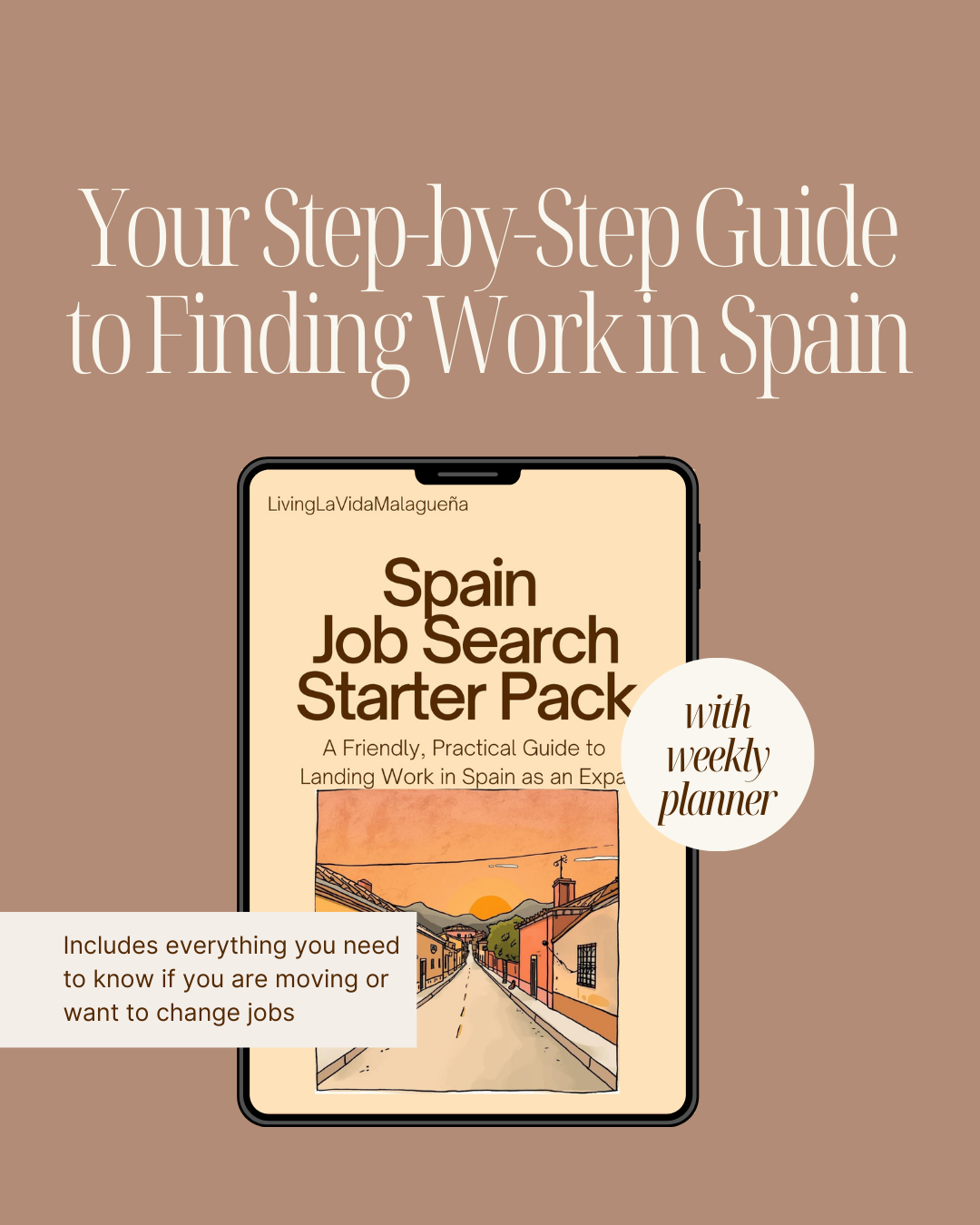
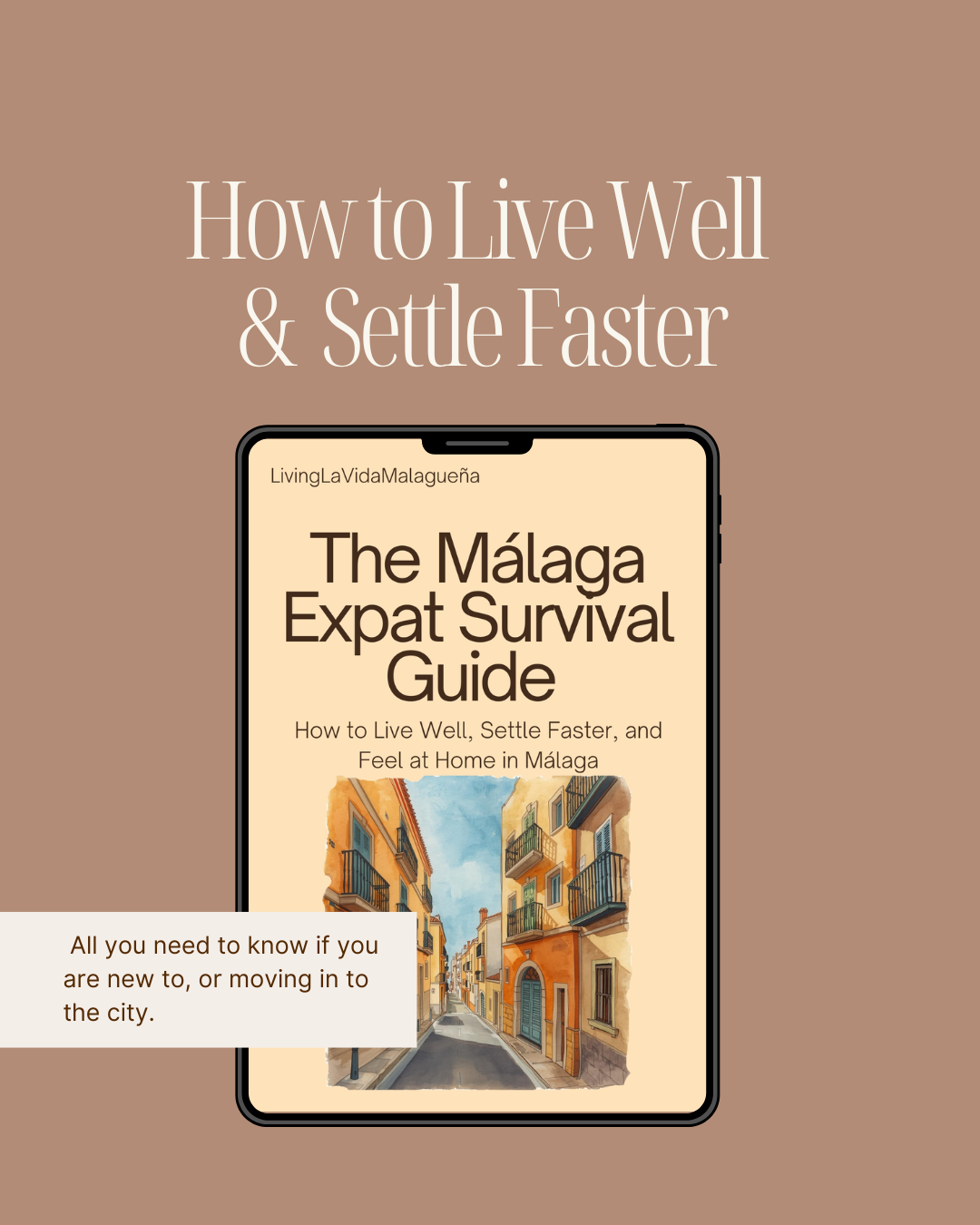
For readers navigating these interconnected decisions, the following digital guides provide structured support at different stages of the process. The NIE + Padrón Toolkit helps demystify essential registrations. The Spain Job Search Starter Pack offers clarity for those aligning housing with employment strategy. And the Málaga Insider Guide provides location-specific insight for those considering long-term life in the city.
Each resource complements the others, reflecting the reality that moving to Spain successfully requires coordination rather than isolated decisions.
Final thoughts
Long-term versus short-term rentals in Spain is not a question of convenience, but of compatibility. Understanding the legal, financial, and administrative implications of each option allows you to choose deliberately rather than reactively.
By grounding your decisions in accurate information and aligning housing choices with your broader plans, you reduce uncertainty and create a more stable foundation for life in Spain.
Frequently Asked Questions About Long-Term and Short-Term Rentals in Spain
-
Many landlords prefer tenants with established financial and legal ties to Spain. Requirements such as a Spanish bank account, proof of income, employment contracts, or prior rental history can disadvantage newcomers. This is not a legal barrier but a market reality, which is why preparation and documentation matter more than speed when searching for housing.
-
For some people, yes. Short-term rentals can be useful during the initial orientation period. However, this approach works best when combined with a clear plan to transition into a long-term rental. Without a defined timeline, short-term accommodation can become expensive and administratively limiting. Aligning housing decisions with your wider relocation plan helps reduce risk and unnecessary costs.
-
An NIE can sometimes be obtained without a long-term rental, particularly for non-resident purposes. However, for residents planning to live in Spain long term, a stable address often becomes necessary as part of broader administrative processes. The guide NIE Explained outlines when address documentation is required and how housing choices can affect timelines. Found in the Digital Guides section.
-
In many cases, no. While some short-term landlords may verbally agree to empadronamiento, temporary rental contracts are often not accepted by municipalities. Without a qualifying address, registering on the padrón can become difficult or impossible, which may delay access to healthcare, banking, or residency-related procedures. This is why long-term rentals are generally more compatible with administrative requirements.






























Your clear, practical guide to registering yourself in Spain
Navigating Spanish bureaucracy can feel overwhelming — especially when everything is in Spanish, appointments are hard to book, and advice online is often contradictory.
The NIE + Padrón Step-by-Step Toolkit was created to simplify the process and give you clarity from the very beginning.
This digital guide walks you through exactly how to obtain your NIE and register on the Padrón in Spain, explained in plain English and based on real-life experience — not confusing legal jargon.
Whether you’re moving to Spain, settling in Málaga, or planning a long-term stay, this toolkit helps you feel prepared, confident, and in control.
What You’ll Learn Inside
What the NIE and Padrón actually are (and why you need them)
Which one to do first — and when the order can change
How to book appointments successfully, even in busy cities
Exactly which documents to bring (and which ones people often forget)
How to fill out Spanish forms without confusion
What to expect on appointment day
The most common mistakes that cause delays or rejections — and how to avoid them
Everything is explained step by step, in a calm and beginner-friendly way.
Why This Guide Is Different
Most information online is scattered, outdated, or overly complicated.
This toolkit brings everything together in one clear, practical resource — so you don’t feel lost or second-guess yourself.
Think of it as having a knowledgeable friend walking you through Spanish paperwork, step by step.
Ready to Feel Confident About Spanish Paperwork?
Stop guessing and start preparing.
👉 Download the NIE + Padrón Step-by-Step Toolkit today and take your first confident step into life in Spain.