Spanish Culture Shocks: The Honest, In-Depth Guide Nobody Gives You
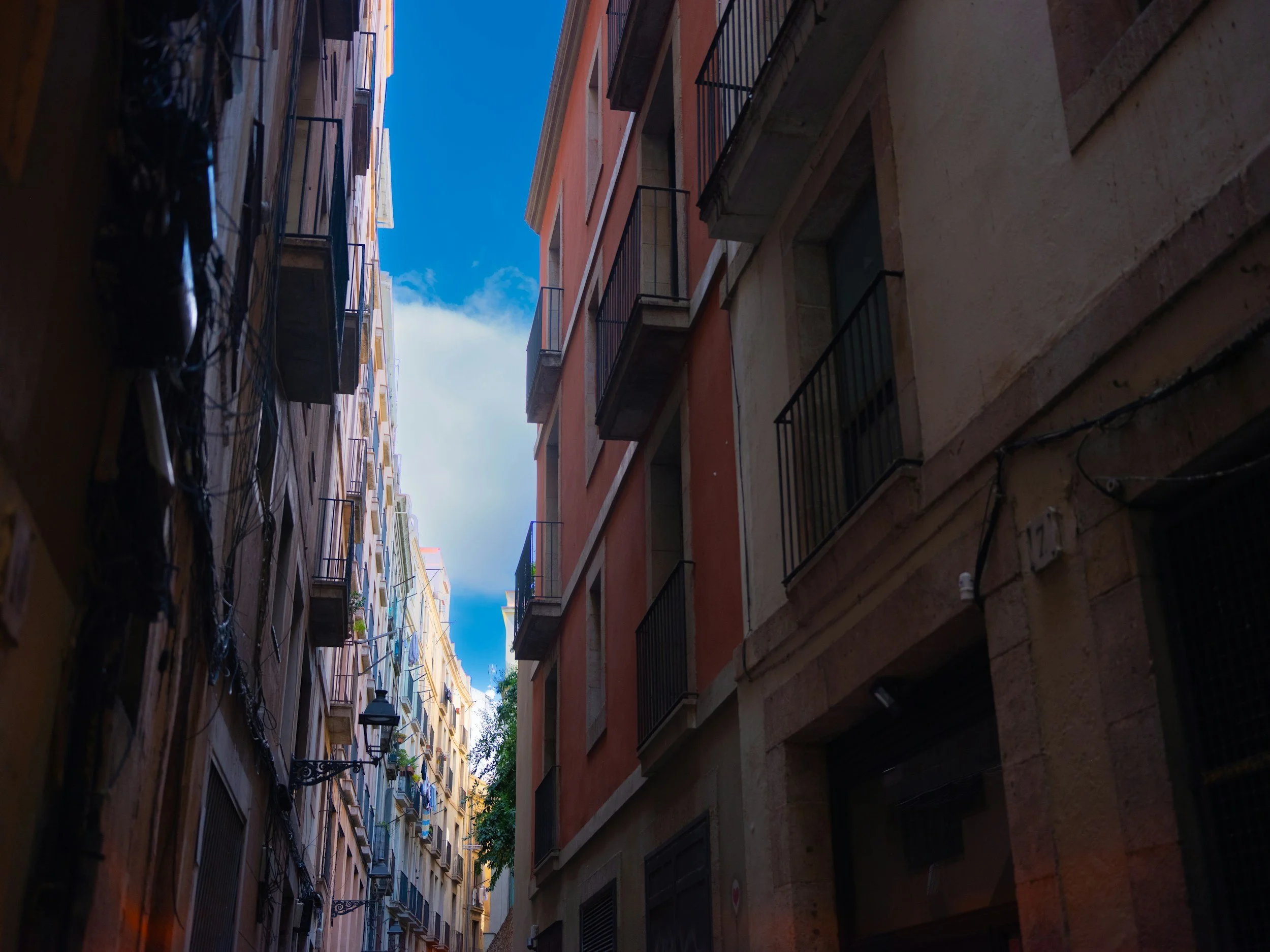
Spanish Culture Shocks Explained
The everyday differences that catch newcomers off guard, from routines to social norms
Moving to Spain is often described as a dream. Sunshine almost year-round, long lunches, relaxed evenings, beautiful cities, and a lifestyle that seems to prioritise enjoyment over exhaustion. And while all of that is true, there is another layer to life in Spain that tends to catch people off guard: culture shock.
Not the dramatic kind where everything feels wrong, but the slow, cumulative kind. The kind that creeps in through everyday situations. The shop that is closed again. The appointment that starts late. The form that needs another stamp. The conversation that sounds like an argument but is not.
If you are moving to Spain, planning to stay long-term, or already here and quietly wondering whether it is you or the country, this article is for you. These are the most common Spanish culture shocks, explained with nuance, context, and honesty, so you can understand not just what feels different, but why it does.
What Culture Shock Actually Looks Like in Spain
Culture shock is rarely one big moment. It is usually a series of small ones. Individually they seem manageable, but together they can feel draining.
In Spain, culture shock often appears in moments like realising that efficiency is not the priority you assumed it would be, that rules are interpreted rather than followed rigidly, or that social expectations are very different from what you are used to. It can show up as frustration, homesickness, irritation, or a feeling that things are unnecessarily complicated. In the article Living in Málaga as an Expat: A Realistic and Comprehensive Guide, I go into depth on what you may experience moving to Málaga, Spain. All the culture shocks included..
Importantly, culture shock does not mean you dislike Spain or made the wrong choice. It means your internal “normal” is being challenged, and your brain is working hard to adapt to a new way of life. Once you understand that, the experience becomes much easier to navigate.
Time in Spain Feels Fluid, Not Fixed
One of the most noticeable differences for many newcomers is the Spanish relationship with time. In Spain, punctuality exists, but it does not dominate daily life in the way it does in more schedule-driven cultures.
Appointments may start later than planned, meetings can run long, and people rarely rush through conversations just to stay on schedule. This is because Spanish culture prioritises human connection over efficiency. Cutting someone off because “time is up” can feel rude, whereas arriving a little late rarely does.
For people used to strict timetables, this can initially feel disrespectful or chaotic. Over time, however, many begin to see the benefits. There is less pressure to constantly watch the clock, and more space for conversations and relationships to unfold naturally.
Adapting usually means allowing extra time for everything, confirming important appointments, and learning when punctuality does matter, such as official appointments or medical visits. Understanding these nuances makes daily life far less stressful.
The Siesta Is About Rhythm, Not Sleeping
The concept of the siesta is often misunderstood. Spain does not shut down so everyone can sleep. Instead, the day is structured around a long midday break, particularly in smaller cities and towns.
Between roughly 2 and 5 pm, many small businesses close, offices reduce hours, and the pace of life slows significantly. This can be deeply frustrating for newcomers who are used to handling errands in the afternoon. If you want to know how it was for me to go through these motions, also check out Settling into Life in Spain: Finding Home Away from Home.
The siesta exists for practical and cultural reasons. Historically, it allowed people to avoid working during the hottest part of the day. Culturally, it protects long lunches, family time, and rest before the evening, which is when social life truly begins.
Adjusting means reorganising your expectations. Mornings become the most productive time for errands and admin. Afternoons are slower, and evenings are active again. Once you align your routine with this rhythm, daily life becomes far more manageable.
Late Meals and Even Later Evenings
Spanish meal times are a shock for many newcomers. Lunch rarely happens before 2 pm, dinner often starts at 9 pm or later, and social plans regularly extend well into the night. Seeing children playing outside at 10 or even 11 pm is also completely normal, especially in summer.
This schedule is tied to the long midday break, the climate, and the importance of social meals. Eating is not just about nourishment in Spain. It is about connection, conversation, and taking time.
At first, this rhythm can feel exhausting or impractical. Many newcomers adapt by eating lighter meals, introducing an afternoon snack, and slowly shifting dinner later. Over time, the late evenings often become something people genuinely enjoy, particularly in warmer months when life moves outdoors.
Bureaucracy as a Cultural Experience
Spanish bureaucracy is one of the most challenging adjustments for many foreigners. Administrative processes often feel slow, repetitive, and confusing. You may be asked for documents you were not informed about, receive different answers from different officials, or need multiple appointments to complete a single task.
This is not necessarily due to inefficiency or incompetence. The Spanish administrative system is built around process, hierarchy, and documentation rather than speed. Following the correct steps matters more than completing things quickly.
What helps is adjusting expectations. Bringing extra documents and copies, staying polite even when frustrated, and understanding that persistence is often more effective than confrontation. Over time, navigating bureaucracy becomes less intimidating, though rarely enjoyable.
Personal Space and Physical Closeness
Spain is a physically expressive culture. People stand close when speaking, use touch to emphasise points, and greet with two kisses rather than a handshake. Conversations are animated, and body language plays a major role in communication.
For those from more reserved cultures, this can initially feel intrusive. However, this physical closeness is not meant to invade space. It is a sign of comfort, familiarity, and openness.
Most newcomers adapt naturally by observing how locals interact and slowly adjusting their own behaviour. With time, many people find this warmth reassuring and miss it when they are elsewhere.
Noise as a Sign of Life
Spain is loud. Streets are lively, cafés spill noise onto pavements, neighbours talk across balconies, and children play outside late into the evening. Silence is not highly valued in the same way it is in some other cultures.
For newcomers, especially those from quieter environments, this can be one of the hardest adjustments. Noise may feel constant and unavoidable.
Understanding that noise is not associated with conflict or disrespect helps immensely. It is simply part of shared, communal living. Choosing accommodation carefully, investing in soundproofing where possible, and mentally reframing noise as background life rather than disruption can make a big difference. If you would like extra guidance in this, also read Renting an Apartment in Spain as an Expat: What You Need to Know or discover my guides on renting in Spain.
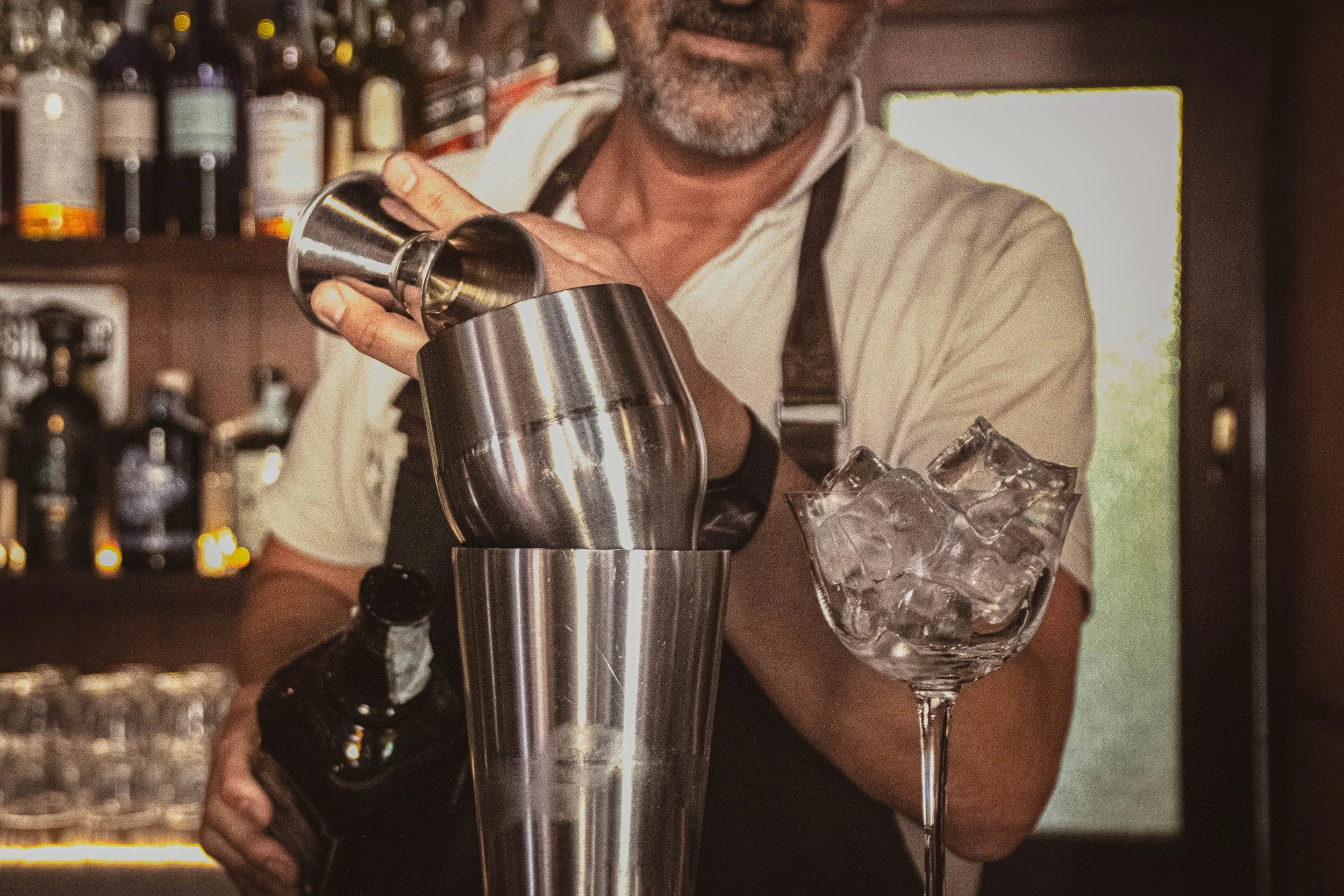
Customer Service Without the Script
Customer service in Spain often surprises newcomers. Service tends to be slower, more relaxed, and less performative. Staff are not expected to smile constantly or prioritise speed above all else.
This can feel frustrating if you are used to efficiency and attentiveness. However, the underlying philosophy is that service staff are equals, not servants. Emotional labour is not expected.
Interestingly, once relationships form, service often becomes warmer and more attentive. Being recognised as a regular, greeting staff politely, and showing patience usually leads to a noticeably better experience.
Communication That Sounds Intense but Isn’t
Spanish communication is expressive, emotional, and often loud. Conversations involve interruptions, strong opinions, and animated gestures. To outsiders, this can sound like conflict even when everyone involved is enjoying the exchange.
Tone does not necessarily reflect emotion in the same way it might elsewhere. Raised voices often signal enthusiasm, not anger.
Understanding this cultural difference prevents a lot of unnecessary stress. Once you recognise that passion does not equal hostility, Spanish conversations become far easier to engage in and enjoy.
Rules That Feel Flexible
Spain has rules, but how they are applied can vary. Procedures may change depending on who you speak to, exceptions may be made, and informal solutions often coexist alongside formal systems.
This flexibility can feel confusing or unfair, especially if you come from a culture where consistency is highly valued. However, relationships, communication style, and context often play an important role in how situations are handled. Furthermore, this point is also strongly connected to the traffic and driving in Spain. People will park in the middle of the street, just to run an errand or chat with an acquaintance, others will honk if you took a second too long at a green light. At first, it may seem overwhelming, but after a while you adjust and find yourself honking, just because you can.
Learning to ask questions, seek second opinions, and approach situations calmly usually leads to better outcomes than rigid insistence on rules. I also highly recommend you read this article on Where to Find Reliable Information When Moving to Spain.
Family and Social Life as a Priority
Family and social connections sit at the centre of Spanish life. Work is important, but it does not override family obligations or social commitments.
Businesses may close for family reasons, long lunches with relatives are common, and social gatherings are treated as essential rather than optional. While this can feel inefficient, it creates strong support networks and a deep sense of community.
Many newcomers eventually realise that this emphasis on relationships is one of Spain’s most valuable cultural traits.
Building Friendships Takes Time
Spanish friendships are rarely instant, particularly among adults. There also seems to be a cultural disconnection, or perhaps one that’s more so based on a language barrier. Which is another reason to learn, at least some, Spanish. People may appear reserved at first, and social circles are often well-established. However, once trust is built, friendships tend to be deep, loyal, and long-lasting.
This is not surface-level friendliness. Invitations to family events, celebrations, and everyday life signal genuine inclusion. While it may take time to reach this stage, many find it incredibly rewarding. Stay tuned, as I will soon release a new article on How to Make Friends in Spain.
The Emotional Journey of Culture Shock
Most people experience culture shock in stages. The initial excitement fades into frustration, which eventually gives way to understanding and acceptance. This process is not linear, and setbacks are normal.
Feeling irritated, overwhelmed, or doubtful does not mean Spain is not right for you. It means you are still just adapting.
Final Thoughts: Adapting, Not Changing
Culture shock is not a failure. It is part of the process of building a life in another country.
Spain will not change to fit your expectations, but your expectations will shift as you learn how life here works. And often, one day without realising it, you will find yourself defending Spanish habits to someone new.
Spain is imperfect, loud, slow, emotional, warm, frustrating, and deeply human.
And somehow, it works.
If you are navigating life in Spain and want more honest, practical guides like this, Living La Vida Malagueña is here to help you feel informed, prepared, and a little less alone.
Common questions expats have about culture shock in Spain
-
Yes, culture shock is completely normal when moving to Spain. Many expats experience it as they adjust to differences in daily routines, communication styles, bureaucracy, and social expectations. Feeling frustrated or overwhelmed does not mean Spain is the wrong choice — it is a natural part of adapting to a new culture and lifestyle.
-
The biggest culture shocks foreigners experience in Spain include flexible timekeeping, late meal times, noisy neighbourhoods, slower bureaucracy, and a strong focus on social and family life. Many expats are also surprised by direct communication styles and how rules can vary by region or situation.
-
Culture shock in Spain usually lasts several months, but it varies from person to person. Many expats feel more settled after six to twelve months as routines form and expectations adjust. However, culture shock can resurface during stressful moments, such as dealing with paperwork or major life changes.v
-
Yes, most expats eventually adapt to Spanish culture over time. Adaptation does not mean loving every aspect of life in Spain, but understanding how things work and feeling less frustrated by differences. Many people find that what once felt challenging becomes part of what they enjoy most about living in Spain.
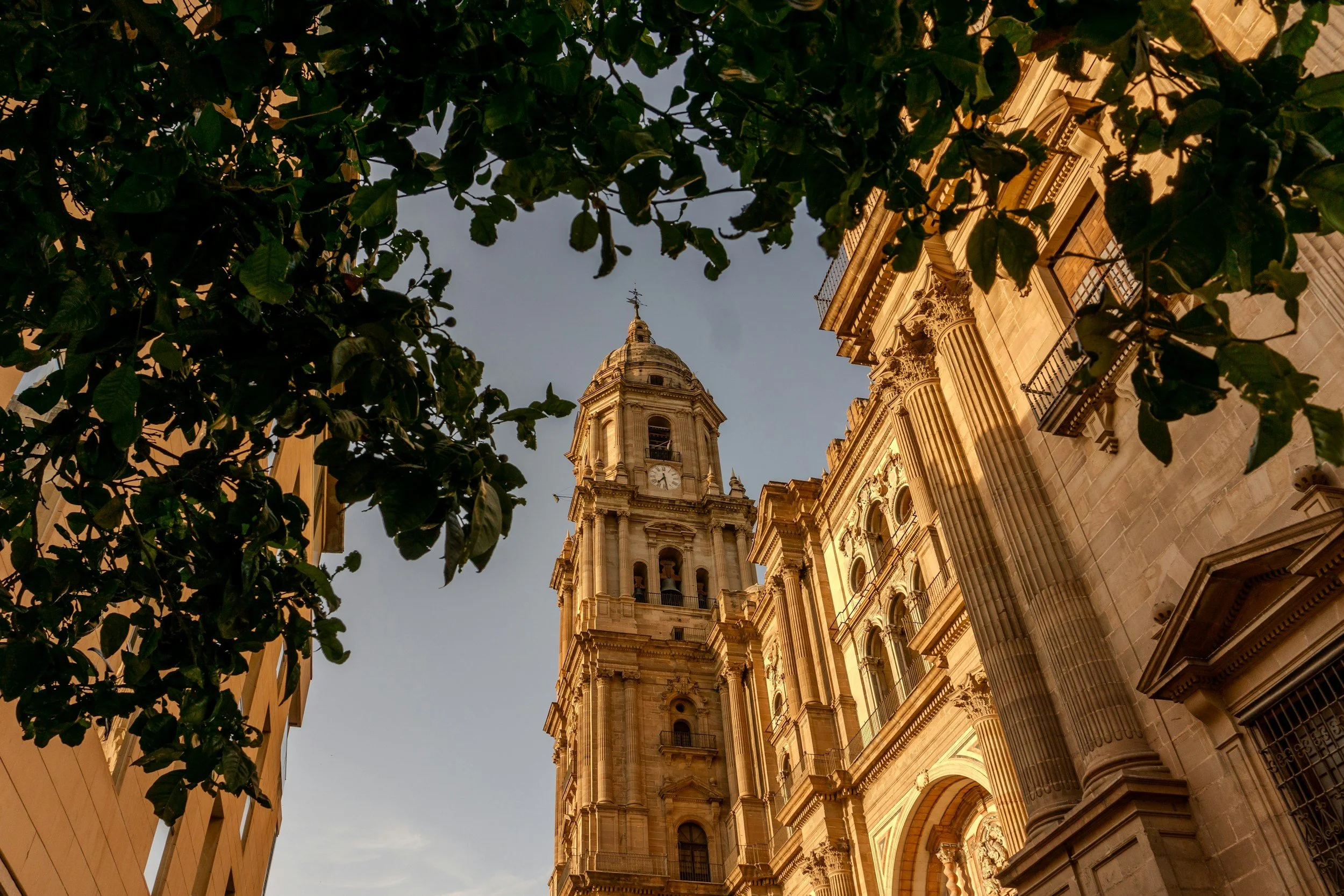
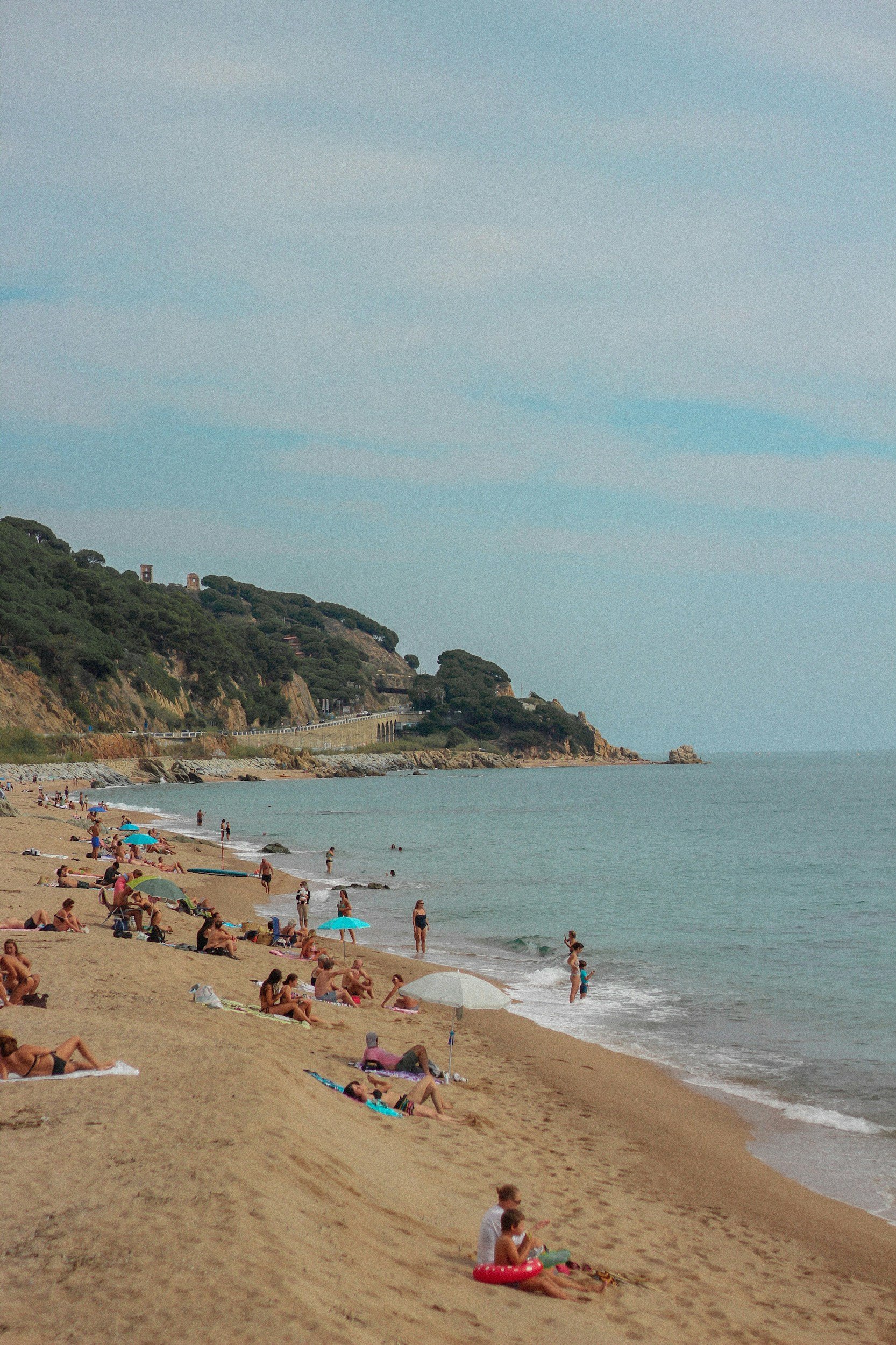
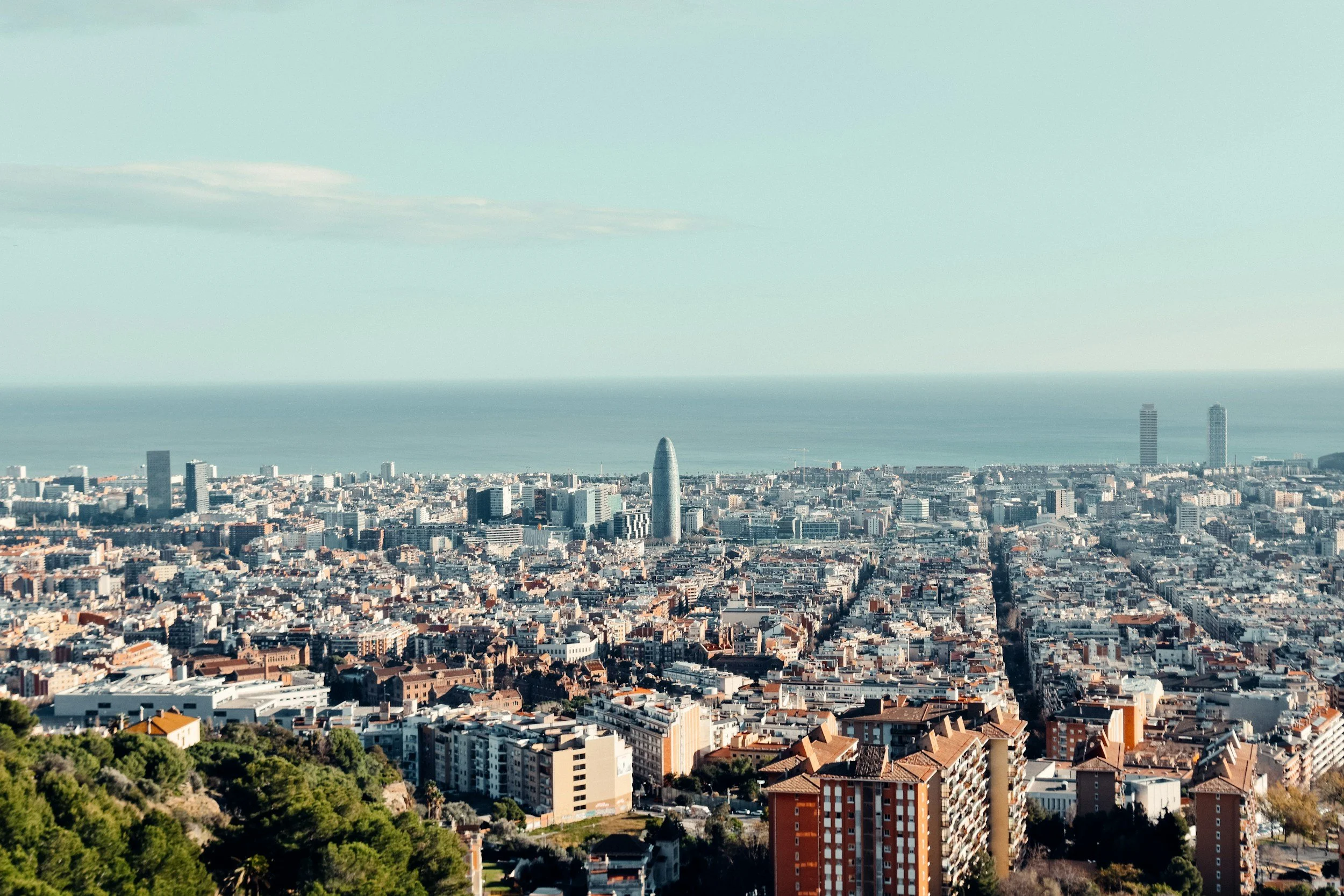
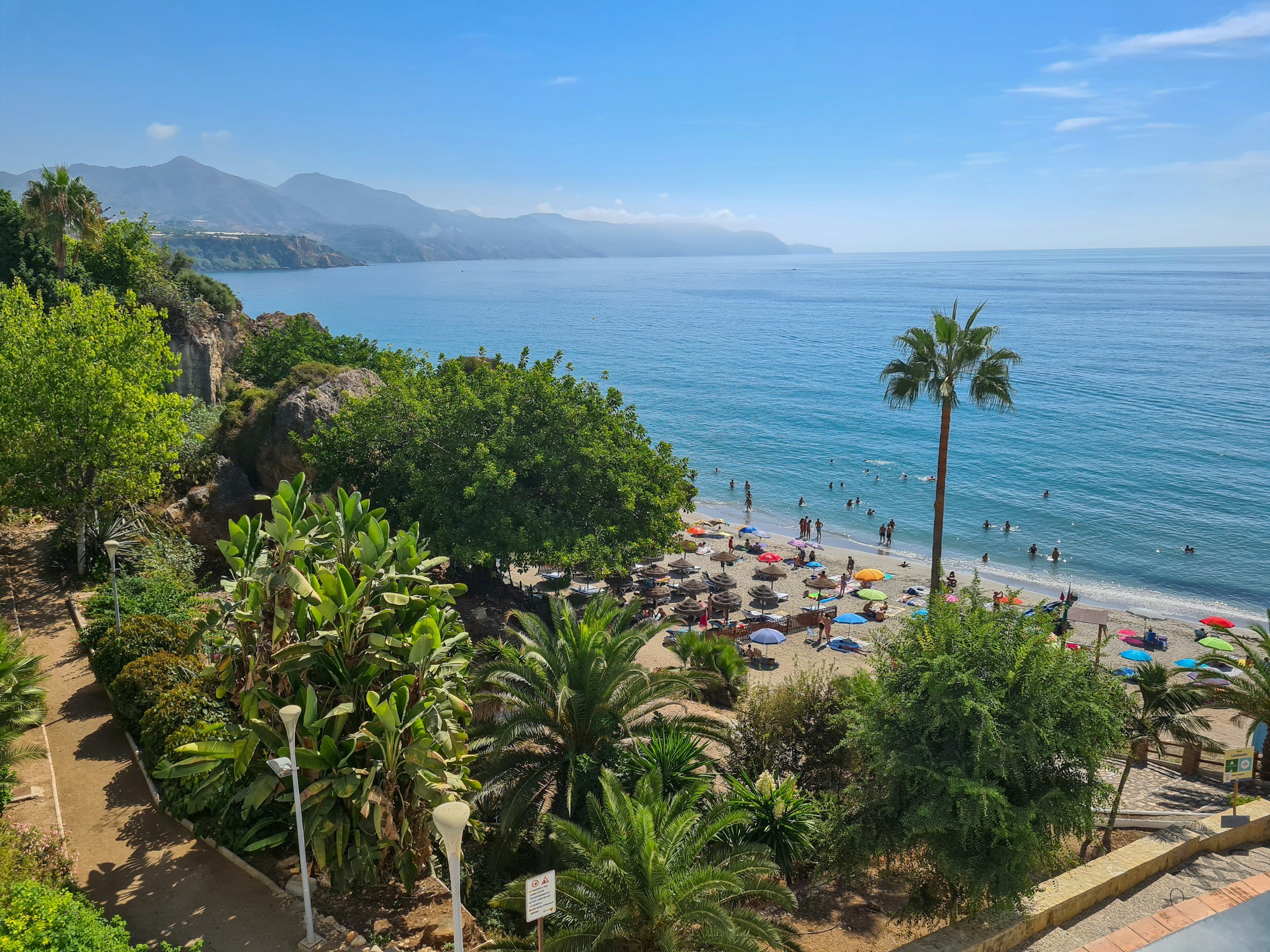


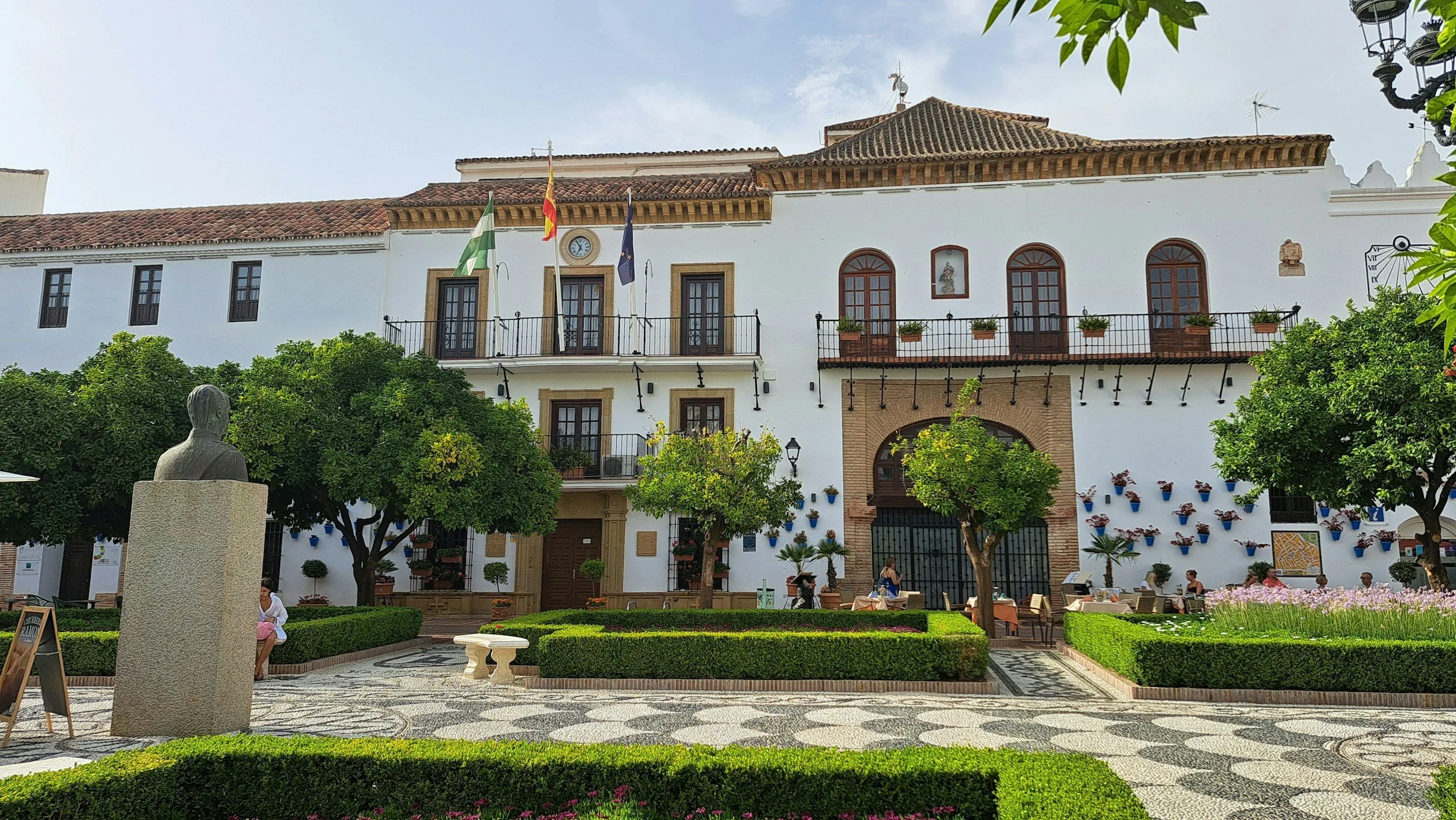






Moving to Spain comes with plenty of lessons you can only learn through experience. If I were starting again, I'd approach certain things differently; from choosing where to live and budgeting realistically to finding a rental, learning Spanish and building a social life. Here are eight things I'd want to know before making the move, especially if Málaga is on your radar.