Cost of Living in Málaga and Spain: A Realistic Breakdown for Expats

The cost of living in Spain is often described as “cheap” compared to other European countries. While Spain can be more affordable than places like the UK, Germany, or the Netherlands, this label is misleading without context. Costs vary significantly by region, lifestyle, housing choices, and income source. Málaga, in particular, has undergone rapid change in recent years, driven by tourism, remote work, and international relocation — something we explore in detail in Living in Málaga as an Expat.
This article provides a realistic, detailed breakdown of the cost of living in Málaga and Spain, based on current market conditions, average prices, and real expenses expats encounter once they move beyond the initial honeymoon phase.
Rather than focusing on best-case scenarios, the aim is to help you budget accurately, avoid underestimating expenses, and understand how lifestyle choices directly affect monthly costs — especially when planning a long-term move, as discussed in How to Move to Spain in 2026.
Housing costs in Málaga and across Spain
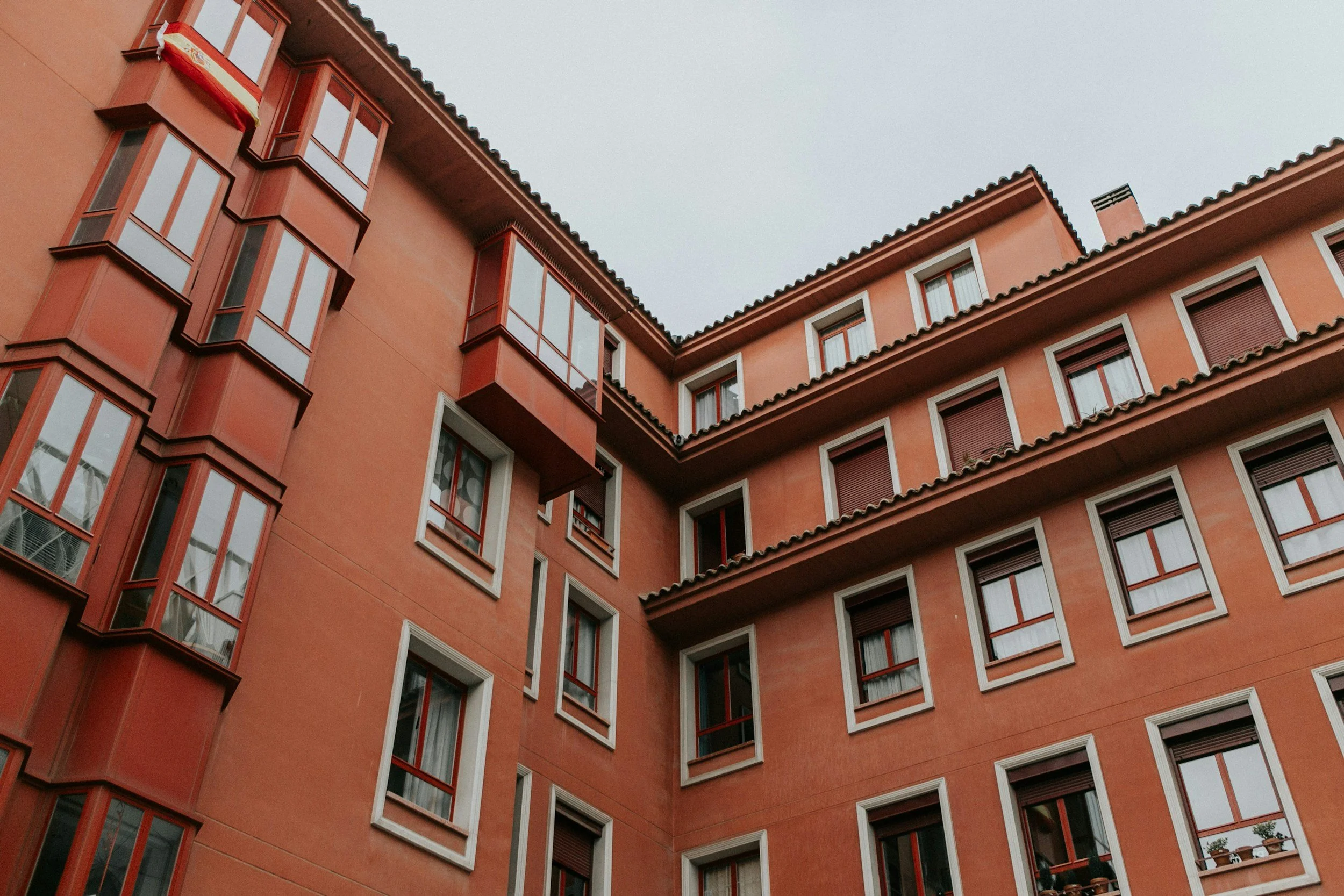
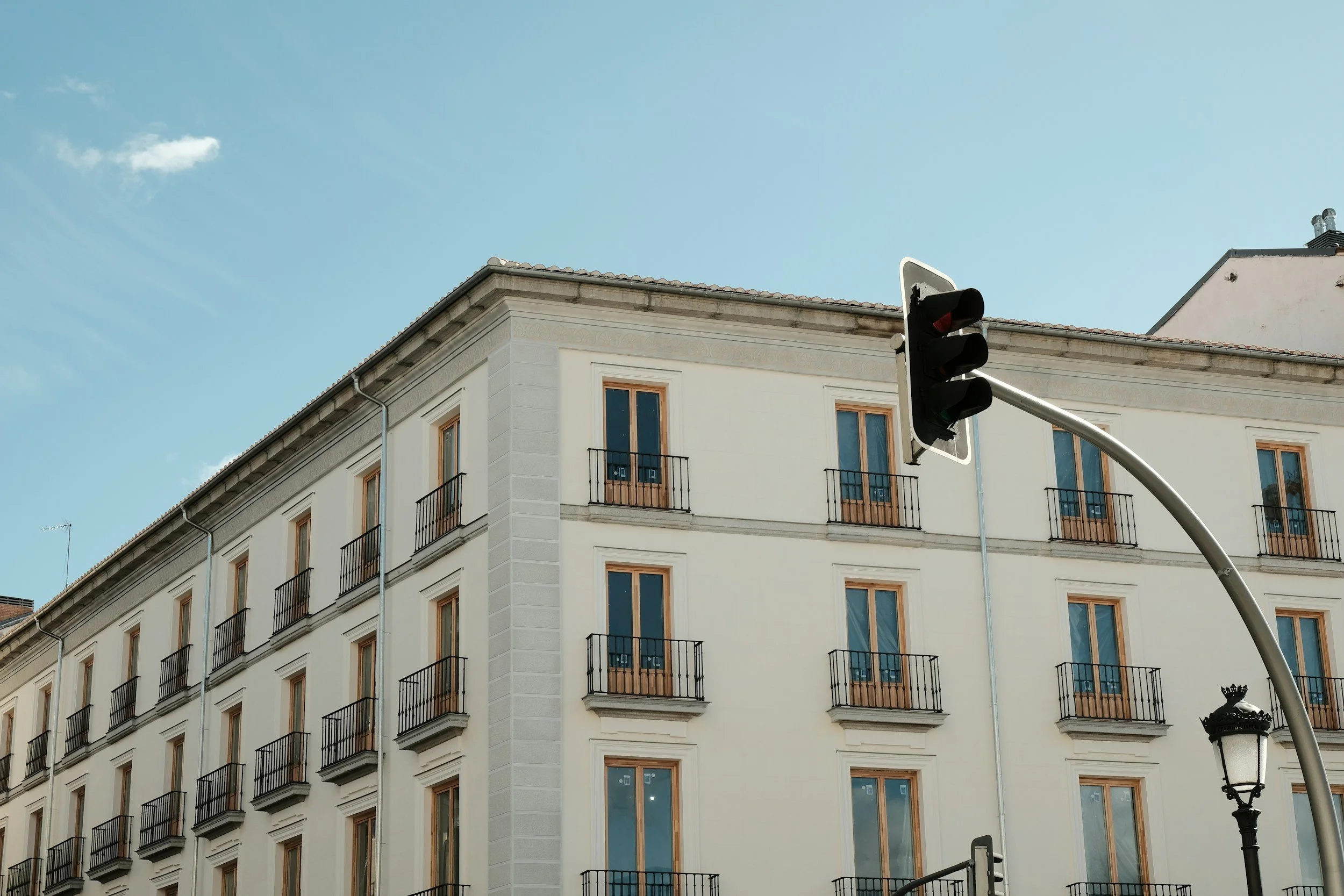
Housing is the single largest expense for most residents and the area where expectations most often clash with reality.
In Málaga city, long-term rental prices have risen sharply over the last few years. A one-bedroom apartment in a central or well-connected neighborhood typically costs between €850 and €1,200 per month, depending on size, condition, and proximity to the historic center or the coast. Many newcomers are surprised by these prices, particularly if they’ve been influenced by outdated online estimates — one of the most common misconceptions covered in Hidden Costs of Moving to Spain.
Outside the city center, prices are lower but still elevated compared to previous years. In areas such as Teatinos or parts of Carretera de Cádiz, one-bedroom apartments usually range between €700 and €950. Coastal neighborhoods like El Palo or Pedregalejo often cost more due to sustained demand and limited long-term rental supply.
Two-bedroom apartments suitable for couples or small families typically range from €1,100 to €1,600, with newer builds or renovated properties at the upper end.
Across Spain, housing costs vary dramatically depending on location:
Madrid and Barcelona remain the most expensive cities, often exceeding Málaga prices
Valencia, Alicante, and Seville are slightly more affordable, though rising demand is pushing prices up
Smaller inland cities and rural areas can offer rents 30–40% lower, but with trade-offs in employment opportunities and services
In addition to monthly rent, tenants should budget for deposits, potential agency fees, and setup costs — an area many expats underestimate when relocating, as explained in Renting in Spain: What Expats Need to Know.
Utilities and household expenses
Utilities in Spain are moderate but unpredictable, particularly electricity.
For a one-bedroom apartment in Málaga, average monthly costs are:
Electricity: €50–90, rising significantly in summer due to air conditioning
Water: €15–25
Gas (where applicable): €20–40
Internet and mobile plans: €40–60
A realistic combined monthly estimate is €100–150, though this can increase during heatwaves — something many new arrivals don’t anticipate before their first Andalusian summer.
Understanding how utilities work is especially important for those arriving on longer-term visas, such as the Non-Lucrative Visa, where proof of financial sustainability is required. We break down these requirements more thoroughly in the Spain Digital Nomad Visa Guide and Spain’s Non-Lucrative Visa: part of our series on how to obtain a visa in Spain.
Food and groceries
Groceries in Spain remain one of the more affordable aspects of daily life, especially when shopping locally.
A realistic grocery budget for one person in Málaga ranges from €250 to €350 per month, while couples typically spend €400–550. Shopping at Spanish supermarkets such as Mercadona, Lidl, or Carrefour helps keep costs manageable, while imported or specialty products quickly increase spending.
Eating out, long considered one of Spain’s lifestyle perks, has become noticeably more expensive but remains accessible:
Menu del día lunches usually cost €10–15
Casual dinners range from €15–25 per person
Mid-range restaurants often cost €25–40 per person
Someone who eats out occasionally should budget €150–250 per month. Frequent dining out can easily double that amount — a reality often overlooked when planning a move based on short-term visits.
Transportation costs
Málaga is a compact, walkable city with reliable public transport.
Monthly transportation expenses typically include:
Public transport passes ranging from €20–40, depending on age and eligibility
Occasional taxis or ride-hailing services, averaging €5–15 per trip
Owning a car increases monthly costs considerably. Fuel, insurance, parking, and maintenance usually add €150–250 per month, excluding the purchase price. For many expats living centrally, public transport combined with walking is sufficient — especially those working remotely, as discussed in Working Remotely in Spain: What Expats Should Know.
Healthcare expenses
Healthcare costs in Spain depend largely on visa type and employment status.
Private health insurance, required for many residency visas, generally costs €50–80 per month for a healthy adult. Older residents or those needing broader coverage should expect higher premiums.
Once employed or registered as self-employed, contributions to Seguridad Social grant access to Spain’s public healthcare system. Many expats choose to maintain private insurance alongside public coverage during their first years in Spain, particularly while navigating bureaucracy — a topic we cover in Healthcare in Spain for Expats.
Work, income, and financial reality
While Málaga’s cost of living is moderate by European standards, Spanish salaries are relatively low.
Average net salaries in Málaga typically range between €1,300 and €1,600 per month, making rising housing costs a challenge for locals and expats alike. This gap between income and expenses explains why many international residents rely on remote work, foreign pensions, or savings.
If you’re planning to work remotely or live on foreign income, it’s crucial to understand how this affects both budgeting and residency compliance — something we break down step by step in our extensive visa guides series.
A realistic monthly budget for Málaga
For a single person living comfortably but not extravagantly in Málaga, a realistic monthly budget looks like this:
Rent (1-bedroom): €900–1,100
Utilities and internet: €120
Groceries: €300
Eating out and leisure: €200
Transport: €40
Healthcare: €60
This brings total monthly costs to approximately €1,600–1,900.
Couples should budget €2,600–3,200, depending on housing and lifestyle choices.
Is Málaga affordable long term?
Málaga offers a strong balance of climate, infrastructure, healthcare, and lifestyle, but it is no longer a low-cost destination. The city remains affordable for those with stable income streams aligned to international markets, but realistic budgeting is essential.
Those considering relocation should factor in not just monthly expenses, but also setup costs, administrative fees, and long-term sustainability — particularly for visas that require proof of sufficient funds, such as those discussed in Moving to Spain: Is It Worth It?

Frequently Asked Questions About the Cost of Living in Spain
-
Málaga is no longer one of the cheapest cities in Spain, especially when it comes to housing. While groceries, public transport, and healthcare remain affordable, rental prices in Málaga have increased significantly due to tourism, remote work, and international demand. Compared to Madrid or Barcelona, Málaga is still more affordable, but it is more expensive than many inland or lesser-known Spanish cities.
-
A single person living comfortably in Málaga should budget between €1,600 and €1,900 per month, including rent, utilities, food, transport, and healthcare. Couples typically need €2,600 to €3,200 depending on lifestyle and housing choices. These figures align with long-term living rather than short stays or tourist budgets.
-
Spain remains affordable compared to many Northern European countries, but it is no longer “cheap” in major cities. Rising rents, stricter visa requirements, and increased demand mean that financial planning is more important than ever. This is why many expats rely on remote income, savings, or pensions — something explored in more detail in How to Move to Spain in 2026.
-
Groceries are relatively affordable, especially when shopping at Spanish supermarkets and local markets. A realistic grocery budget ranges from €250 to €350 per month for one person. Eating out is still accessible, with lunch menus starting around €10, but regular restaurant dining can quickly add up if not budgeted carefully.
-
The most commonly overlooked costs include rental deposits, agency fees, fluctuating electricity bills, private health insurance, and administrative expenses related to residency. Many expats underestimate these during planning, which is why we break them down in detail in many different blog articles.
-
Living comfortably in Málaga on a local Spanish salary can be challenging, particularly for renters. Average net salaries often do not align with current rental prices, which is why many residents share accommodation or live outside city centers. Expats working remotely or earning foreign income generally find the cost of living more manageable.
-
Málaga offers a strong quality of life, excellent healthcare, good transport, and year-round mild weather. However, long-term affordability depends on stable income and realistic expectations. Expats who plan ahead, understand bureaucracy, and budget carefully tend to have the most sustainable experience, as discussed in Living in Málaga as an Expat.
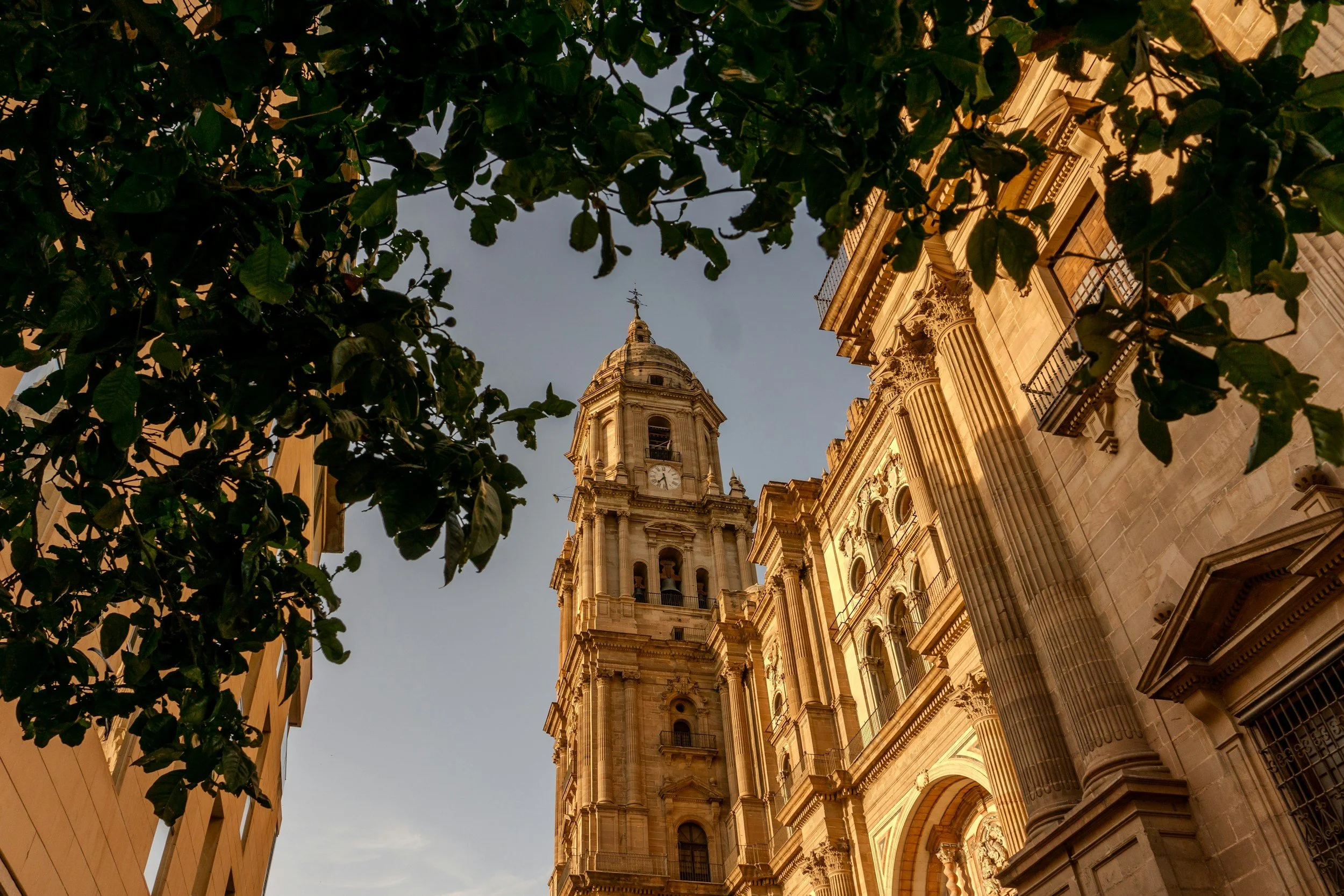
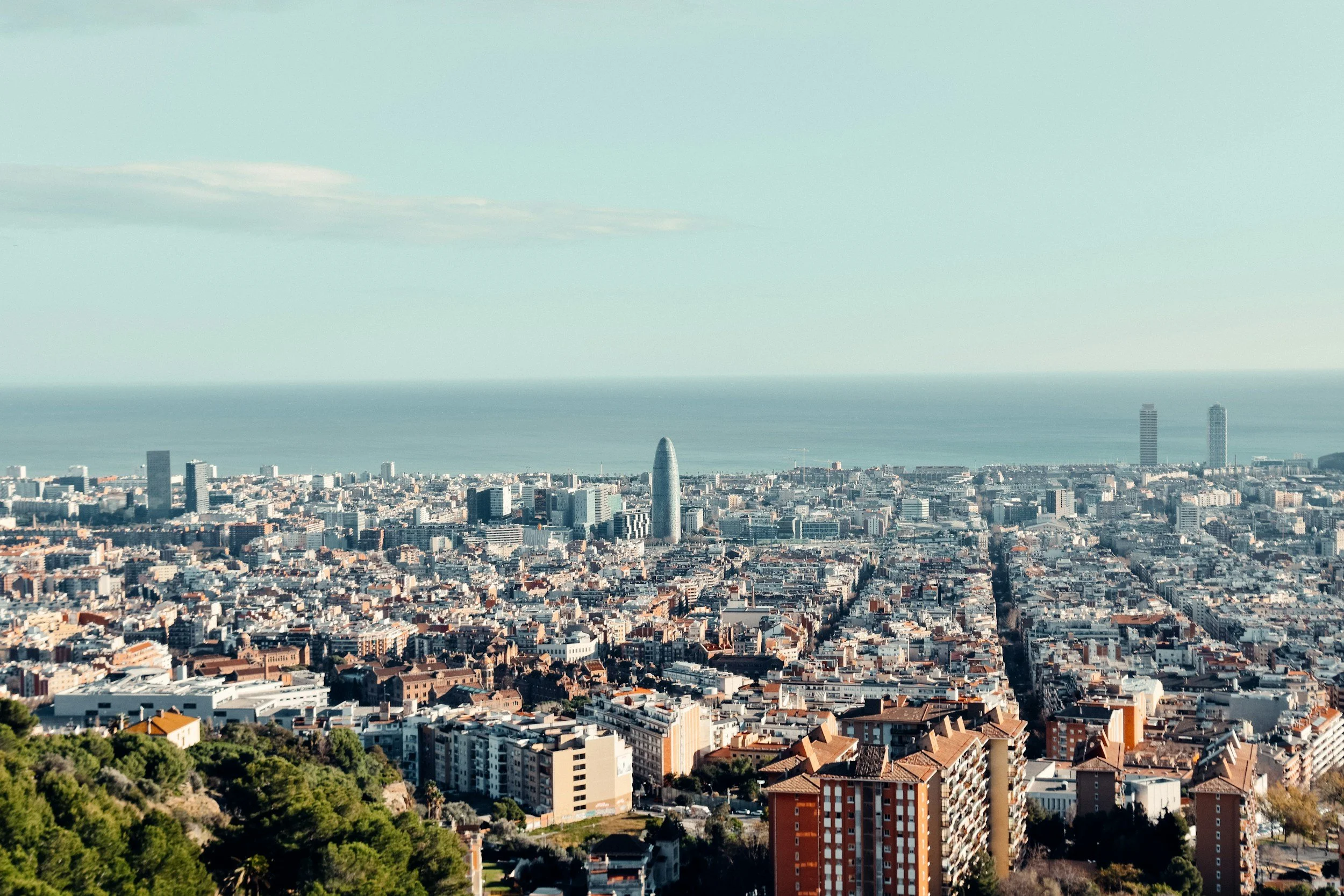
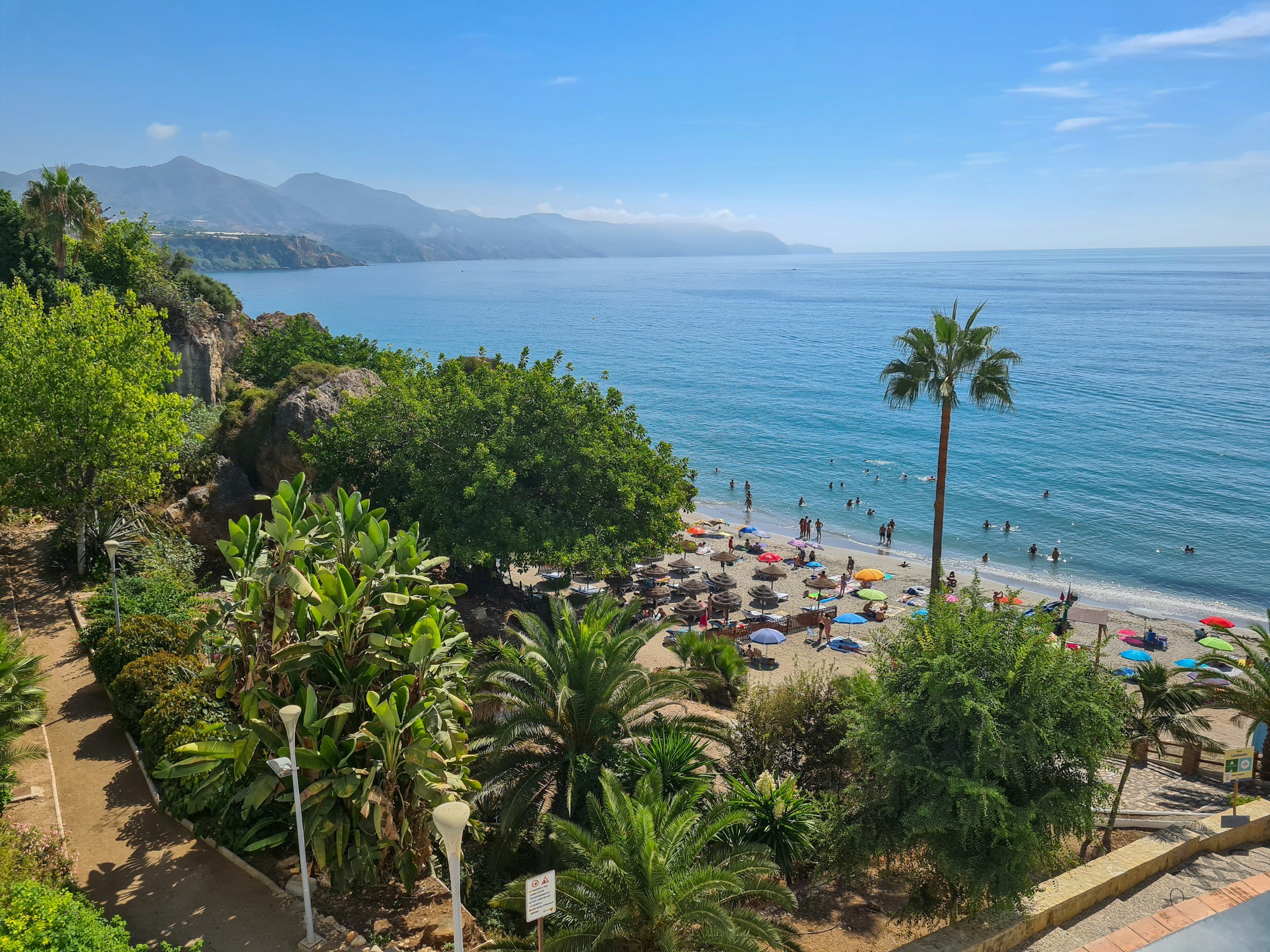












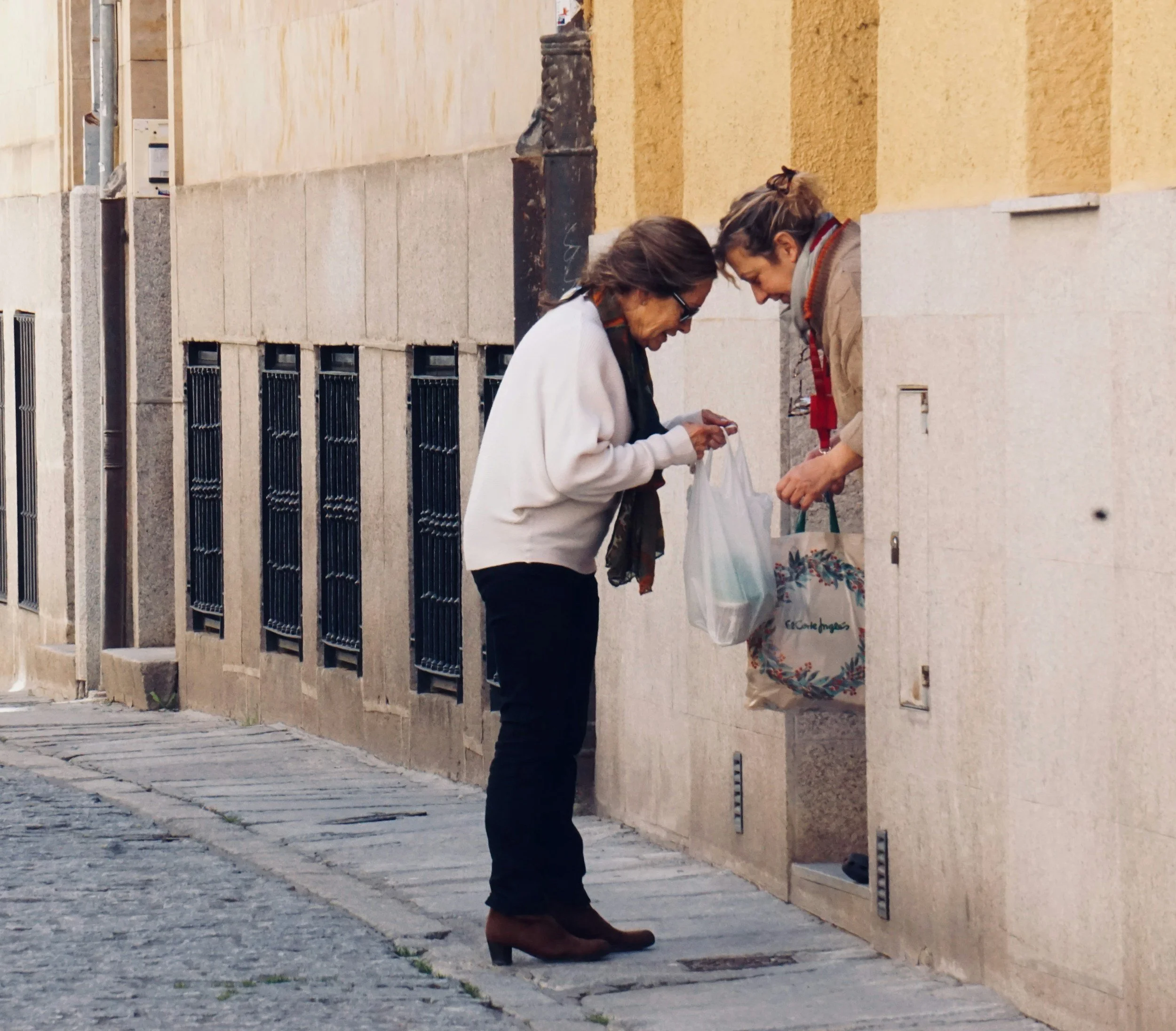





Moving to Spain comes with plenty of lessons you can only learn through experience. If I were starting again, I'd approach certain things differently; from choosing where to live and budgeting realistically to finding a rental, learning Spanish and building a social life. Here are eight things I'd want to know before making the move, especially if Málaga is on your radar.