Daily Life in Spain: What It Actually Feels Like
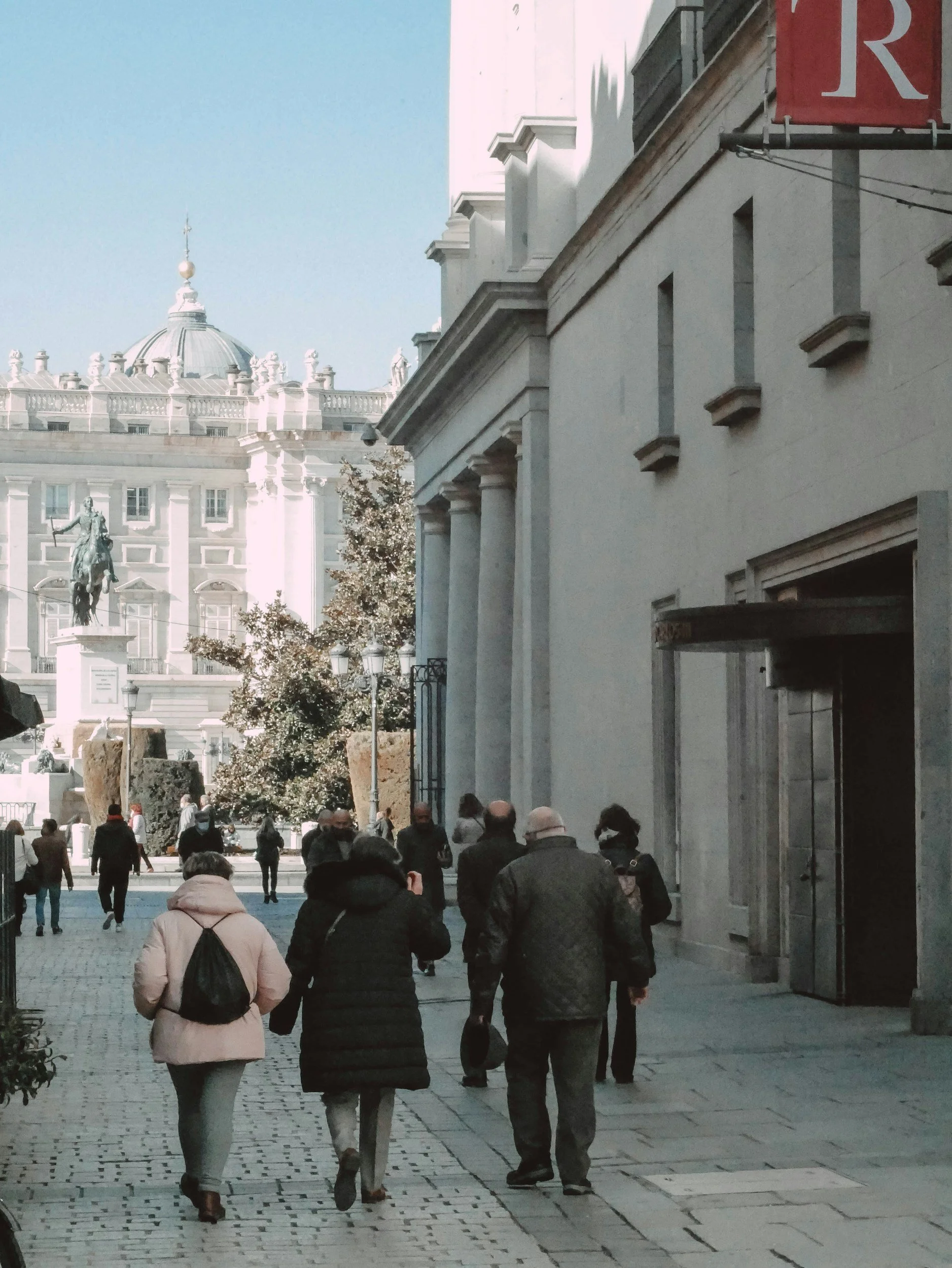
There’s a version of life in Spain that gets advertised everywhere.
Long lunches in the sun. Coffee in busy plazas. Evenings that stretch late into the night. A slower, more relaxed way of living.
And while that version exists, it’s only part of the picture.
Daily life in Spain isn’t just about the highlights, it’s about the routines, the small habits, the way your days actually unfold once the novelty wears off. It’s what determines whether you feel settled here or just temporarily passing through.
If you’ve already gone through the process of relocating, you’ll recognise this shift. It’s something we touched on when talking about the realities of moving abroad—how the experience changes once you move past the initial excitement and start building something more stable.
The rhythm of the day (and how long it takes to adjust)
One of the first things you notice is that the structure of the day feels different.
Mornings tend to start slower. Shops open later than you might expect. Lunch is the main meal, often stretching well past what many people are used to. And evenings start late—really late.
At first, it can feel slightly out of sync.
You might find yourself eating too early, showing up to empty restaurants, or feeling like the day never quite lines up with your usual routine. But over time, you start adjusting. Your schedule shifts without you forcing it.
And eventually, what once felt unfamiliar starts to feel normal.
It’s slower—but not always in the way you expect
Spain is often described as “slow living.”
In some ways, that’s true. There’s less urgency around everyday life. People take their time with meals, conversations, and social plans.
But in other ways, things can feel surprisingly slow for different reasons—especially when it comes to administration, paperwork, or anything official.
This contrast is something most people only fully understand once they’re living here. It also ties into many of the challenges we covered in our guide the First 90 Days After Moving to Spain, where expectations around efficiency often need to be adjusted early on.
The key is learning where to slow down, and where to be patient.
The café culture that shapes everything
Cafés in Spain aren’t just places to grab a coffee.
They’re part of the structure of daily life.
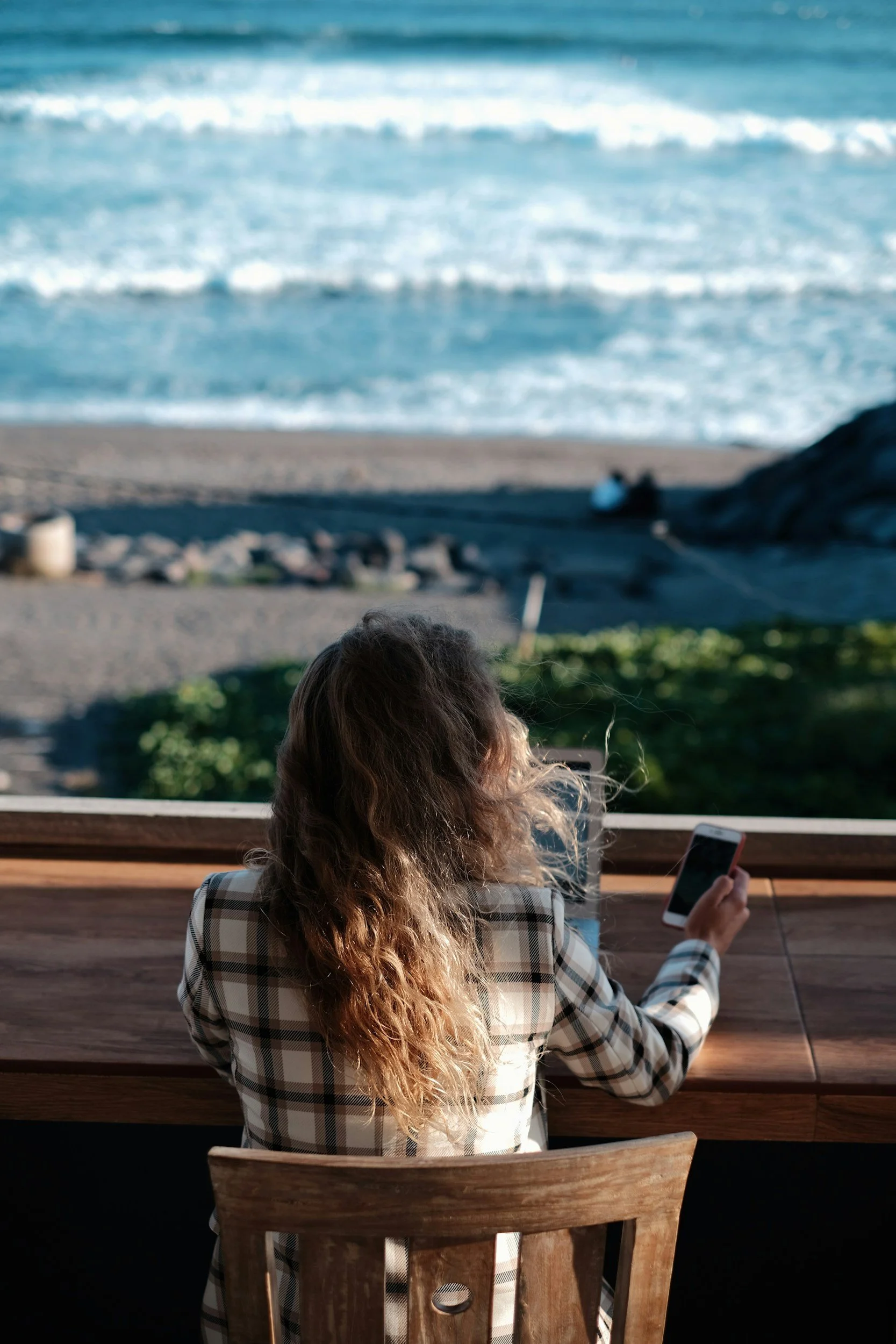
Mornings often start with a quick coffee at the bar. Mid-morning breaks are common. Afternoons stretch into casual meetups. Even working remotely from a café becomes part of the rhythm for many people.
It’s one of the easiest ways to feel connected to your surroundings without needing a plan.
Over time, you start recognising familiar faces. The same barista. The same people passing through. It’s a subtle but important part of feeling integrated.
Social life is built into the everyday
One of the biggest differences in Spain is that social life isn’t something separate from daily life, it’s built into it.
People meet frequently, often spontaneously. Plans don’t always need to be scheduled far in advance. A quick message can turn into a drink, which turns into dinner, which turns into a full evening.
This can feel refreshing, but it also requires a shift in mindset.
If you’re used to planning everything ahead of time, it can take a while to adjust. But once you do, it becomes one of the most enjoyable parts of living here.
It’s also closely connected to building your social circle. The more integrated you become, the more these spontaneous moments start to happen naturally, something we explored in more depth in our article about Building a Social Network in Spain.
Work, flexibility, and daily structure
Your experience of daily life in Spain will depend a lot on how you work.
If you’re employed locally, your schedule may follow more traditional Spanish hours, including longer lunch breaks and later finishes.
If you’re working remotely or freelancing, you have more flexibility, but also more responsibility to create your own structure.
This is where many people struggle at first.
Without a fixed routine, it’s easy for days to feel unstructured. Work can blur into personal time. Social plans can feel inconsistent.
Creating your own rhythm becomes essential. It’s something we went deeper into in our article on freelancing in Spain, where daily structure plays a big role in overall quality of life.
The practical side: errands, shopping, and daily tasks
Daily life isn’t just about the enjoyable parts.
It’s also about the practical side; grocery shopping, appointments, errands, dealing with paperwork.
And this is where Spain can feel both simple and complicated at the same time.
Local markets, small shops, and walkable neighbourhoods make everyday errands feel more human and less rushed. At the same time, opening hours can be inconsistent, and processes aren’t always as streamlined as you might expect.
Learning how things work locally takes time.
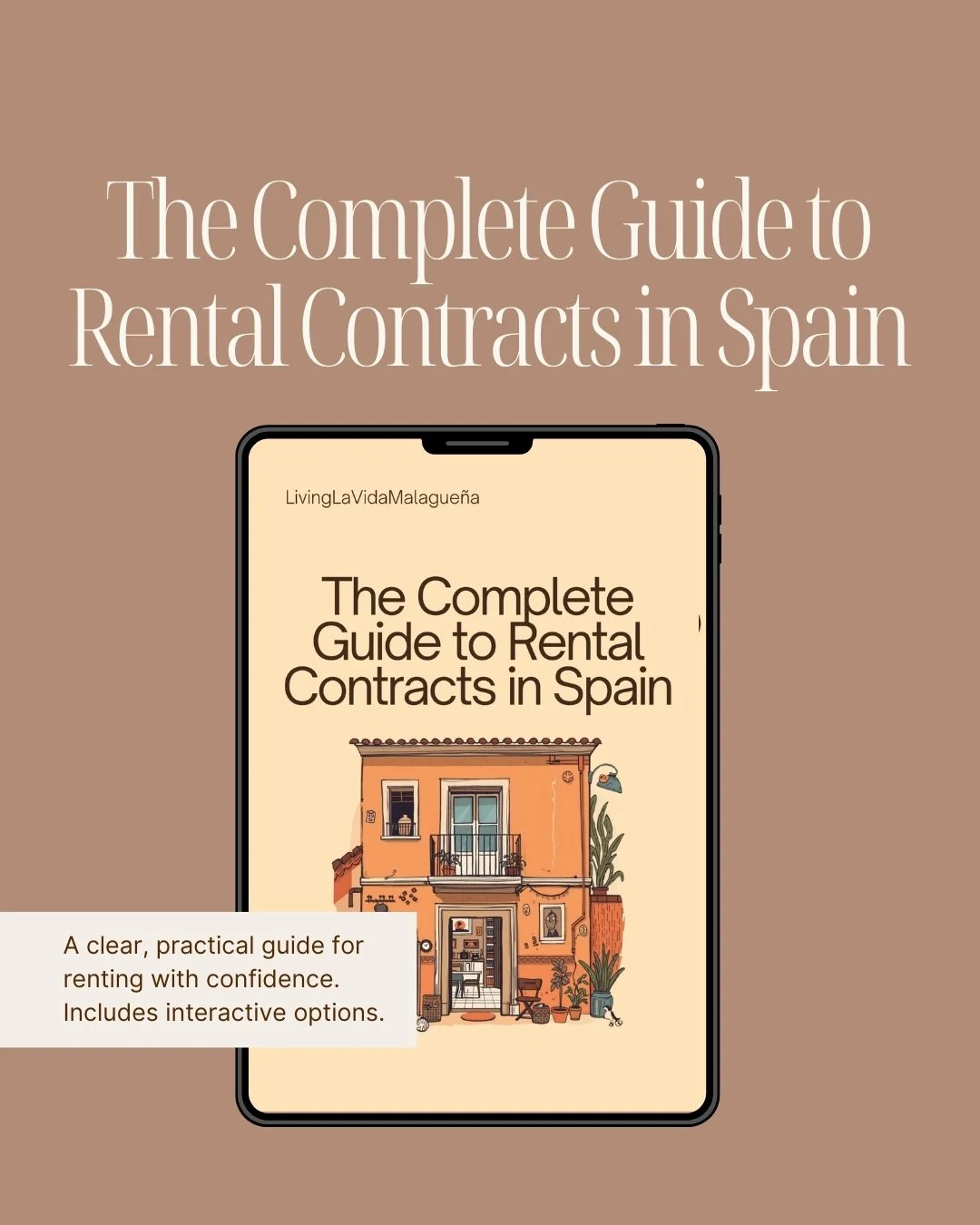
If you’re still in the process of settling in, finding the right neighbourhood, navigating contracts, understanding the rental market, this phase can feel especially noticeable. It’s something we covered in more detail in our guide to Rental Contracts in Spain, where the day-to-day realities don’t always match expectations.
Food, meals, and how they shape your day
Food plays a central role in daily life in Spain.
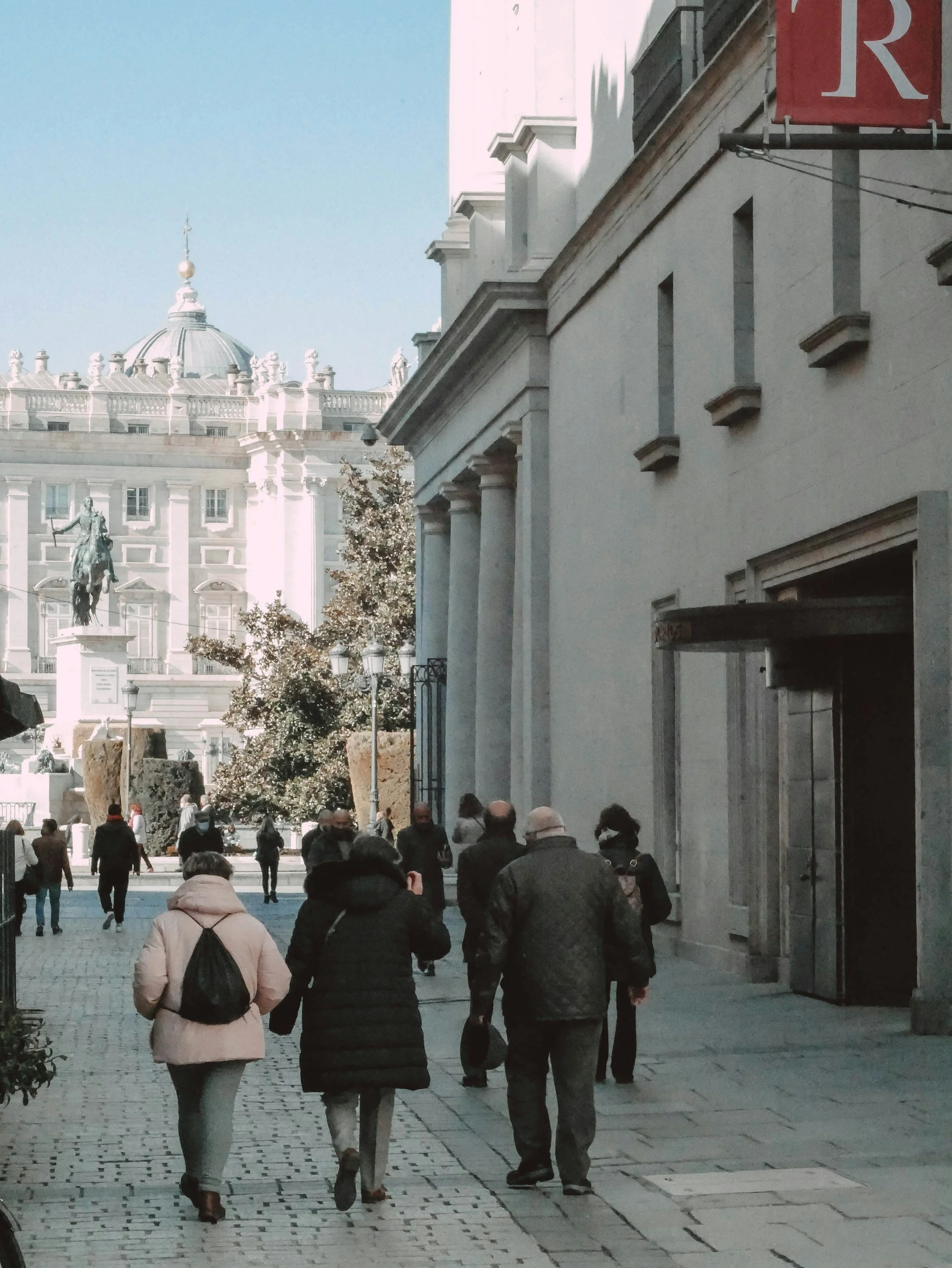
Lunch is typically the main meal of the day. It’s often eaten later, around 2–3 pm, and can be a longer, more social experience, especially on weekends.
Dinner is lighter and much later than in many other countries.
At first, this can feel like a small detail. But over time, it reshapes your entire day. Your work schedule, your social plans, even your energy levels start to adjust around it.
It’s one of those changes that happens gradually, without you noticing.
The small things that make a big difference
It’s often the smaller details that define daily life here.
Walking instead of driving. Running into people you know. Spending more time outside. Having regular spots you return to.
These things don’t stand out at first, but they are what create a sense of familiarity.
And familiarity is what turns a place into something that feels like home.
When things start to feel settled
There’s usually a moment where daily life stops feeling new.
Not in a negative way, but in a grounded way.
You have your routines. Your preferred places. Your go-to contacts. You’re no longer figuring everything out — you’re just living.
That’s when the experience shifts.
It’s also when many people realise that the challenges at the beginning, the adjustment period, the uncertainty, were part of the process.
Making daily life work for you
One of the most important things to understand is that there isn’t one “correct” way to live in Spain.
Some people fully adapt to local schedules. Others create a hybrid lifestyle that blends their previous routines with what works here.
The key is finding what fits you. If you are still in the process of figuring out the move, or what fits you, you might be interested in a one-on-one consultation. Be sure to read more about it here.
If you try to force yourself into a lifestyle that doesn’t suit you, it can feel frustrating. If you adapt gradually and intentionally, it becomes much more natural.
Bringing it all together
Daily life in Spain isn’t just about the lifestyle you see online.
It’s about the routines you build, the habits you form, and how you navigate both the enjoyable and practical sides of living here.
Once those pieces fall into place, everything else starts to feel easier.
And that’s usually when Spain stops feeling like a place you moved to, and starts feeling like a place you live.
Want to make your transition smoother?
If you’re still figuring out the practical side of life here—or want to avoid some of the common mistakes—these resources will help you settle in faster:
Our Personalised Consult helps you navigate your move to Spain by breaking down everything you need to know before and after arriving
The Spain Job Search Starter Pack helps you navigate opportunities and build connections locally
Our Digital Nomad Visa Guide walks you through obtain your residency for Spain to create a flexible lifestyle while staying structured
Each one is designed to make daily life feel less overwhelming—and help you build something sustainable here.
Final thoughts
Daily life in Spain is less about big moments and more about small, consistent ones.
It’s the morning coffee. The familiar walk. The conversations that happen without planning.
At first, it can feel like you’re adjusting to everything.
But over time, everything adjusts around you too.
And that’s when it starts to feel natural.
Frequently Asked Questions about Daily Life in Spain
-
Days usually start later, with lunch being the main meal in the afternoon and social activities happening in the evening. The exact routine depends on your work and lifestyle.
-
In many ways, yes—especially socially. But administrative processes and bureaucracy can feel slower and require patience.
-
Some smaller shops still close in the afternoon, especially in smaller towns, although this is less common in bigger cities.
-
It depends on the city and your lifestyle. Daily expenses like food and coffee are often more affordable than in many other European countries.
-
Most people start to feel comfortable within a few months, but full adjustment can take longer as routines develop.







Plan Your Move to Spain with Confidence
Moving to Spain is an exciting new chapter, but it also comes with countless tasks, deadlines, and important decisions. From researching visa options and preparing your paperwork to organising your finances, finding accommodation, and planning your arrival, it's easy to feel overwhelmed before you've even packed your suitcase.
The Moving to Spain Checklist & Relocation Planner has been created to help you stay organised throughout the entire relocation process. Instead of managing multiple lists, scattered notes, and endless browser tabs, you'll have one structured planner that guides you through every stage of your move.
Whether you're relocating in a few weeks or simply starting to plan your future in Spain, this practical digital guide provides a clear roadmap to help you stay on track and avoid missing important steps along the way.
Designed by Living La Vida Malagueña, this planner is based on real relocation experience and is intended to simplify the planning process, giving you more confidence as you prepare for your new life in Spain.
What You'll Receive
Your digital planner includes practical checklists and timelines covering every stage of your relocation, including:
Comprehensive Moving to Spain master checklist
Step-by-step relocation timeline
Visa and residency preparation checklist
Financial planning checklist
Accommodation and housing planner
Pre-departure moving checklist
Arrival and settling-in checklist
Printable PDF that can also be completed digitally
Who This Planner Is For
This planner is ideal for:
Anyone planning to move to Spain
First-time expats
Retirees relocating abroad
Digital nomads
Remote workers
Families moving to Spain
Anyone looking for a clear, organised relocation plan
Whether you're moving independently or with your family, this planner helps you approach the process with greater organisation and less stress.
Why You'll Love It
Relocating abroad involves dozens of moving parts, and it's surprisingly easy to overlook important tasks.
This planner has been designed to keep everything together in one place, helping you:
Stay organised throughout your move
Reduce last-minute stress
Keep track of important deadlines
Plan your relocation step by step
Feel more confident during every stage of the process
Simple, practical, and easy to use, you can either print the planner or complete it digitally—whatever works best for your planning style.
Instant Digital Download
This is a digital product.
No physical item will be shipped.
Once your purchase is complete, you'll receive immediate access to download your planner so you can start organising your move straight away.
Please Note
This planner has been created for educational and organisational purposes only.
It does not constitute legal, immigration, tax, or financial advice. Visa regulations and residency requirements can change, so you should always confirm the latest information with the relevant Spanish authorities before making important decisions.
Looking for Personalised Help?
If you'd like tailored advice based on your own relocation plans, you can also book a 45-minute private consultationthrough Living La Vida Malagueña.
Together we'll discuss your situation, answer your questions, and create a personalised action plan to help make your move to Spain smoother and more straightforward.