How to Make Friends in Spain (When You’re New, Out of Place, and Starting From Zero)
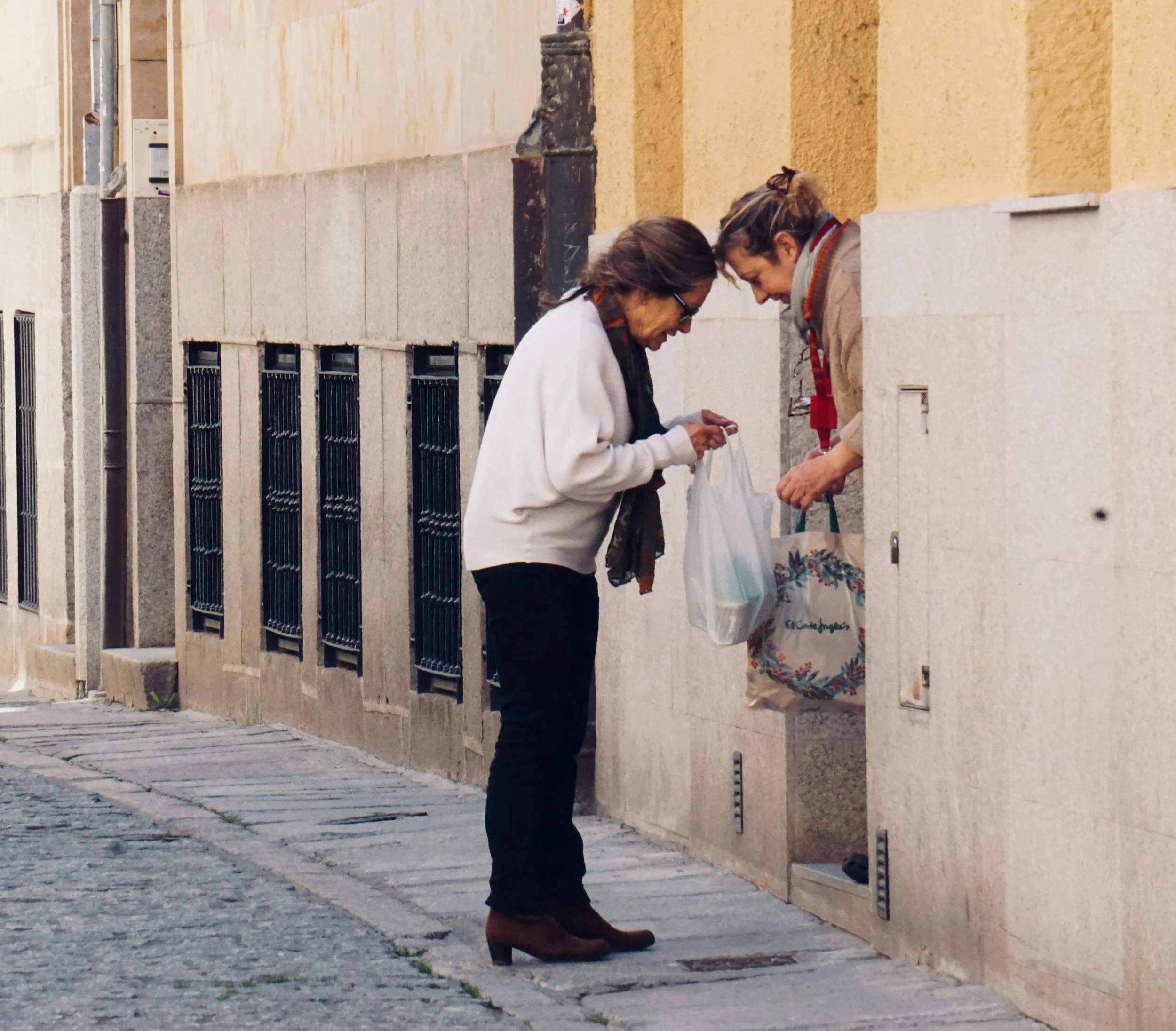
Nobody really prepares you for the quiet loneliness that can come with moving to Spain.
From the outside, life here looks effortlessly social. Streets are full, terraces spill over, conversations are loud and animated. It feels like a country where connection should happen naturally — where friendships form over coffee, wine, and shared plates without much effort.
And yet, many people arrive and find themselves spending weeks, sometimes months, without forming a single meaningful connection.
This disconnect is one of the most common — and least talked about — challenges of life in Spain. Not because Spaniards are closed off, but because friendship here follows different rules. Rules that aren’t written down, rarely explained, and often misunderstood by newcomers.
This guide is about how friendships actually form in Spain, why it can take longer than expected, and what most people only understand once they’ve been here a while.
The First Culture Shock: Warmth Is Not the Same as Friendship
One of the earliest surprises people experience is confusing friendliness with availability.
In Spain, people are warm by default. Neighbours greet you. Shop owners chat. Strangers will happily give directions, opinions, and advice. This openness can feel like an invitation — but it isn’t always one.
Friendship in Spain tends to be earned through consistency, not enthusiasm. Many Spaniards already have close-knit social circles formed over decades. These relationships are deep, loyal, and time-heavy — and they don’t expand quickly.
This often leads newcomers to feel stuck in a social limbo: lots of pleasant interactions, very few follow-ups.
If this feels familiar, it’s worth revisiting our Spanish Culture Shocks!!!!!! article, where this exact mismatch of expectations comes up again and again.
Why Repetition Matters More Than First Impressions
In many cultures, making friends is about a strong first connection. In Spain, it’s about showing up again — and again — and again.
The same café. The same gym class. The same school gate. The same dog-walking route.
Friendships grow slowly through familiarity. People observe you before they include you. They want to know you’re staying, not just passing through.
Emma, who moved to Valencia on a non-lucrative visa, put it like this:
“I didn’t make a single friend for months. Then suddenly, after going to the same yoga class every week, people started asking me to stay for coffee. It felt invisible at first — and then very real.”
This slow build can feel discouraging, but it also leads to friendships that tend to last.
Language Isn’t a Barrier — Avoidance Is
You don’t need fluent Spanish to make friends, but you do need to be willing to sound imperfect.
Many newcomers isolate themselves unintentionally by waiting until their Spanish is “good enough.” In reality, most connections start when you stop trying to speak correctly and start speaking bravely.
Even basic Spanish signals effort, respect, and intention. It tells people you’re invested in life here — which matters far more than grammar.
This is also why so many people find that social life improves dramatically after handling the practical foundations of living in Spain. Once things like your NIE, padrón, and residency paperwork are sorted, mental space opens up. If you’re still navigating those steps, our NIE Explained and Padrón Explained articles can help remove some of that background stress. Or, purchase our NIE + Padrón Step-by-Step Toolkit, if you are looking for further guidance.
Expat Friends Are Not a Failure
There’s a strange pressure placed on newcomers to “integrate properly,” often interpreted as making only local friends. This expectation can be damaging.
Expat friendships serve a crucial role, especially in the early stages. They offer understanding, shared context, and emotional validation. They’re often where people first admit they’re struggling — something they may hesitate to do with locals.
Over time, many people naturally expand into mixed social circles. But trying to skip the expat phase entirely often leads to isolation instead.
The most stable social lives in Spain usually include:
People who understand your past
People who anchor you in your present
Both matter.
Making Friends as a Solo Mover
Moving to Spain alone amplifies everything — freedom, excitement, and loneliness.
Without built-in connections through a partner or family, solo movers often feel pressure to “get it right” socially, quickly. When that doesn’t happen, self-doubt creeps in.
What helps most is structure. Regular activities with low pressure and recurring faces tend to work better than one-off events. Language exchanges, volunteering, fitness classes, coworking spaces, and walking groups are particularly effective.
Solo movers also benefit from pacing themselves socially. Trying to build an entire support network in the first few months is exhausting. Spain rewards patience far more than urgency.
Making Friends as a Family in Spain
Families face a different challenge: being surrounded by people, yet still feeling isolated.
Schools are often the primary gateway to social life — but friendships between parents develop slowly. Polite chats at pickup can take months to turn into real connections.
Children, on the other hand, usually integrate faster. Birthday parties, extracurricular activities, and shared routines eventually pull parents into wider circles — but it takes time.
Many families feel relief once the practical side of moving is stabilised. If you’re still in that phase, the First 90 Days After Moving to Spain planner was designed specifically to reduce overwhelm so families have the emotional bandwidth to build community.
Why Saying Yes Matters (Even When Plans Feel Vague)
Social plans in Spain can feel frustratingly undefined. “We’ll see,” “maybe later,” or same-day invitations are common.
This flexibility is cultural, not personal.
People who struggle socially often do so because they wait for clarity before committing. Those who adapt learn to say yes more easily — even when details are loose.
Showing up matters more than planning.
The Quiet Middle Phase No One Warns You About
There’s a stage most people hit — usually after the excitement fades — where Spain feels neither new nor familiar. You’re functioning, but not connected. Capable, but not rooted.
This phase is emotionally heavy and deeply normal.
It’s also the point where many people question their decision to move. If this resonates, it may help to read What I Wish I Knew Before I Moved to Spain!!!!!!, where this exact emotional dip is explored in detail.
Most people don’t “break through” socially in a dramatic way. It happens quietly. One invite. One shared routine. One moment where you realise you’re no longer alone.
Friendship in Spain Is Slower — and That’s the Point
Spain doesn’t offer instant belonging. What it offers is something steadier.
Once friendships form, they tend to be loyal, long-lasting, and deeply woven into daily life. You’re not constantly networking. You’re just… included.
Making friends in Spain isn’t about doing more. It’s about staying, showing up, and letting time do its work.
And eventually, often when you stop measuring progress, you find yourself exactly where you hoped you’d be.
Frequently Asked Questions: Making Friends in Spain
-
Making friends in Spain as a foreigner can feel difficult at first, mainly because friendships form slowly. Spaniards are friendly but tend to build relationships through repeated contact over time. Once trust and familiarity develop, friendships often become deep and long-lasting.
-
For most people, it takes several months to begin forming meaningful friendships in Spain. Many expats notice real social connections developing between six and twelve months after arrival, once routines, language confidence, and regular social spaces are established.
-
You do not need to be fluent in Spanish to make friends in Spain, but making an effort helps significantly. Even basic Spanish shows commitment and openness, which many locals appreciate. Friendships often grow naturally as language confidence improves over time.
-
Expat groups can make it easier to form friendships quickly, especially in the early stages of living in Spain. These connections often provide emotional support and shared understanding. Many people later expand their social circle to include local friends as well.
-
Families often build friendships through schools, children’s activities, and neighbourhood routines. While parent friendships may develop slowly, regular interactions and shared schedules create opportunities for connection over time. Children usually integrate faster, helping families feel more settled socially.
-
Yes, many solo movers successfully build strong social lives in Spain. Regular activities, language exchanges, coworking spaces, and local classes provide structure and repeated interaction. Social connections often grow gradually as routines become established.

Plan Your Move to Spain with Confidence
Moving to Spain is an exciting new chapter, but it also comes with countless tasks, deadlines, and important decisions. From researching visa options and preparing your paperwork to organising your finances, finding accommodation, and planning your arrival, it's easy to feel overwhelmed before you've even packed your suitcase.
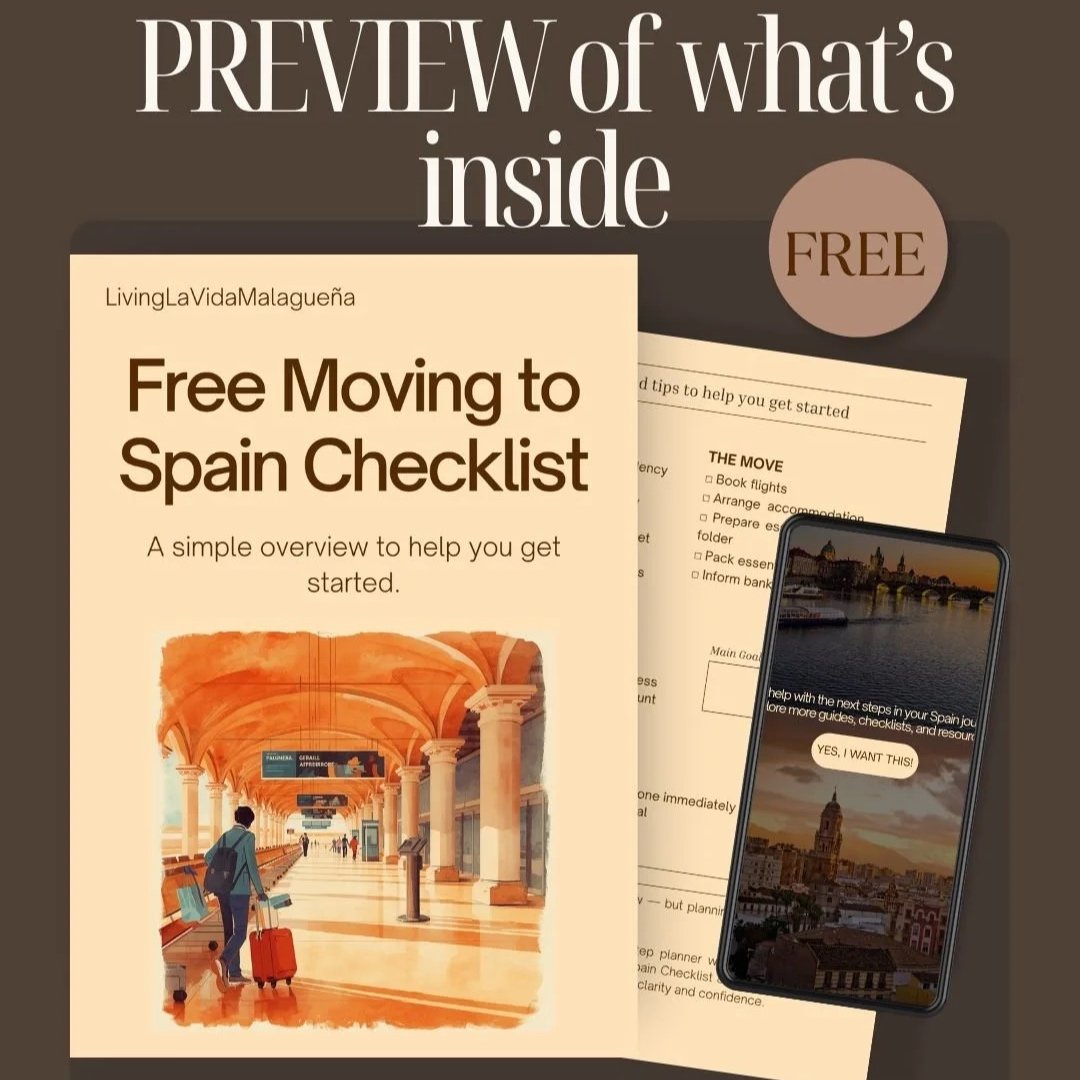
The Moving to Spain Checklist & Relocation Planner has been created to help you stay organised throughout the entire relocation process. Instead of managing multiple lists, scattered notes, and endless browser tabs, you'll have one structured planner that guides you through every stage of your move.
Whether you're relocating in a few weeks or simply starting to plan your future in Spain, this practical digital guide provides a clear roadmap to help you stay on track and avoid missing important steps along the way.
Designed by Living La Vida Malagueña, this planner is based on real relocation experience and is intended to simplify the planning process, giving you more confidence as you prepare for your new life in Spain.
What You'll Receive
Your digital planner includes practical checklists and timelines covering every stage of your relocation, including:
Comprehensive Moving to Spain master checklist
Step-by-step relocation timeline
Visa and residency preparation checklist
Financial planning checklist
Accommodation and housing planner
Pre-departure moving checklist
Arrival and settling-in checklist
Printable PDF that can also be completed digitally
Who This Planner Is For
This planner is ideal for:
Anyone planning to move to Spain
First-time expats
Retirees relocating abroad
Digital nomads
Remote workers
Families moving to Spain
Anyone looking for a clear, organised relocation plan
Whether you're moving independently or with your family, this planner helps you approach the process with greater organisation and less stress.
Why You'll Love It
Relocating abroad involves dozens of moving parts, and it's surprisingly easy to overlook important tasks.
This planner has been designed to keep everything together in one place, helping you:
Stay organised throughout your move
Reduce last-minute stress
Keep track of important deadlines
Plan your relocation step by step
Feel more confident during every stage of the process
Simple, practical, and easy to use, you can either print the planner or complete it digitally—whatever works best for your planning style.
Instant Digital Download
This is a digital product.
No physical item will be shipped.
Once your purchase is complete, you'll receive immediate access to download your planner so you can start organising your move straight away.
Please Note
This planner has been created for educational and organisational purposes only.
It does not constitute legal, immigration, tax, or financial advice. Visa regulations and residency requirements can change, so you should always confirm the latest information with the relevant Spanish authorities before making important decisions.
Looking for Personalised Help?
If you'd like tailored advice based on your own relocation plans, you can also book a 45-minute private consultationthrough Living La Vida Malagueña.
Together we'll discuss your situation, answer your questions, and create a personalised action plan to help make your move to Spain smoother and more straightforward.