Public vs Private Healthcare in Spain: What You Really Need to Know Before Choosing

Healthcare is one of those topics that everyone moving to Spain thinks they understand — until they actually need it. On paper, Spain consistently ranks among the best healthcare systems in Europe. In reality, how that system works for you depends heavily on your visa, your residency status, and which registrations you’ve completed.
Many people arrive believing public healthcare is automatic, or that private insurance is only a temporary inconvenience for visa purposes. Others assume private care is always better, faster, and safer. The truth is far more nuanced — and understanding it early can save you stress, money, and serious administrative headaches.
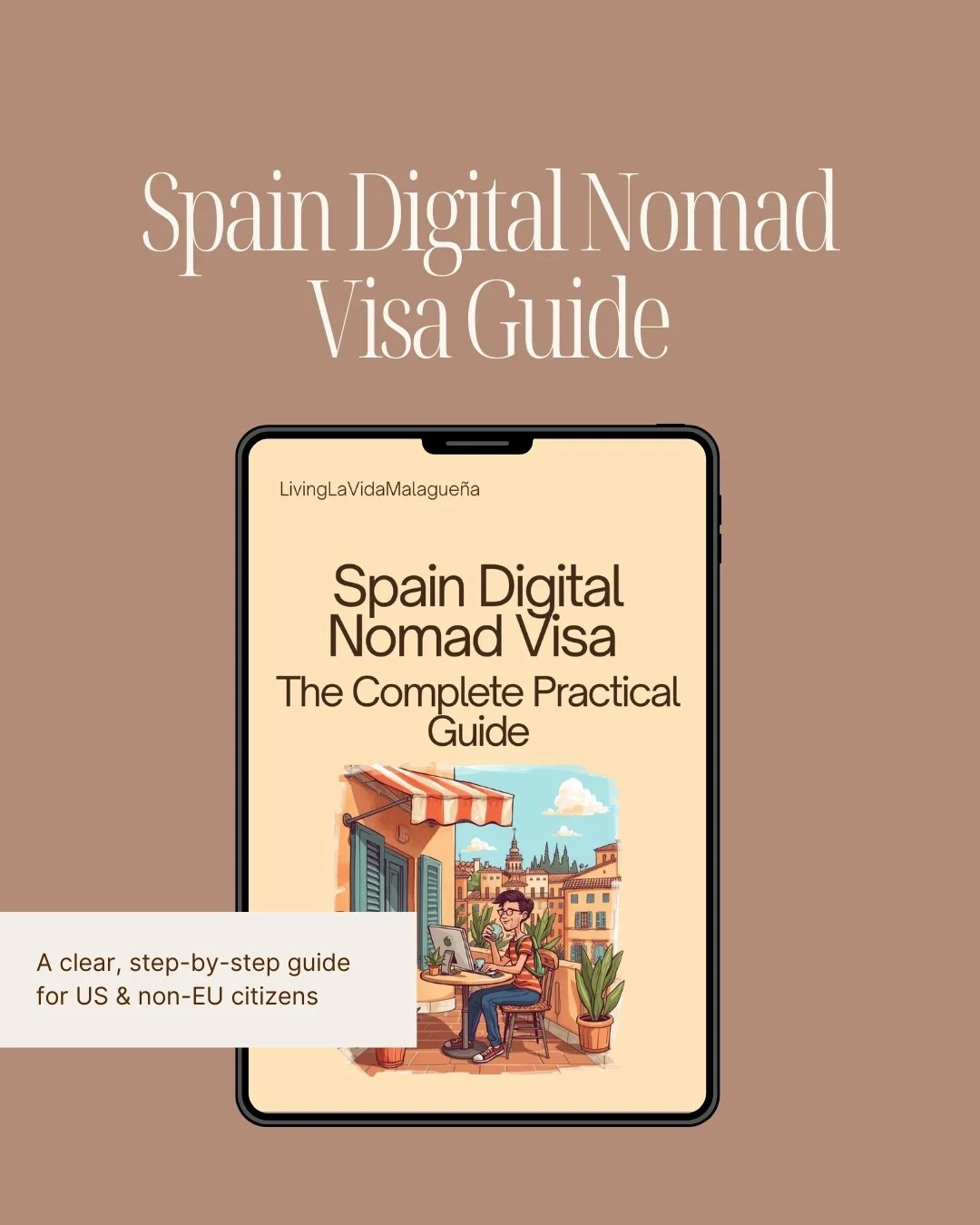
If you are still in the planning stage of your move, this article works best alongside our Spain visa guides, as your healthcare options are directly tied to the type of residency you apply for.
How Healthcare in Spain Is Actually Structured
Spain does not operate on a single healthcare track. Instead, it runs a dual system made up of public healthcare funded through social security and taxes, alongside a large and well-developed private healthcare sector.
The public system, known as the Sistema Nacional de Salud, is managed at a regional level. This means access rules, waiting times, and administrative processes can vary depending on where you live. Someone registered in Málaga may have a slightly different experience from someone living in Barcelona or Valencia.
Private healthcare exists in parallel and is widely used by both Spaniards and expats. Many people move fluidly between the two systems depending on their needs, rather than choosing one permanently.
Understanding this structure is essential, because access to public healthcare is not based on nationality, but on your legal and administrative status in Spain — something many people only realise after arriving.
Public Healthcare in Spain: What It Looks Like in Real Life
Once you qualify for public healthcare, Spain offers extensive coverage. This includes GP visits, specialist care, hospital treatment, maternity services, and emergency care. You access the system using a tarjeta sanitaria, which is issued after you are correctly registered in your region.
The process almost always begins with a family doctor, known as a médico de cabecera. This doctor coordinates your care and refers you to specialists when needed. While this can feel slow if you are used to self-referring, it creates continuity and long-term oversight of your health.
Waiting times are one of the most talked-about drawbacks. Non-urgent appointments can take weeks, and some specialist referrals take longer. However, emergency and serious care are handled quickly and professionally. For long-term conditions or major treatments, public hospitals are often where Spain truly excels.
Many expats report that once they are fully integrated into the public system, their overall healthcare costs drop significantly while the quality of care remains high.
Who Can Access Public Healthcare — and Why Paperwork Matters
Access to public healthcare in Spain is tightly linked to social security contributions and residency registration. This is where many newcomers get stuck.
If you work in Spain and pay into social security — either as an employee or as an autónomo — you generally qualify. Permanent residents and certain dependents also gain access. Students and retirees may qualify under specific conditions.
However, before healthcare is even discussed, you usually need two key registrations: your NIE or TIE and your padrón. Without these, many health centres will not proceed.
If this sounds familiar, the guide NIE + Padrón Step-by-Step Toolkit walks you through these steps in detail, including common mistakes that delay access to services like healthcare.
For those who do not automatically qualify, Spain offers the Convenio Especial, a monthly paid scheme that grants access to the public system. Availability and pricing vary by region, reinforcing how localised the system can be.
What Expats Often Find Challenging About Public Healthcare
Public healthcare in Spain works exceptionally well — but it assumes a level of local knowledge. Appointments, forms, and communications are usually conducted in Spanish, particularly outside major cities. English-speaking services are limited in the public system.
There is also a cultural difference in how care is delivered. Spanish doctors tend to be conservative with medication and prefer monitoring over immediate intervention. If you are interested in more culture shocks, I highly would recommend you the article Spanish Culture Shocks: The Honest, In-Depth Guide Nobody Gives You. This approach is medically sound, but it can surprise newcomers used to faster or more aggressive treatment plans.
These challenges do not mean the system is worse — only different. Understanding this early can reduce frustration and unrealistic expectations.
Private Healthcare in Spain: Why So Many People Start Here
Private healthcare is often the first point of contact for newcomers to Spain, especially during the visa process. Many residency visas — including non-lucrative and digital nomad visas — require comprehensive private health insurance with no co-payments.
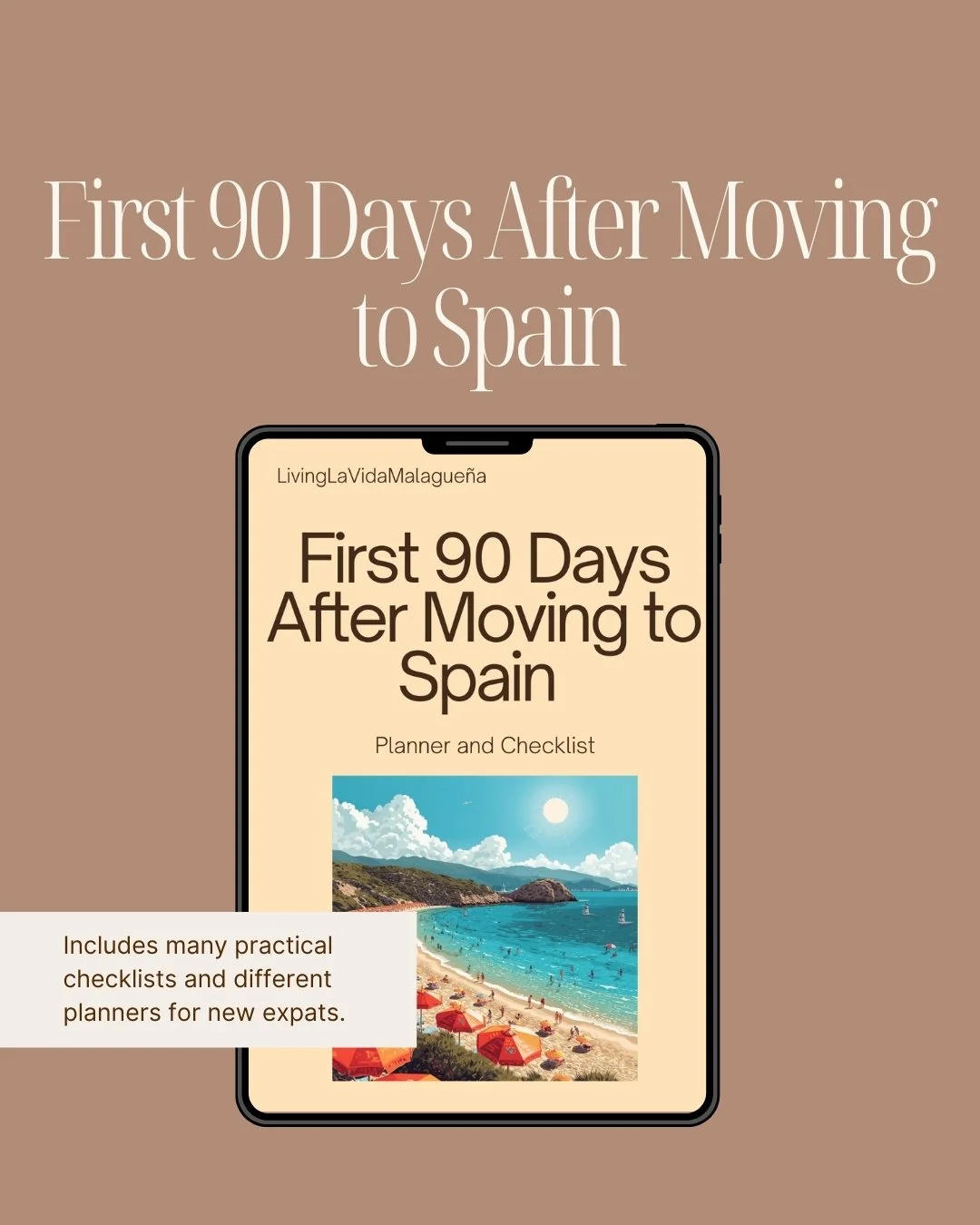
This is why healthcare decisions often start with visas, not doctors. If you’re unsure how this fits into your move, our First 90 Days After Moving to Spain guide breaks down exactly when private insurance is mandatory and how to avoid policies that are rejected by immigration.
Private healthcare offers faster appointments, direct access to specialists, modern clinics, and a higher likelihood of English-speaking staff. For routine care, diagnostics, and peace of mind during your first year, it can feel significantly easier to navigate.
What Private Healthcare Does — and Doesn’t — Cover
Private healthcare excels at speed and convenience, but it is not always ideal for everything. Policies often include exclusions, waiting periods, and limits on long-term or complex treatments.
Major surgeries, chronic conditions, or extended hospital stays are sometimes better handled through the public system once you qualify. This is why many long-term residents keep private insurance for everyday care while relying on public hospitals for serious medical needs.
This blended approach is extremely common in Spain and reflects how locals themselves use the system.
Costs and Long-Term Planning
Public healthcare is funded through social security contributions or taxes, making most services free at the point of use once you are registered. Prescription costs are subsidised and capped based on income and status.
Private healthcare costs vary widely depending on age, coverage, and provider. While often affordable compared to other countries, policies can become more expensive over time and may not be renewable indefinitely.
This makes long-term planning important. Your healthcare setup should evolve alongside your residency status, employment situation, and length of stay in Spain.
Choosing the Right Option at Each Stage of Your Move
For most people, private healthcare is the most practical starting point. It satisfies visa requirements, reduces administrative friction, and offers flexibility while you are still navigating registrations like the NIE and padrón.
As your situation stabilises and you qualify for public healthcare, many people transition — either fully or partially — into the public system.
Healthcare in Spain is not a one-time decision. It is a process that evolves as your legal status and life in Spain become more established.
When approached with the right expectations and information, Spain’s healthcare system can become one of the strongest pillars of your quality of life here.
If you’re interested, these guides will inform you, help you set expectations and take you step by step through moving to Spain .
Frequently Asked Questions: Public vs Private Healthcare in Spain
-
Public healthcare in Spain is free at the point of use for residents who qualify through social security contributions or legal residency. While services such as GP visits, hospital care, and emergency treatment are covered, patients usually pay a small, subsidised fee for prescription medications.
-
Yes, foreigners can use public healthcare in Spain if they meet residency or social security requirements. Access is not based on nationality but on legal status. Working residents, permanent residents, and some dependents qualify, while others may need private insurance or a paid public healthcare scheme.
-
Private health insurance is required for many Spanish visas, especially non-lucrative and digital nomad visas. Even after arriving, many expats keep private insurance for faster access to care while they wait to qualify for public healthcare through work or residency.
-
Private healthcare in Spain is not necessarily better, but it is faster and more flexible. Public healthcare offers excellent long-term and emergency care, while private healthcare provides quicker appointments, English-speaking doctors, and convenience. Many residents use both systems depending on their needs.
-
The timeline varies depending on your residency status and region. Once registered with social security and the local municipality (padrón), access can be granted within weeks. Delays often occur when paperwork such as the NIE or residency registration is incomplete.
-
Yes, many people start with private healthcare and later transition to public healthcare once they qualify. This often happens after beginning employment, registering as self-employed, or obtaining permanent residency. The two systems can also be used together.

























Your clear, practical guide to registering yourself in Spain
Navigating Spanish bureaucracy can feel overwhelming — especially when everything is in Spanish, appointments are hard to book, and advice online is often contradictory.
The NIE + Padrón Step-by-Step Toolkit was created to simplify the process and give you clarity from the very beginning.
This digital guide walks you through exactly how to obtain your NIE and register on the Padrón in Spain, explained in plain English and based on real-life experience — not confusing legal jargon.
Whether you’re moving to Spain, settling in Málaga, or planning a long-term stay, this toolkit helps you feel prepared, confident, and in control.
What You’ll Learn Inside
What the NIE and Padrón actually are (and why you need them)
Which one to do first — and when the order can change
How to book appointments successfully, even in busy cities
Exactly which documents to bring (and which ones people often forget)
How to fill out Spanish forms without confusion
What to expect on appointment day
The most common mistakes that cause delays or rejections — and how to avoid them
Everything is explained step by step, in a calm and beginner-friendly way.
Why This Guide Is Different
Most information online is scattered, outdated, or overly complicated.
This toolkit brings everything together in one clear, practical resource — so you don’t feel lost or second-guess yourself.
Think of it as having a knowledgeable friend walking you through Spanish paperwork, step by step.
Ready to Feel Confident About Spanish Paperwork?
Stop guessing and start preparing.
👉 Download the NIE + Padrón Step-by-Step Toolkit today and take your first confident step into life in Spain.