Spanish Bureaucracy Survival Guide for Expats: How to Navigate the System Without Losing Your Mind

There’s a moment almost everyone has after moving to Spain.
You’ve found a place to live. You’re starting to settle in. Maybe you’ve even begun to enjoy the rhythm of daily life. And then, suddenly, you run into it.
Spanish bureaucracy.
It usually starts with something simple. A registration. A document. An appointment. Something that, on paper, should be straightforward.
And then it isn’t.
What surprises most people isn’t that the system is complicated. It’s that it feels unpredictable. Processes aren’t always clear. Requirements seem to change depending on where you go. You hear different answers to the same question.
If you’ve already gone through parts of this, you’ll know exactly what this feels like. It’s something we briefly touched on when talking about starting a life in Spain as a foreigner. The paperwork side of things often ends up being more challenging than the move itself.
The good news is that it does become manageable. Not because the system changes, but because you learn how to navigate it.
Why Spanish bureaucracy feels so different
One of the biggest adjustments isn’t the paperwork itself. It’s the mindset you need to approach it.
In many countries, systems are designed to be efficient and predictable. In Spain, the system works, but it doesn’t always prioritise speed or clarity.
There’s a stronger reliance on in-person processes. Documentation is taken seriously. And small details matter more than you might expect.
At first, this can feel frustrating.
But over time, you start to see the patterns. You realise that things aren’t random, even if they seem that way. There’s just a different logic behind how things operate.
Understanding that shift early makes a big difference. It’s also one of the reasons why daily life here can feel slower in general, something we explored more in our article on what everyday life in Spain actually feels like once you’re past the initial move.
The paperwork that defines your first months
Most expats encounter the same core processes early on.
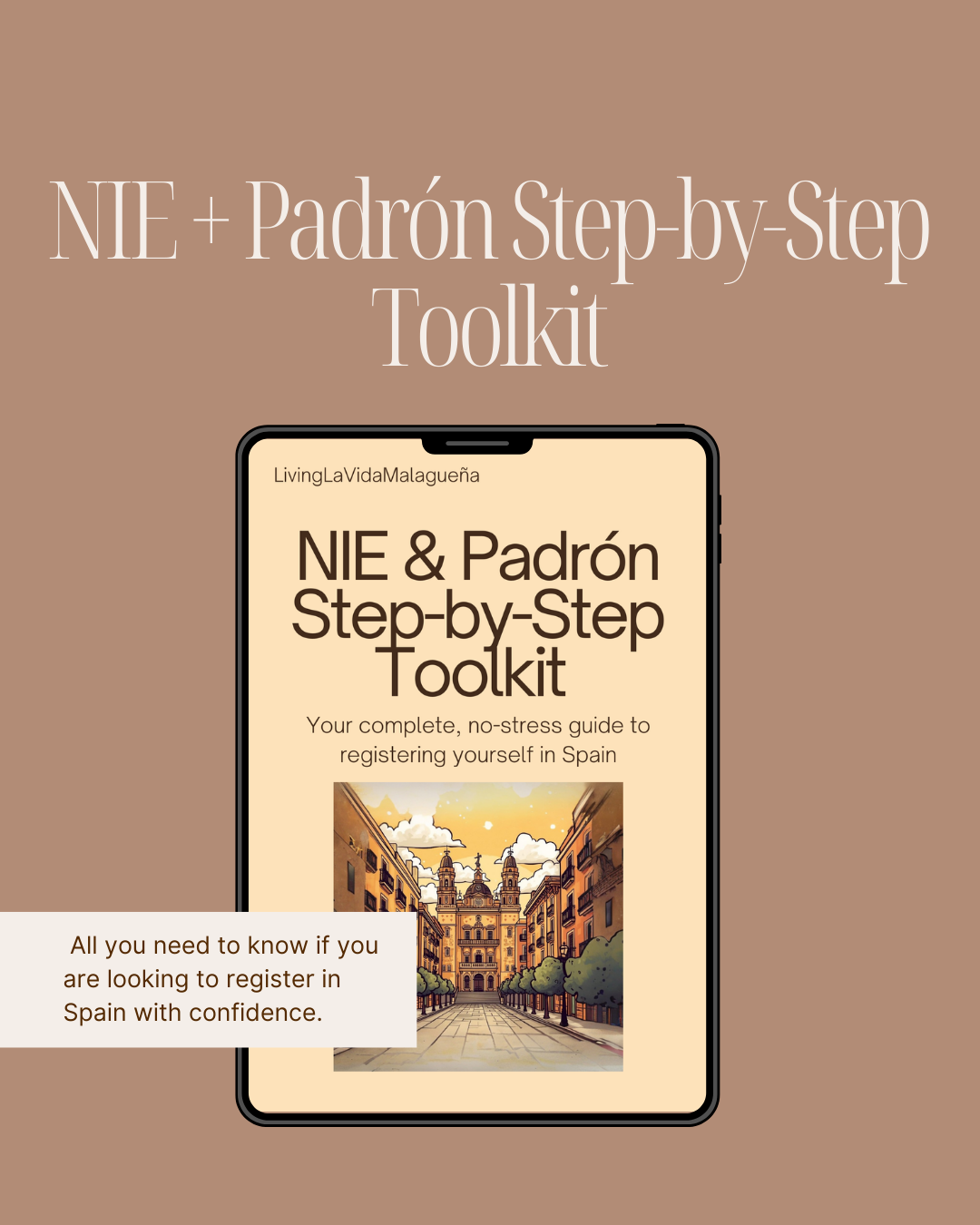
Getting your NIE. Registering on the padrón. Setting up healthcare. Opening a bank account. Securing the right visa or residency status.
Individually, none of these are impossible. But together, they can feel overwhelming, especially when you’re trying to do them at the same time.
This is where many people run into issues. Not because they’re doing something wrong, but because they underestimate how interconnected everything is.
You might need one document to get another. You might need an appointment that isn’t available for weeks. You might be asked for something you didn’t realise you needed.
If you’re still at this stage, it’s worth approaching it methodically. This is something we go step by step through in the moving to Spain guide, where the order of tasks makes the process significantly smoother.
Appointments, delays, and the art of patience
If there’s one thing that defines Spanish bureaucracy, it’s the appointment system.
Many processes require booking in advance. Sometimes far in advance.
You might find yourself refreshing pages, checking availability at odd hours, or waiting weeks for a slot to open. It’s a shared experience among expats, and it can feel like one of the most frustrating parts of the system.
But once you understand how it works, it becomes more manageable.
Flexibility helps. Checking regularly helps. Being prepared when a slot opens helps even more.
And above all, patience.
This is often the turning point for people. The moment they stop expecting things to happen quickly and start working with the system instead of against it.
Why having the right documents changes everything
One of the most common mistakes people make is assuming they have everything they need.
Then they show up to an appointment and realise they’re missing something small but essential. A copy. A form. A specific version of a document.
And suddenly, the process resets.
In Spain, details matter.
Having multiple copies, both physical and digital, is one of the simplest ways to avoid unnecessary delays. So is double-checking requirements in advance, even if you think you already know them.
It’s a small shift, but it saves a lot of time and frustration.
When language becomes a barrier
Even if you’re comfortable with basic Spanish, bureaucracy introduces a different level of complexity.
Forms, official terminology, and administrative conversations are very different from everyday language.
This is where many people feel stuck.
It’s not that they can’t communicate. It’s that they don’t feel confident navigating formal situations.
Improving your Spanish, even gradually, makes a noticeable difference here. It’s something that goes beyond social integration and directly impacts how easily you can handle practical tasks. We explored this more in our guide to learning Spanish as an adult, where real-life situations like this are often the biggest motivator.
Getting help vs doing it yourself
At some point, most expats face a decision.
Do you handle everything yourself, or do you get professional help?
There’s no single right answer.
Some people prefer to understand the system fully and manage everything independently. Others choose to work with a gestor or advisor, especially for more complex processes like visas, taxes, or setting up as autónomo.
If you’re freelancing or planning to, this becomes particularly relevant. The administrative side of working independently in Spain can be one of the more complex areas, which is why we broke it down in more detail in the freelancing in Spain guide.
The key is knowing when something is worth outsourcing and when it’s manageable on your own.
The emotional side no one talks about
What often catches people off guard isn’t just the process. It’s how it feels.
Repeated delays, unclear instructions, and having to redo steps can be draining.
It can make you question whether you’re doing something wrong, even when you’re not.
This is a normal part of the experience.
It’s also closely connected to the broader adjustment period of living in a new country. Many of the frustrations people feel with bureaucracy overlap with the challenges we discussed in the article on mistakes people make when moving to Spain, where expectations and reality don’t always align.
Understanding that this is part of the process helps take some of the pressure off.
When everything finally comes together
At some point, things start to fall into place.
You have your documents. Your registration is complete. Your systems are set up.
And suddenly, the stress that once felt constant disappears.
It doesn’t mean the system has changed. It just means you’ve moved past the most complicated phase.
From that point on, bureaucracy becomes something occasional rather than something you’re constantly dealing with.
How it connects to your overall life in Spain
Once the administrative side is under control, everything else becomes easier.
Work opportunities become more accessible. Renting feels more straightforward. Daily life becomes smoother.
It’s one of those things that sits in the background but affects almost everything else.
And once it’s sorted, you’re able to focus more on actually enjoying life here. The social side, the routines, the lifestyle. All the things that make the move worthwhile.
Bringing it all together
Spanish bureaucracy isn’t something you avoid. It’s something you learn to navigate.
At the beginning, it can feel overwhelming and unpredictable.
But over time, it becomes familiar.
You understand the process. You know what to expect. And most importantly, you know how to handle it without it taking over your experience.
Like many things in Spain, it rewards patience, persistence, and a bit of flexibility.
Want to make the process easier?
If you’re currently dealing with paperwork or preparing for your move, having a clear roadmap makes a huge difference.
Our complete moving to Spain guide walks you through the entire process step by step, helping you avoid common delays and mistakes.
If you’re planning to work or build a career here, the Spain Job Search Starter Pack shows you how to navigate opportunities and use networking effectively within the local system.
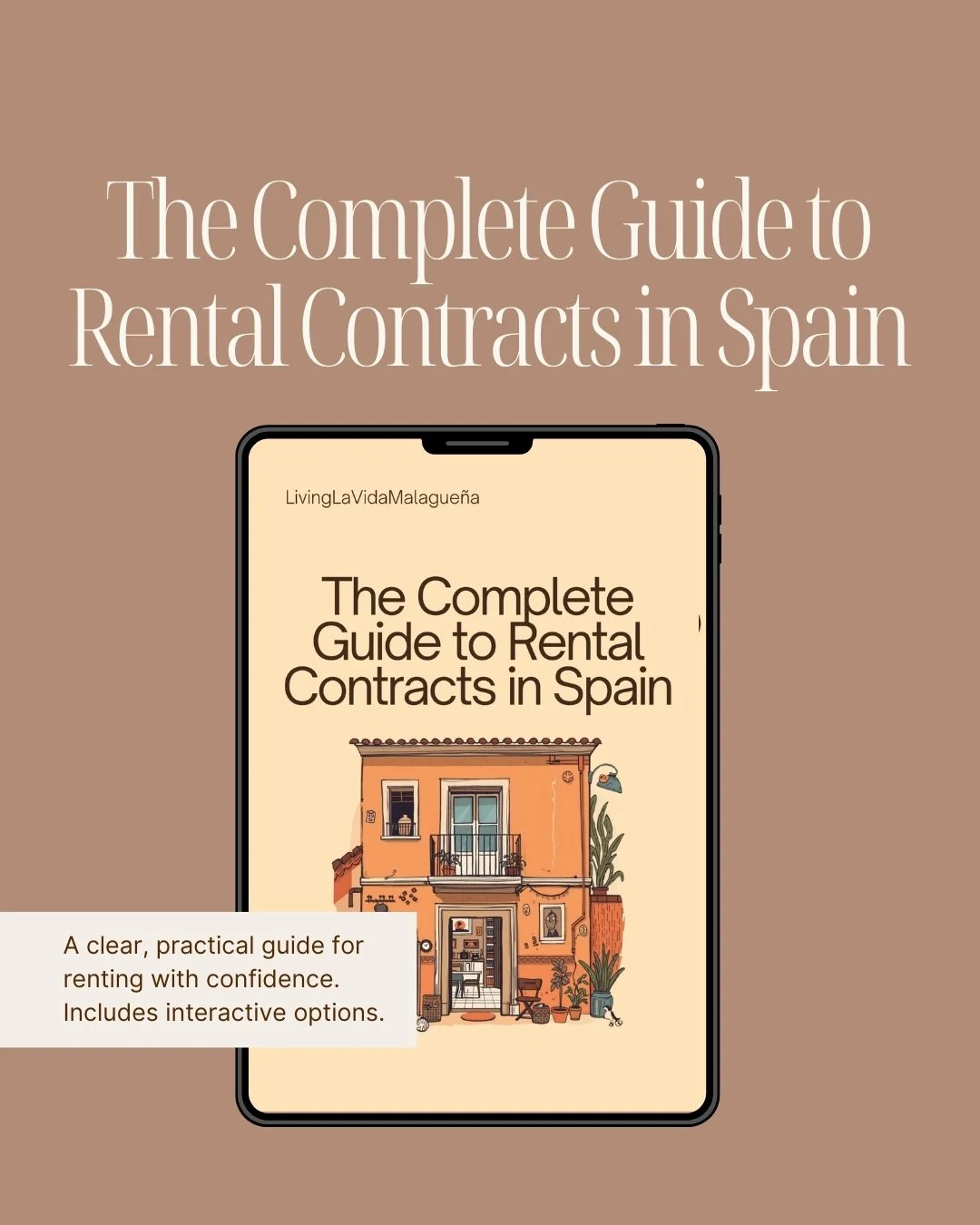
And if you’re going down the freelance route, the freelancing in Spain guide breaks down the administrative side in a way that makes it far easier to manage.
These are designed to simplify the process so you can spend less time dealing with paperwork and more time actually building your life here.
Final thoughts
At the beginning, Spanish bureaucracy can feel like one of the biggest obstacles.
Over time, it becomes just another part of life.
Something you understand, manage, and move through without it dominating your experience.
It’s rarely as smooth as you’d like, but it’s also rarely as impossible as it first feels.
And once you’re through it, you’ll realise it was just one phase of the process of settling into Spain.
Frequently Asked Questions about Spanish Bureaucracy
-
If you’re European, yes you need a NIE. The NIE is your foreign identification number in Spain. You need it for almost everything, from opening a bank account to signing a rental contract.
-
It varies widely. Some things can be done quickly, while others may take weeks or even months, especially if appointments are required.
-
Some processes can be started online, but many still require in-person appointments.
-
Not always. For simple processes, you can manage yourself. For more complex situations, professional help can save time and stress.
-
Yes, it’s one of the most common experiences for expats in Spain.




















Plan Your Move to Spain with Confidence
Moving to Spain is an exciting new chapter, but it also comes with countless tasks, deadlines, and important decisions. From researching visa options and preparing your paperwork to organising your finances, finding accommodation, and planning your arrival, it's easy to feel overwhelmed before you've even packed your suitcase.
The Moving to Spain Checklist & Relocation Planner has been created to help you stay organised throughout the entire relocation process. Instead of managing multiple lists, scattered notes, and endless browser tabs, you'll have one structured planner that guides you through every stage of your move.
Whether you're relocating in a few weeks or simply starting to plan your future in Spain, this practical digital guide provides a clear roadmap to help you stay on track and avoid missing important steps along the way.
Designed by Living La Vida Malagueña, this planner is based on real relocation experience and is intended to simplify the planning process, giving you more confidence as you prepare for your new life in Spain.
What You'll Receive
Your digital planner includes practical checklists and timelines covering every stage of your relocation, including:
Comprehensive Moving to Spain master checklist
Step-by-step relocation timeline
Visa and residency preparation checklist
Financial planning checklist
Accommodation and housing planner
Pre-departure moving checklist
Arrival and settling-in checklist
Printable PDF that can also be completed digitally
Who This Planner Is For
This planner is ideal for:
Anyone planning to move to Spain
First-time expats
Retirees relocating abroad
Digital nomads
Remote workers
Families moving to Spain
Anyone looking for a clear, organised relocation plan
Whether you're moving independently or with your family, this planner helps you approach the process with greater organisation and less stress.
Why You'll Love It
Relocating abroad involves dozens of moving parts, and it's surprisingly easy to overlook important tasks.
This planner has been designed to keep everything together in one place, helping you:
Stay organised throughout your move
Reduce last-minute stress
Keep track of important deadlines
Plan your relocation step by step
Feel more confident during every stage of the process
Simple, practical, and easy to use, you can either print the planner or complete it digitally—whatever works best for your planning style.
Instant Digital Download
This is a digital product.
No physical item will be shipped.
Once your purchase is complete, you'll receive immediate access to download your planner so you can start organising your move straight away.
Please Note
This planner has been created for educational and organisational purposes only.
It does not constitute legal, immigration, tax, or financial advice. Visa regulations and residency requirements can change, so you should always confirm the latest information with the relevant Spanish authorities before making important decisions.
Looking for Personalised Help?
If you'd like tailored advice based on your own relocation plans, you can also book a 45-minute private consultationthrough Living La Vida Malagueña.
Together we'll discuss your situation, answer your questions, and create a personalised action plan to help make your move to Spain smoother and more straightforward.