Living in Málaga as an Expat: A Realistic and Comprehensive Guide
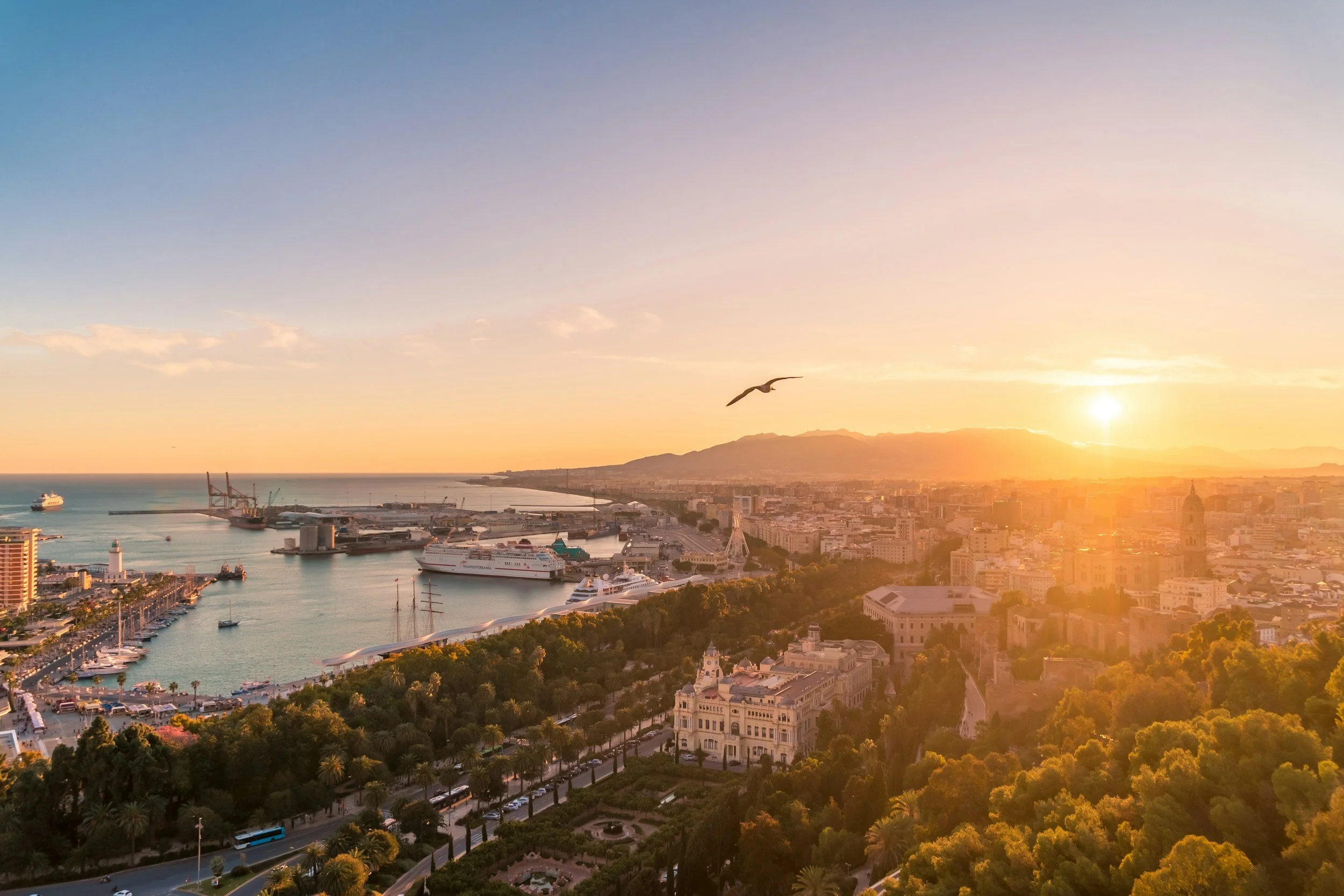
Málaga has become one of Spain’s most talked-about destinations for international newcomers. Its mild climate, coastal setting, and growing international profile attract people from across Europe and beyond who are looking for a sustainable life in Spain rather than a short-term escape. Yet living in Málaga as an expat is often very different from how it is portrayed online. Behind the images of beaches and sunshine lies a city with its own administrative systems, housing pressures, employment realities, and cultural rhythms that take time to understand.
This guide is written to provide a clear, grounded, and detailed overview of what life in Málaga is actually like for expats and new arrivals. Rather than focusing on idealised experiences, it draws on practical realities: how the city functions day to day, what newcomers often underestimate, and how Málaga fits into the broader context of living in Spain.
Why Málaga attracts expats
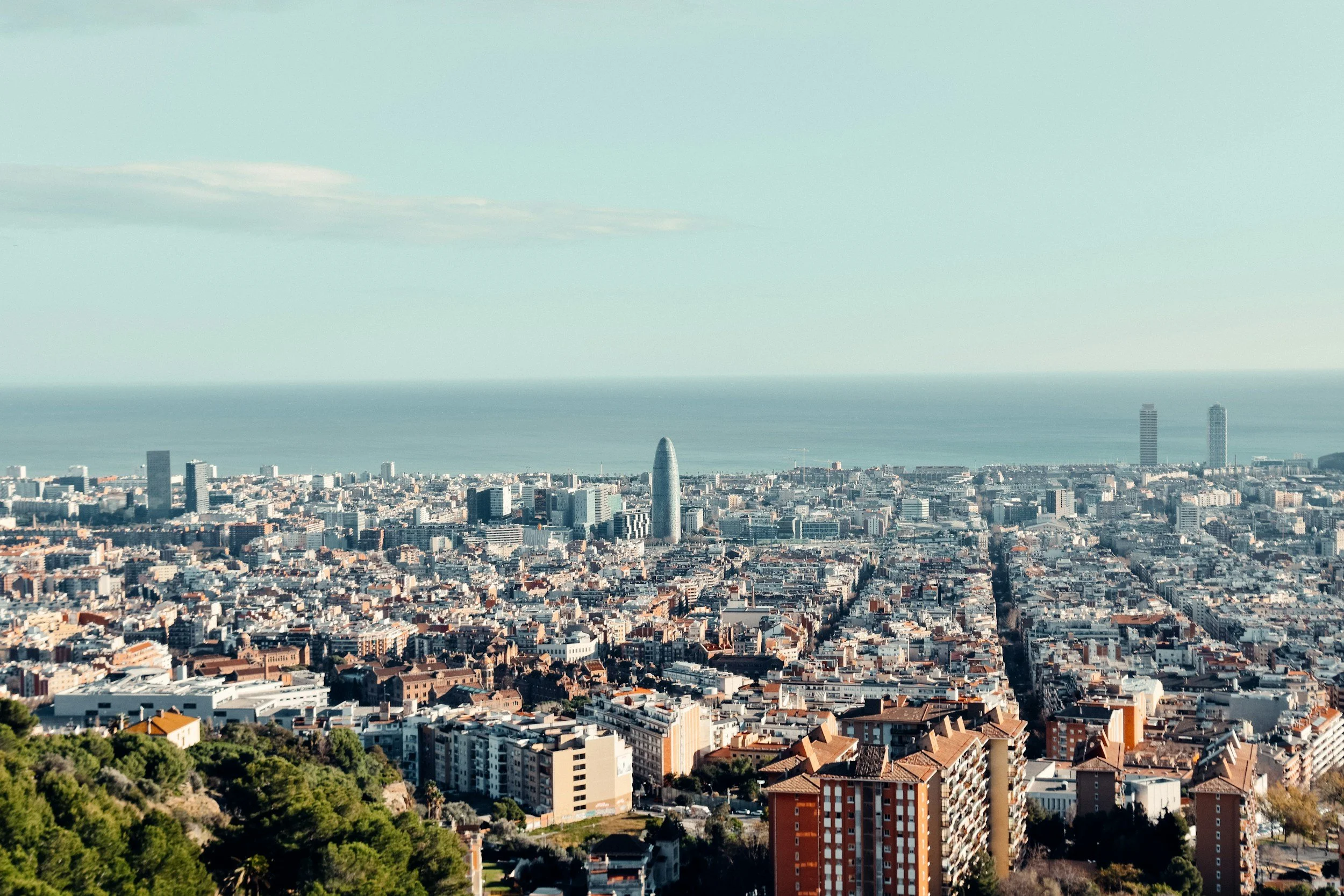
Málaga’s appeal is not accidental. As the capital of the Costa del Sol, it combines the infrastructure of a major Andalusian city with the international accessibility of a global destination. Málaga Airport connects the region to dozens of European cities, making it particularly attractive to remote workers, retirees, and internationally mobile professionals.
The city has also invested heavily in cultural, technological, and urban development over the last decade. Regeneration projects in areas such as Soho and the port, the expansion of museums, and the growth of the Málaga TechPark have all contributed to its rising profile. For expats, this means access to modern services, international communities, and professional opportunities that are less common in smaller Spanish cities.
However, this popularity has consequences. Increased demand has driven up rental prices, intensified competition for housing, and placed pressure on public services. Understanding these dynamics is essential for anyone considering a move.
Neighbourhoods and where expats live
Málaga is a city of distinct neighbourhoods, each offering a very different living experience. Choosing where to live is one of the most important decisions new arrivals make, and one that often shapes their overall impression of the city.
The historic centre is vibrant and walkable, but it is also heavily influenced by tourism. Short-term rentals, noise, and seasonal overcrowding make it less suitable for those seeking long-term stability. While some expats enjoy the energy, many eventually move elsewhere.
Neighbourhoods such as El Palo and Pedregalejo offer a more residential, coastal lifestyle. These areas are popular with both locals and expats, combining traditional Andalusian life with proximity to the sea. Rental availability can be limited, and prices are often higher than expected.
Teatinos and surrounding areas attract families and professionals looking for newer buildings, better insulation, and access to universities and hospitals. While less picturesque, these neighbourhoods often offer better value and practicality.
Areas such as Huelin, Carretera de Cádiz, and Ciudad Jardín are less discussed in expat circles but form the backbone of local life. For those willing to integrate more deeply and navigate Spanish-only environments, these neighbourhoods can offer affordability and a more authentic experience.
Housing realities and renting in Málaga
For anyone planning a long-term move, understanding how renting works in Spain is essential. Requirements, contracts, and tenant expectations differ significantly from many other countries, and newcomers are often caught off guard. If you are unfamiliar with the process, Renting an Apartment in Spain provides a helpful overview of common pitfalls and what landlords typically expect.
Finding housing in Málaga is one of the most challenging aspects of settling in. Demand significantly outstrips supply, particularly for long-term rentals. Many landlords prefer short-term or seasonal contracts, and competition for well-priced apartments is intense.
New arrivals are often surprised by the documentation required to rent, including proof of income, employment contracts, bank statements, and sometimes Spanish guarantors. Those without a Spanish work contract may find it more difficult, even if they have sufficient savings.
Understanding rental contracts, deposit requirements, and tenant rights is crucial. Informal agreements or unclear terms can lead to complications later. Taking time to understand how renting works in Spain can prevent costly mistakes.
Cost of living and daily expenses
Málaga is often described as affordable, but this depends heavily on lifestyle and expectations. While it remains cheaper than Madrid or Barcelona, costs have risen noticeably in recent years. Housing represents the largest expense for most expats, and many locals cannot afford to live in the city anymore. Neighbouring municipalities can offer housing, but it does mean a longer commute to work, as well as the necessity for one or several cars.
Utilities, particularly electricity, can also be higher than anticipated due to Spain’s energy pricing and housing insulation standards.
Groceries, public transport, and healthcare are generally affordable, especially compared to Northern Europe. Eating out remains accessible, though prices in central areas reflect the city’s tourist profile.
Bureaucracy and administrative life
Administrative steps form the backbone of daily life in Málaga, particularly during the first months. Two of the most important registrations for expats are obtaining an NIE and registering on the padrón. If you are still navigating these steps, the detailed articles NIE Explained and Padrón Explained offer clear explanations of what each registration is for and how they fit into settling in Spain.
For obtaining your NIE in Málaga, I would recommend that you make an appointment at the police station located at the corner of Plaza Manuel Azaña 3, 29006 Málaga (Andalucía). It is a big building, but its location is close to several bus lines, and also offers some parking in the surrounding side streets. The procedure in Málaga may seem odd at first, since at your time of appointment you will have to wait outside with a group of people. Around the time of the appointment, or slightly later if you are one of the early groups, a policeman will step outside of the building with a list of names. Make sure you stand close by, as they will not bring a microphone! Once inside, you will have to wait a bit more, until your name is called by one of the employees of the government of Andalusia. Once seated in front of the employee, you will confirm your reason for appointment and hand over all your documentation. If they ask for anything in particular, be sure you can easily appoint to it. You will receive your temporary NIE straight away, printed on a white document. The official NIE may take some more time, and can be sent to your home address, or if you had a temporary NIE, usually they will be able to give the official NIE through another appointment.
Now if you need to get your registration for the padrón, or your empadronamiento, the easiest location if you live on the West side of the city, would be the old tobacco factory, located close to the beach. It’s a beautiful building to look at, and again, easily reachable by public transport. If I were you, I would call to schedule an appointment, however you could easily walk in without an appointment and they may be able to help you straight away, or make an appointment on the spot.
These processes underpin access to housing, healthcare, banking, and employment. If you would like to receive additional guidance, check out the NIE + Padrón Step-by-Step Toolkit.
Living in Málaga means engaging with Spain’s administrative system. Key processes such as registering on the padrón, obtaining an NIE, opening a bank account, and accessing healthcare are foundational steps. Appointments often require patience, planning, and flexibility. Online booking systems, limited availability, and language barriers can be frustrating for newcomers. Understanding the sequence of administrative steps and how local offices operate can significantly reduce stress.
Work, income, and professional life
Many expats quickly discover that Málaga’s local job market operates very differently from international employment markets. Salaries tend to be lower, and competition can be high, particularly for roles that do not require specialised skills or fluent Spanish. For a realistic overview of employment pathways, the article Finding Work in Spain: The Complete, Realistic Guide for Expats and New Arrivals explains how the Spanish labour market functions and why many newcomers choose alternative income strategies.
Work, income, and professional life
Employment opportunities in Málaga differ from those in larger Spanish cities. Salaries in the local job market tend to be lower, particularly in hospitality, retail, and administrative roles. This reality leads many expats to rely on remote work, self-employment, or income from abroad.
Málaga’s growing tech sector offers some professional opportunities, but competition is high and Spanish-language skills are often essential. For those seeking local employment, realistic expectations and careful planning are key.
Remote workers and freelancers must also navigate tax residency rules, autónomo registration, and social security contributions. Understanding how professional life connects to legal residency is essential for long-term stability.
Healthcare and public services
Spain’s public healthcare system is one of the country’s strongest assets. Once registered correctly, residents in Málaga have access to a comprehensive network of health centres and hospitals.
Private healthcare is also widely used, particularly by expats during their first months in Spain or those seeking shorter waiting times. Málaga offers a wide range of private clinics with multilingual staff. If you want to learn more about Spanish bureaucracy, also read this blog post about How to Find Reliable Information for Spain.
Language, integration, and social life
While Málaga is international, daily life largely functions in Spanish. Learning the language significantly improves access to services, employment, and social integration.
Social life in Málaga often revolves around family, neighbourhoods, and long-standing social networks. Expats who expect instant community can feel isolated at first. Those who engage through language learning, local activities, or shared interests tend to integrate more successfully.
Climate, lifestyle, and expectations
Málaga’s climate is one of its strongest attractions, but it also shapes daily life. Summers are long and hot, and many aspects of life slow down accordingly. Understanding seasonal rhythms helps manage expectations around productivity and services.
The city rewards patience and adaptability. Those who approach Málaga with flexibility and a willingness to adjust often find it a deeply rewarding place to live.
Is Málaga the right place for you?
For those seeking deeper, location-specific guidance, the Málaga Insider Survival Guide offers a practical companion to this article. It brings together neighbourhood insights, daily-life logistics, and local context to help you move beyond general information and make confident, informed decisions about living in Málaga.
Everything you actually need to know to settle into Málaga with confidence — not overwhelm
Málaga is beautiful, vibrant, and full of promise — but moving here comes with a learning curve that blogs and Instagram don’t always show.
The Málaga Insider Survival Guide is your practical, local-first handbook for navigating daily life, cultural norms, and common pitfalls — so you can feel settled faster and avoid costly mistakes.
This guide focuses on real-life living, not tourist highlights.
What This Guide Helps You Do
Feel confident navigating daily life
Understand the rhythm of Málaga
Avoid unnecessary frustration and confusion
Settle in faster and enjoy your new lifestyle sooner
This guide is based on lived experience and practical knowledge. It does not replace legal or official advice but is designed to help you navigate everyday life smoothly.
Start Planning Today?
If you want to stop second-guessing everything and start enjoying life in Málaga without any worries or problems, the Málaga Insider Survival Guide is the companion you’ll be glad you had from day one.
👉 Download the Málaga Insider Survival Guide and enjoy your life in Málaga with confidence.
Living in Málaga as an expat can offer a high quality of life, but it is not universally suited to everyone. Success here depends less on sunshine and more on preparation, realistic expectations, and informed decision-making. By understanding housing realities, administrative requirements, professional options, and cultural norms, newcomers can build a stable and fulfilling life in the city. Málaga is not simply a destination; it is a functioning Spanish city, and those who treat it as such are best placed to thrive.
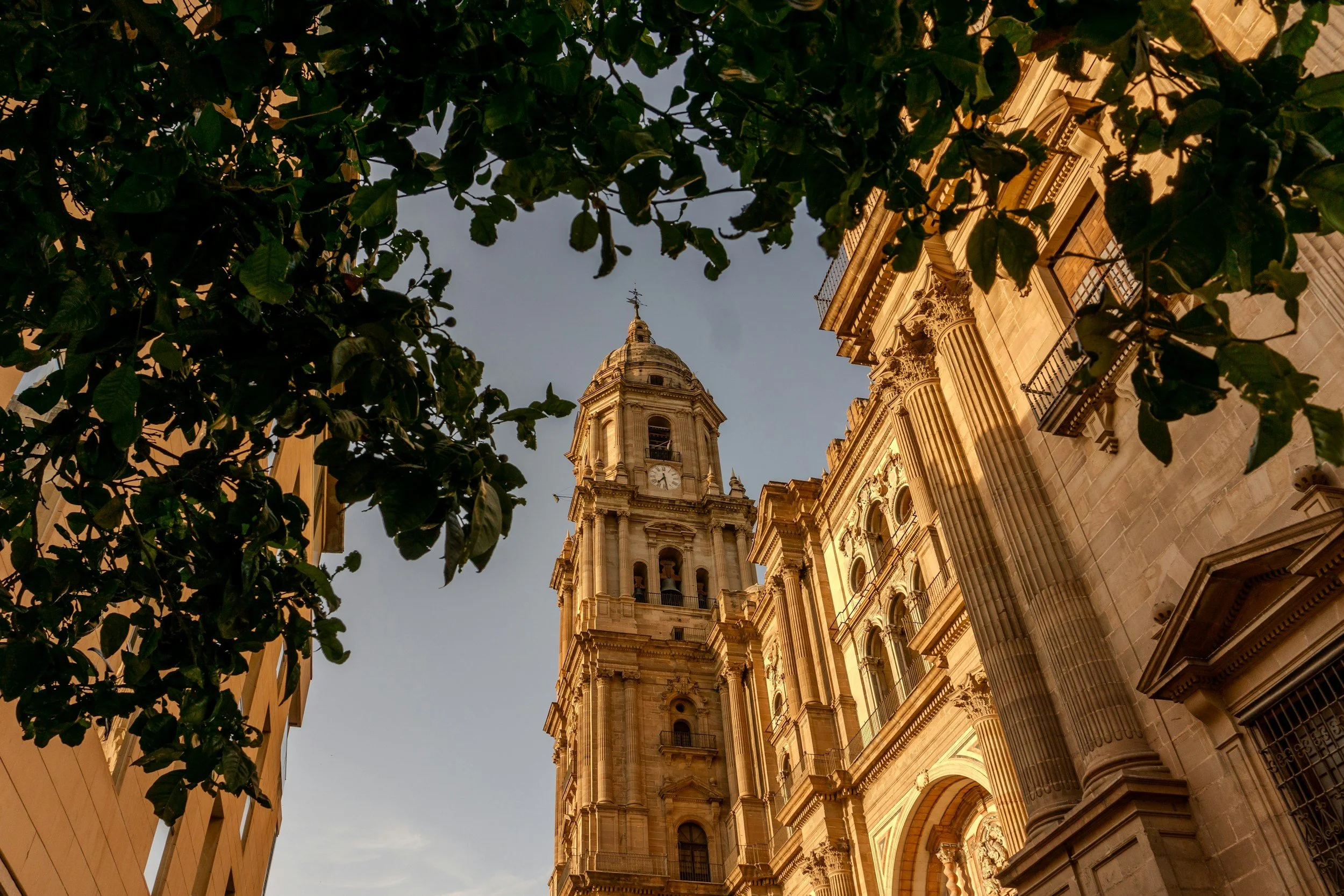
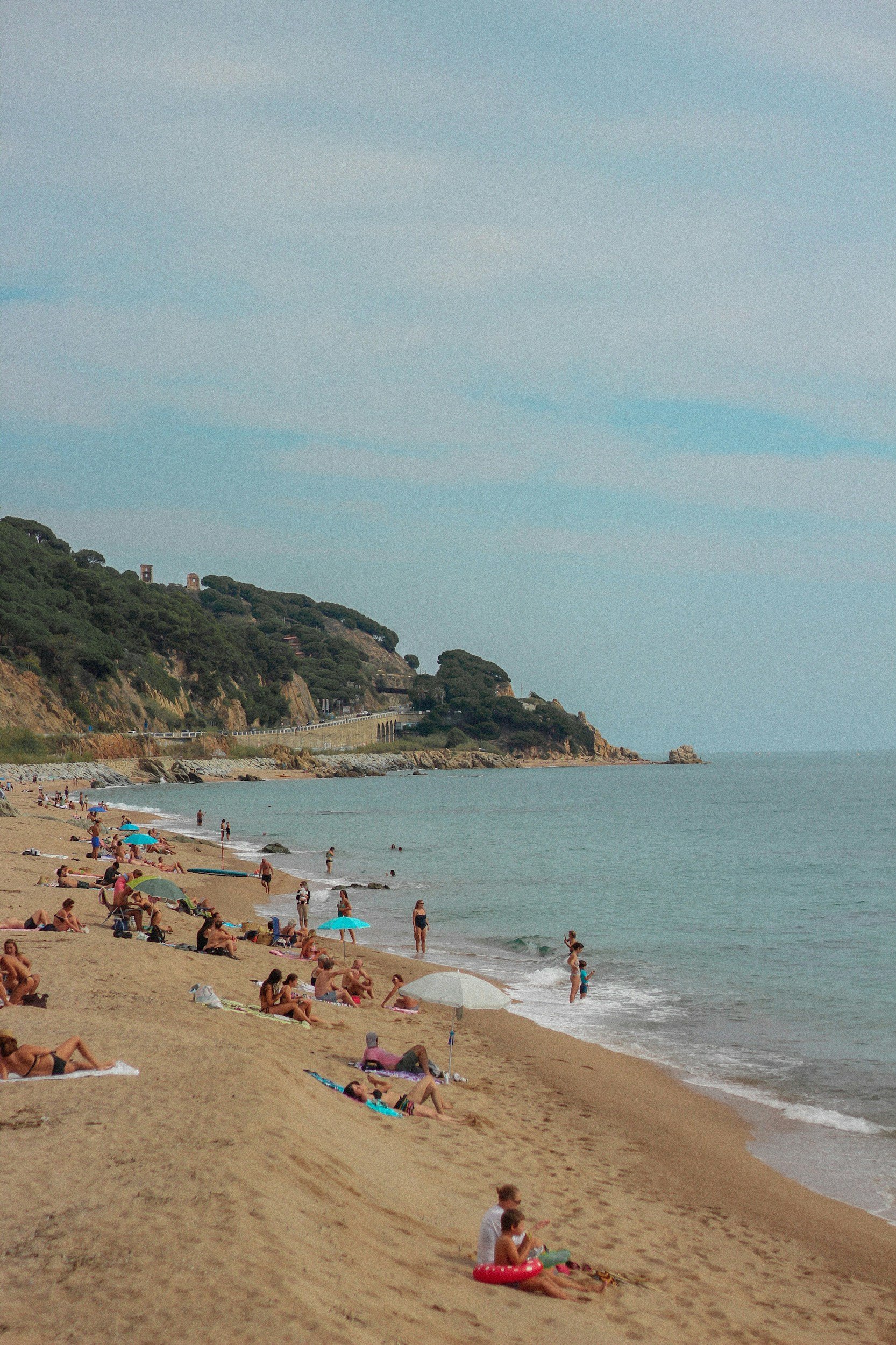





Moving to Spain comes with plenty of lessons you can only learn through experience. If I were starting again, I'd approach certain things differently; from choosing where to live and budgeting realistically to finding a rental, learning Spanish and building a social life. Here are eight things I'd want to know before making the move, especially if Málaga is on your radar.