Common Visa Mistakes That Cause Rejections in Spain

Visa rejections rarely happen because someone did not qualify.
They happen because something was misunderstood, overlooked, submitted incorrectly, or explained poorly. And that is what makes them so frustrating. Most people only find out what went wrong after the rejection letter arrives — often vague, impersonal, and difficult to challenge.
If you are applying for a Spanish visa, already preparing documents, or reapplying after a rejection, this article walks through the most common mistakes that cause applications to be denied — and how to avoid them. However, if you are an EU-citizen, stop right here. You actually need a NIE, so be sure to check out our NIE + Padrón Step-by-Step Toolkit by clicking on the link. If you are interested in learning more about the Spanish registration, called empadronamiento, continue reading Padrón Explained.
Assuming That “Almost Correct” Is Good Enough
One of the biggest misconceptions about Spanish visa applications is that close enough will do.
In reality, visa applications are assessed strictly. Documents must be correct, complete, and presented exactly as requested. An expired document, a missing signature, an outdated template, or even a document in the wrong order can lead to rejection — regardless of whether you otherwise meet the requirements.
Many applicants assume that because they qualify financially or legally, small inconsistencies will be overlooked. Unfortunately, that is rarely the case. Spanish consulates work with checklists, not context. If something does not meet the stated requirement, it may simply be marked as insufficient.
This is why understanding the specific requirements for your visa type matters so much, something we explain in depth in our visa guides.
Applying With Incomplete or Incorrect Financial Proof
Financial documentation is one of the most common reasons visas are rejected.
Applicants often underestimate how precise Spain is when it comes to proof of funds. Bank statements may not cover the required time period, balances may fluctuate below the threshold, or income sources may not be clearly explained.
Another frequent issue is submitting screenshots instead of official statements, or statements that are not stamped, translated, or officially issued. Some applicants also mix personal and business income without clarifying the source, which can raise red flags.
Spain is not only checking how much money you have, but how reliably you receive it. This is especially relevant for non-lucrative visas and remote work visas, where consistency matters as much as totals.
Not Matching Your Documents to Your Visa Type
A surprisingly common mistake is submitting documents that technically look correct — but do not align with the visa you are applying for.
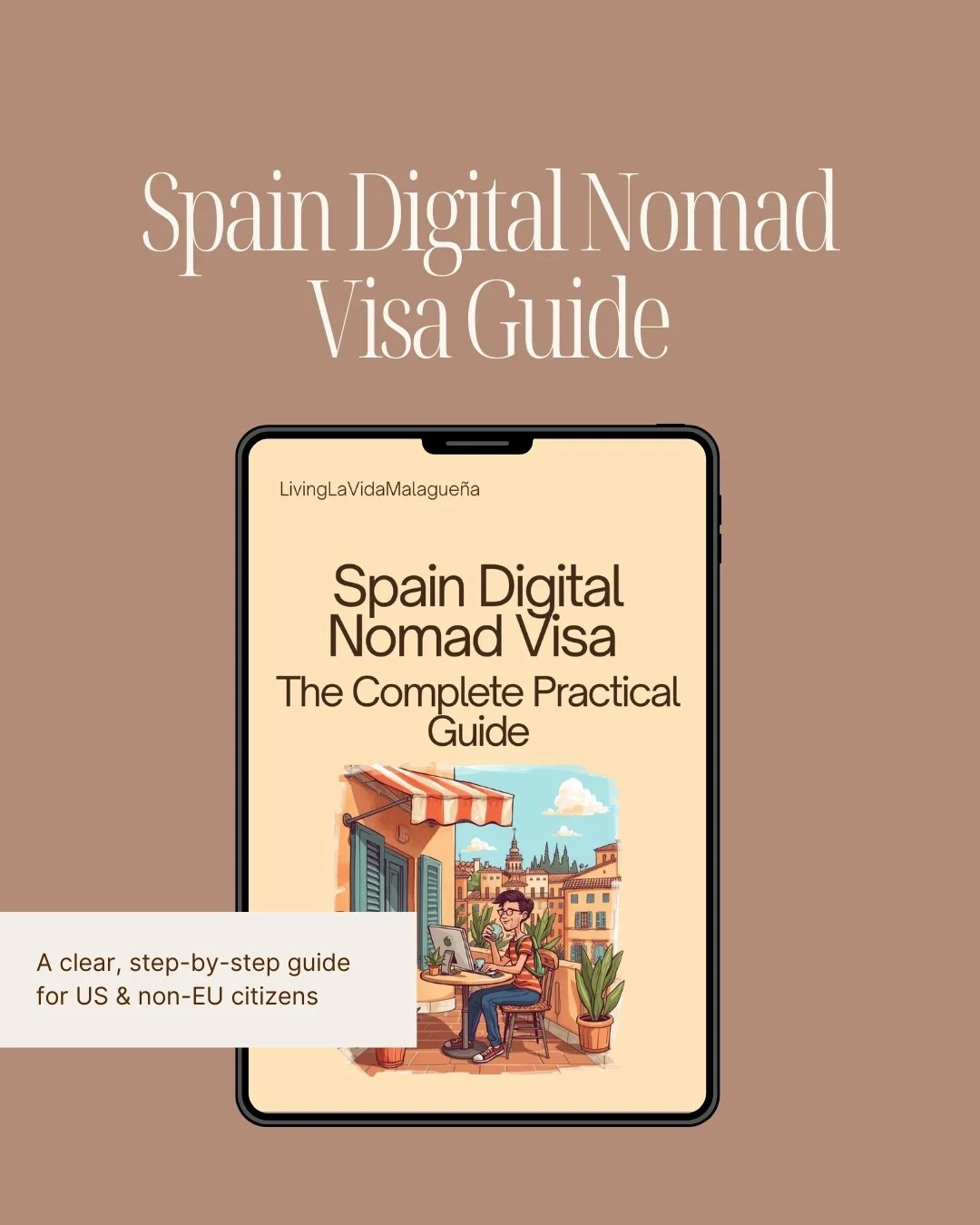
Each Spanish visa has a different purpose, and your documents must support that story clearly. If you apply for a non-lucrative visa but submit freelance contracts, or apply for a digital nomad visa but fail to clearly show remote employment, the application can be rejected for inconsistency.
Your documents should tell a single, coherent narrative: why you are moving, how you will support yourself, and how your situation fits the visa you are requesting. When documents contradict each other, even unintentionally, it creates doubt. Healthcare is another important topic, that’s why we will soon publish a blog article about Public vs Private Healthcare in Spain.
This is one of the reasons many applicants struggle when switching visa types or reapplying after a rejection.
Underestimating the Importance of Translations and Legalisation
Spain is very strict about documentation language and legality.
Documents that are not in Spanish often need sworn translations. Certain documents must be apostilled or legalised, depending on your country of origin. Many applicants either skip this step entirely or assume a standard translation will be accepted.
Unfortunately, an uncertified translation or missing apostille can invalidate an otherwise perfect application.
This step often causes delays, last-minute panic, and rejections — especially for criminal record certificates, birth certificates, and marriage certificates. Knowing which documents require which level of certification in advance can save weeks of stress.
Relying on Outdated or Conflicting Information
One of the most dangerous mistakes is following advice that is no longer valid.
Visa requirements change. Consulates interpret rules differently. What worked for someone last year — or even last month — may not apply to your case.
Many applicants rely heavily on Facebook groups or anecdotal advice without verifying it against official sources. While these communities can be helpful, they are also one of the biggest sources of misinformation.
This is exactly why I wrote this other article Where to Find Reliable Information in Spain, because using outdated or incorrect guidance is one of the fastest ways to sabotage a visa application.
Missing Appointments or Ignoring Small Deadlines
Spanish visa processes are deadline-driven, and missing even a small step can have serious consequences.
Failing to attend an appointment, missing a document submission window, or not responding to a request for additional information on time can result in automatic rejection. In many cases, there is no flexibility once a deadline has passed. The same goes for finding a job in Spain, that’s why we designed a useful Spain Job Search Starter Pack.
Some applicants also underestimate processing times and submit documents too early or too late, making them invalid by the time the application is reviewed.
Understanding timing — not just requirements — is critical.
Assuming the Consulate Will “Explain” What They Need
Spanish consulates do not guide applicants through the process.
They do not review drafts, pre-check documents, or flag issues in advance. If something is missing or incorrect, the application may simply be rejected without further explanation.
This is why preparation matters so much. The responsibility lies entirely with the applicant to ensure everything is correct at the time of submission.
Many people only realise this after a rejection, when they wish they had double-checked details that seemed minor at the time.
Applying Without Understanding What Happens After Approval
Some visa applications are rejected not because of eligibility, but because the applicant misunderstands what happens after approval.
For example, certain visas require registration steps once you arrive in Spain, such as applying for a TIE or registering on the padrón. If your application suggests you are unaware of these obligations, or unable to meet them, it can raise concerns.
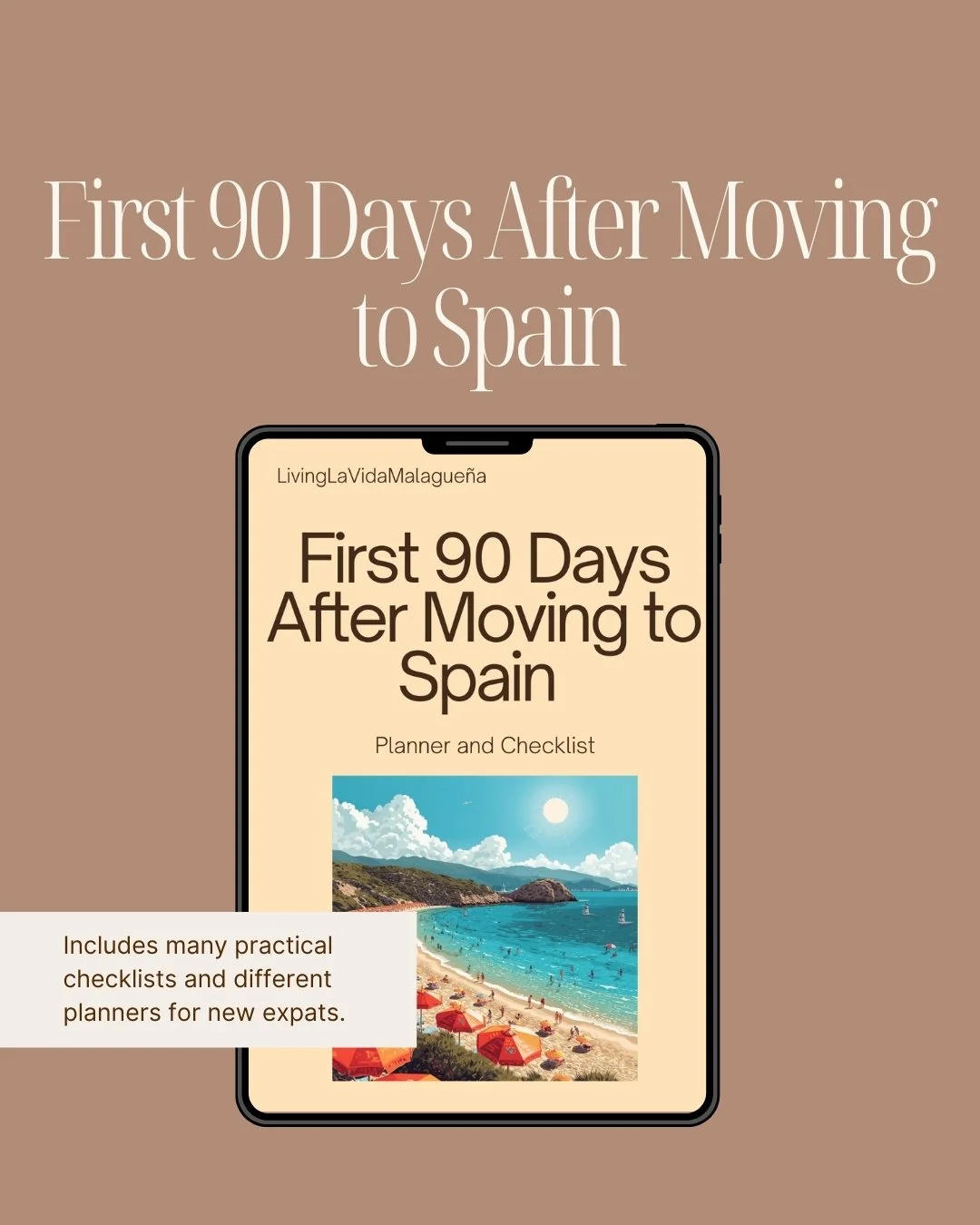
This is why it helps to understand the full relocation process, not just the visa itself. Our First 90 Days After Moving to Spain guide exists specifically to bridge this gap.
Thinking a Rejection Means You Are Not Eligible
Perhaps the most important thing to understand is this: a visa rejection does not automatically mean you do not qualify.
Many rejections are procedural, not personal. They are the result of unclear documentation, missing information, or misalignment between visa type and circumstances.
In many cases, reapplying with a clearer, better-prepared application leads to approval.
Understanding what went wrong, rather than giving up, is often the difference between rejection and success.
Final Thoughts: Most Visa Rejections Are Preventable
Spanish visas are not impossible, but they are unforgiving.
The system rewards preparation, clarity, and accuracy — not assumptions or rushed applications. Taking the time to understand requirements, verify sources, and align your documents with your visa type can dramatically improve your chances.
If you are preparing an application or planning a move to Spain, remember this: most visa rejections happen not because people are unqualified, but because they were under-prepared.
And preparation, thankfully, is something you can control.
Frequently Asked Questions About Spanish Visa Rejections
-
The most common mistake is submitting documents that do not fully meet the official requirements. This includes missing translations, outdated paperwork, incorrect financial statements, or documents that do not clearly support the purpose of the visa being requested.
-
Most Spanish visa applications are rejected due to incomplete documents, incorrect financial proof, or inconsistencies between the visa type and the information provided. Rejections often happen because requirements were misunderstood or small details were overlooked, not because the applicant was ineligible.
-
Yes. Meeting the requirements does not guarantee approval if the application is poorly prepared. Spanish consulates assess applications based on documentation, not intent. If something is unclear, missing, or inconsistent, the application may still be rejected.
-
In most cases, yes. A visa rejection does not usually prevent you from reapplying, as long as the issue that caused the rejection is corrected. Many applicants are approved on a second attempt after submitting clearer and more complete documentation.
-
The best way to avoid rejection is to carefully follow the specific requirements for your visa type, use up-to-date information, ensure all documents are correctly translated and legalised, and double-check everything before submission. Preparation and accuracy are key.













Your practical guide to finding work in Spain — without confusion, wasted applications, or unrealistic expectations
Looking for a job in Spain can feel overwhelming. Different rules, different CV styles, language barriers, and vague online advice often leave people applying blindly — and hearing nothing back.
The Spain Job Search Starter Pack is designed to give you clarity, structure, and realistic direction so you can approach the Spanish job market confidently and strategically.
This isn’t generic career advice. It’s a Spain-specific, expat-focused toolkit that walks you through how things actually work — before you start applying.
What This Guide Helps You Do
Stop wasting time on the wrong applications
Understand what’s realistically possible for you
Feel confident applying for jobs in Spain
Build a job search strategy that actually makes sense
This guide provides informational guidance only and does not replace legal or immigration advice. It is designed to help you understand the job search process and prepare effectively.
No more convincing?
If you’re serious about working in Spain and want clarity before you start applying, the Spain Job Search Starter Pack gives you the foundation you need.
👉 Download the Spain Job Search Starter Pack and start preparing your move today.