How Much Rent Really Costs in Spain
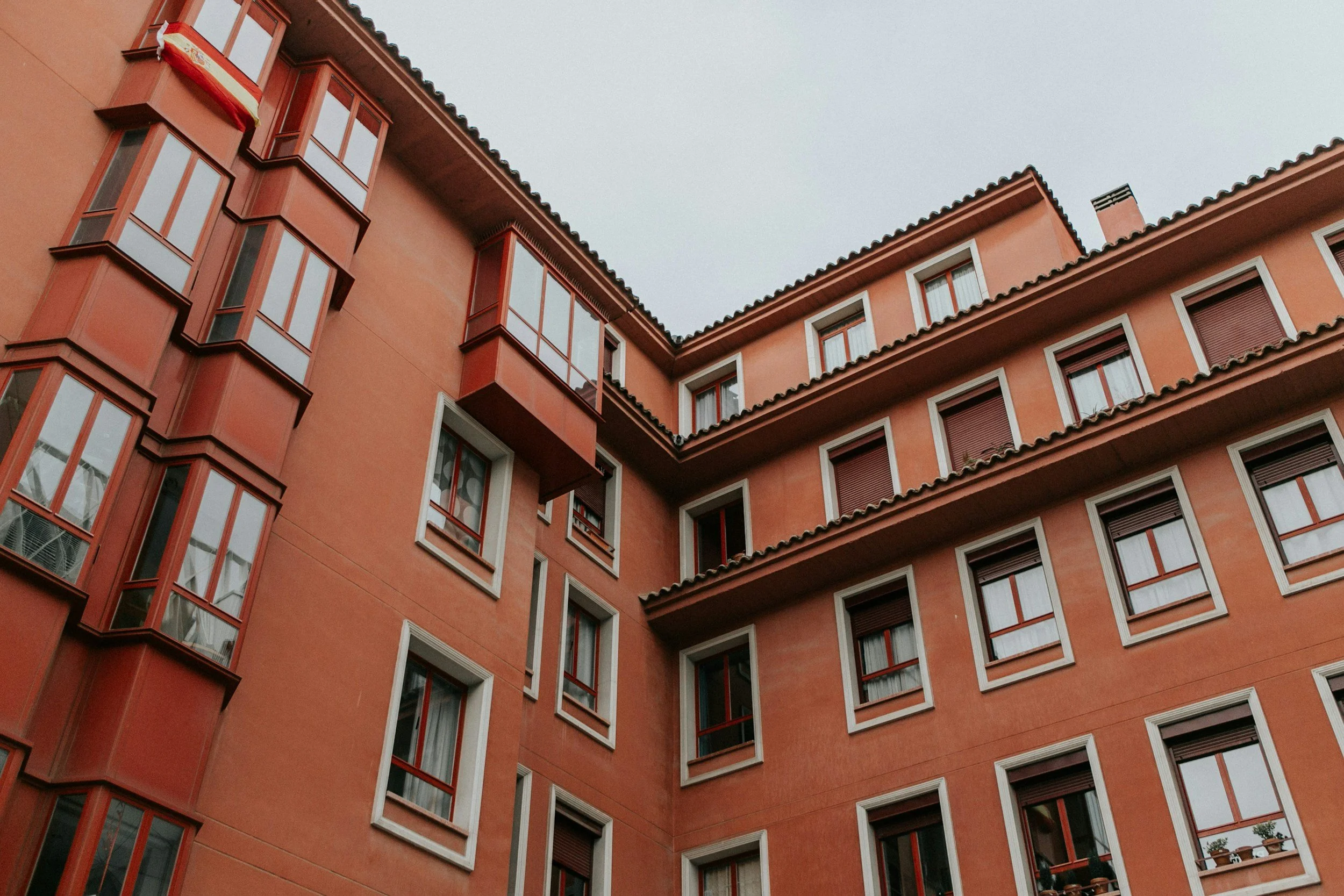
The real numbers behind apartments, deposits, agency fees, and the lifestyle people imagine before they move
There’s a version of Spain that exists almost entirely online.
It’s terraces in the sun, affordable wine, sea views, tiled balconies, and the idea that life somehow becomes both slower and cheaper the moment you arrive. And while some of that is true, the reality of renting in Spain in 2026 is much more nuanced than many people expect.
Because yes — compared to cities like London, Amsterdam, Dublin, or New York, Spain can still feel relatively affordable. But affordability depends entirely on where you live, how you live, and what kind of apartment you’re actually looking for.
This is where expectations and reality begin to separate.
People arrive imagining €600 beachfront apartments in Málaga city centre or stylish Barcelona flats for half the price of Northern Europe. And then they open Idealista for the first time and realise something important:
Spain is no longer “cheap” in the way many blogs still describe it.
Especially not in the places most foreigners want to live.
And yet, despite rising prices, Spain still offers something many countries increasingly don’t — a quality of life that often feels worth the cost.
The important thing is understanding what rent really costs before you move, not after.
The First Shock: Rent Prices Depend Entirely on Location
When people ask whether Spain is affordable, the answer is almost always:
Compared to where?
Because Spain contains completely different housing markets within the same country.
Madrid and Barcelona operate almost like their own financial ecosystems. Málaga has changed dramatically over the past few years due to international demand and the growth of remote work. Valencia remains more balanced, while smaller cities and inland towns can still feel surprisingly accessible.
But even within the same city, rent can vary enormously depending on neighbourhood, apartment condition, and seasonality.
This is why broad averages are often misleading.
A one-bedroom apartment in central Málaga could cost:
€900 in one neighbourhood
€1,500 three streets away
or €700 if you move twenty minutes outside the centre
The “Spain is cheap” narrative usually ignores this nuance entirely.
If you’re still deciding where in Spain makes the most sense financially and lifestyle-wise, it’s worth reading Best Cities for Digital Nomads in Spain, where I break down the real atmosphere, affordability, and liveability of different cities in much more detail.
Because choosing the city well often matters more than the apartment itself.
What Rent Actually Looks Like in 2026
Let’s talk realistic numbers.
In Málaga, which has become one of the most popular destinations for expats and remote workers, a modern one-bedroom apartment in a desirable area now commonly ranges between €950 and €1,400 per month.
In more local neighbourhoods outside the centre, you can still occasionally find options around €750–€900, but competition is intense and availability moves quickly.
Barcelona and Madrid are generally even higher.
A central apartment in Barcelona can easily exceed €1,600–€2,000 monthly for something reasonably modern and well-located. Madrid follows closely behind, especially in neighbourhoods popular with international professionals.
Valencia remains one of the more balanced major cities. It has risen significantly in price, but still tends to offer better value relative to lifestyle and infrastructure. Many expats who initially consider Barcelona eventually pivot toward Valencia once they compare long-term rental costs.
Then there’s the other side of Spain — smaller Andalusian towns, inland cities, and less internationally saturated areas where rents can still feel refreshingly normal.
Places like Granada, Almería, or smaller towns in the province of Málaga often offer apartments for hundreds less per month than the coastal hotspots. The trade-off, of course, is usually job access, infrastructure, or international community size.
And this is the real balancing act of Spain.
You’re rarely just paying for the apartment itself.
You’re paying for:
lifestyle
walkability
weather
community
proximity to the sea
international infrastructure
and increasingly, remote-work desirability
The Hidden Costs Nobody Includes in “Affordable Spain” Videos
Rent itself is only the beginning.
This is where many budgets quietly fall apart.
When you move into an apartment in Spain, you’ll often need far more upfront cash than expected. In many cases, landlords ask for:
one month rent
one or two months deposit
plus agency fees
That means moving into a €1,100 apartment could realistically require €3,000–€4,000 upfront before you even buy furniture or groceries.
And then there are utilities.
Electricity in Spain has become noticeably more expensive over recent years, especially during winter or heavy air-conditioning months in summer. A modern apartment with efficient insulation may remain manageable, but older Spanish buildings can become surprisingly expensive to heat or cool.
Internet is generally affordable and reliable in cities, usually between €25–€45 monthly. Water costs are relatively low compared to Northern Europe, but community fees are sometimes indirectly built into rent prices.
If you want a more complete breakdown of these overlooked expenses, Hidden Costs of Moving to Spain goes much deeper into the financial side people often underestimate before relocating.
Because the apartment itself is rarely the full story.
Furnished vs Unfurnished: Another Big Surprise
One of the things that surprises many foreigners is how inconsistent Spanish rentals can feel.
Some apartments come beautifully furnished and move-in ready. Others arrive almost completely empty — and “unfurnished” in Spain can sometimes literally mean no lighting fixtures, appliances, or even wardrobes.
This catches people off guard constantly.
Short-term rentals aimed at expats and digital nomads are usually furnished, but they come at a premium. Long-term local contracts often offer better value, but require more setup and documentation.
This becomes especially important during your first months in Spain.
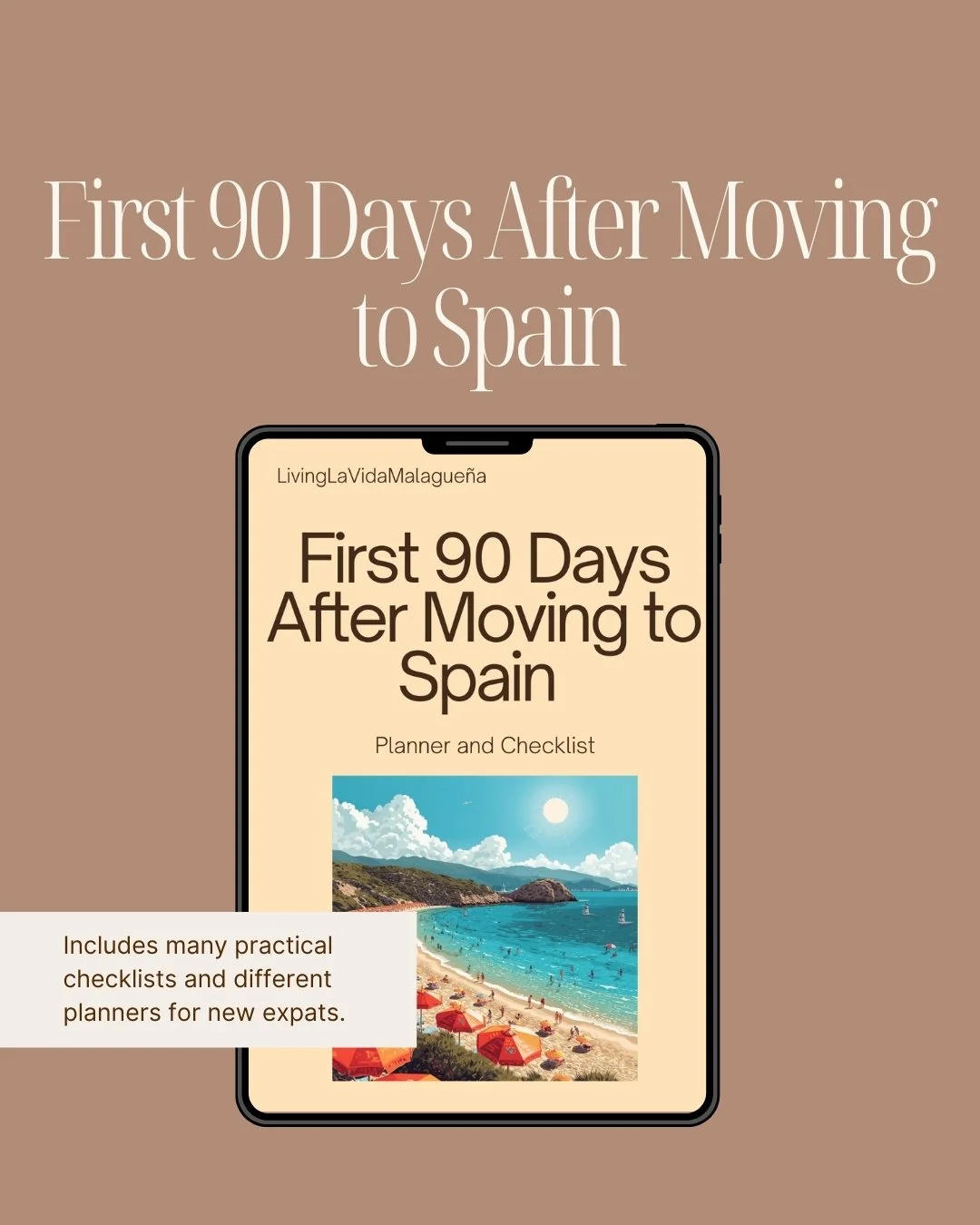
If you’ve read The First 30 Days in Spain, or The First 90 Days after Moving to Spain Guide, you’ll already know how much administrative pressure exists early on. Adding furniture logistics and apartment uncertainty on top of that can quickly become overwhelming.
This is why many people start with temporary accommodation first, even if it costs slightly more initially.
Why Málaga Feels So Different Now
Málaga deserves its own section because the city has transformed dramatically.
A few years ago, it was still somewhat overlooked internationally. Today, it’s one of Europe’s fastest-growing remote work and expat hubs.
That growth changed the rental market completely.
Neighbourhoods like Soho, Centro Histórico, and La Malagueta have seen huge price increases driven by tourism, foreign demand, and digital nomad migration. Apartments that once catered primarily to locals are now often marketed internationally.
And yet, despite the rising costs, Málaga still offers something difficult to quantify.
Life there feels easy in a way many cities don’t anymore.
Walkability, weather, beach access, social atmosphere, and overall pace create a lifestyle people are increasingly willing to pay for.
That’s why demand keeps rising.
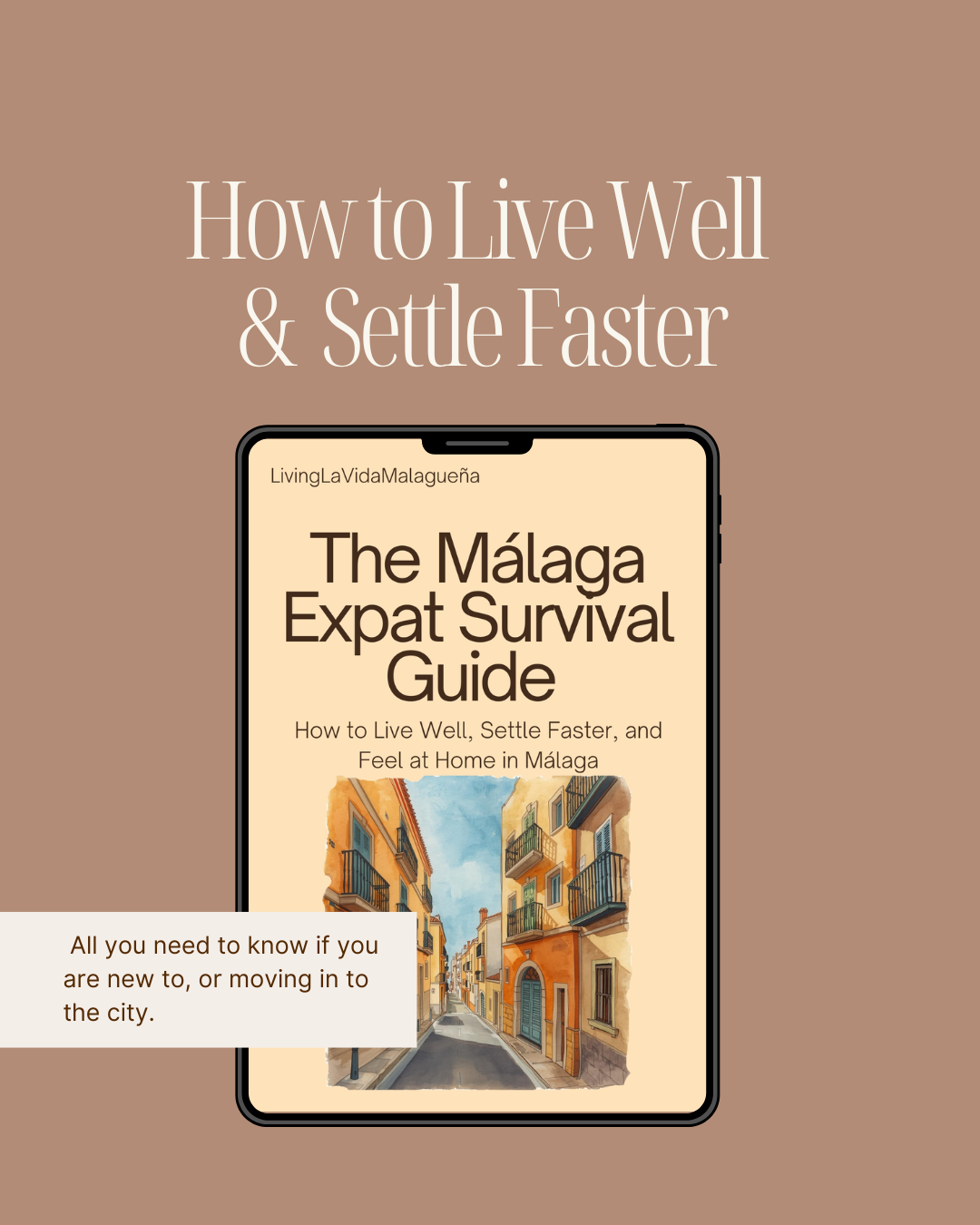
If Málaga specifically is your focus, the Málaga Insider Survival Guide goes much deeper into neighbourhood strategy, realistic expectations, and where locals and expats are actually living now.
Because choosing the right area can dramatically change both your budget and your experience.
The Documentation Problem
One of the hardest parts about renting in Spain as a foreigner isn’t always the price.
It’s convincing landlords to choose you.
Many owners prefer tenants with:
Spanish work contracts
Spanish payslips
local guarantees
long-term stability
Foreigners often arrive without these things.
This is why people working remotely, freelancing, or relocating independently sometimes struggle more than expected — even when they have enough money.
You may be asked for:
several months upfront
proof of savings
employment contracts
tax returns
or guarantors
This is one of the reasons the article on Renting in Spain as a Foreigner is such an important companion piece to this topic. The pricing is only one challenge — the system itself is another.
The Emotional Side of Renting Abroad
There’s also a side people don’t talk about enough.
Apartment hunting abroad is emotionally exhausting.
You’re making financial decisions in a different language, inside an unfamiliar system, often while trying to build an entirely new life at the same time.
And because housing shapes daily life so heavily, every viewing can start to feel strangely personal.
You begin imagining routines before you even sign anything. Which café would become yours. What mornings might feel like there. Whether this apartment could actually become home.
That emotional layer is part of why the process feels so intense for many people.
Especially in Spain, where lifestyle and environment matter so much.
So… Is Spain Still Affordable?
In some places, yes.
In others, not really.
But the more useful question is whether the value still feels worth it.
For many people, it does.
Because while rent prices have risen significantly, Spain still offers:
lower healthcare costs
relatively affordable food
strong public infrastructure
a slower lifestyle
and an overall quality of life that many people struggle to find elsewhere
The important thing is moving with realistic expectations instead of outdated internet fantasies.
Spain can absolutely still be a financially smart move.
But it works best when you understand the numbers honestly from the beginning.

Final Thoughts
Rent in Spain is no longer the bargain many people expect — especially in cities popular with expats and remote workers.
But it’s also not just about the apartment.
You’re paying for a way of living.
The ability to walk outside in January without freezing. Long dinners that start late and somehow last hours. A culture that still values life outside of work. Access to beaches, plazas, sunlight, and community in ways that many countries increasingly struggle to offer.
That doesn’t mean you shouldn’t budget carefully.
It means the real calculation is bigger than rent alone.
A Practical Next Step
If you’re currently planning your move and trying to understand how all the practical pieces fit together — housing, paperwork, budgeting, neighbourhoods, and settling in — the Málaga Insider Guide and the NIE + Padrón Toolkit were created specifically to simplify those early stages.
And if you want personal guidance, be sure to book a personal consultation.
Because moving to Spain becomes much easier once you understand how the system actually works before you arrive.
Frequently Asked Questions about Rental Prices in Spain
-
Rent in Spain varies significantly by city. In Málaga, Valencia, Madrid, and Barcelona, one-bedroom apartments commonly range from €900 to €2,000 depending on location and quality.
-
Spain can still be affordable compared to Northern Europe or the United States, but major cities and coastal areas have become significantly more expensive in recent years.
-
Smaller inland cities and towns such as Granada, Almería, or parts of Andalucía generally offer lower rental prices than Madrid, Barcelona, or Málaga.
-
Most landlords require:
first month rent
one or two months deposit
and sometimes agency fees
This means tenants often need several thousand euros upfront.
-
It can be challenging without Spanish work contracts or local financial history. Many landlords request proof of income, savings, or several months paid in advance.




















Plan Your Move to Spain with Confidence
Moving to Spain is an exciting new chapter, but it also comes with countless tasks, deadlines, and important decisions. From researching visa options and preparing your paperwork to organising your finances, finding accommodation, and planning your arrival, it's easy to feel overwhelmed before you've even packed your suitcase.
The Moving to Spain Checklist & Relocation Planner has been created to help you stay organised throughout the entire relocation process. Instead of managing multiple lists, scattered notes, and endless browser tabs, you'll have one structured planner that guides you through every stage of your move.
Whether you're relocating in a few weeks or simply starting to plan your future in Spain, this practical digital guide provides a clear roadmap to help you stay on track and avoid missing important steps along the way.
Designed by Living La Vida Malagueña, this planner is based on real relocation experience and is intended to simplify the planning process, giving you more confidence as you prepare for your new life in Spain.
What You'll Receive
Your digital planner includes practical checklists and timelines covering every stage of your relocation, including:
Comprehensive Moving to Spain master checklist
Step-by-step relocation timeline
Visa and residency preparation checklist
Financial planning checklist
Accommodation and housing planner
Pre-departure moving checklist
Arrival and settling-in checklist
Printable PDF that can also be completed digitally
Who This Planner Is For
This planner is ideal for:
Anyone planning to move to Spain
First-time expats
Retirees relocating abroad
Digital nomads
Remote workers
Families moving to Spain
Anyone looking for a clear, organised relocation plan
Whether you're moving independently or with your family, this planner helps you approach the process with greater organisation and less stress.
Why You'll Love It
Relocating abroad involves dozens of moving parts, and it's surprisingly easy to overlook important tasks.
This planner has been designed to keep everything together in one place, helping you:
Stay organised throughout your move
Reduce last-minute stress
Keep track of important deadlines
Plan your relocation step by step
Feel more confident during every stage of the process
Simple, practical, and easy to use, you can either print the planner or complete it digitally—whatever works best for your planning style.
Instant Digital Download
This is a digital product.
No physical item will be shipped.
Once your purchase is complete, you'll receive immediate access to download your planner so you can start organising your move straight away.
Please Note
This planner has been created for educational and organisational purposes only.
It does not constitute legal, immigration, tax, or financial advice. Visa regulations and residency requirements can change, so you should always confirm the latest information with the relevant Spanish authorities before making important decisions.
Looking for Personalised Help?
If you'd like tailored advice based on your own relocation plans, you can also book a 45-minute private consultationthrough Living La Vida Malagueña.
Together we'll discuss your situation, answer your questions, and create a personalised action plan to help make your move to Spain smoother and more straightforward.