Learning Spanish as an Adult
What it’s really like to start a new language after moving to Spain
There is a moment most foreigners experience after moving to Spain.
It often happens in a café, a doctor’s office, or a government building. Someone begins speaking quickly in Spanish, and you realise you understood the first sentence… but not the next five.
You smile politely. You nod. You catch a few familiar words.
Then you leave thinking: I really need to learn Spanish.
When people imagine moving to Spain, language is often treated as a side detail. The bigger concerns usually come first — visas, housing, healthcare, and logistics. You might have already navigated some of those steps if you’ve followed recent blog articles like our Spain Visa Guide for Non-EU Citizens or Renting in Spain as a Foreigner.
But once daily life begins, language quickly becomes the key to everything.
Spanish is what connects you to neighbours, helps you understand bureaucratic letters, makes doctor visits easier, and transforms your experience from “living abroad” to actually belonging somewhere.
And learning Spanish as an adult is a very different experience than learning a language in school.
It’s slower sometimes. But in many ways, it’s also richer.
Because every new word unlocks a real moment in your life.
The Myth That Adults Can’t Learn Languages
Many people arrive in Spain believing they are “bad at languages.”
They tried learning French in school twenty years ago. They downloaded a language app once and forgot about it two weeks later. They assume language learning is something only children can do easily.
But research consistently shows something interesting: adults may actually learn faster in the early stages because they understand grammar structures and learning strategies more consciously.
The challenge isn’t ability.
It’s time, confidence, and exposure.
Children learn languages because they are surrounded by them constantly. Adults often spend most of their day working in English, speaking with other expats, or navigating services that already accommodate foreigners.
Spain makes this easier than many countries. In cities like Málaga, Barcelona, and Madrid, you can manage quite comfortably in English for quite a long time.
But “managing” and “integrating” are very different experiences.
The moment you begin understanding the language around you — even imperfectly — the country opens up in a completely new way.
Why Learning Spanish Matters More Than You Think
At first, learning Spanish might seem optional.
After all, you can order food, ask for directions, and schedule appointments using basic phrases or translation apps.
But certain parts of Spanish life become much easier when you understand the language.
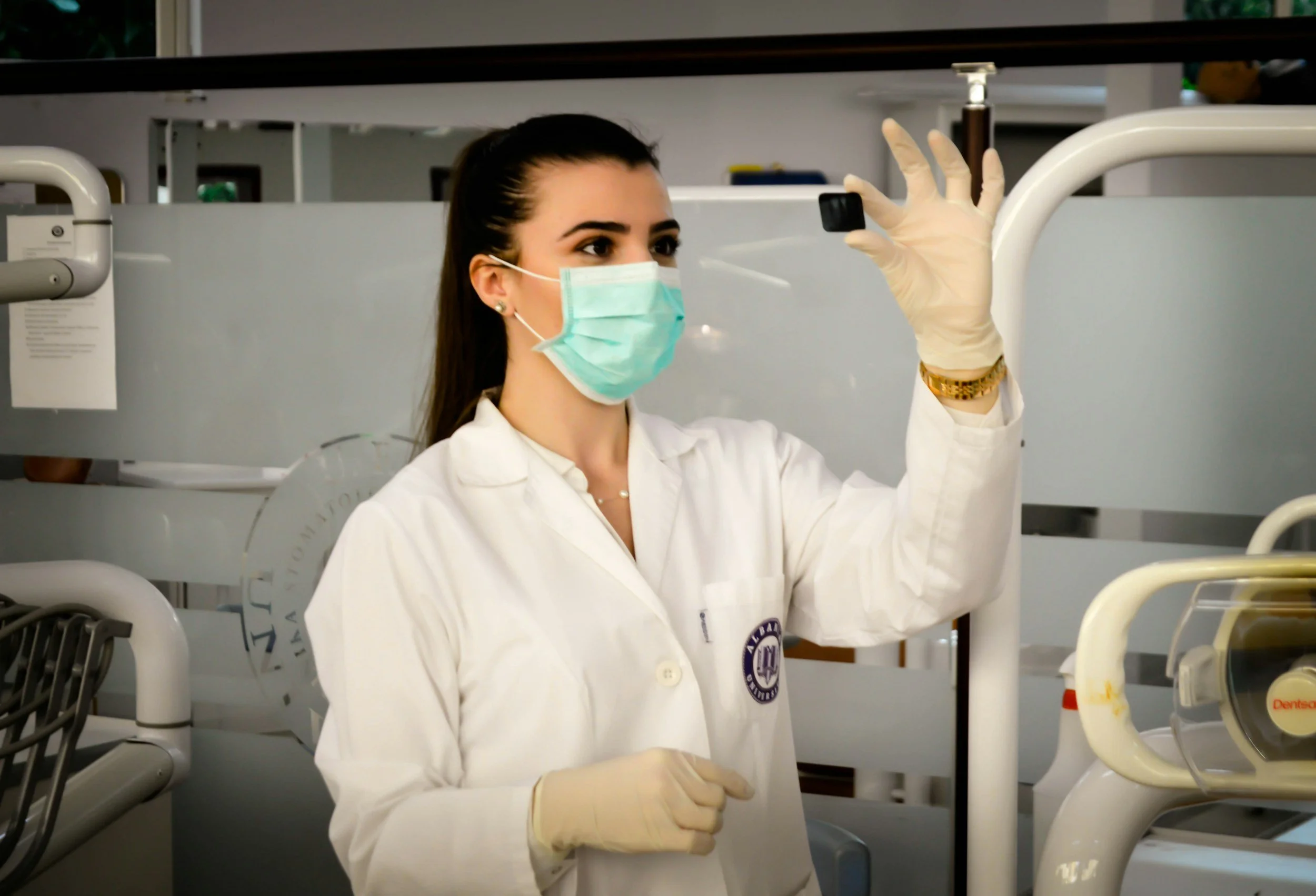
Take healthcare, for example. Spain has an excellent medical system, but appointments often move quickly and doctors may not always switch to English. If you’ve read our Doctors in Spainblog article, you’ll know that consultations can feel rushed even for locals.
Understanding key vocabulary suddenly becomes extremely helpful.
The same applies to administrative processes.
When you deal with immigration offices, rental contracts, or residency renewals, something we explained in our Spain Residency Timelines and Renewals guide, official documents are rarely translated.
Even a moderate level of Spanish dramatically reduces stress in those moments.
But the biggest change isn’t bureaucratic.
It’s social.
The Moment Conversations Begin to Click
Language learning rarely feels linear.
You might study for weeks without feeling progress. Then suddenly one day, while standing in a bakery, you realise you understood an entire conversation happening beside you.
Not every word — but enough to follow the story.
That moment is powerful.
Because it’s the moment the language stops being an abstract subject and becomes something alive around you.
In Spain especially, conversations happen everywhere.
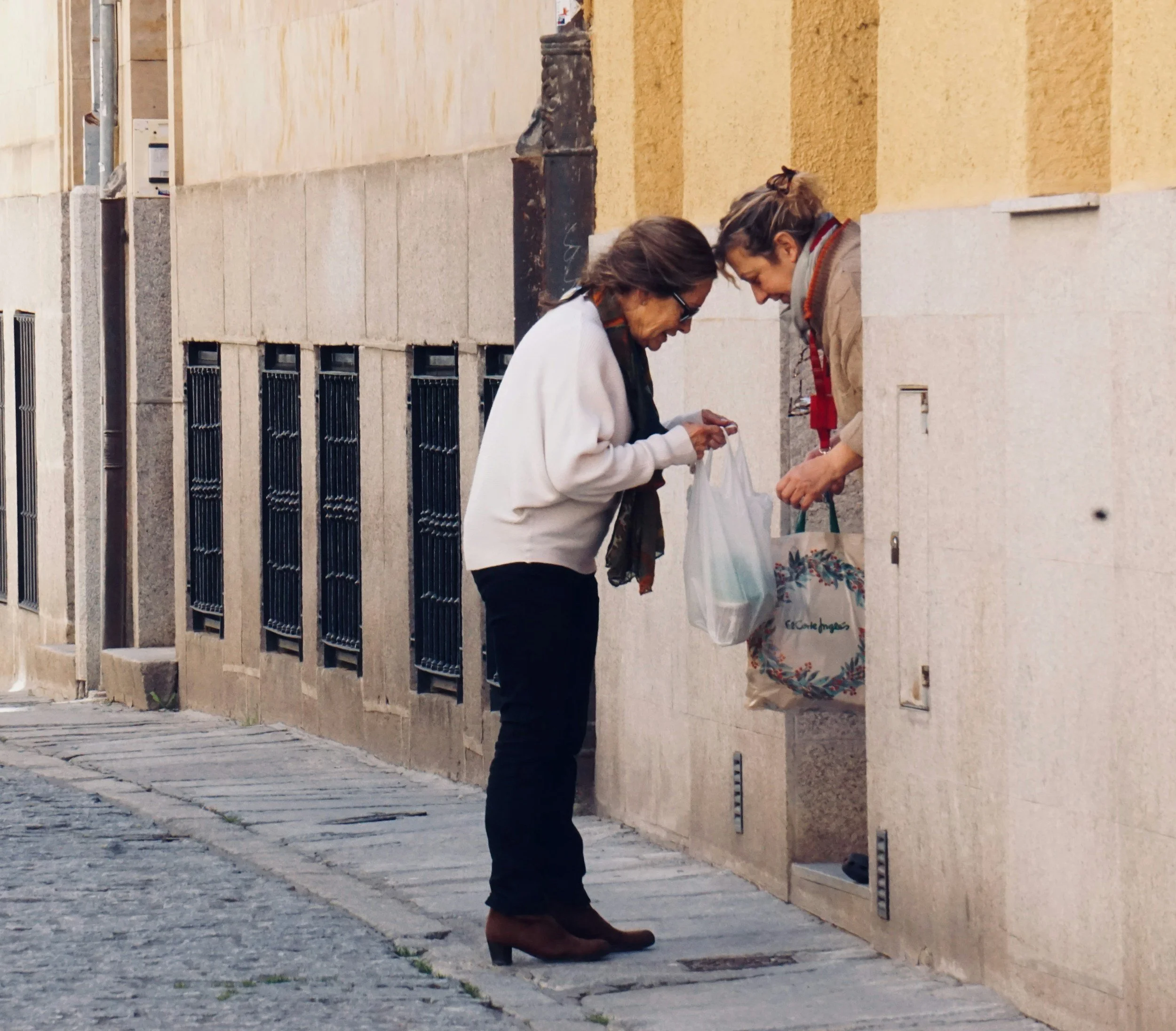
Neighbours chat in the street. Shop owners greet regular customers. Entire families gather in cafés late into the evening.
Spanish culture is incredibly social, and language is at the centre of it.
Learning even a little allows you to participate in that rhythm instead of observing it from the outside.
The Best Way to Start Learning Spanish as an Adult
Many newcomers immediately download language apps.
Apps can help build vocabulary and basic grammar, but they rarely create real conversational ability on their own.
Language learning works best when three things happen at the same time:
You study regularly.
You hear the language constantly.
You use it in real situations.
Living in Spain already solves the second part. Spanish surrounds you every day.
What matters is creating opportunities to use it, even when it feels uncomfortable.
That might mean ordering food without switching to English. Asking your landlord a question in Spanish. Or introducing yourself to a neighbour with the few sentences you know.
Those small interactions build confidence much faster than memorising hundreds of vocabulary words.
Málaga Is Actually a Great Place to Learn Spanish
Some cities can be overwhelming for language learners.
Fast accents, crowded environments, and constant noise make listening difficult.
Málaga, on the other hand, offers a surprisingly good environment for learning Spanish.
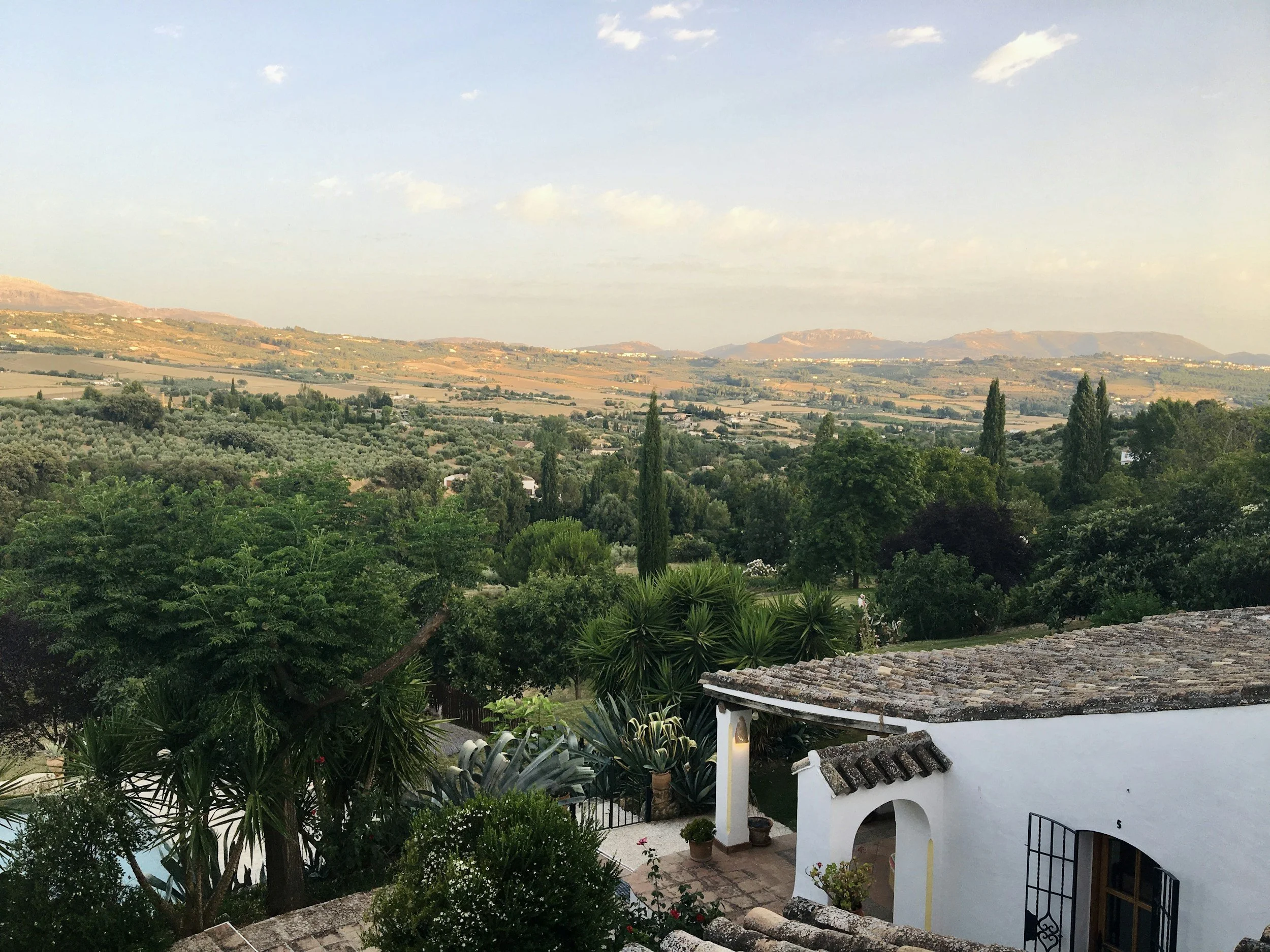
Life here unfolds outdoors. Conversations happen in plazas, cafés, and markets where you can listen naturally without pressure to respond immediately.
If you’ve read our Spring in Málagaarticle, you’ll know how social the city becomes when the weather warms up. Terraces fill, neighbourhoods come alive, and everyday interactions multiply.
Those moments are language lessons in disguise.
Ordering coffee becomes vocabulary practice. Listening to people chat at the next table becomes listening comprehension.
The city becomes your classroom.
The Accent Question Everyone Asks
Many foreigners worry about the Andalusian accent.
It’s true that Andalusian Spanish can sound different from the Spanish taught in textbooks. Certain letters are softened or dropped in casual speech.
At first, this can feel confusing.
But the good news is that language learners usually adapt surprisingly quickly. Once your ear adjusts to the rhythm, comprehension improves naturally.
And if you travel through Spain — perhaps exploring some of the cities mentioned in Best Cities in Spain for Digital Nomads — you’ll hear even more regional variations.
Spanish is not one uniform sound.
It’s a living language with many local flavours.
Building Spanish Into Your Daily Routine
The biggest challenge adults face with language learning is consistency.
Life gets busy. Work takes priority. Administrative tasks pile up. Before you know it, weeks pass without studying.
Instead of relying on motivation alone, it helps to build Spanish into everyday routines.
Listen to Spanish podcasts while walking through the city. Watch Spanish TV shows with subtitles. Read simple news articles online.
Small daily exposure compounds quickly.
Even fifteen minutes per day over several months can create noticeable improvement.
Language and Freelance Life in Spain
For freelancers and remote workers, Spanish can also open professional opportunities.
If you’re building an independent career, something we explored in our Freelancing in Spainarticle, even intermediate Spanish allows you to work with local clients, collaborate with Spanish professionals, and expand your network.
It doesn’t require perfect fluency.
But being able to communicate comfortably in meetings, emails, and informal conversations can dramatically broaden your professional world.
Language becomes a tool, not just a skill.
Renting, Bureaucracy, and the Language Barrier
Another moment when Spanish becomes valuable is housing.
Many rental listings and contracts are written entirely in Spanish. Landlords often prefer communicating in their native language as well.
If you’ve explored and read The Complete Guide to Rental Contracts in Spain, you’ll know that understanding the details of a contract matters.
Learning even basic legal vocabulary — words like contrato, depósito, duración, or aviso previo — makes navigating those conversations far easier.
Language learning often begins with survival phrases but quickly expands into the practical vocabulary of daily life.
Accepting That Progress Is Messy
One of the most freeing realisations about learning Spanish is that mistakes are inevitable.
You will mix up verb tenses.
You will mispronounce words.
You will occasionally say something unintentionally funny.
But Spaniards are generally very encouraging toward people who try to speak their language. Most appreciate the effort and will happily help you find the right word.
Confidence grows faster when you allow yourself to be imperfect.
Fluency isn’t built from perfect sentences.
It’s built from thousands of imperfect conversations.
The Real Reward of Learning Spanish
Eventually something unexpected happens.
You stop translating everything in your head.
You begin thinking directly in Spanish during certain moments.
You follow conversations without concentrating as hard.
Suddenly Spain feels different.
It no longer feels like a country you’re visiting.
It feels like a place you belong.
Language is what transforms a destination into a home.
And that transformation is one of the most rewarding parts of building a life here.
Frequently Asked Questions about Learning Spanish as an Adult
-
Learning Spanish as an adult can feel challenging at first, but many adults progress quickly because they understand learning strategies and grammar concepts more clearly than children. Consistent practice and real-life exposure make the biggest difference.
-
The time required varies depending on study intensity and exposure. With regular practice and immersion, many learners reach conversational Spanish within 6–12 months.
-
It is possible to live in Spain without speaking Spanish, especially in larger cities. However, learning the language makes daily life significantly easier, particularly when dealing with healthcare, bureaucracy, and local communities.
-
The most effective approach combines structured learning with daily immersion. Language classes, conversation practice, listening to Spanish media, and interacting with locals help reinforce new vocabulary and grammar.
-
Yes. Málaga offers a social culture, relaxed pace, and many opportunities to hear and practise Spanish in everyday situations. The city also has numerous language schools and international communities.




















Moving to Spain is exciting, but the first few months can quickly feel overwhelming. Appointments, paperwork, unfamiliar systems, and administrative steps often pile up before you have a chance to feel settled.
The First 90 Days After Moving to Spain – Checklists & Planner is a practical, step-by-step companion designed to help you stay organised, calm, and informed during your first three months in the country.
This planner does not overwhelm you with theory or legal jargon. Instead, it focuses on what needs to be done, when it usually happens, and how to keep track of it all, based on how relocation actually works in Spain.
What This Planner Helps You Do
This guide walks you through your first 90 days in Spain in a clear, chronological way, helping you:
Understand which administrative steps matter most at each stage
Avoid missing key registrations, appointments, or documents
Keep all your reference numbers, appointments, and notes in one place
Reduce stress by breaking the process into manageable phases
It is designed to work alongside your existing relocation research, not replace it, making it the perfect add on.
Ready to feel more organised during your first months in Spain?
The first 90 days are when most delays and avoidable stress tend to happen. Having a clear structure and one place to track appointments, documents, and next steps can make settling in significantly easier.
👉 Add the First 90 Days After Moving to Spain: Checklists & Planner to your order now.