Spring in the Province of Málaga & The Best Day Trips From the City
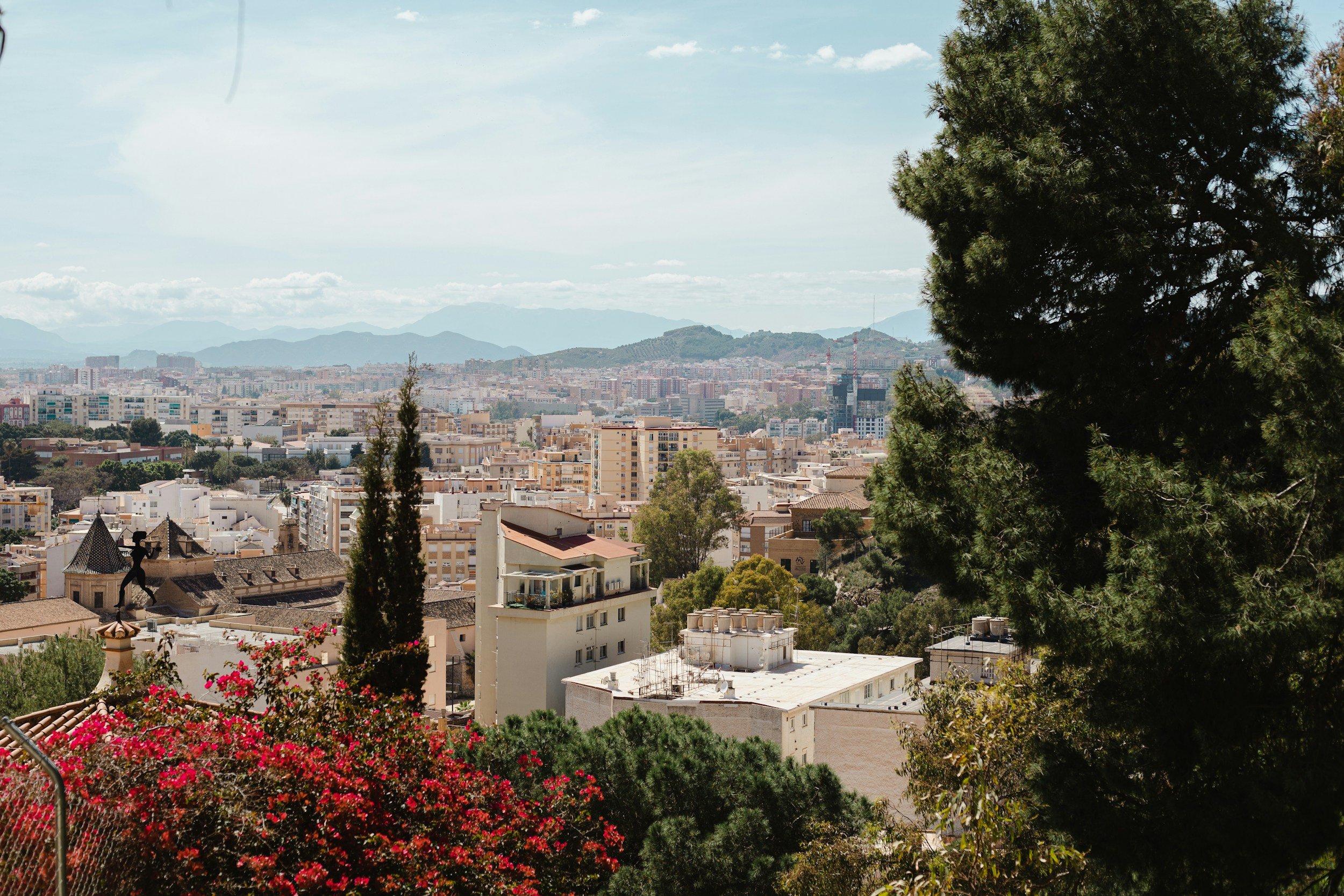
There is a very specific moment when you realise spring has arrived in Málaga.
It’s not dramatic. It’s not a calendar date. It’s a shift in the air.
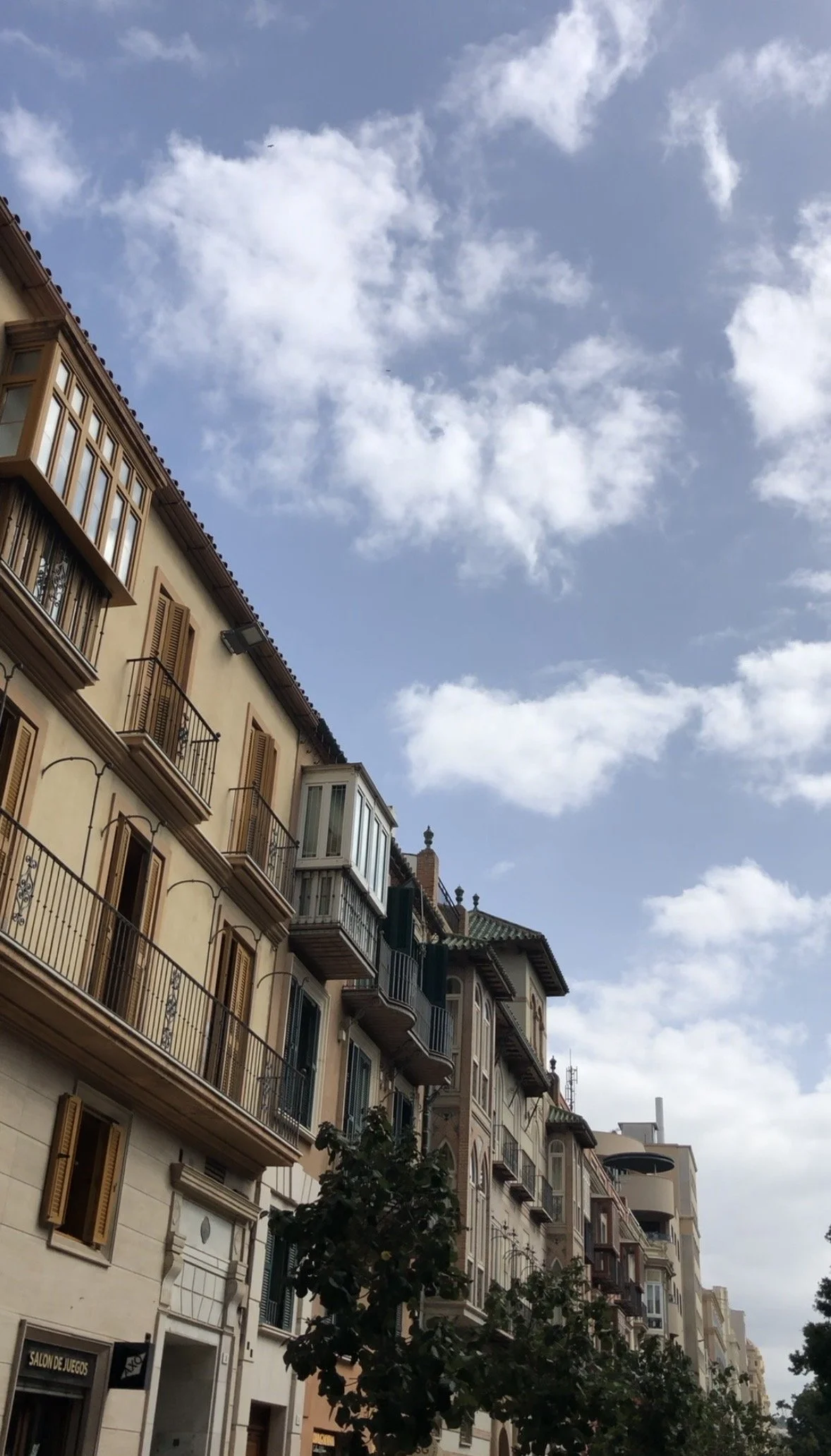
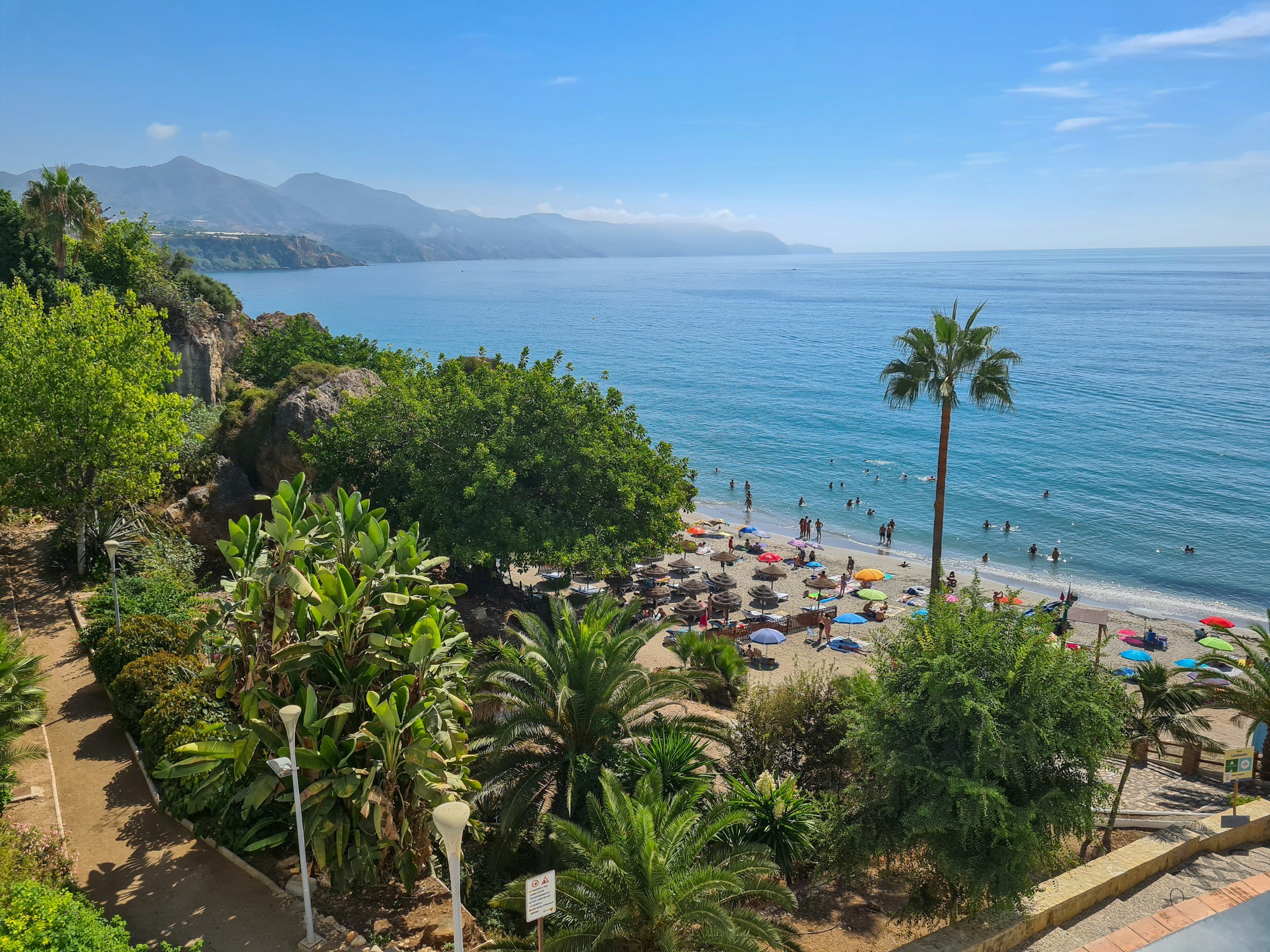
The light becomes softer but brighter at the same time. Orange blossoms start scenting entire streets. Locals sit outside longer in the evenings. The beaches are no longer empty, but they’re not yet crowded. The mountains surrounding the city glow green after winter rains.
Spring in the province of Málaga is not just a season — it’s an atmosphere.
And if you’re living here long-term, or planning to, spring is when the province truly reveals itself.
This is when you stop seeing Málaga as “a city by the sea” and start seeing it as the centre of an entire region filled with white villages, dramatic landscapes, coastal roads, and slow afternoons that stretch into golden evenings.
Let’s explore what spring really feels like here, and also where you should go when the urge for a day trip hits.
What Spring in Málaga Actually Feels Like
From March through early June, Málaga moves through its most comfortable season.
Daytime temperatures typically range between 18°C and 26°C. The humidity is low. Evenings require a light jacket. The sun is strong but not oppressive. Rain appears occasionally, usually in short bursts, and leaves the mountains greener than you’ll see them at any other time of year.
For newcomers, especially those who have recently navigated the paperwork chaos described in The First 30 Days in Spain: What You Must Do, spring feels like a reward.
It’s the season when you start enjoying why you moved here in the first place.
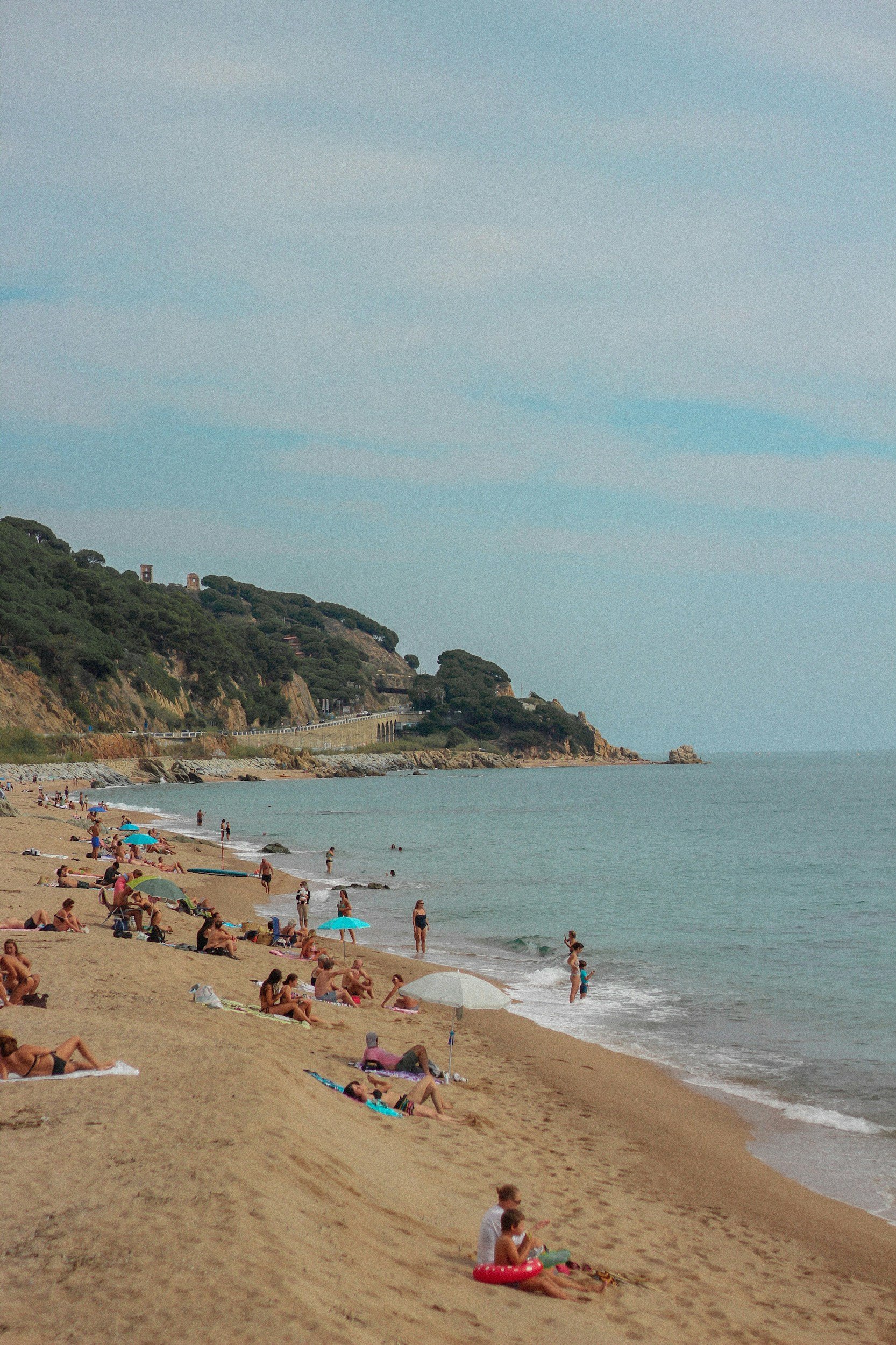
Cafés spill into plazas. Rooftop terraces reopen. Semana Santa processions fill the streets with candlelight and music. By May, the beaches are warm enough for afternoon swims without the density of peak summer tourism.
Looking to rent in Spain? Also check out Renting an Apartment in Spain and Apartment Scams to Avoid in When Renting in Spain.
If you’re budgeting your life here and wondering how lifestyle aligns with reality, the seasonal rhythm also affects cost and availability, something I touched on in Cost of Living in Málaga and Spain. Spring is often the sweet spot before summer rental surges begin.
The Rhythm of the City in Spring
Spring in Málaga city is not rushed.
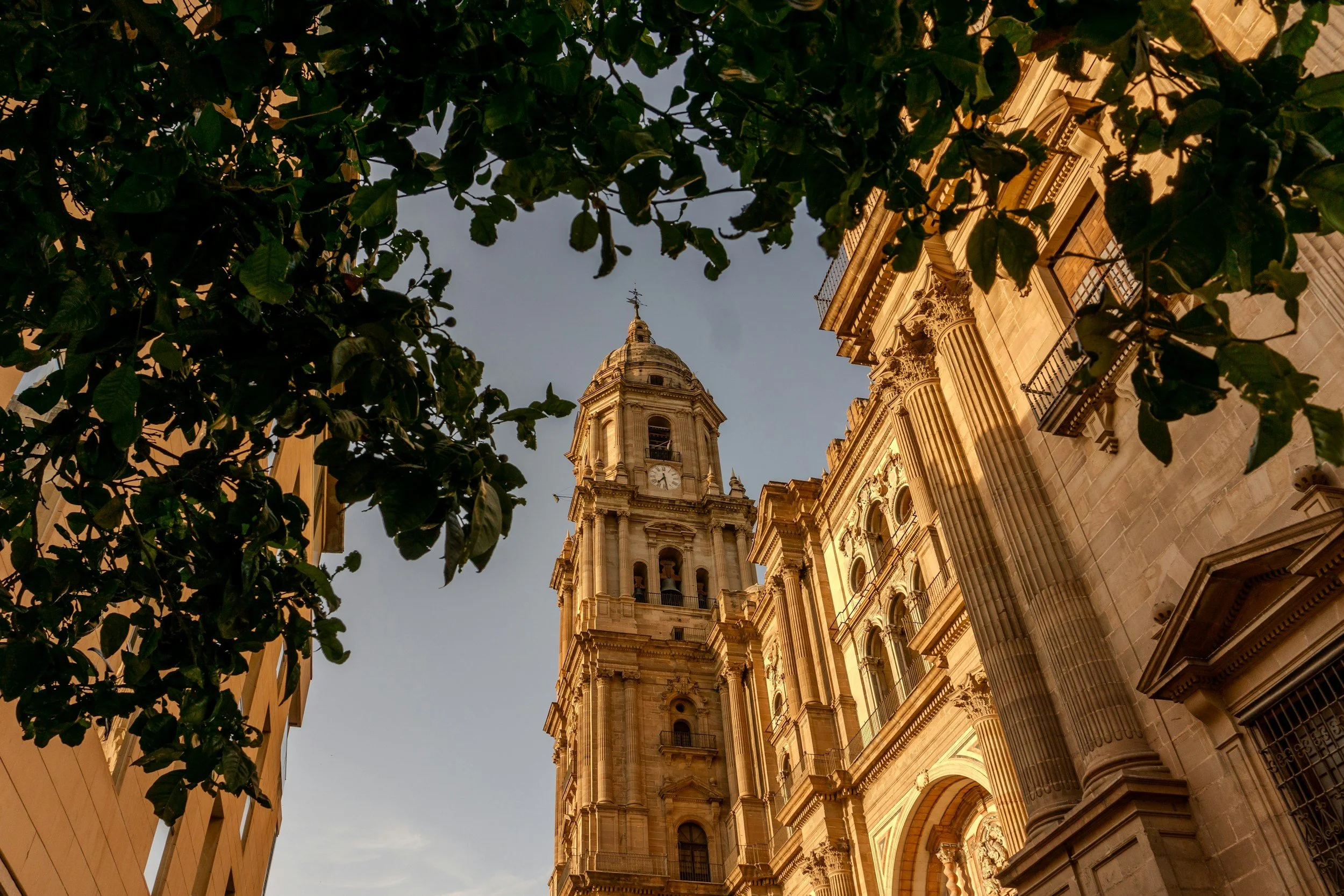
Mornings are ideal for walking through the historic centre before cruise passengers arrive. The light hitting the cathedral is softer than in summer. The port area at Muelle Uno becomes a place to sit with coffee instead of escaping heat.
Locals return to terraces in neighbourhoods like Pedregalejo and El Palo. Evenings stretch longer, and dinner rarely starts before 9 pm.
If you’ve chosen Málaga after researching Best Cities in Spain for Digital Nomads, this is when you understand why it consistently ranks highly: you can work during the day and still have energy to explore in the evening.
But the real magic of spring lies beyond the city itself.
The Province of Málaga: A Landscape Made for Day Trips
Within one hour of Málaga city, you can reach mountains, white villages, dramatic cliffs, lakes, subtropical valleys, and quiet coastal towns.
Living here means having constant access to change of scenery without needing flights or long travel planning. It’s one of the ways that made Spain feel more of a home for me. Something that I also talk about extensively in Settling into Life in Spain: Finding Home Away from Home.
Below are some of the most rewarding spring day trips within approximately an hour’s drive from Málaga, not as a checklist, but as experiences.
Ronda: Dramatic Views and Crisp Mountain Air
Ronda in spring feels cinematic.
Perched high above a gorge, with the Puente Nuevo bridge cutting across the valley, the town feels cooler than the coast. Spring wildflowers grow along cliff edges. The air is noticeably fresher. It’s also one of the cities in the south with a very authentic Spanish or Andalusian town. It’s a bit less massive, and way less commercialised compared to the Costa del Sol. If you’re not sure if that’s something for you, also check out Culture Shocks in Spain.
Go early to avoid bus tours. Walk through the old town slowly. Sit in Plaza Duquesa de Parcent and watch daily life unfold. Spring is also ideal for exploring the surrounding Serranía de Ronda hiking routes before summer heat makes it uncomfortable.
Ronda reminds you that Andalucía is more than beaches.
Frigiliana: Whitewashed Perfection Without Summer Crowds
Frigiliana, often described as one of Spain’s most beautiful villages, sits just above Nerja in the Axarquía region.
In summer it can feel busy. In spring, it feels calm.
Narrow cobbled streets wind upward between whitewashed houses decorated with flowers. From the top, you see the Mediterranean stretching wide and blue.
Pair this with a visit to Nerja’s coastline for balance — cliffs, coves, and early-season swimming if you’re brave enough.
Caminito del Rey: Spring Is the Only Time to Do It Comfortably
The Caminito del Rey, a dramatic walkway built along a steep gorge, is best experienced in spring.
In summer, heat radiates off the rock walls. In winter, it can be windy and closed due to weather conditions. In spring, temperatures are ideal.
Book in advance. Wear comfortable shoes. Take your time.
The surrounding landscape is green and filled with birds, something you won’t see later in the year.
Mijas Pueblo: Classic Andalucía Close to Home
Mijas Pueblo is one of the easiest day trips from Málaga, as it’s only about 30 minutes by car.
In spring, the white buildings contrast sharply against blue skies. The village feels lively but not overwhelmed.
Wander without a strict plan. Stop for coffee overlooking the coast. Visit small artisan shops. Then head slightly outside the main tourist streets for quieter residential corners.
It’s the kind of place you might overlook if you live here, but revisiting in spring reminds you why it became famous.
El Torcal de Antequera: A Different Planet
If you want something entirely different, drive to El Torcal near Antequera.
The limestone rock formations look almost prehistoric. Spring brings green ground cover and wildflowers between the rocks, softening the dramatic landscape.
Hiking routes are well-marked, and temperatures are ideal before summer heat sets in.
Pair this with lunch in Antequera itself — a town often bypassed but full of history and impressive architecture.
Nerja & Maro: Cliffs and Clear Water
Nerja is more than its famous Balcón de Europa viewpoint.
In spring, the beaches near Maro are quieter. The water is clear. The hills behind the town are green rather than dry.
You can combine walking, swimming, and lunch overlooking the sea in one afternoon, something that feels far more rushed during high summer.
Casares: A White Village Without the Hype
If all this talk about Málaga got you excited about moving to Málaga, also read Living in Málaga as an Expat.
Casares is less visited than Frigiliana or Mijas but equally stunning. Houses cascade down the hillside beneath a ruined castle. Spring greenery softens the landscape, and the road approaching the village offers dramatic views. It feels authentic, residential, and less curated.
Practical Tips for Spring Day Trips
Spring weather is forgiving but layered.
Mornings can feel cool in mountain villages like Ronda or Antequera. Bring layers. Comfortable shoes matter — many villages are built on steep cobbled streets.
Parking in smaller villages is easier before summer, but still aim to arrive early. Sunday afternoons are particularly popular for local day-trippers.
If you’re renting a car, factor in seasonal rental price changes — something often underestimated in relocation budgets. A second hand car will go usually for 5-7000 euros, and also keep in mind that you will have to register the license and car. Furthermore, paying for insurance and Impuestos sobre Vehículos de Tracción Mecánica (IVTM), the Spanish equivalent of road tax, will not break the bank, but they do add up.
Why Spring Is the Best Time to Fall in Love With Málaga Province
Summer in Málaga is vibrant but intense. Beaches are crowded. Temperatures can exceed 35°C. Coastal roads become busy.
Spring, in contrast, feels spacious.
You have access to everything — beaches, mountains, festivals, markets, without pressure.
It’s also the season when many new residents begin to feel settled. Administrative tasks are completed. Your social life begins to blossom, or if you are not sure how to navigate this, the article about How to Make Friends in Spain should be your next read. You understand how healthcare works after navigating Doctors in Spain and Public vs Private Healthcare in Spain Your daily routine feels stable.
And suddenly, a spontaneous Tuesday afternoon drive to a white village becomes normal.
That’s when Málaga stops being a relocation experiment and starts feeling like home.
Living La Vida Malagueña Is About Proximity
What makes life here exceptional isn’t just the city itself.
It’s the fact that within one hour, you can move between climates, landscapes, and atmospheres. You can work in a café overlooking the port one day and hike through limestone formations the next.
Málaga province offers diversity without distance.
Spring simply reveals it at its best.
Frequently Asked Questions about Spring in Málaga & Day Trips
-
Spring in Málaga (March to May) is one of the most pleasant times of year. Temperatures typically range between 18–25°C during the day, with cooler evenings in early spring. Rain is possible in March, but April and May are usually sunny and mild. The sea begins to warm up, terraces fill with locals, and the city feels lively without the intense heat of summer.
-
Yes, many locals consider spring the best season to experience Málaga. The weather is warm but comfortable, tourist crowds are manageable, flowers are blooming, and outdoor activities such as hiking, exploring white villages, and beach walks are ideal. It’s also the perfect time for day trips before the peak summer traffic begins.
-
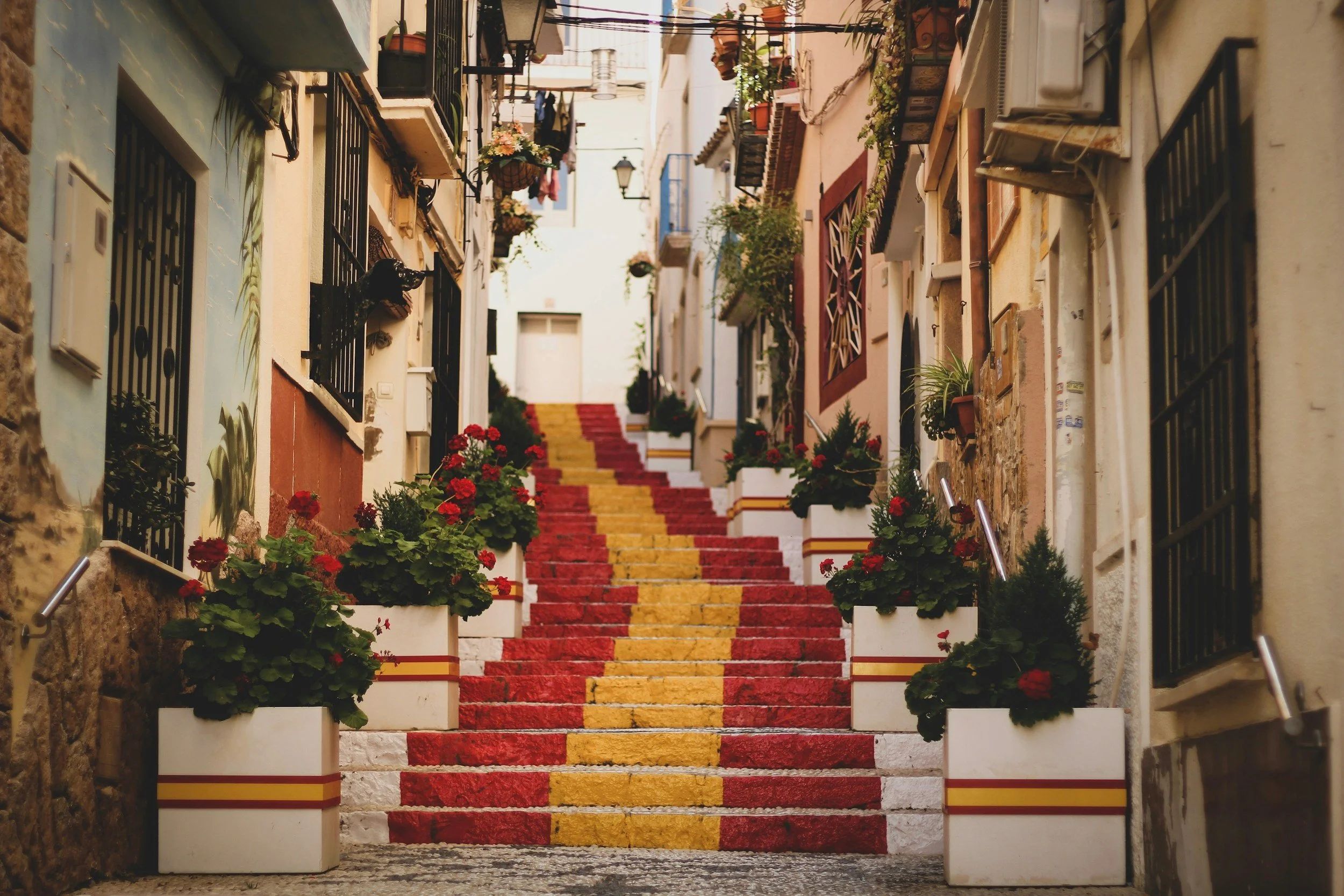
Some of the most picturesque white villages (pueblos blancos) near Málaga include Frigiliana, Mijas Pueblo, and Casares. These villages are known for narrow cobbled streets, whitewashed houses, mountain views, and traditional Andalusian charm. Spring is the best time to visit when flowers cascade from balconies and temperatures are ideal for walking.
-
There are many beautiful destinations within an hour’s drive from Málaga city, including:
Nerja
Frigiliana
Mijas Pueblo
Ronda
Antequera
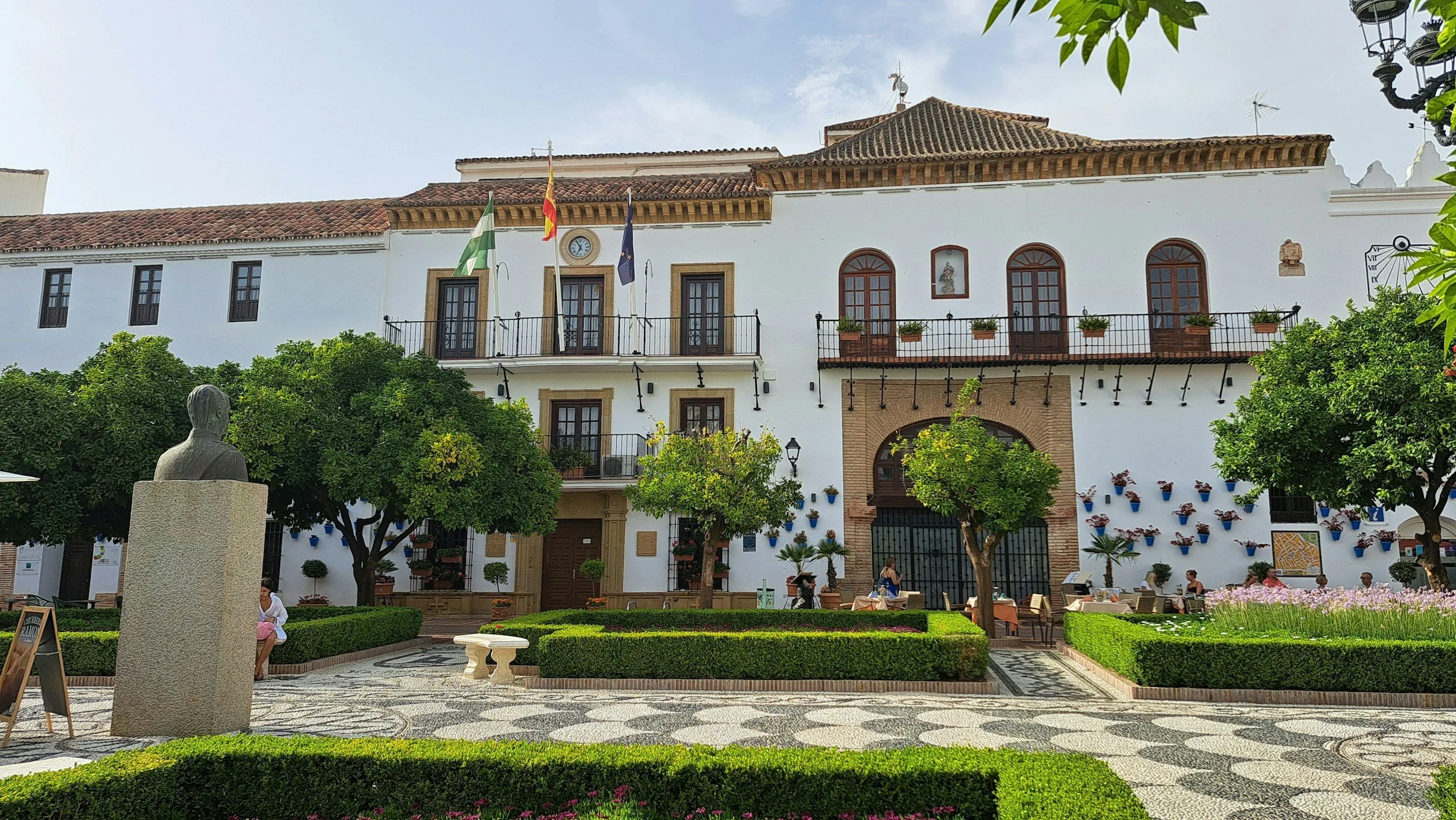
Marbella’s Old Town
Benalmádena Pueblo
El Torcal Natural Park
Each offers a different experience — from dramatic cliffside views to historic old towns, natural parks, and authentic Andalusian village life.
-
You can swim in late spring, particularly in May when sea temperatures become more comfortable. However, early spring sea temperatures may feel refreshing rather than warm. Many locals begin beach days in April, especially during sunny afternoons.
-
Light layers are essential. Think short-sleeves or a thin long sleeve with a jacket during the mornings and evenings. Long pants are worn well into March, though on a sunny day you will find a mix of personal preferences. For a day-trip, bring comfortable walking shoes for cobbled streets, a light jacket for evenings, sunglasses, sunscreen, and breathable clothing.
-
Spring is considered shoulder season, meaning it’s busier than winter but far calmer than July and August. Easter (Semana Santa) can be particularly busy, as it’s one of Andalucía’s most important celebrations.












Plan Your Move to Spain with Confidence
Moving to Spain is an exciting new chapter, but it also comes with countless tasks, deadlines, and important decisions. From researching visa options and preparing your paperwork to organising your finances, finding accommodation, and planning your arrival, it's easy to feel overwhelmed before you've even packed your suitcase.
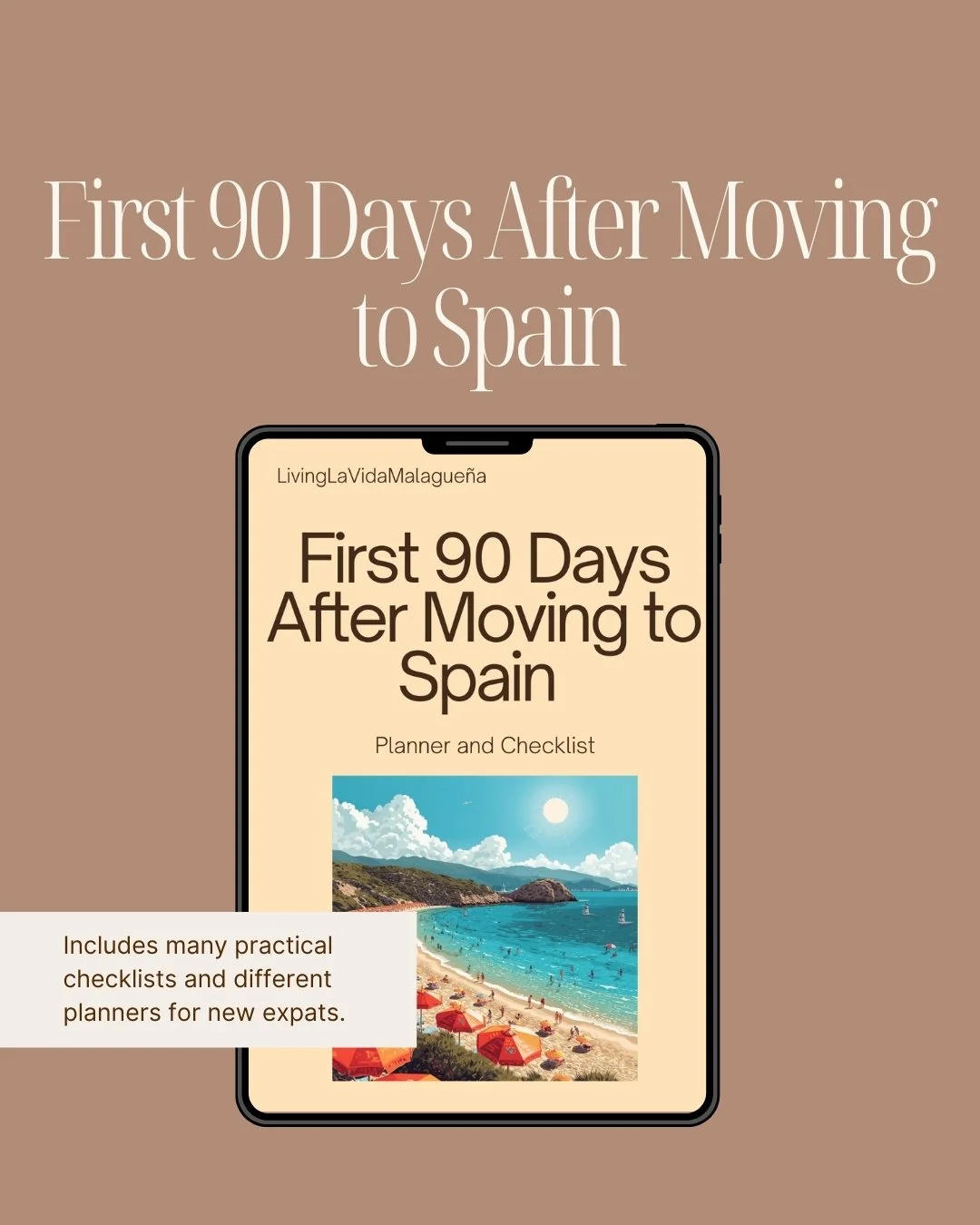
The Moving to Spain Checklist & Relocation Planner has been created to help you stay organised throughout the entire relocation process. Instead of managing multiple lists, scattered notes, and endless browser tabs, you'll have one structured planner that guides you through every stage of your move.
Whether you're relocating in a few weeks or simply starting to plan your future in Spain, this practical digital guide provides a clear roadmap to help you stay on track and avoid missing important steps along the way.
Designed by Living La Vida Malagueña, this planner is based on real relocation experience and is intended to simplify the planning process, giving you more confidence as you prepare for your new life in Spain.
What You'll Receive
Your digital planner includes practical checklists and timelines covering every stage of your relocation, including:
Comprehensive Moving to Spain master checklist
Step-by-step relocation timeline
Visa and residency preparation checklist
Financial planning checklist
Accommodation and housing planner
Pre-departure moving checklist
Arrival and settling-in checklist
Printable PDF that can also be completed digitally
Who This Planner Is For
This planner is ideal for:
Anyone planning to move to Spain
First-time expats
Retirees relocating abroad
Digital nomads
Remote workers
Families moving to Spain
Anyone looking for a clear, organised relocation plan
Whether you're moving independently or with your family, this planner helps you approach the process with greater organisation and less stress.
Why You'll Love It
Relocating abroad involves dozens of moving parts, and it's surprisingly easy to overlook important tasks.
This planner has been designed to keep everything together in one place, helping you:
Stay organised throughout your move
Reduce last-minute stress
Keep track of important deadlines
Plan your relocation step by step
Feel more confident during every stage of the process
Simple, practical, and easy to use, you can either print the planner or complete it digitally—whatever works best for your planning style.
Instant Digital Download
This is a digital product.
No physical item will be shipped.
Once your purchase is complete, you'll receive immediate access to download your planner so you can start organising your move straight away.
Please Note
This planner has been created for educational and organisational purposes only.
It does not constitute legal, immigration, tax, or financial advice. Visa regulations and residency requirements can change, so you should always confirm the latest information with the relevant Spanish authorities before making important decisions.
Looking for Personalised Help?
If you'd like tailored advice based on your own relocation plans, you can also book a 45-minute private consultationthrough Living La Vida Malagueña.
Together we'll discuss your situation, answer your questions, and create a personalised action plan to help make your move to Spain smoother and more straightforward.