What I Wish I Knew Before I Moved to Spain

Moving to Spain is one of those decisions that often feels right long before it feels easy.
You picture sunshine, a slower pace of life, café terraces, warm evenings, and finally escaping the constant rush. And while all of that is real, there are also things no one really explains to you until you are already living them.
This is not a regret-filled list. I do not wish I had not moved. But there are many things I wish I had understood earlier — things that would have saved me stress, time, money, and a lot of unnecessary self-doubt.
If you are planning a move, somewhere in the middle of it, or already here wondering why it feels harder than expected, this article is for you.
I Wish I Knew That Loving Spain and Struggling Here Can Coexist
One of the biggest surprises was how confusing it felt emotionally. I expected to either love it or struggle with it — not both at the same time.
You can adore the lifestyle and still feel overwhelmed by the systems. You can feel grateful and frustrated in the same week, sometimes the same day. This emotional contradiction is incredibly common, especially in the first year.
Many people experience this phase after the initial excitement wears off and reality sets in — something we explore more deeply in Spanish Culture Shocks and Settling Into Life in Spain. Knowing this earlier would have saved me from thinking something was “wrong” with me for not feeling settled straight away.
I Wish I Knew That Spain Is Not Bureaucratically Simple
Spain looks relaxed on the surface, but administratively, it is anything but.
I wish I had known how much time, patience, and preparation even the simplest tasks would require. Registering on the padrón, applying for a NIE, opening a bank account, renting an apartment — each process comes with its own rules, documents, appointments, and delays.
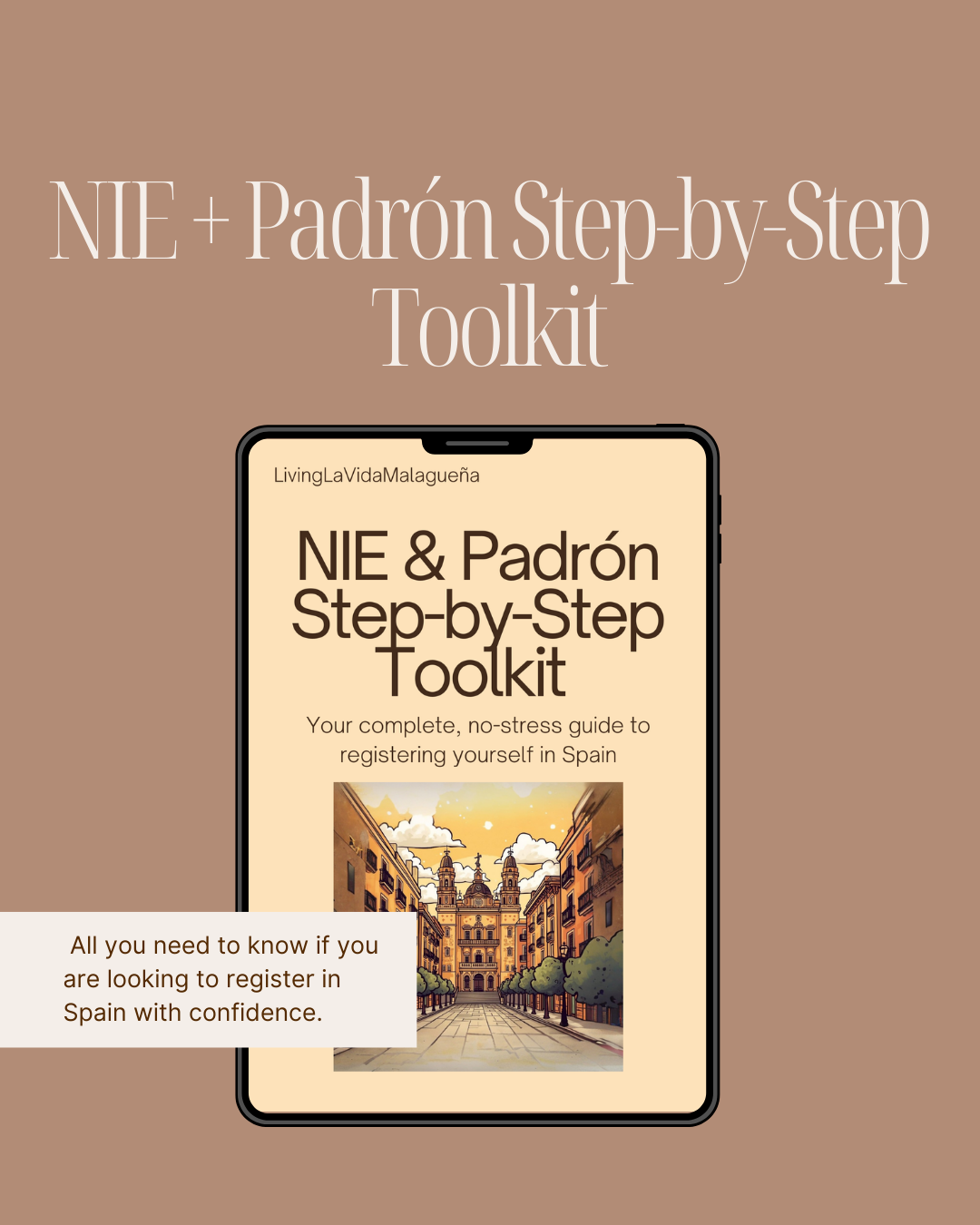
What makes it harder is that information is often unclear, outdated, or contradictory. That is why having reliable guidance matters so much, especially at the beginning. Our NIE Explained and Padrón Explained blog articles exist precisely because so many people struggle with these steps unnecessarily.
The biggest lesson? Expect things to take longer than planned, and never assume something is “done” until it truly is.
I Wish I Knew That Timing Matters More Than I Thought
Spain runs on a very specific rhythm, and if you try to live on your old schedule, you will constantly feel out of sync.
Appointments, office hours, shop openings, meal times, and even productivity peaks follow a different flow. Trying to do errands at 4 pm or expecting fast responses in August is a recipe for frustration.
Once I understood how time works here — including siesta hours, late evenings, and seasonal slowdowns — daily life became much easier. This adjustment is a big part of what people describe as culture shock, and it is something we break down in detail in the last article Spanish Culture Shocks.
Spain rewards those who adapt to its rhythm rather than resist it.
I Wish I Knew How Hard Renting Would Be
Renting in Spain is one of the most stressful parts of moving, and it often catches people off guard.
I wish I had known:
How competitive the rental market can be
How quickly good properties disappear
How many documents landlords may request
How different contracts and expectations can be
Many newcomers assume renting will be informal or flexible. In reality, it can be rigid, fast-paced, and confusing — especially if you do not yet have Spanish paperwork, a local bank account, or a work contract.
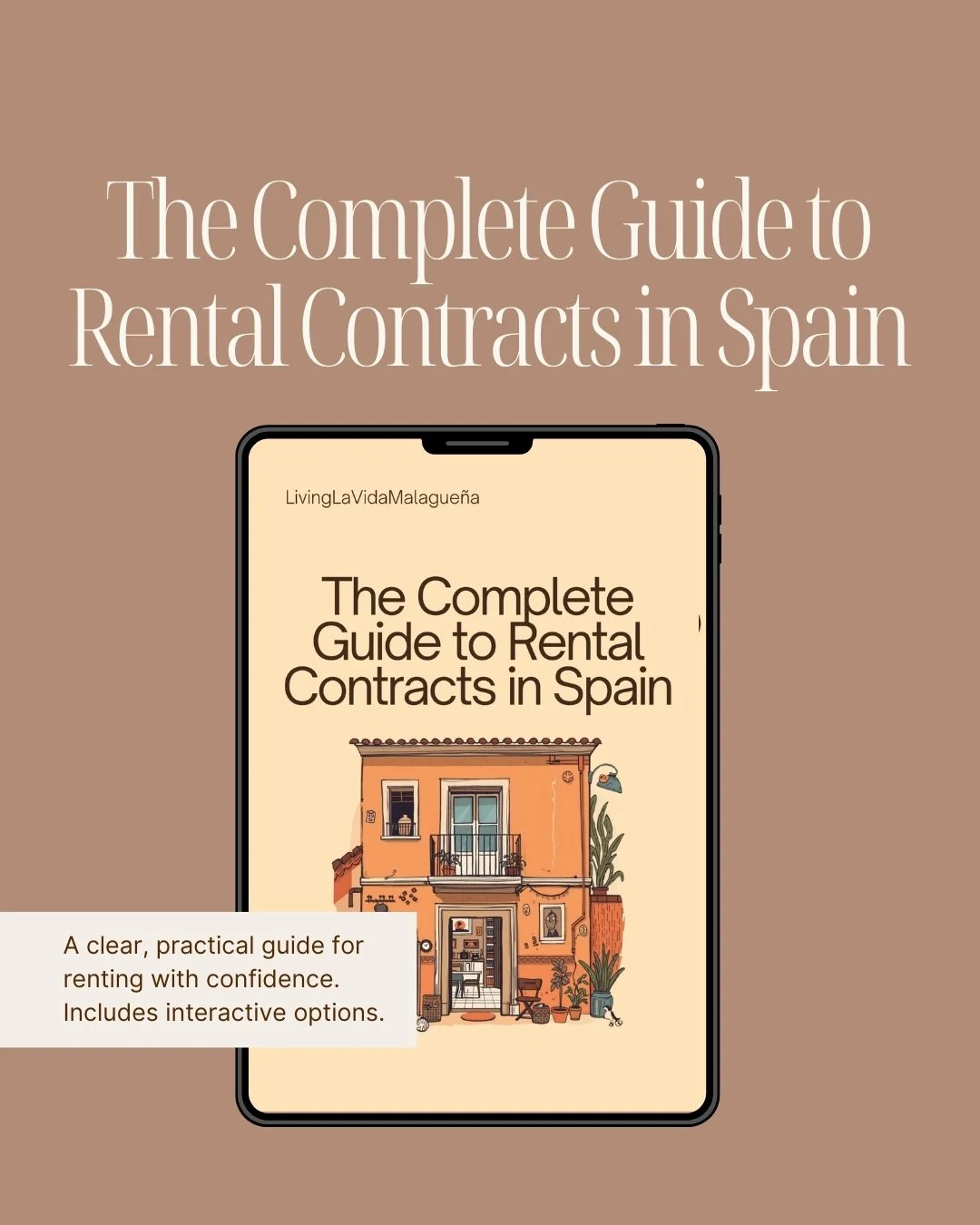
This is exactly why The Complete Guide to Rental Contracts in Spain is one of the most-read and bought guides on Living La Vida Malagueña. Knowing what landlords expect before you start looking makes a huge difference.
I Wish I Knew That Language Impacts Everything
You can survive in Spain without fluent Spanish, but life becomes significantly easier once you understand even the basics.
Language affects:
Bureaucracy
Healthcare
Renting
Work opportunities
Social integration
I underestimated how mentally exhausting it would be to constantly navigate important situations in a language I did not fully understand. Even learning key administrative phrases earlier would have saved a lot of stress.
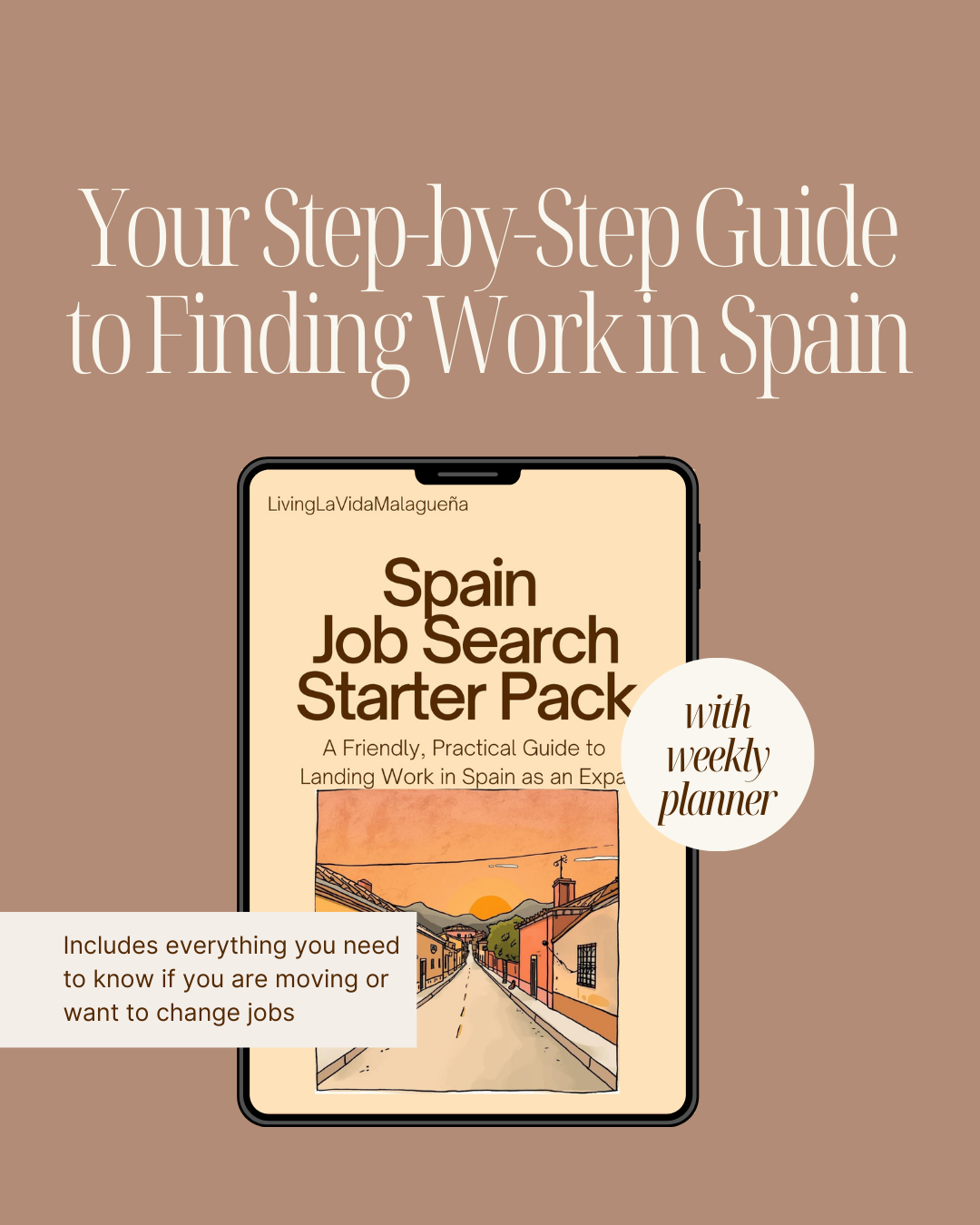
If you are planning to work, this becomes even more important. Spanish dramatically increases your options, as we explain in Finding Work in Spain. Are you just starting out but want more intense guidance and information? Then the Spain Job Search Starter Pack is perfect for you.
I Wish I Knew That Work Looks Very Different Here
Spanish work culture is not just about hours or salaries — it is about expectations.
I wish I had understood earlier that:
Salaries are often lower than expected
Hiring processes can be slow
Networking matters more than CVs
Many jobs are never advertised publicly
This is why so many people choose remote work, freelancing, or international employers while living in Spain. However, that comes with its own legal and tax considerations, something we cover in Working Remotely in Spain.
Understanding the reality of the job market earlier would have helped me plan more realistically and avoid unnecessary pressure.
I Wish I Knew That Reliable Information Is Hard to Find
One of the most frustrating parts of moving to Spain is figuring out what information you can actually trust.
Facebook groups, forums, and random blogs are full of conflicting advice. Well-meaning, but often outdated or incorrect. I wish I had known earlier how important it is to cross-check information and rely on official sources or well-researched guides.
This is exactly why we created Where to Find Reliable Information in Spain — because misinformation causes more stress than almost anything else during a move.
Having one trusted reference point can make a huge difference.
I Wish I Knew That Preparation Saves More Than Money
Moving to Spain without preparation does not make you adventurous — it makes things harder than they need to be.
Understanding processes in advance, knowing which documents you need, and being realistic about timelines saves:
Time
Stress
Unexpected costs
Emotional energy
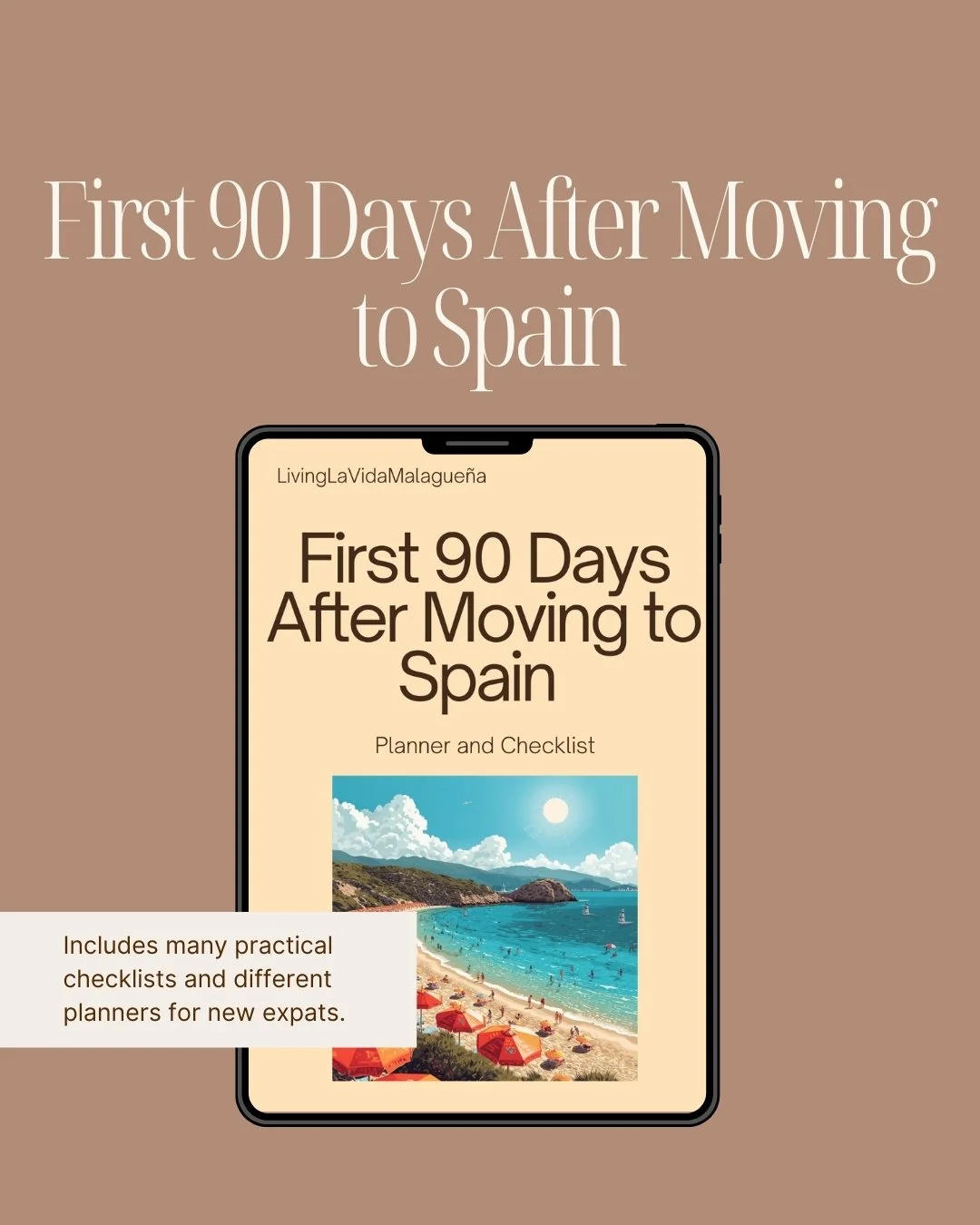
This is why digital guides and checklists are so valuable. They are not about shortcuts; they are about clarity. Whether it is a step-by-step admin guide or a relocation checklist, having things explained in plain language can completely change your experience.
If you are still planning your move, our relocation resources are designed to help you feel prepared rather than overwhelmed, especially if you are navigating Spain for the first time.
I Wish I Knew That Feeling Lost Is Part of Settling In
There is a phase where you no longer feel like a tourist, but you do not yet feel settled. This in-between stage can be surprisingly lonely.
You know enough to see the problems, but not enough to solve them easily. You are independent, but still unsure. This phase is temporary, but it does not feel like it at the time.
Understanding that this stage is normal — and that most people move through it — would have helped me be kinder to myself. We talk about this adjustment period more in Settling Into Life in Spain, because it is one of the least discussed parts of moving abroad.
Final Thoughts: I Still Would Have Moved — Just Better Prepared
I do not wish I had stayed where I was. I wish I had arrived with clearer expectations.
Spain is not perfect, but it is rich, human, emotional, frustrating, and rewarding in equal measure. Knowing what to expect does not take away the magic — it simply removes unnecessary shock.
If you are planning your move or already living here, remember this: struggling does not mean you chose wrong. It means you are learning how life works in a new place.
And that, slowly but surely, gets easier.
If you want practical, honest guidance about moving to and living in Spain — without sugar-coating or fear-mongering — explore our guides and resources at Living La Vida Malagueña. You do not have to figure it all out alone.
Frequently Asked Questions About Moving to Spain
-
For many people, yes — but it depends on expectations. Spain offers an excellent quality of life, a slower pace, strong social culture, and affordable living in many areas. However, challenges like bureaucracy, lower salaries, and slower processes can be frustrating, especially at the beginning. Most people who thrive in Spain are those who arrive prepared and flexible rather than expecting everything to work the same way as in their home country.
-
The biggest struggles tend to be Spanish bureaucracy, renting an apartment, navigating paperwork, and understanding how systems work. Many newcomers also experience culture shock once the initial excitement wears off. These challenges are normal and usually improve over time as you learn how daily life in Spain functions.
-
Spanish bureaucracy is not necessarily complicated, but it is slow and often unclear. Processes can involve multiple appointments, specific documents, and long waiting times. Information can also vary depending on the office or region. Understanding the process in advance and being patient makes a significant difference.
-
Renting in Spain often requires proof of income, a work contract, and a local bank account. The rental market in popular areas can be competitive, and good properties move quickly. Being prepared with documents and understanding local rental expectations can greatly improve your chances.
-
Finding work in Spain can be challenging, particularly without Spanish language skills or local experience. Salaries are generally lower than in many other European countries, and hiring processes can be slow. This is why many expats choose remote work, freelancing, or international employers while living in Spain.
-
Most people wish they had understood how long paperwork takes, how important preparation is, and how different daily life rhythms are. Many also wish they had been more patient with themselves during the adjustment period. Moving to Spain is rewarding, but it rarely feels easy at first.
-
For many people, yes — especially during the first few months. The difficulty often comes from underestimated bureaucracy, language barriers, and unrealistic timelines. That said, most challenges become manageable with time, experience, and the right information.

Plan Your Move to Spain with Confidence
Moving to Spain is an exciting new chapter, but it also comes with countless tasks, deadlines, and important decisions. From researching visa options and preparing your paperwork to organising your finances, finding accommodation, and planning your arrival, it's easy to feel overwhelmed before you've even packed your suitcase.
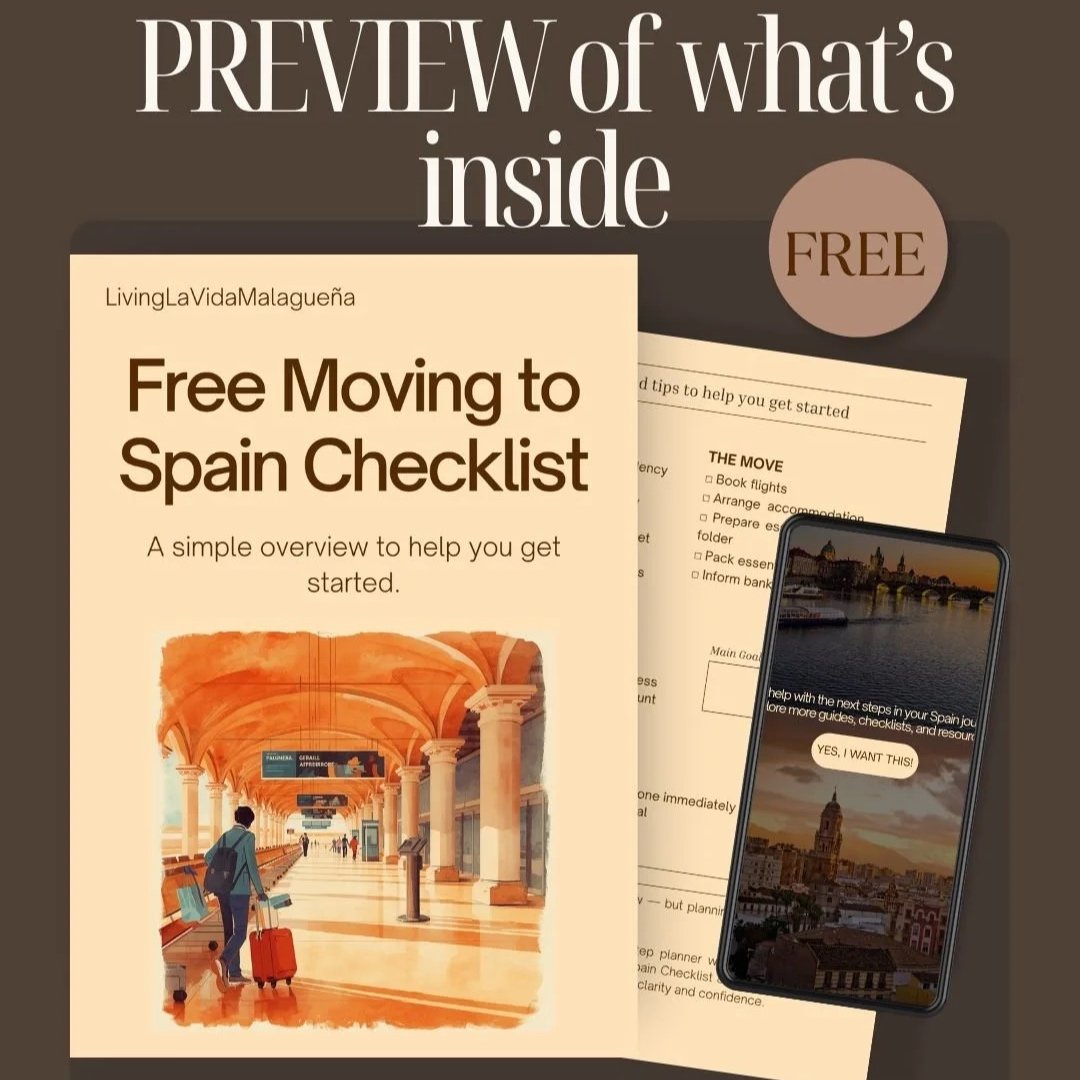
The Moving to Spain Checklist & Relocation Planner has been created to help you stay organised throughout the entire relocation process. Instead of managing multiple lists, scattered notes, and endless browser tabs, you'll have one structured planner that guides you through every stage of your move.
Whether you're relocating in a few weeks or simply starting to plan your future in Spain, this practical digital guide provides a clear roadmap to help you stay on track and avoid missing important steps along the way.
Designed by Living La Vida Malagueña, this planner is based on real relocation experience and is intended to simplify the planning process, giving you more confidence as you prepare for your new life in Spain.
What You'll Receive
Your digital planner includes practical checklists and timelines covering every stage of your relocation, including:
Comprehensive Moving to Spain master checklist
Step-by-step relocation timeline
Visa and residency preparation checklist
Financial planning checklist
Accommodation and housing planner
Pre-departure moving checklist
Arrival and settling-in checklist
Printable PDF that can also be completed digitally
Who This Planner Is For
This planner is ideal for:
Anyone planning to move to Spain
First-time expats
Retirees relocating abroad
Digital nomads
Remote workers
Families moving to Spain
Anyone looking for a clear, organised relocation plan
Whether you're moving independently or with your family, this planner helps you approach the process with greater organisation and less stress.
Why You'll Love It
Relocating abroad involves dozens of moving parts, and it's surprisingly easy to overlook important tasks.
This planner has been designed to keep everything together in one place, helping you:
Stay organised throughout your move
Reduce last-minute stress
Keep track of important deadlines
Plan your relocation step by step
Feel more confident during every stage of the process
Simple, practical, and easy to use, you can either print the planner or complete it digitally—whatever works best for your planning style.
Instant Digital Download
This is a digital product.
No physical item will be shipped.
Once your purchase is complete, you'll receive immediate access to download your planner so you can start organising your move straight away.
Please Note
This planner has been created for educational and organisational purposes only.
It does not constitute legal, immigration, tax, or financial advice. Visa regulations and residency requirements can change, so you should always confirm the latest information with the relevant Spanish authorities before making important decisions.
Looking for Personalised Help?
If you'd like tailored advice based on your own relocation plans, you can also book a 45-minute private consultationthrough Living La Vida Malagueña.
Together we'll discuss your situation, answer your questions, and create a personalised action plan to help make your move to Spain smoother and more straightforward.