Best Cities in Spain for Digital Nomads

Spain has positioned itself as one of Europe’s most attractive countries for digital nomads. The introduction of the Digital Nomad Visa, widespread fibre-optic internet, relatively affordable healthcare, and a high quality of life make it genuinely viable for long-term remote work.
But choosing the right city in Spain is more complex than picking somewhere sunny.
The experience of living in Spain depends heavily on location. Cost of living, administrative efficiency, rental competition, social integration, and even climate vary dramatically between regions. A city that feels perfect for a three-week stay may become frustrating after six months.
If you are still planning your move, this guide pairs well with How to Move to Spain in 2026, which explains visa structures and legal requirements, and The First 30 Days in Spain, which outlines the administrative steps you’ll face once you arrive.
Now let’s go deeper into seven of the best cities for digital nomads in Spain — examining lifestyle, cost, infrastructure, community, and specific neighbourhoods worth considering.
Málaga: Balanced, International, and Increasingly Competitive
Málaga has become one of Spain’s strongest digital nomad hubs because it offers something rare: balance.
It combines beach access, an international airport, strong infrastructure, growing tech investment, and a manageable city size. It feels international without being overwhelming.
The internet infrastructure is excellent, coworking spaces are modern, and there is a noticeable increase in remote professionals relocating permanently rather than short-term.
However, housing is the major challenge. Rental prices have risen steadily, particularly in the historic centre and Soho district. Long-term contracts are competitive, and many landlords prefer stable employment contracts.
For digital nomads, the most practical areas to live include:
Soho: central, creative, close to coworking spaces, but increasingly expensive.
El Perchel / La Trinidad: more residential, still walkable to the centre, slightly more affordable.
Teatinos: newer builds, more space, good if you prefer quieter surroundings.
Pedregalejo: beach lifestyle with village atmosphere, ideal if you prioritise lifestyle over nightlife.
If you are budgeting carefully, read Cost of Living in Málaga and Spain before committing. Málaga works best for remote workers who want long-term sustainability and a mix of international and local life.
Barcelona: High Energy, High Cost, High Opportunity
Barcelona remains Spain’s most globally connected digital nomad city. It has the strongest startup ecosystem, a thriving creative scene, and a deeply international atmosphere.
English is widely spoken in professional environments. Networking events are constant. Coworking culture is highly developed.
But Barcelona requires financial flexibility. Rental competition is intense. Regulations around short-term rentals have tightened, and deposits can be high. Monthly rent for a one-bedroom in central districts can easily exceed €1,200–€1,600.
Neighbourhood choice dramatically affects experience:
Eixample: central, well-connected, elegant, popular with professionals.
Gràcia: more local, community-oriented, slightly quieter.
El Born: beautiful but tourist-heavy and expensive.
Poblenou: increasingly popular with tech workers, modern apartments, close to the beach.
Barcelona suits digital nomads who want stimulation, collaboration, and constant opportunity. It is less suited for those prioritising affordability or calm.
Administrative processes can be slower and more competitive here, so review Where to Find Reliable Information in Spain before arrival.
Madrid: Stable, Professional, and Year-Round Functional
Madrid offers a different type of digital nomad experience: structure.
Unlike coastal cities that fluctuate seasonally, Madrid operates at full capacity year-round. It is Spain’s economic and political centre, which translates into excellent infrastructure, reliable public services, and consistent business culture.
Internet connectivity is strong, transport links are exceptional, and healthcare facilities are extensive — something worth understanding through Doctors in Spain if you are relocating long term.
Rental prices are high in central districts but more manageable in outer neighbourhoods.
Best areas for remote professionals include:
Chamberí: elegant, professional, central without being chaotic.
Salamanca: upscale, quiet, high-end living.
Lavapiés: multicultural, lively, more affordable but mixed reputation.
Retiro area: green spaces nearby, balanced atmosphere.
Madrid works well for remote employees of international companies or freelancers seeking stability over beach lifestyle.
Valencia: Affordable Coastal Alternative
Valencia offers one of the strongest value-for-money balances in Spain.
It combines beach access, strong public transport, a growing coworking culture, and significantly lower rental costs than Barcelona or Madrid.
While international presence is growing, it remains more Spanish in atmosphere. English is common but not universal. Integration may require stronger Spanish skills.
Neighbourhoods to consider:
Ruzafa: creative, vibrant, popular with expats.
El Carmen: historic centre, beautiful but tourist-heavy.
Benimaclet: student-oriented, more affordable.
Cabanyal: near the beach, improving but still mixed in reputation.
Valencia suits digital nomads who want coastal life without Barcelona-level costs.
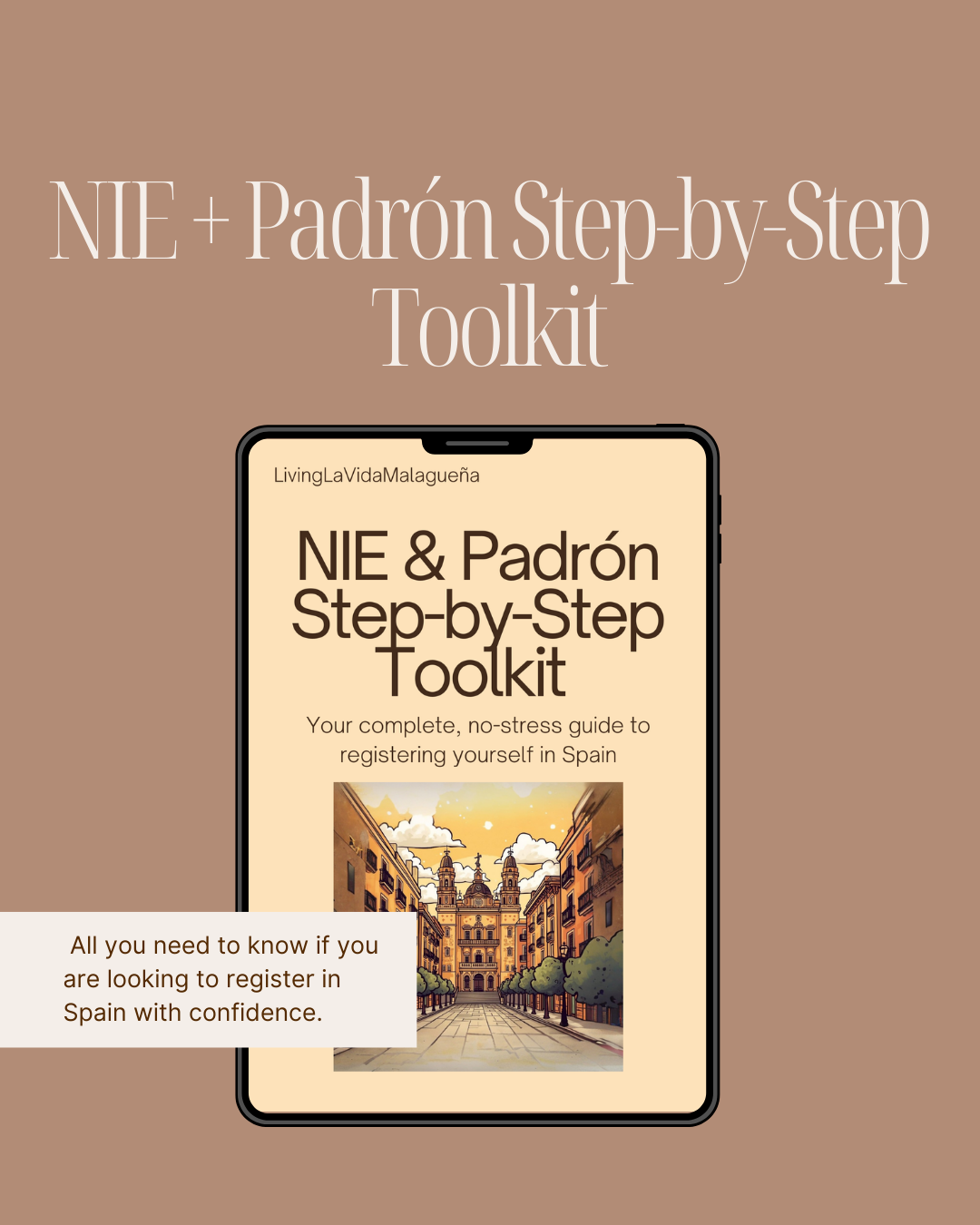
However, administrative processes can feel slower. Make sure you understand the empadronamiento through our NIE + Padrón Toolkit, and rental requirements before committing.
Seville: Deep Culture, Slower Pace
Seville offers authenticity and cultural immersion. It feels unmistakably Spanish — in architecture, lifestyle, and social rhythm.
Rental prices remain lower than Spain’s largest cities, and daily life is affordable. However, summers are extremely hot, often exceeding 40°C, which affects productivity if you work from home without strong air conditioning.
Neighbourhoods worth considering:
Triana: vibrant, local, authentic atmosphere.
Nervión: more modern, residential, practical for long-term living.
Alameda de Hércules: youthful, alternative, creative energy.
Seville suits remote workers who value cultural immersion over international networking density. If you are not sure, and want to know about possible culture shocks first, be sure to read Spanish Culture Shocks: Honest and In-depth Guide.
Granada: Affordable and Compact
Granada is small but dynamic, thanks to its large student population.
The cost of living remains relatively low. The city is walkable, scenic, and socially active. However, the professional ecosystem is limited compared to larger cities.
Best areas:
Centro: convenient and lively.
Realejo: historic charm with quieter streets.
Zaidín: more residential and affordable.
Granada is ideal if affordability and lifestyle outweigh professional networking needs.
Las Palmas (Gran Canaria): Year-Round Climate and Nomad Community
Las Palmas has built a reputation as an island digital nomad hub. The climate is stable year-round, coworking spaces are strong, and the remote worker community is highly visible.
The beach lifestyle is integrated into daily routine. Many remote professionals live near Las Canteras Beach, which is the city’s central lifestyle hub. If you are looking to move to Spain as someone who works remote, in the blog article Working Remotely in Spain most things to consider are discussed.
Neighbourhoods to consider:
Las Canteras area: ideal for beach proximity and coworking access.
Vegueta: historic, quieter, more local.
However, island life requires flexibility. Flights to mainland Spain add cost and time. Long-term residency may feel transient due to short-stay nomad turnover.
Key Criteria to Consider Before Choosing
The “best” city depends on more than aesthetics. Consider:
Your monthly income stability relative to rental costs.
Your need for professional networking.
Your Spanish language level.
Your tolerance for administrative complexity.
Your desire for long-term residency versus short-term exploration.
If you are aiming for permanent relocation rather than temporary nomad life, pairing this research with the Spain Digital Nomad Visa Guide and the First 90 Days After Moving to Spain will help align expectations with reality.
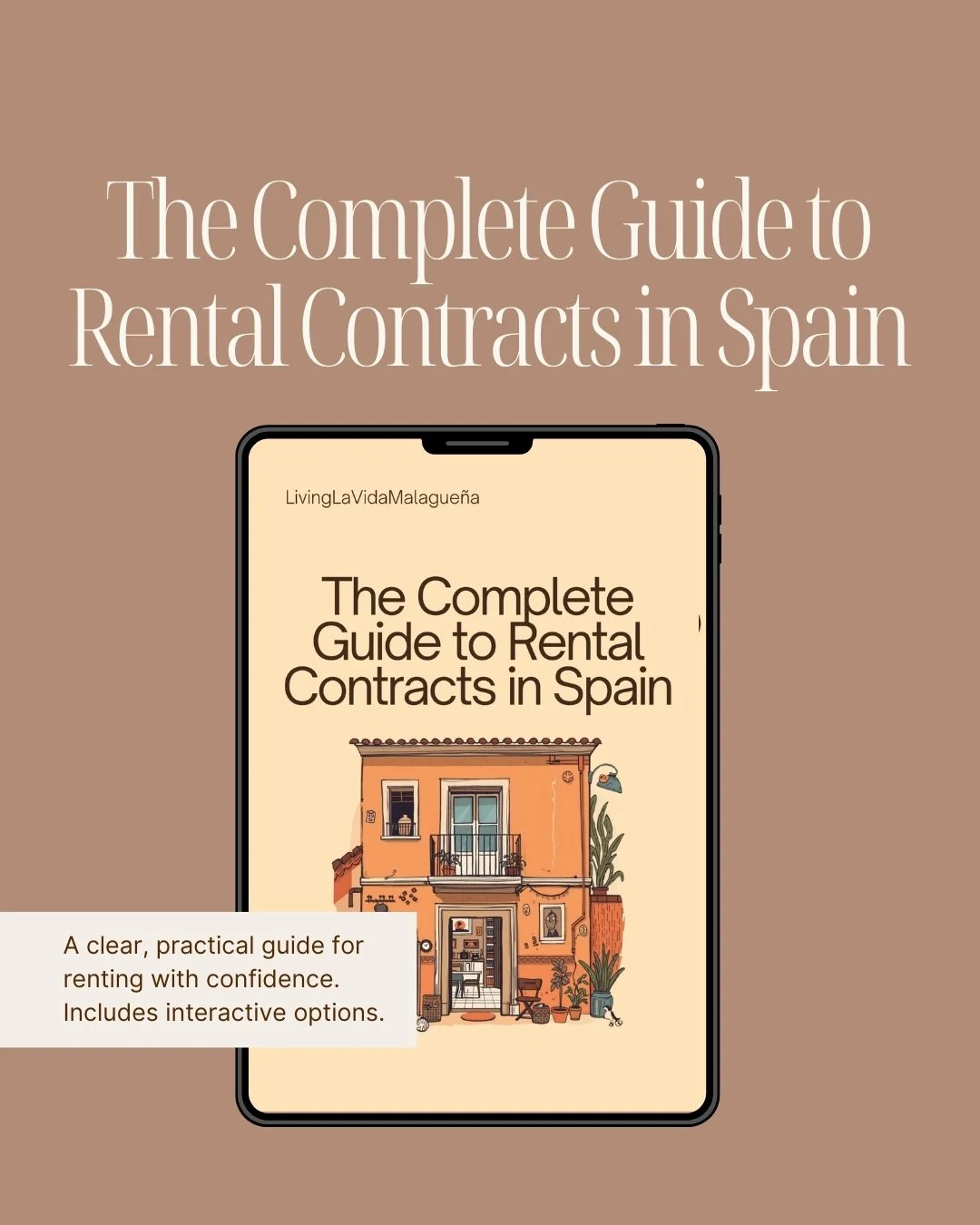
Frequently Asked Questions about Moving to Spain as a Digital Nomad
-
The best city for digital nomads in Spain depends on lifestyle priorities and budget. Barcelona offers strong networking and startup culture but comes with high living costs. Madrid provides year-round stability and professional infrastructure. Málaga and Valencia balance affordability with coastal lifestyle, while Las Palmas attracts remote workers seeking warm weather and community. There is no single “best” city — the right choice depends on income, visa status, and long-term goals.
-
Yes, Spain is increasingly suitable for long-term digital nomad living. With the introduction of the Digital Nomad Visa, strong healthcare infrastructure, reliable fibre internet, and relatively moderate living costs compared to other Western European countries, Spain offers stability beyond short-term stays. However, administrative processes and rental competition require preparation.
-
Monthly living costs vary by city. In Málaga or Valencia, a single digital nomad can live comfortably on €1,800–€2,500 per month depending on rent. In Barcelona or Madrid, budgets often rise to €2,500–€3,500 due to higher housing costs. Rent is the largest expense, followed by healthcare insurance and daily living costs.
-
Granada, Seville, and parts of Valencia tend to be more affordable than Barcelona or Madrid. Rental prices are lower, and daily expenses such as groceries and dining out are more manageable. However, professional networking opportunities may be fewer in smaller cities.
-
Spain and Portugal both attract digital nomads, but Spain offers larger city diversity, stronger transport infrastructure, and more varied climate zones. Portugal may offer slightly lower taxes in certain situations, but Spain’s larger urban centres often provide broader professional ecosystems. The best choice depends on individual tax structure, visa eligibility, and lifestyle goals.
-
Yes, private health insurance is typically required for visa approval under Spain’s Digital Nomad Visa and Non-Lucrative Visa. Even after gaining access to public healthcare, many digital nomads maintain private insurance for faster specialist appointments and English-speaking doctors.
-
Neighbourhood choice depends on city and lifestyle. In Málaga, Soho and Teatinos are popular. In Barcelona, Eixample and Poblenou attract professionals. In Madrid, Chamberí and Retiro offer balance. Valencia’s Ruzafa district is well-known among remote workers, while Las Palmas’ Las Canteras area is central to island nomad life.
Final Thoughts
Spain offers multiple parallel lifestyles. Coastal creativity, capital-city structure, island relaxation, student-driven affordability — each city presents a different version of remote work life.
The most successful digital nomads in Spain are not simply chasing sunshine. They are choosing environments that match their work rhythm, financial structure, and long-term goals.
Spain rewards planning. When chosen intentionally, the right city becomes more than a base; it becomes a sustainable home.














Plan Your Move to Spain with Confidence
Moving to Spain is an exciting new chapter, but it also comes with countless tasks, deadlines, and important decisions. From researching visa options and preparing your paperwork to organising your finances, finding accommodation, and planning your arrival, it's easy to feel overwhelmed before you've even packed your suitcase.
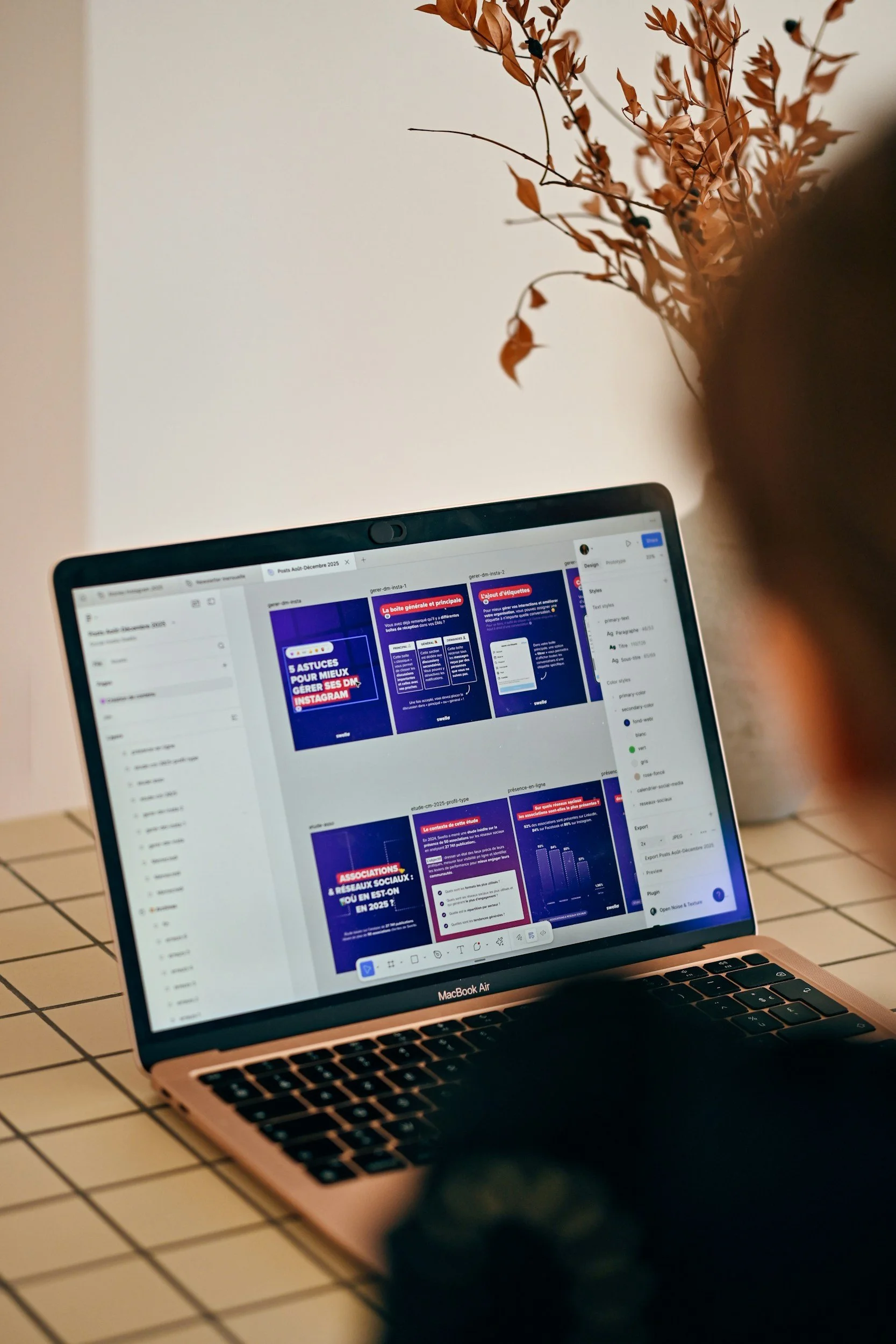
The Moving to Spain Checklist & Relocation Planner has been created to help you stay organised throughout the entire relocation process. Instead of managing multiple lists, scattered notes, and endless browser tabs, you'll have one structured planner that guides you through every stage of your move.
Whether you're relocating in a few weeks or simply starting to plan your future in Spain, this practical digital guide provides a clear roadmap to help you stay on track and avoid missing important steps along the way.
Designed by Living La Vida Malagueña, this planner is based on real relocation experience and is intended to simplify the planning process, giving you more confidence as you prepare for your new life in Spain.
What You'll Receive
Your digital planner includes practical checklists and timelines covering every stage of your relocation, including:
Comprehensive Moving to Spain master checklist
Step-by-step relocation timeline
Visa and residency preparation checklist
Financial planning checklist
Accommodation and housing planner
Pre-departure moving checklist
Arrival and settling-in checklist
Printable PDF that can also be completed digitally
Who This Planner Is For
This planner is ideal for:
Anyone planning to move to Spain
First-time expats
Retirees relocating abroad
Digital nomads
Remote workers
Families moving to Spain
Anyone looking for a clear, organised relocation plan
Whether you're moving independently or with your family, this planner helps you approach the process with greater organisation and less stress.
Why You'll Love It
Relocating abroad involves dozens of moving parts, and it's surprisingly easy to overlook important tasks.
This planner has been designed to keep everything together in one place, helping you:
Stay organised throughout your move
Reduce last-minute stress
Keep track of important deadlines
Plan your relocation step by step
Feel more confident during every stage of the process
Simple, practical, and easy to use, you can either print the planner or complete it digitally—whatever works best for your planning style.
Instant Digital Download
This is a digital product.
No physical item will be shipped.
Once your purchase is complete, you'll receive immediate access to download your planner so you can start organising your move straight away.
Please Note
This planner has been created for educational and organisational purposes only.
It does not constitute legal, immigration, tax, or financial advice. Visa regulations and residency requirements can change, so you should always confirm the latest information with the relevant Spanish authorities before making important decisions.
Looking for Personalised Help?
If you'd like tailored advice based on your own relocation plans, you can also book a 45-minute private consultationthrough Living La Vida Malagueña.
Together we'll discuss your situation, answer your questions, and create a personalised action plan to help make your move to Spain smoother and more straightforward.