The First 30 Days in Spain: What You Must Do (A Practical Guide for New Arrivals)

The first month in Spain is not about settling into a romantic new lifestyle — it is about laying foundations. Administrative steps completed (or missed) during your first 30 days will affect everything that follows: housing, banking, healthcare, work, taxes, and even visa renewals.
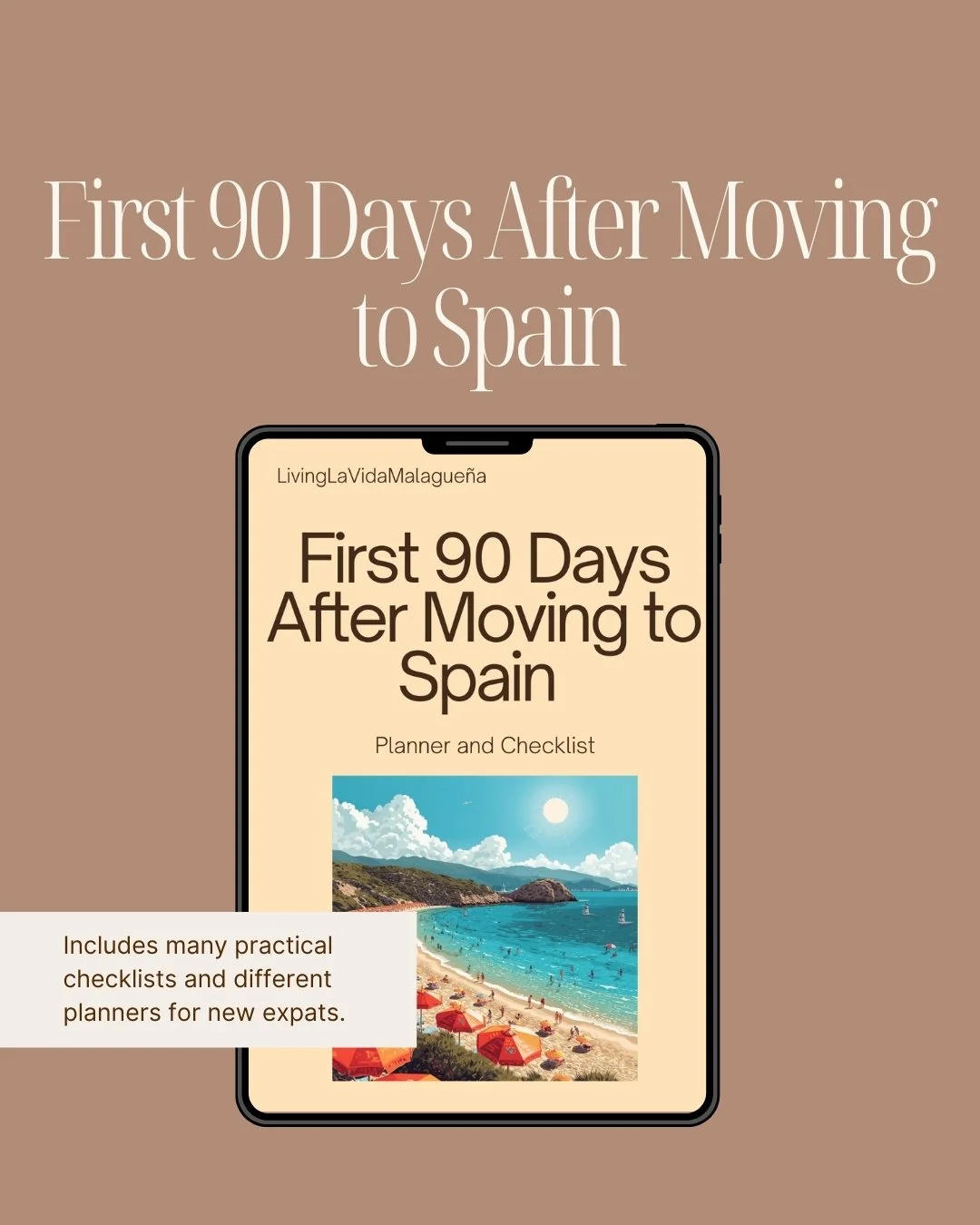
This blog article outlines exactly what you need to do in your first month in Spain, in the order that makes the most sense, based on how the system actually works. If you prefer to plan ahead, then the my guide about the First 90 Days After moving to Spain: Checklists & Planner is meant for you.
Week 1: Stabilise Your Situation and Get Oriented
Your priority during the first few days is not bureaucracy, but stability. Spain operates at a slower pace administratively, and appointments are rarely immediate. Having a secure base will make every next step easier.
Temporary accommodation is essential unless you already have a confirmed long-term lease. Most newcomers stay in short-term rentals for one to three months, allowing time to understand neighbourhoods, pricing, and local rental practices. Tourist-heavy areas often look appealing online but are impractical for daily life, so use this time to observe where locals live, shop, and commute. If you plan to stay long term, this is particularly important before committing to a rental contract. You can explore this in more detail in my other blog post on Long-Term vs Short-Term Rentals in Spain.
During your first week, you should also familiarise yourself with your local area: identify your nearest ayuntamiento (town hall), police station (comisaría), health centres, and major banks. Spain is highly localised, and knowing which office handles what will save hours later.
Week 2: Start the Core Administrative Process
The second week is when bureaucracy becomes unavoidable. While not everything must be completed immediately, some steps are foundational and should be started as early as possible.
The NIE: Your Administrative Identity in Spain
The NIE (Número de Identificación de Extranjero) is the single most important number you will receive in Spain. Without it, you cannot legally work, sign a long-term lease, open a standard bank account, register for healthcare, or complete most official procedures.
If your NIE was issued as part of your visa process abroad, you may already have a number. However, many people still need to complete registration locally or apply for the physical TIE card (foreigner residence card). Appointments are often limited, so book as soon as possible, even if the available date is weeks away. Missing this step early can delay everything else. A full breakdown of the process is covered in NIE Explained.
Empadronamiento: Registering Your Address
Once you have an address — even temporary — you should register on the padrón at your local ayuntamiento. This step proves that you live in the municipality and is required for healthcare access, school enrolment, many visa renewals, and some banking procedures.
Some municipalities allow padrón registration with short-term rental contracts or written permission from a landlord; others are stricter. Requirements vary by location, which is why local knowledge matters. The padrón is explained in detail in Padrón Explained.
And if you want a clear overview of the whole process, also check out my NIE + Padrón Toolkit, or my visas guides.
Week 3: Banking, Healthcare, and Connectivity
By the third week, you should begin setting up systems that allow you to function day-to-day without friction.
Opening a Bank Account
A Spanish bank account is necessary for rent payments, utilities, phone contracts, and in many cases, employment or freelance income. Some banks allow non-resident accounts initially, but these often come with higher fees and limitations. Once your NIE is active, converting to a resident account is recommended.
Banks such as BBVA, CaixaBank, and Sabadell are commonly used by expats, while digital banks like Revolut Spain can be useful as a short-term solution. Expect to provide identification, proof of address, and your NIE. Processes are not standardised, and branch discretion plays a role.
Healthcare Setup
Healthcare access depends on your legal and employment status. Many visa types require private health insurance with full coverage and no co-payments. This is not optional and will be checked during visa renewals. Providers such as Sanitas, Adeslas, and Cigna are widely accepted. For more information, check out my blog post about Public vs. Private Healthcare in Spain.
If you are employed or self-employed in Spain, you will eventually register with Seguridad Social and gain access to public healthcare, which is high quality and affordable. Many newcomers maintain private insurance even after gaining public access, especially during their first year.
Keep digital and printed copies of your insurance documents. They are frequently requested.
Phone and Internet
A Spanish phone number simplifies nearly every process, from banking to delivery services. Providers like Digi, Lowi, Orange, and Movistar offer prepaid and contract options. Prepaid SIM cards can be purchased immediately, while contracts usually require a bank account and NIE.
Week 4: Housing, Work, and Longer-Term Planning
By the final week of your first month, your focus should shift from survival to sustainability.
Securing Long-Term Housing
Long-term rentals in Spain typically require a one-year minimum contract, a deposit (usually one or two months’ rent), and proof of income or savings. Demand in major cities and coastal areas is high, and competition can be intense.
Never send deposits before viewing a property in person, and be cautious of listings that seem significantly under market price. Working with reputable agencies or local contacts reduces risk. If you are new to the Spanish rental market, reviewing Renting an Apartment in Spain can help you avoid common mistakes.
Employment and Income Planning
If you plan to work in Spain — remotely or locally — this is the point at which you should formalise your strategy. Spanish salaries are generally lower than those in Northern Europe or North America, which is why many expats rely on remote work or freelance income.
Remote workers should ensure their employment structure aligns with visa conditions and tax obligations. Those seeking local employment should understand that contracts, probation periods, and registration with social security follow strict rules. For a realistic overview, see Finding Work in Spain: The Complete, Realistic Guide for Expats and New Arrivals and Working Remotely in Spain.
Understanding Your Tax Position
Spain considers you a tax resident if you spend more than 183 days per year in the country. This has implications for worldwide income, reporting obligations, and potential double taxation. Many newcomers underestimate this aspect and face issues later.
Even in your first month, it is wise to understand whether you will become tax resident and how this affects your income. Consulting a gestor or tax advisor early can prevent costly mistakes.
Common Mistakes During the First 30 Days
Many expats struggle during their first month not because Spain is difficult, but because expectations do not match reality. The most common issues include underestimating appointment wait times, assuming processes are uniform across regions, and relying on informal advice rather than official requirements.
Spain rewards patience, preparation, and documentation. It does not reward improvisation.
Staying Organised: The Key to a Smooth Start
Your first 30 days will involve paperwork, waiting, and repeated visits to offices. Keeping digital folders with scanned documents, appointment confirmations, and translations will save time. Printing multiple copies is still advisable — Spain remains a paper-based system in many offices.
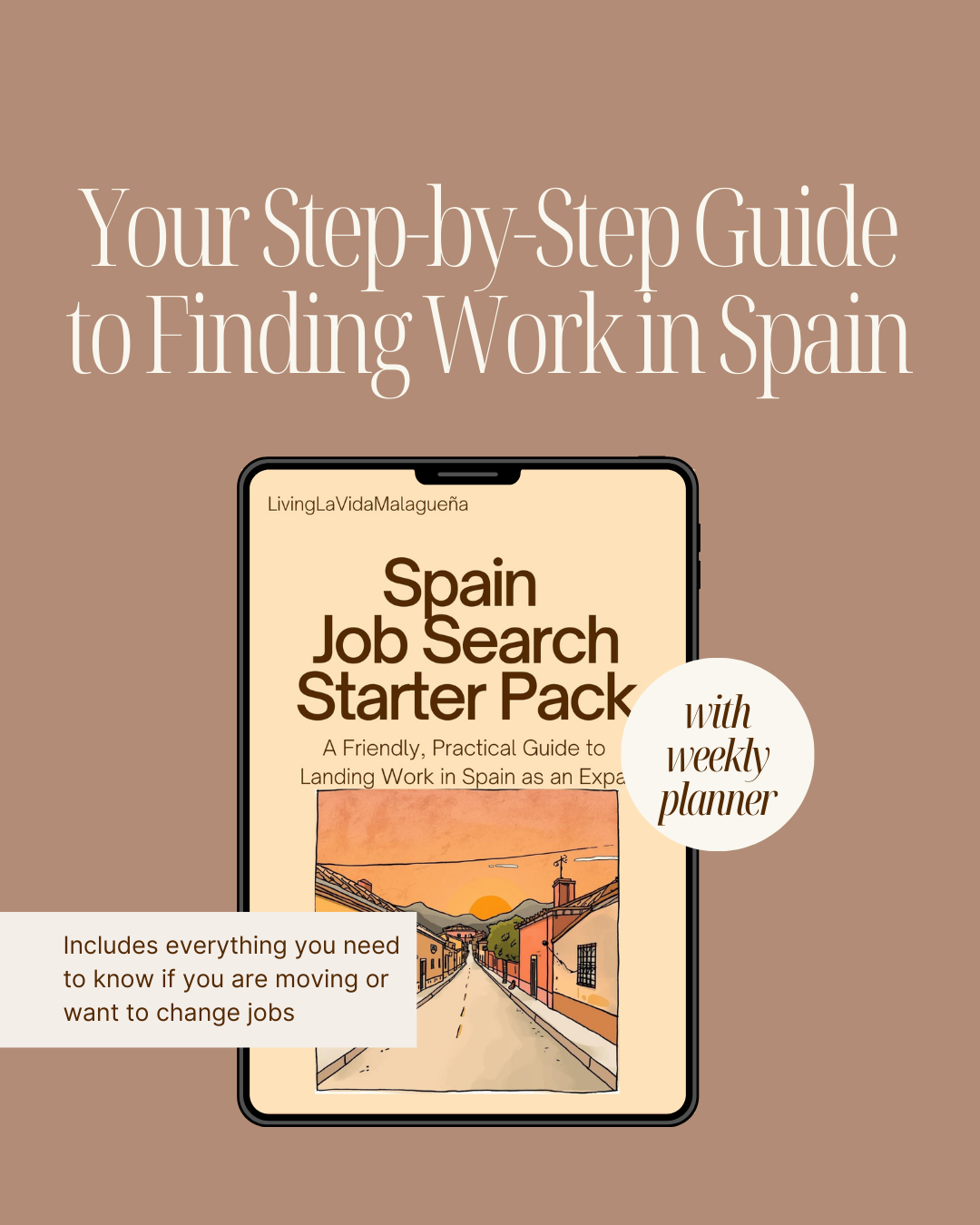
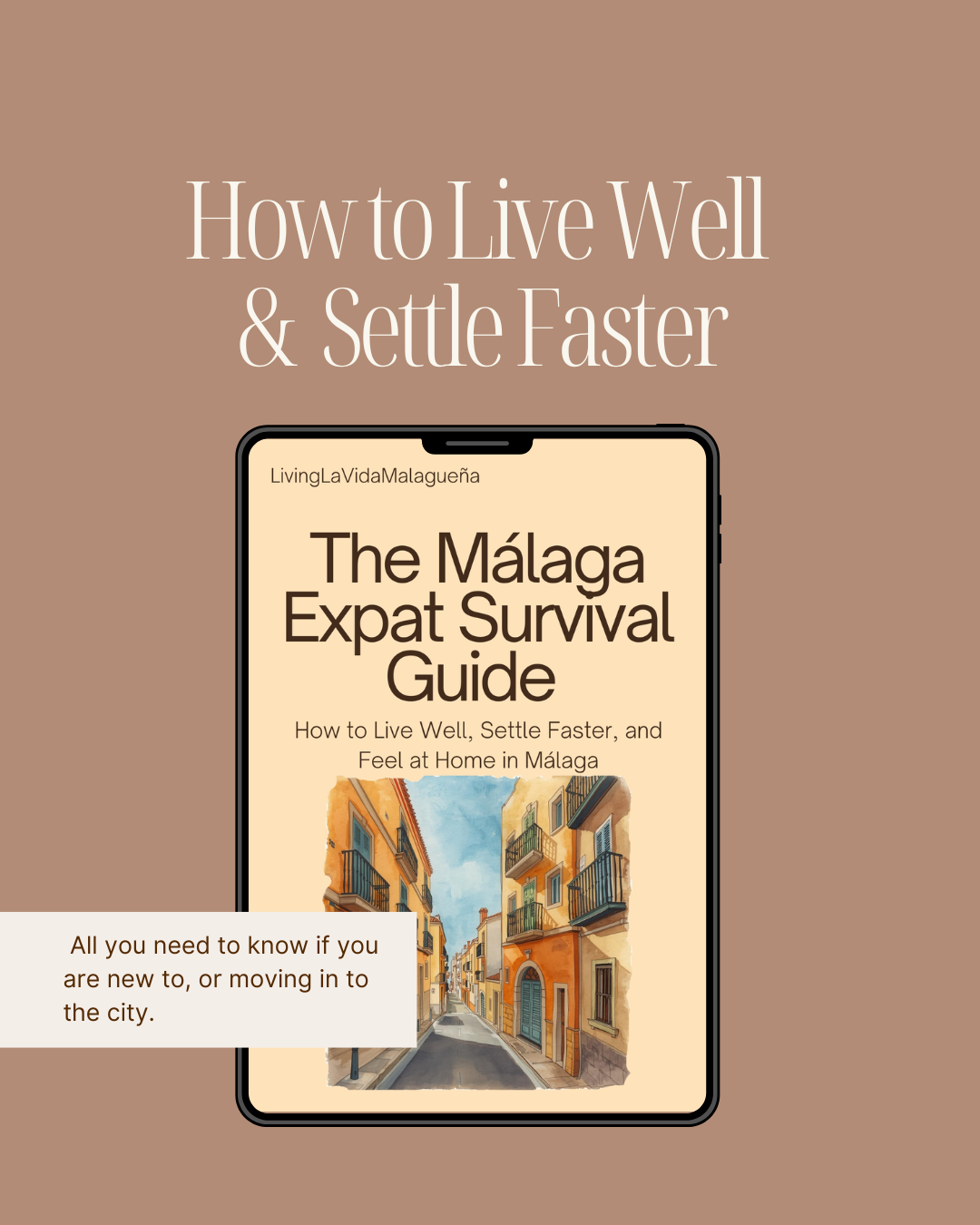
If you prefer a structured approach, tools like the NIE + Padrón Toolkit, Spain Job Search Starter Pack, and Málaga Insider Guide are designed to help newcomers navigate these steps without guesswork, especially when systems vary by city.
Final Thoughts: The First Month Sets the Tone
Your first 30 days in Spain are not about perfection; they are about momentum. Completing the essential steps early gives you flexibility later — to change apartments, explore work options, or travel without administrative stress.
Spain is a country that offers an excellent quality of life, but it requires respect for its systems. Those who approach the first month methodically tend to settle faster, spend less money correcting mistakes, and integrate more smoothly.
Once the foundations are in place, daily life becomes simpler — and that is when Spain truly starts to feel like home.
Frequently Asked Questions: The First 30 Days in Spain
-
Yes. While not every process requires the NIE immediately, it is the foundation of almost all administrative and legal steps in Spain. Without a NIE, you cannot sign a long-term rental contract, register for healthcare, open most bank accounts, or work legally. Even if your appointment is scheduled weeks ahead, booking it within your first 30 days is essential to avoid delays later.
-
In many municipalities, yes — but requirements vary. Some town halls accept short-term rental contracts, hotel confirmations, or a signed authorization from a landlord, while others require a long-term lease. Because the padrón is required for many official procedures, it is recommended to register as soon as you are eligible and verify local rules directly with your ayuntamiento.
-
Yes, but with limitations. Some banks offer non-resident accounts without a NIE, using only a passport. These accounts often come with higher fees and fewer features. Once you receive your NIE, it is advisable to convert the account to a resident account or open a new one to simplify payments, employment, and administrative processes.
-
Costs vary by city, but most newcomers should budget more than a standard monthly cost of living. Initial expenses often include temporary accommodation, deposits, administrative fees, translations, insurance payments, and setup costs. In cities like Málaga, Barcelona, or Madrid, a realistic first-month budget for a single person often ranges between €2,500 and €3,500, depending on housing choices.
-
The most frequent mistakes include delaying NIE appointments, assuming administrative rules are the same across all regions, committing to long-term housing too quickly, and underestimating tax and healthcare requirements. Many issues can be avoided by planning ahead, keeping thorough documentation, and understanding that Spanish bureaucracy prioritizes process over speed.



























Your clear, practical guide to registering yourself in Spain
Navigating Spanish bureaucracy can feel overwhelming — especially when everything is in Spanish, appointments are hard to book, and advice online is often contradictory.
The NIE + Padrón Step-by-Step Toolkit was created to simplify the process and give you clarity from the very beginning.
This digital guide walks you through exactly how to obtain your NIE and register on the Padrón in Spain, explained in plain English and based on real-life experience — not confusing legal jargon.
Whether you’re moving to Spain, settling in Málaga, or planning a long-term stay, this toolkit helps you feel prepared, confident, and in control.
What You’ll Learn Inside
What the NIE and Padrón actually are (and why you need them)
Which one to do first — and when the order can change
How to book appointments successfully, even in busy cities
Exactly which documents to bring (and which ones people often forget)
How to fill out Spanish forms without confusion
What to expect on appointment day
The most common mistakes that cause delays or rejections — and how to avoid them
Everything is explained step by step, in a calm and beginner-friendly way.
Why This Guide Is Different
Most information online is scattered, outdated, or overly complicated.
This toolkit brings everything together in one clear, practical resource — so you don’t feel lost or second-guess yourself.
Think of it as having a knowledgeable friend walking you through Spanish paperwork, step by step.
Ready to Feel Confident About Spanish Paperwork?
Stop guessing and start preparing.
👉 Download the NIE + Padrón Step-by-Step Toolkit today and take your first confident step into life in Spain.