Moving to Spain: Is It Really Worth It?

“Is it worth it?”
It’s the question everyone asks — usually late at night, halfway through scrolling photos of sunlit plazas, sea views, and long lunches. The question sounds simple, but it never really is.
Because what people are actually asking is: Will my life be better? Will this fix something? Will I regret it?
I remember asking myself the same thing before moving. I had done the spreadsheets, read the blogs, joined the Facebook groups. I knew the average rent, the visa options, the cost of groceries. On paper, it all looked promising.
What I didn’t know — what no checklist can fully explain — is how moving to Spain feels once the honeymoon fades and real life begins. I had to face some serious culture shocks.
So let’s talk honestly about whether moving to Spain is worth it. Not just financially or logistically, but emotionally, practically, and long-term.
The Dream vs. the Reality
Most people arrive in Spain carrying a dream version of the country. It’s warm, relaxed, social. Life happens outdoors. People smile more. Time feels softer.
And that part? It’s real.
But so is the reality that Spain runs on bureaucracy, patience, and paperwork. Appointments are hard to get. Processes take longer than expected. Things that feel simple elsewhere suddenly involve three offices, two stamps, and a wait you didn’t plan for.
This is often where doubt creeps in — usually around the same time you’re dealing with your NIE application, padrón registration, or trying to open a bank account for the third time. It’s why articles such as NIE Explained, Padrón Explained, and Opening a Bank Account in Spain as a Foreigner exist in the first place.
Spain gives a lot — but it asks you to slow down to receive it.
The Quality of Life Question
One of the biggest reasons people move to Spain is quality of life. And here’s the honest truth: Spain doesn’t necessarily give you more, but it gives you space.
Space to eat lunch properly. Space to walk instead of rush. Space to see friends midweek without it feeling like a logistical nightmare.
Life here is structured differently. Work exists, but it doesn’t dominate every conversation. People leave the house daily, even without plans. Community isn’t something you schedule once a month — it’s built into everyday life.
That doesn’t mean life is easier. It means it’s slower, and for many people, that’s exactly what they didn’t know they were missing.
Work, Money, and the Reality of Salaries
This is where expectations matter most.
Spain is not a high-salary country. Local wages are lower than in many Northern European countries, the UK, or the US. If you rely solely on a Spanish salary, especially early on, you may need to adjust your lifestyle expectations.
That said, many people make Spain work financially by combining local life with remote income. This is why articles like Finding Remote Work in Spain and How to Find Work in Spain are so closely linked to the “is it worth it?” conversation.
Spain rewards creativity when it comes to income. Freelancing, remote work, autónomo life — these paths come with admin, but they also unlock a quality of life that’s hard to replicate elsewhere.
It’s not about earning more. It’s about needing less.
The Hidden Emotional Side of Moving
One thing people don’t talk about enough is how emotionally disorienting moving to Spain can be.
You might love the weather but miss the efficiency of home. You might enjoy the social culture but struggle with the language barrier. You might feel grateful — and lonely — at the same time.
This doesn’t mean you made the wrong decision. It means you moved countries.
Building a life here takes time. Making friends doesn’t happen overnight, especially if you don’t already speak Spanish. That’s why How to Make Friends in Spain resonates so deeply with people — because community doesn’t magically appear just because the sun is shining.
Spain is warm, but it doesn’t chase you. You have to step into it.
The Administrative Learning Curve
If we’re being honest, Spain will test your patience.
Paperwork is unavoidable. Visas are complex. Rental contracts need to be read carefully. Apartment scams exist. Healthcare has its own logic.
This is often the phase where people ask themselves, “Why did I do this?”
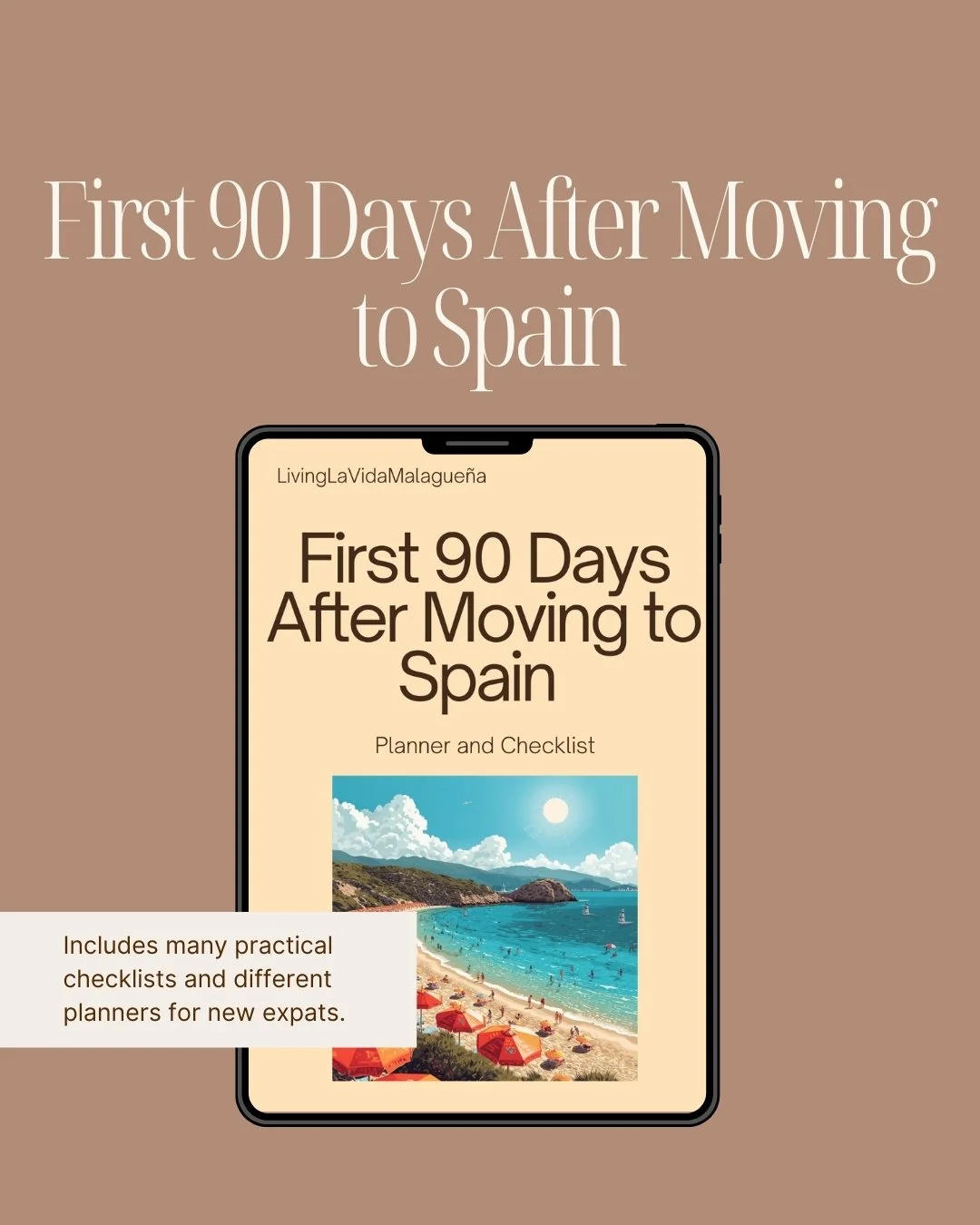
But here’s what’s important to understand: the difficulty isn’t constant. It peaks early. Once you understand the systems — with help from guides like The First 90 Days After Moving to Spain, Rental Contracts in Spain, or blog articles such as Apartment Scams to Avoid, and Public vs Private Healthcare in Spain — daily life becomes surprisingly smooth.
Spain can be hard to enter, but is gentle to live in.
Who Moving to Spain Is Worth It For
Spain tends to suit people who value lifestyle over status, time over speed, and connection over convenience.
It’s worth it if you’re willing to adapt rather than replicate your old life exactly. If you can accept that things work differently — not worse, just differently — Spain gives back generously.
It may be harder if you need strict structure, instant results, or predictability. Spain is not a country that bends easily. It asks you to soften instead.
The Question People Rarely Ask
The better question isn’t “Is Spain worth it?”
It’s “What kind of life do I want?”
Spain won’t fix burnout if you bring the same habits with you. It won’t solve loneliness without effort. It won’t remove stress entirely.
But it will offer you the conditions to live differently — if you let it.
Frequently Asked Questions About Moving to Spain
-
Moving to Spain is worth it for people who prioritise lifestyle, work–life balance, and quality of life over high salaries and speed. Spain offers a slower pace of living, strong social culture, and excellent climate, but it also requires patience with bureaucracy and lower local wages.
-
The main downsides of living in Spain include slower administrative processes, lower average salaries, language barriers, and complex paperwork for visas and residency. Many newcomers find the first year challenging while adjusting to Spanish systems.
-
Spain can be an excellent long-term place to live, especially for those who adapt to the local culture and systems. Once residency, healthcare, and banking are set up, daily life becomes relatively easy and stable for many expats.
-
The cost of living in Spain varies by city and lifestyle. Smaller cities and inland regions are significantly cheaper than Madrid, Barcelona, or coastal hotspots. Many people live comfortably with moderate income, especially if combining local life with remote work.
-
Before moving to Spain, it’s important to understand visa options, rental rules, healthcare systems, and the slower pace of administration. Setting realistic expectations and preparing in advance can significantly reduce stress during the transition.

Final Thoughts: Is Moving to Spain Worth It?
For many people, yes. Not because it’s perfect, but because it’s human.
You’ll wait more. You’ll earn differently. You’ll learn patience in ways you didn’t expect. But you’ll also live outside more, connect more, and feel your days stretch instead of blur.
And one day, usually quietly, you’ll realise you’re no longer asking if it was worth it.
You’ll be too busy living.














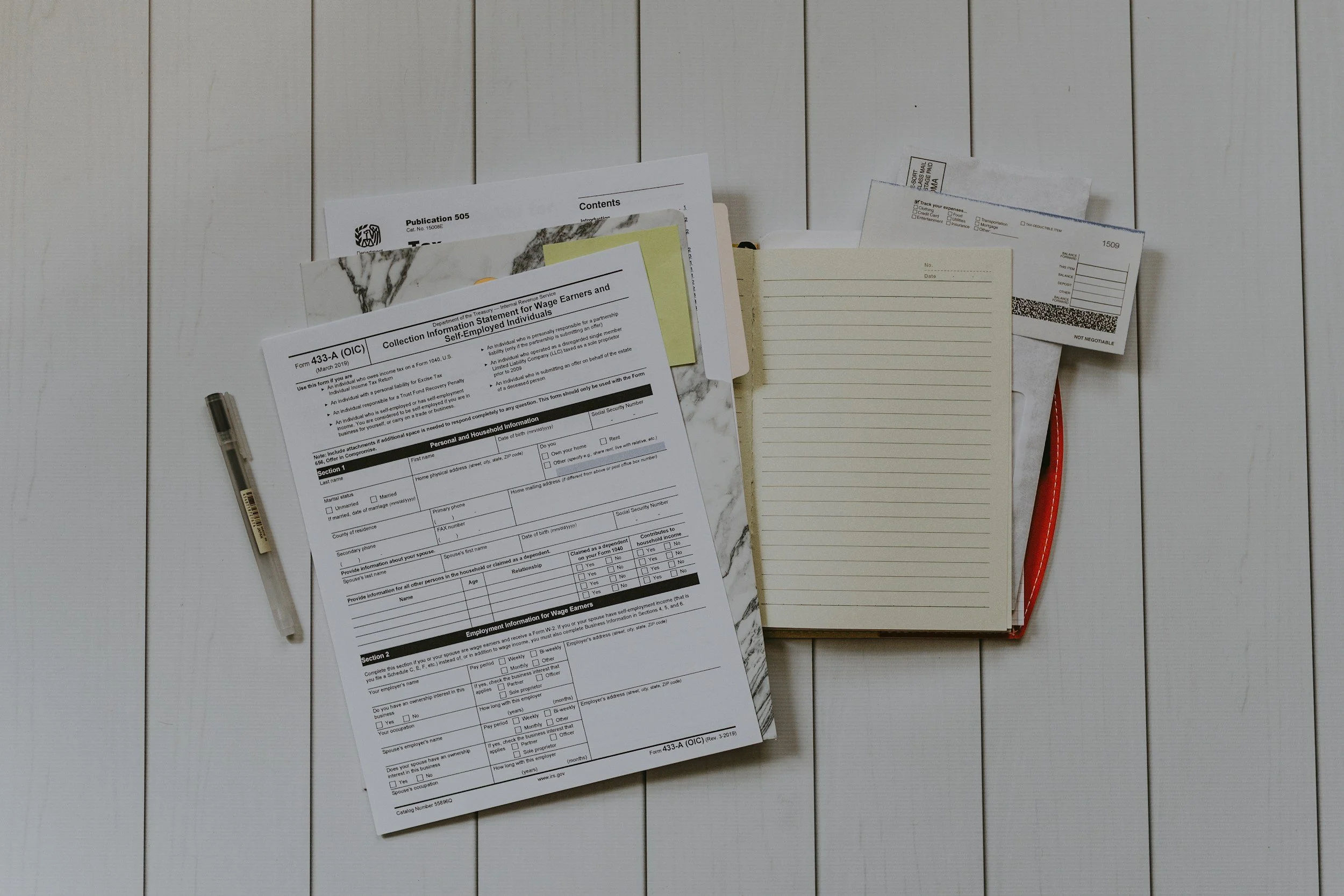













Renting a home in Spain can feel overwhelming, especially if you are unfamiliar with the legal system, the language, and the way rental contracts are structured. Many foreigners sign contracts they do not fully understand, rely on verbal promises that are never written down, or later discover that their contract does not offer the protection they expected.
This guide was created to give you clarity before you sign anything.
The Complete Guide to Rental Contracts in Spain is a clear, practical e-guide designed to help you understand how Spanish rental contracts work before you sign anything. It explains the different types of rental contracts used in Spain, what your rights and obligations are as a tenant, and how to recognise potential problems early.
What This Guide Helps You Do
Helps you move from uncertainty to confidence when dealing with rental contracts in Spain. It supports you in:
Understanding what you are agreeing to before signing a contract
Identifying red flags and clauses that deserve closer attention
Choosing the correct contract type for your situation
Protecting your deposit and understanding your financial responsibilities
Communicating more confidently with landlords or agencies
Navigating your tenancy with fewer surprises and misunderstandings
Ready to Rent with Confidence?
Rental contracts do not have to be confusing or intimidating. With the right information, you can approach renting in Spain feeling informed, prepared, and in control.
If you want to understand your rental contract clearly, avoid common mistakes, and rent in Spain with confidence, this guide is designed to support you every step of the way.
👉 Download the The Complete Guide to Rental Contracts in Spain and come prepared for the Spanish housing market.