Mistakes People Make Moving to Spain
And how to avoid turning your dream move into a stressful experience

Moving to Spain often begins the same way.
A holiday. A feeling. A quiet thought that slowly turns into a plan.
You imagine morning coffee in the sun, slower days, better food, a different pace of life. And in many ways, Spain delivers exactly that.
But what most people don’t see at the beginning is everything that happens between the dream and the reality.
Because moving to Spain isn’t just a lifestyle change. It’s a process — one that involves paperwork, timing, cultural adjustment, and a series of small decisions that can either make your transition smooth or unnecessarily difficult.
After going through it — and speaking to many others who have — certain patterns appear.
Not dramatic mistakes. Not catastrophic failures.
Just small, common missteps that quietly create stress, delays, or missed opportunities.
This guide walks you through the most important ones.
Not to discourage you — but to help you arrive better prepared.
Mistake 1: Underestimating Spanish Bureaucracy
Spain is not inefficient.
But it is procedural.
Things happen in a certain order, through specific offices, often requiring appointments, copies, translations, and patience.
Many people assume they can “figure it out when they arrive.”
Sometimes you can.
But more often, lack of preparation leads to delays — especially when dealing with visas, residency cards, or registrations.
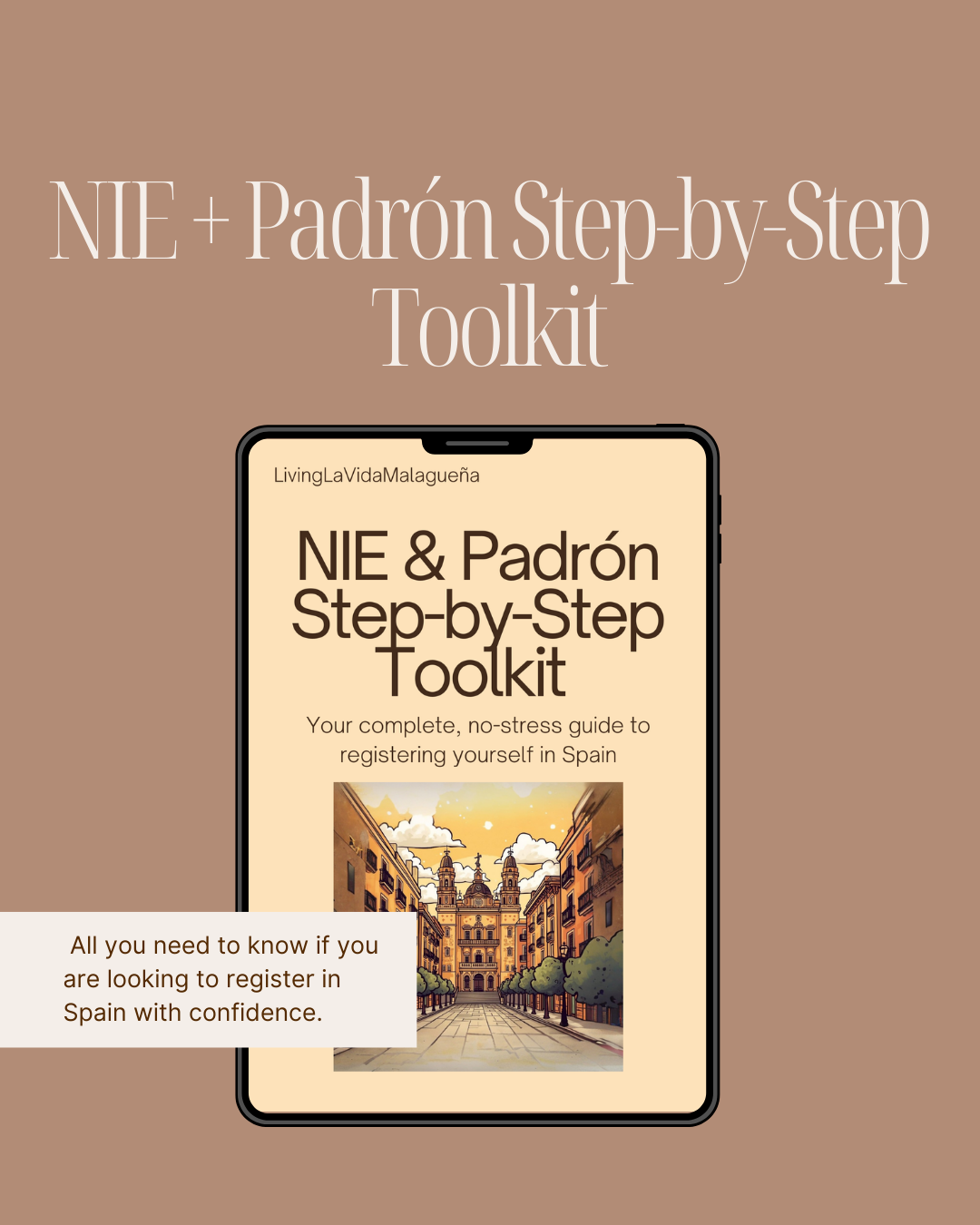
If you’ve already explored the process in The First 30 Days in Spain: What You Must Do, you’ll know that your first weeks are filled with administrative steps: getting your NIE, registering at the town hall, setting up your bank account, and more. Or, if you want a more in-depth approach, check out our First 90 Days After Moving to Spain Planner.
Each step depends on the previous one.
Missing one document can delay everything.
The key isn’t perfection — it’s awareness.
Mistake 2: Choosing a Visa Without Understanding Long-Term Implications
One of the biggest decisions you make happens before you even arrive.
Your visa.
Many people choose based on what seems easiest or fastest, without fully understanding how that choice affects their long-term situation.
For example:
The Non-Lucrative Visa doesn’t allow you to work in Spain.
The Digital Nomad Visa requires ongoing foreign income.
Work visas depend on employer sponsorship.
Each option comes with different renewal requirements and long-term implications.
If you’re still deciding, the Spain Visa Guides for Non-EU Citizens breaks down each pathway in detail and helps you align your choice with your lifestyle and future plans. If you want a quick overview, check out our other blog article talking about Visas in Spain for Non-EU Citizens.
Because changing your visa later is possible — but rarely simple.
Mistake 3: Not Thinking Beyond the First Year
The first year in Spain is exciting.
Everything is new. Every experience feels like progress.
But many people focus entirely on getting approved — without thinking about what comes next.
Residency in Spain follows a timeline.
You apply. You renew. You maintain eligibility.
If you haven’t read it yet, Spain Residency Timelines and Renewals explains how your stay evolves over time — from your first year to long-term residency after five years.
Financial requirements, absence limits, and documentation don’t disappear after approval.
They continue.
Planning ahead removes pressure later.
Mistake 4: Rushing Into a Long-Term Rental
It’s tempting to secure a permanent apartment before you arrive.
You want certainty. Stability. A place to land.
But Spain is very different when you’re living in it compared to visiting.
Neighbourhoods feel different. Noise levels vary. Daily routines change how you experience a space.
Many people who commit too early end up wanting to move within a few months.
That’s why starting with temporary accommodation often makes sense. If you want to learn more about renting in Spain, there’s several blog articles you can read on Renting in Spain as a Foreigner.
It gives you time to explore.
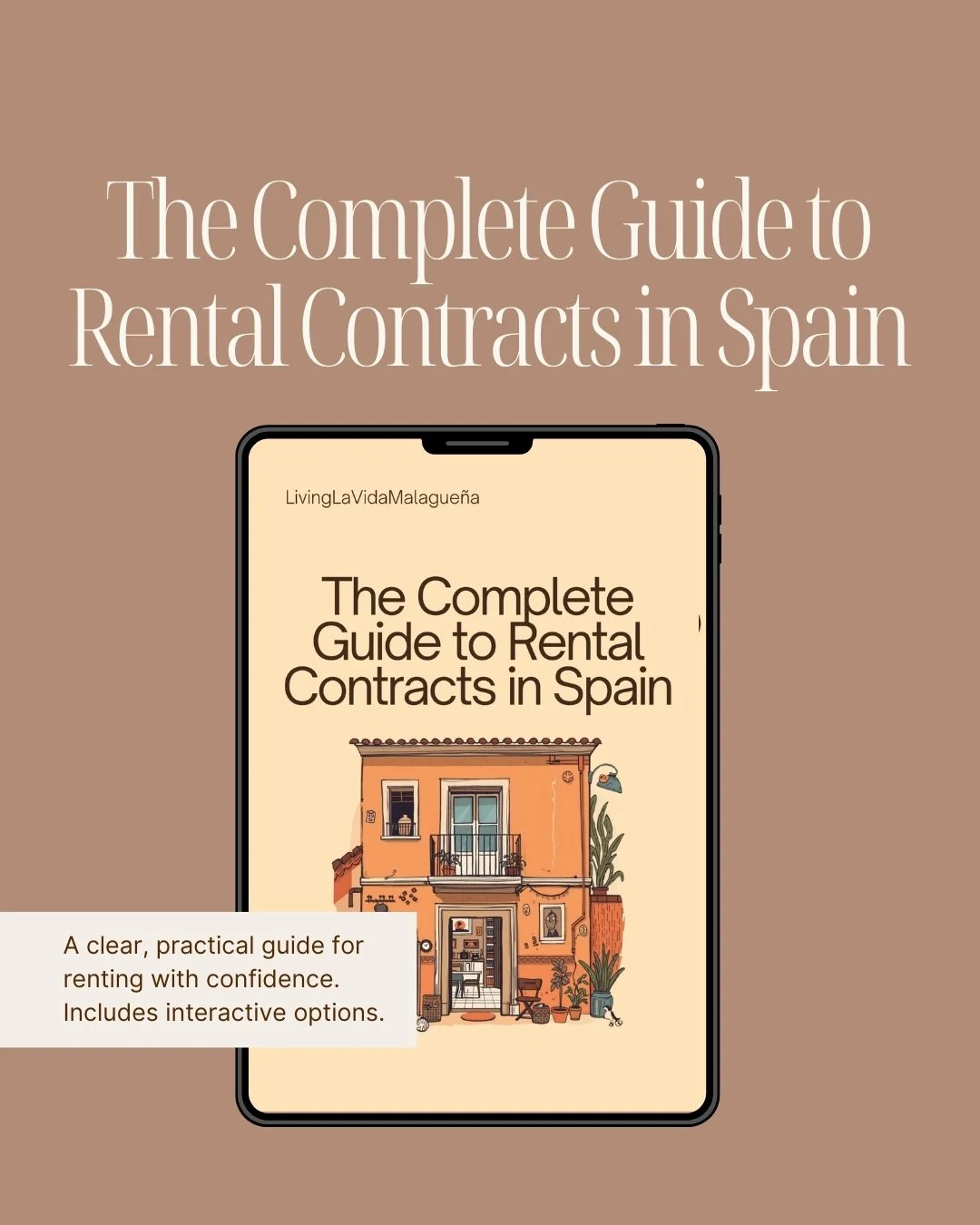
Our guide on Rental Contracts in Spain explains how the rental market works, what landlords expect, and how to approach contracts with more confidence.
Because in Spain, finding the right place is less about speed — and more about timing.
Mistake 5: Not Learning Spanish Early Enough
This is one of the most common — and most underestimated — mistakes.
At first, it feels manageable.
You can order food. You can get by in shops. Many people speak English, especially in larger cities.
But over time, the limits become clear.
Administrative documents are in Spanish.
Medical appointments often move quickly.
Conversations around you remain just out of reach.
If you’ve read Learning Spanish as an Adult, you’ll know that language learning isn’t about perfection — it’s about participation.
Even a basic level changes your experience dramatically.
The earlier you start, the easier everything becomes.
Mistake 6: Misunderstanding the Cost of Living
Spain is often described as “affordable.”
And compared to many countries, it is.
But affordable doesn’t mean cheap.
Rent in cities like Málaga has increased significantly in recent years. Utilities can fluctuate. Social security contributions — especially for freelancers — are fixed costs.
If you’re working independently, our Freelancing in Spain guide explains how the autónomo system works, including taxes and monthly contributions.
Understanding your real monthly costs early prevents financial stress later.
Lifestyle and budgeting need to align.
Mistake 7: Assuming Everything Will Work Like Home
Every country has its own rhythm.
Spain’s rhythm is different.
Shops close in the afternoon.
Dinner happens late.
Appointments may run behind schedule.
Processes take time.
At first, this can feel frustrating.
But over time, many people realise that this slower pace is part of what makes life here more enjoyable.
The key is adjustment.
Not resistance.
Spain works very well — just not always in the way you expect.
Mistake 8: Not Building a Social Life Intentionally
Moving countries resets your social circle.
At the beginning, it can feel isolating — even in a place as vibrant as Spain.
Many people assume friendships will happen naturally.
Sometimes they do.
But often, they require intention.
Joining language exchanges, coworking spaces, local events, or simply becoming a regular at a café can create connections over time.
Spain is a social country — but integration happens gradually.
The more you participate, the faster it feels like home.
Mistake 9: Ignoring Administrative Details After Arrival
Once you arrive, it’s tempting to relax.
You’ve made it. The big move is done.
But the first months are critical.
Registering your address.
Setting up healthcare.
Organising documentation.
These steps are not optional.
They affect your ability to renew your residency later.
Your first 30 days set the foundation for your long-term stay — something we break down step by step in The First 30 Days in Spain guide.
Taking them seriously saves time and stress later.
Mistake 10: Expecting Everything to Feel Perfect Immediately
This might be the most important one.
Moving to Spain is exciting.
But it’s also an adjustment.
There will be moments of frustration. Confusion. Doubt.
That doesn’t mean you made the wrong decision.
It means you’re adapting.
Every expat goes through this phase.
Over time, routines form. Familiar places appear. Conversations become easier.
Spain doesn’t become perfect.
It becomes yours.
Final Thoughts: It’s Not About Avoiding Mistakes — It’s About Understanding Them
No move is flawless.
Everyone makes mistakes.
The difference is whether those mistakes create stress — or become part of the learning process.
Spain rewards patience.
It rewards preparation.
And most of all, it rewards people who stay long enough to understand how it works.
If you approach your move with curiosity instead of urgency, flexibility instead of rigid expectations, you’ll find that most challenges become manageable.
And what remains is exactly what brought you here in the first place.
A different pace.
A different life.
And, eventually, a place that feels like home.
Frequently Asked Questions about Mistakes Not to Make Moving to Spain
-
The most common mistakes include underestimating bureaucracy, choosing the wrong visa, not learning Spanish early, rushing into rental contracts, and failing to plan for long-term residency requirements.
-
Moving to Spain is manageable with proper preparation. The main challenges involve paperwork, visa requirements, and understanding administrative processes.
-
It is possible to live in Spain without Spanish, especially in larger cities. However, learning the language significantly improves daily life, social integration, and administrative processes.
-
The required budget depends on your visa type and lifestyle. Most individuals should plan for at least €1,800–€2,500 per month to live comfortably, depending on location.
-
For many people, yes. Spain offers a high quality of life, good healthcare, a strong social culture, and a more relaxed pace compared to many other countries.


























Plan Your Move to Spain with Confidence
Moving to Spain is an exciting new chapter, but it also comes with countless tasks, deadlines, and important decisions. From researching visa options and preparing your paperwork to organising your finances, finding accommodation, and planning your arrival, it's easy to feel overwhelmed before you've even packed your suitcase.
The Moving to Spain Checklist & Relocation Planner has been created to help you stay organised throughout the entire relocation process. Instead of managing multiple lists, scattered notes, and endless browser tabs, you'll have one structured planner that guides you through every stage of your move.
Whether you're relocating in a few weeks or simply starting to plan your future in Spain, this practical digital guide provides a clear roadmap to help you stay on track and avoid missing important steps along the way.
Designed by Living La Vida Malagueña, this planner is based on real relocation experience and is intended to simplify the planning process, giving you more confidence as you prepare for your new life in Spain.
What You'll Receive
Your digital planner includes practical checklists and timelines covering every stage of your relocation, including:
Comprehensive Moving to Spain master checklist
Step-by-step relocation timeline
Visa and residency preparation checklist
Financial planning checklist
Accommodation and housing planner
Pre-departure moving checklist
Arrival and settling-in checklist
Printable PDF that can also be completed digitally
Who This Planner Is For
This planner is ideal for:
Anyone planning to move to Spain
First-time expats
Retirees relocating abroad
Digital nomads
Remote workers
Families moving to Spain
Anyone looking for a clear, organised relocation plan
Whether you're moving independently or with your family, this planner helps you approach the process with greater organisation and less stress.
Why You'll Love It
Relocating abroad involves dozens of moving parts, and it's surprisingly easy to overlook important tasks.
This planner has been designed to keep everything together in one place, helping you:
Stay organised throughout your move
Reduce last-minute stress
Keep track of important deadlines
Plan your relocation step by step
Feel more confident during every stage of the process
Simple, practical, and easy to use, you can either print the planner or complete it digitally—whatever works best for your planning style.
Instant Digital Download
This is a digital product.
No physical item will be shipped.
Once your purchase is complete, you'll receive immediate access to download your planner so you can start organising your move straight away.
Please Note
This planner has been created for educational and organisational purposes only.
It does not constitute legal, immigration, tax, or financial advice. Visa regulations and residency requirements can change, so you should always confirm the latest information with the relevant Spanish authorities before making important decisions.
Looking for Personalised Help?
If you'd like tailored advice based on your own relocation plans, you can also book a 45-minute private consultationthrough Living La Vida Malagueña.
Together we'll discuss your situation, answer your questions, and create a personalised action plan to help make your move to Spain smoother and more straightforward.