Healthcare Registration in Spain: A Complete Guide for Expats

Moving to Spain comes with a long list of administrative steps, but few are as important as registering for healthcare. It is not just about access to doctors. It is directly tied to your residency status, your long-term security in the country, and in many cases, your visa renewals.
Handled properly, Spain offers access to one of the most reliable and cost-effective healthcare systems in Europe. Handled poorly, it can lead to delays, unnecessary expenses, and avoidable stress during your first months in the country.
This guide walks you through how the system actually works, how to register step by step, and how to avoid the mistakes that most expats make early on.
Why Healthcare Registration Should Be a Priority
One of the most common patterns among expats is underestimating how early this needs to be done. Healthcare is often treated as something to “sort out later,” when in reality it sits at the centre of your entire relocation process.
Without being registered properly, you may find yourself relying entirely on private insurance, which is often required initially but not designed as a long-term solution. More importantly, gaps in coverage or delays in registration can complicate residency renewals.
If you are still in the setup phase, this is why your article The First 30 Days in Spain: What You Must Do is so critical. Healthcare registration depends on several steps outlined there, particularly empadronamiento and your NIE/TIE.
How the Spanish Healthcare System Works
Spain’s public healthcare system, the Sistema Nacional de Salud, is funded through social security contributions and administered at a regional level. While the structure is consistent nationwide, the process itself can vary slightly depending on where you live.
Access is based on residency and contribution status. As an expat, you will typically enter the system through one of three routes.
If you are employed, your employer registers you automatically through the social security system. This is the most straightforward path and provides full access to public healthcare.
If you are not working, such as on a non-lucrative visa, you may still gain access either through residency-based eligibility or through the Convenio Especial, a paid public healthcare scheme.
If you are in the early stages of your move, you will almost certainly be using private health insurance. This is mandatory for many visa types and must meet strict requirements, particularly if you followed the non-lucrative visa route.
Step-by-Step: How to Register for Public Healthcare
The process itself is logical, but it depends on completing each step in the correct order. Skipping one step or doing things out of sequence is where most people run into problems.
The first step is obtaining your social security number. This can be done online or in person at a social security office. You will need your NIE and identification documents, and if applicable, your work contract.
Once you have your number, you must be registered within the system. Employees will have this handled by their employer, while self-employed individuals must register themselves as autónomo.
After registration, you receive confirmation of your entitlement to healthcare. This document is essential, as it allows you to move forward to the next stage.
You then register at your local health centre. This is where your access becomes active. At this point, you will need your social security documentation, your NIE or TIE, and proof of address through empadronamiento.
Once processed, you are issued your health card, which gives you access to doctors, specialists, and hospital care within the public system.
The Critical Role of Empadronamiento
Empadronamiento is often treated as a simple administrative formality, but in practice, it is one of the most important steps in your relocation.
It is your official registration with the local town hall and is required for healthcare, residency processes, and many other aspects of life in Spain.
Delays here create a ripple effect. Without it, you cannot complete your healthcare registration, and this is one of the most common bottlenecks for new arrivals.
What You Actually Get with Public Healthcare
Spain’s public healthcare system is comprehensive and designed to provide long-term coverage rather than short-term solutions.
You will have access to general practitioners, specialist care, emergency services, and hospital treatment. In most cases, there is no direct cost at the point of use.
Prescription medication is subsidised, meaning you pay a percentage depending on your situation. Areas such as dental and optical care are more limited and typically handled privately.
For many expats, the biggest adjustment is not the quality of care, which is consistently high, but the waiting times for non-urgent specialist appointments. This is where private healthcare often plays a supporting role.
The Convenio Especial: An Alternative Route
For those who do not qualify through employment, the Convenio Especial provides a practical alternative.
It allows residents to access the public healthcare system by paying a monthly fee. The cost is relatively low compared to private insurance and provides access similar to the standard public system.
This option is particularly relevant for those on a non-lucrative visa or for early retirees who are not contributing to social security.
If you are considering this route, it is worth checking out the Non-Lucrative Visa guide, as the two are closely connected in practice.
Public vs Private Healthcare: What Expats Actually Do
In reality, most expats do not rely exclusively on one system.
Public healthcare is typically used for long-term and serious medical needs, while private healthcare is used for faster access, convenience, and in some cases, language support.
Many people begin with private insurance because it is required for their visa. Over time, as they integrate into the system, they transition to public healthcare while keeping private coverage as a supplement.
This hybrid approach offers both security and flexibility.
Common Mistakes That Slow Everything Down
The most common issue is simply waiting too long to start the process. Healthcare registration should be treated as a priority once you have a stable address.
Another frequent mistake is underestimating the importance of empadronamiento. Without it, most administrative processes cannot move forward.
Some expats also assume that private insurance is enough indefinitely. While it works initially, it is not a substitute for being properly integrated into the public system.
Finally, there is often confusion around regional differences. While procedures may vary slightly, the overall structure remains the same. Understanding this helps avoid unnecessary stress when things do not look exactly as expected.
How This Fits Into Your Bigger Move
Healthcare registration is not a standalone task. It connects directly to everything else you are doing in Spain.
It ties into your residency, your visa type, your address registration, and your financial setup. This is why it is best approached as part of a structured plan rather than something handled in isolation.
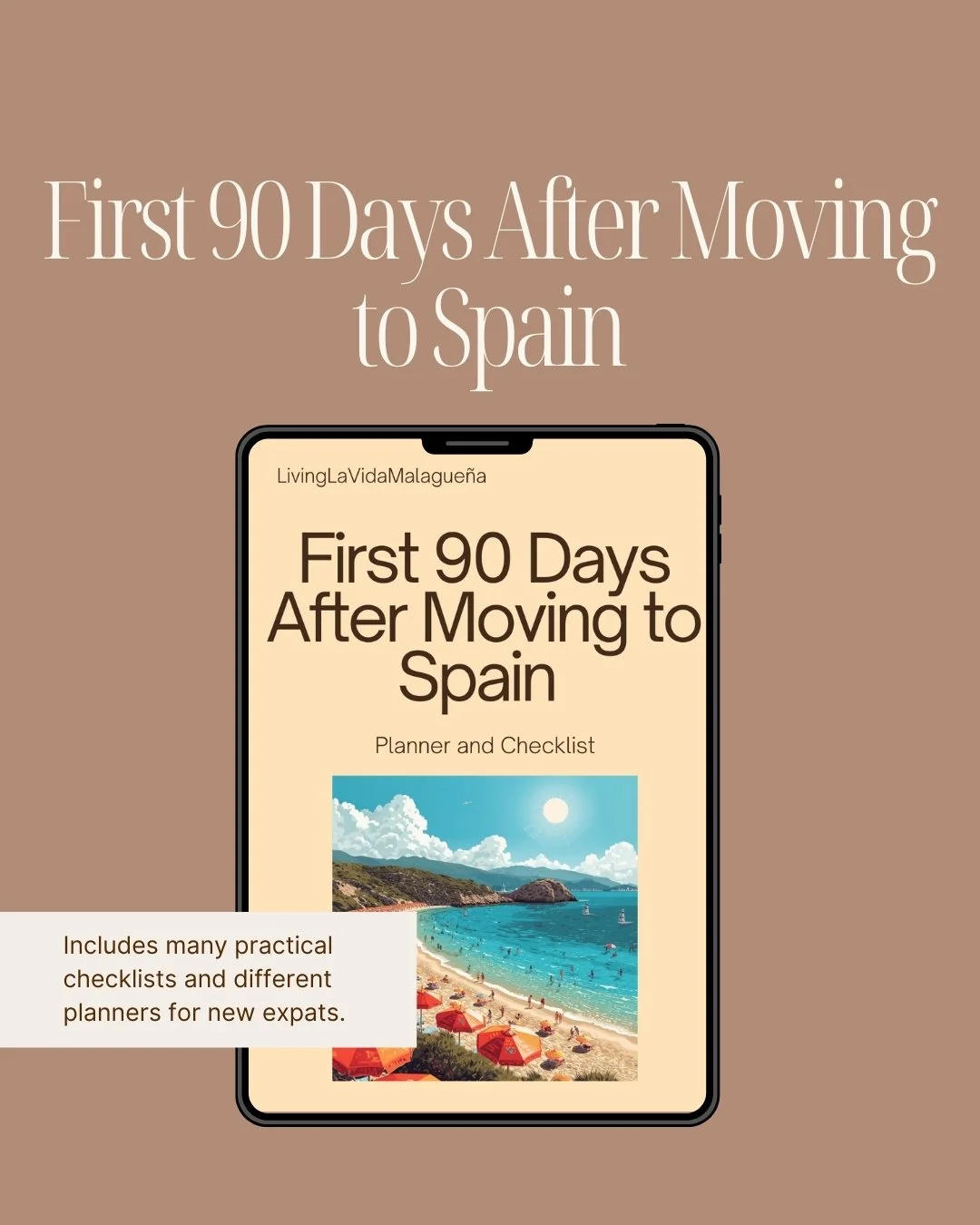
If you are building your move step by step, the existing guides work best when followed together. The First 90 Days after Moving to Spain lays the foundation, the Málaga Inside Survival Guide helps you avoid common pitfalls, and the visa guides ensure you stay compliant throughout the process.
A More Efficient Way to Handle This
Most of the friction expats experience comes from not knowing the correct order of steps or missing small but important details.
This is exactly why having a structured checklist or step-by-step system makes such a difference. Instead of reacting to problems as they appear, you move through the process with clarity and confidence.
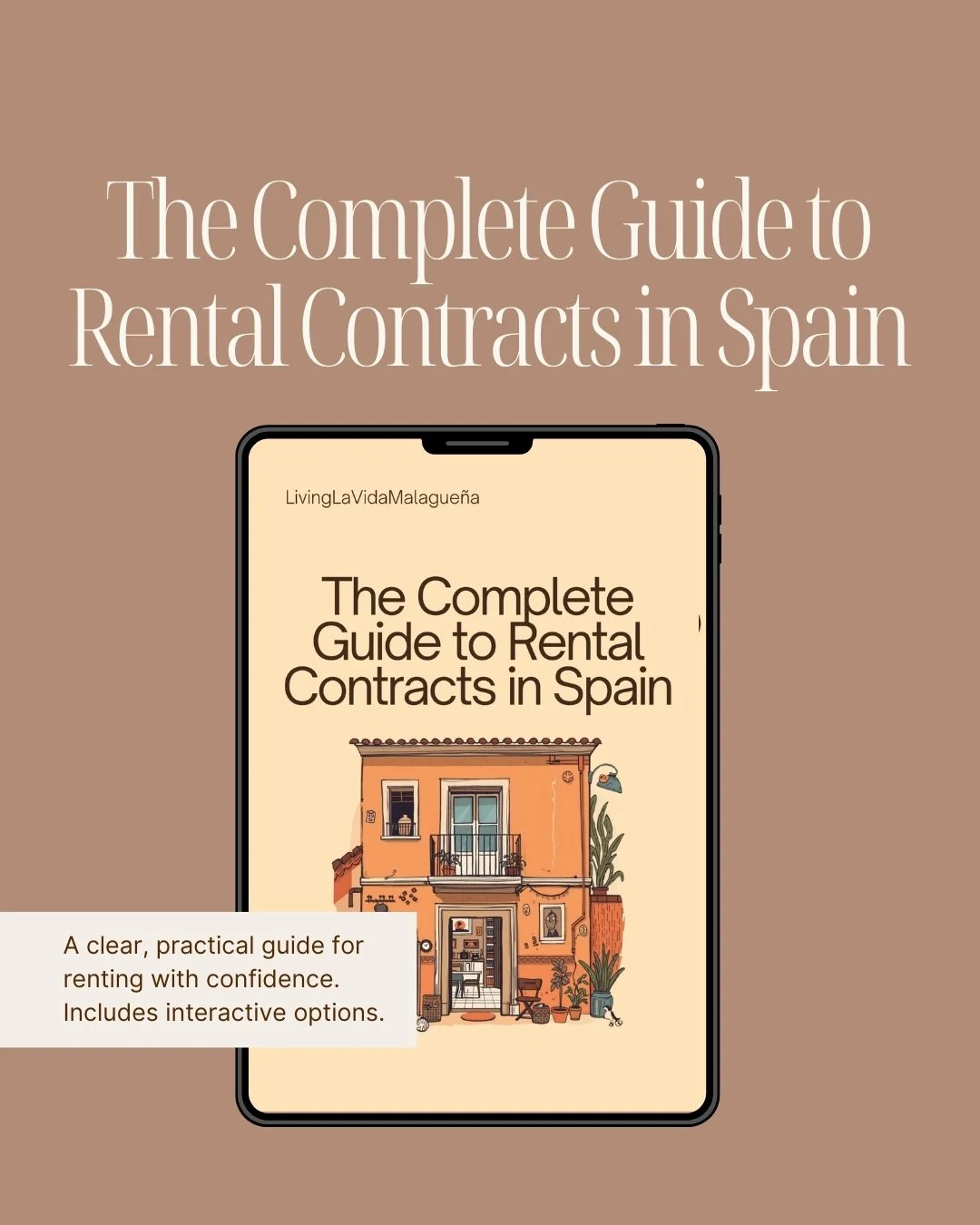
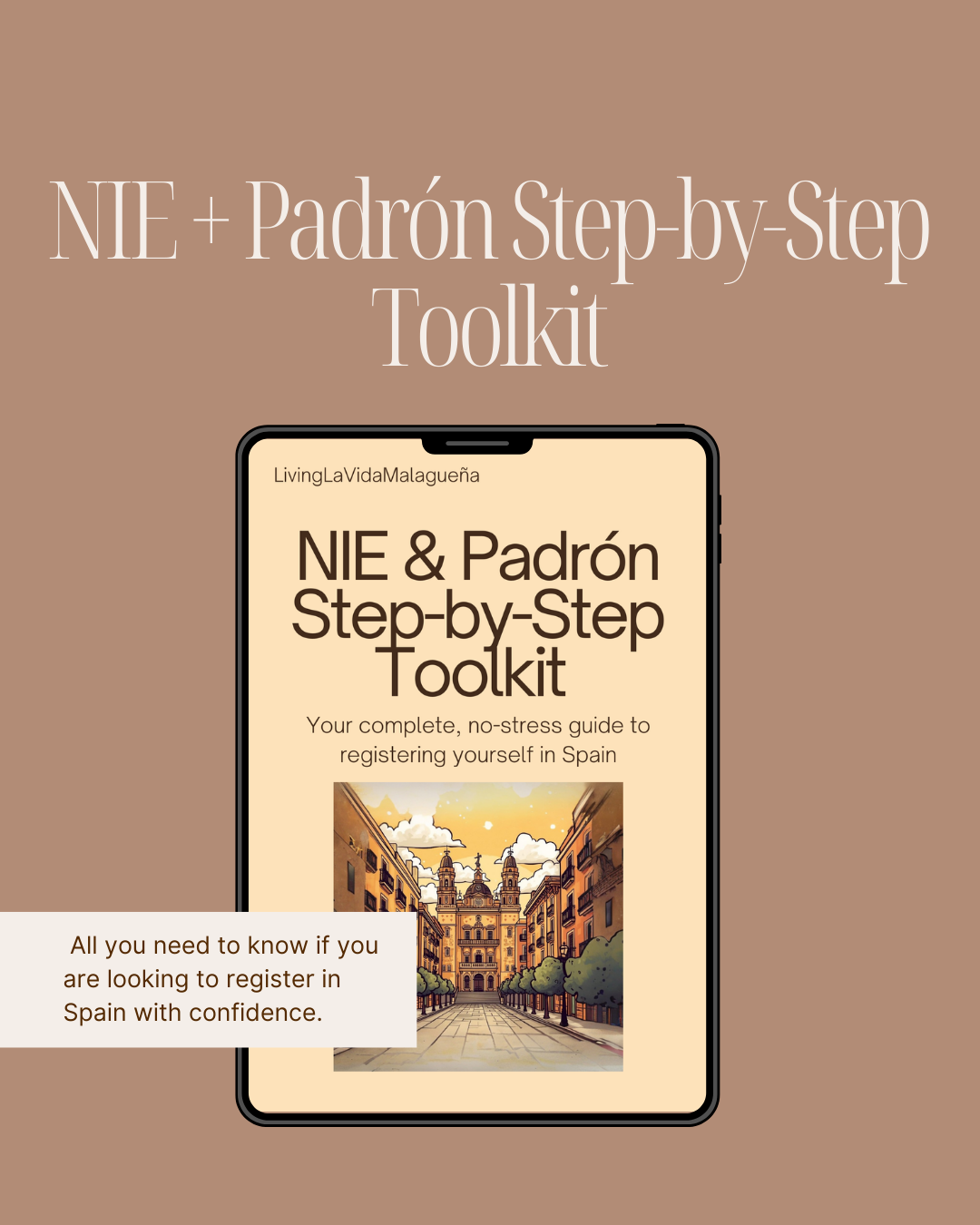
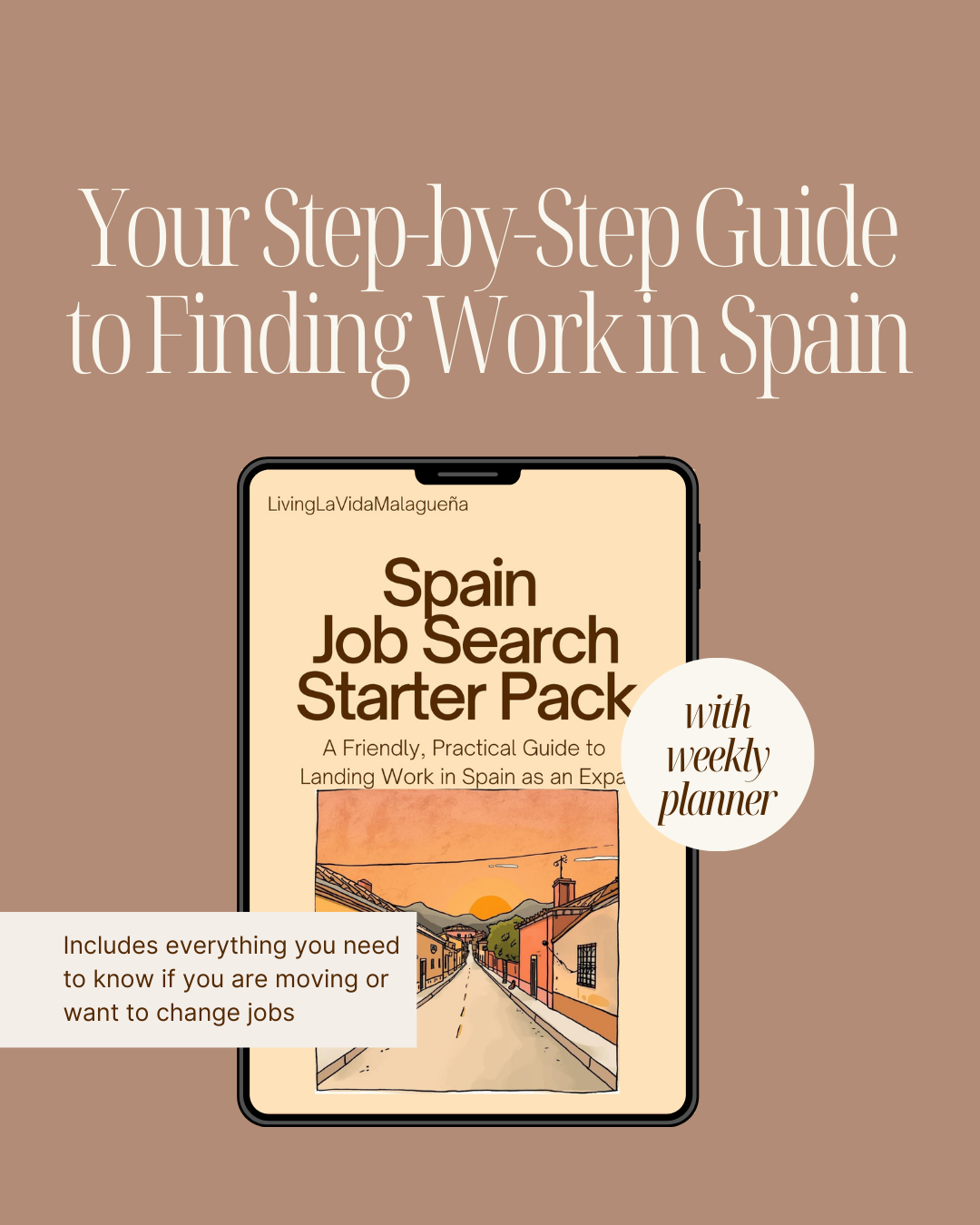
If you are serious about getting set up properly in Spain without delays, this is where a complete relocation checklist or guide becomes valuable. It removes guesswork and ensures you do not miss anything that could slow you down later.
Final Thoughts
Registering for healthcare in Spain is one of the key steps in turning your move from temporary to stable.
Once it is done, it removes a significant layer of uncertainty. You are no longer relying on short-term solutions, and you are fully integrated into a system designed to support you long term.
If you are still early in your move, your next step should be to go back to How to Move to Spain: Complete Guide and make sure each foundational step is in place. From there, the healthcare registration process becomes straightforward.
Frequently Asked Questions about Healthcare in Spain
-
Expats can access public healthcare in Spain, but it is not automatically free for everyone. If you are working and paying into the social security system, you will typically receive healthcare at no direct cost. If you are not working, you may still qualify through residency or by paying into the Convenio Especial scheme.
-
The timeline depends on how quickly you complete the required steps. If you already have your NIE, empadronamiento, and social security registration in place, you can often complete the process within a few weeks. Delays usually happen when one of these elements is missing.
-
Private health insurance is required for many visa types, including the non-lucrative visa and digital nomad visa. However, once you are fully registered in the public system, many expats choose to rely primarily on public healthcare while keeping private insurance as a supplement.
-
You will generally need your NIE or TIE, your social security number or registration document, and proof of address through empadronamiento. Depending on your situation, additional documents such as a work contract may be required.
-
The Convenio Especial is a government scheme that allows residents to access Spain’s public healthcare system by paying a monthly contribution. It is commonly used by retirees or those on a non-lucrative visa who are not paying into social security.
-
When you register with your local health centre, you are assigned a general practitioner. In some cases, you may be able to request a specific doctor, depending on availability. Private healthcare offers more flexibility in choosing specialists.























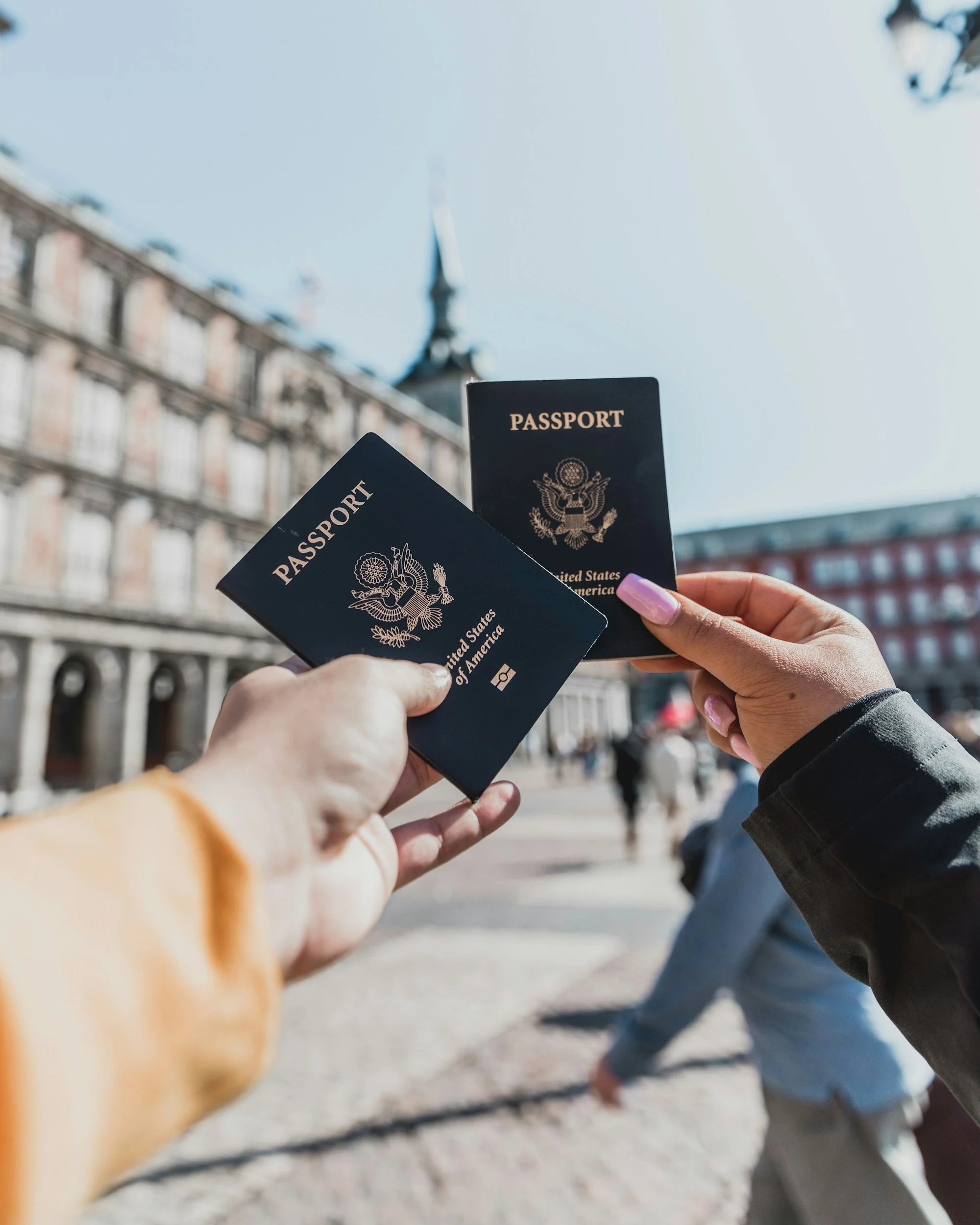


Plan Your Move to Spain with Confidence
Moving to Spain is an exciting new chapter, but it also comes with countless tasks, deadlines, and important decisions. From researching visa options and preparing your paperwork to organising your finances, finding accommodation, and planning your arrival, it's easy to feel overwhelmed before you've even packed your suitcase.
The Moving to Spain Checklist & Relocation Planner has been created to help you stay organised throughout the entire relocation process. Instead of managing multiple lists, scattered notes, and endless browser tabs, you'll have one structured planner that guides you through every stage of your move.
Whether you're relocating in a few weeks or simply starting to plan your future in Spain, this practical digital guide provides a clear roadmap to help you stay on track and avoid missing important steps along the way.
Designed by Living La Vida Malagueña, this planner is based on real relocation experience and is intended to simplify the planning process, giving you more confidence as you prepare for your new life in Spain.
What You'll Receive
Your digital planner includes practical checklists and timelines covering every stage of your relocation, including:
Comprehensive Moving to Spain master checklist
Step-by-step relocation timeline
Visa and residency preparation checklist
Financial planning checklist
Accommodation and housing planner
Pre-departure moving checklist
Arrival and settling-in checklist
Printable PDF that can also be completed digitally
Who This Planner Is For
This planner is ideal for:
Anyone planning to move to Spain
First-time expats
Retirees relocating abroad
Digital nomads
Remote workers
Families moving to Spain
Anyone looking for a clear, organised relocation plan
Whether you're moving independently or with your family, this planner helps you approach the process with greater organisation and less stress.
Why You'll Love It
Relocating abroad involves dozens of moving parts, and it's surprisingly easy to overlook important tasks.
This planner has been designed to keep everything together in one place, helping you:
Stay organised throughout your move
Reduce last-minute stress
Keep track of important deadlines
Plan your relocation step by step
Feel more confident during every stage of the process
Simple, practical, and easy to use, you can either print the planner or complete it digitally—whatever works best for your planning style.
Instant Digital Download
This is a digital product.
No physical item will be shipped.
Once your purchase is complete, you'll receive immediate access to download your planner so you can start organising your move straight away.
Please Note
This planner has been created for educational and organisational purposes only.
It does not constitute legal, immigration, tax, or financial advice. Visa regulations and residency requirements can change, so you should always confirm the latest information with the relevant Spanish authorities before making important decisions.
Looking for Personalised Help?
If you'd like tailored advice based on your own relocation plans, you can also book a 45-minute private consultationthrough Living La Vida Malagueña.
Together we'll discuss your situation, answer your questions, and create a personalised action plan to help make your move to Spain smoother and more straightforward.