Building a Social Network in Spain: What Actually Works — and What Doesn’t

Moving to Spain is often framed as a lifestyle upgrade.
Better weather. Slower pace. More time outside. A culture that revolves around people.
And all of that is true.
But what’s talked about far less is how long it can take to actually feel socially settled here.
You can have your apartment sorted, your paperwork underway, even a job or income stream in place, and still feel like you’re on the outside looking in. It’s a quieter part of the experience, but a very real one. We touched on this in our article about the realities of relocating, where the practical side of moving is only one part of the story. Building a life is something else entirely.
Why it feels harder than expected at the beginning
One of the biggest surprises for many people is that Spain is both very social and, at the same time, not always easy to break into.
People are open, warm, and used to being around others—but their social circles are often already established. Many friendships go back years, sometimes to childhood or university. So while interactions are friendly, deeper connections take longer.
This is where expectations matter.
If you arrive assuming friendships will form quickly, it can feel frustrating. If you understand from the start that things develop gradually, it becomes much easier to navigate.
Language also plays a bigger role than most expect. Even a basic level of Spanish changes how conversations flow and how included you feel. It’s not about being fluent—it’s about showing effort. That’s something we explored more in our blog article on Learning Spanish as an Adult, and it’s one of the factors that quietly accelerates everything else.
Starting with expats (and why that’s completely normal)
For most people, the first connections come through other expats.
It happens naturally. You meet people at language exchanges, through online communities, in coworking spaces, or through mutual contacts. There’s an immediate sense of shared experience, everyone is figuring things out at the same time.
These early connections matter more than people think. They often shape your first few months and make the transition feel less overwhelming.
At the same time, it’s easy to stay in that circle longer than intended.
Over time, that can lead to a sense of distance from local life. It’s something that comes up often, and it connects closely with what we covered in the article on common mistakes people make when moving to Spain. Not expanding beyond that initial network is one of the more subtle ones.
The goal isn’t to avoid expat circles, it’s to use them as a starting point - not the final destination.
The difference between meeting people and building something real
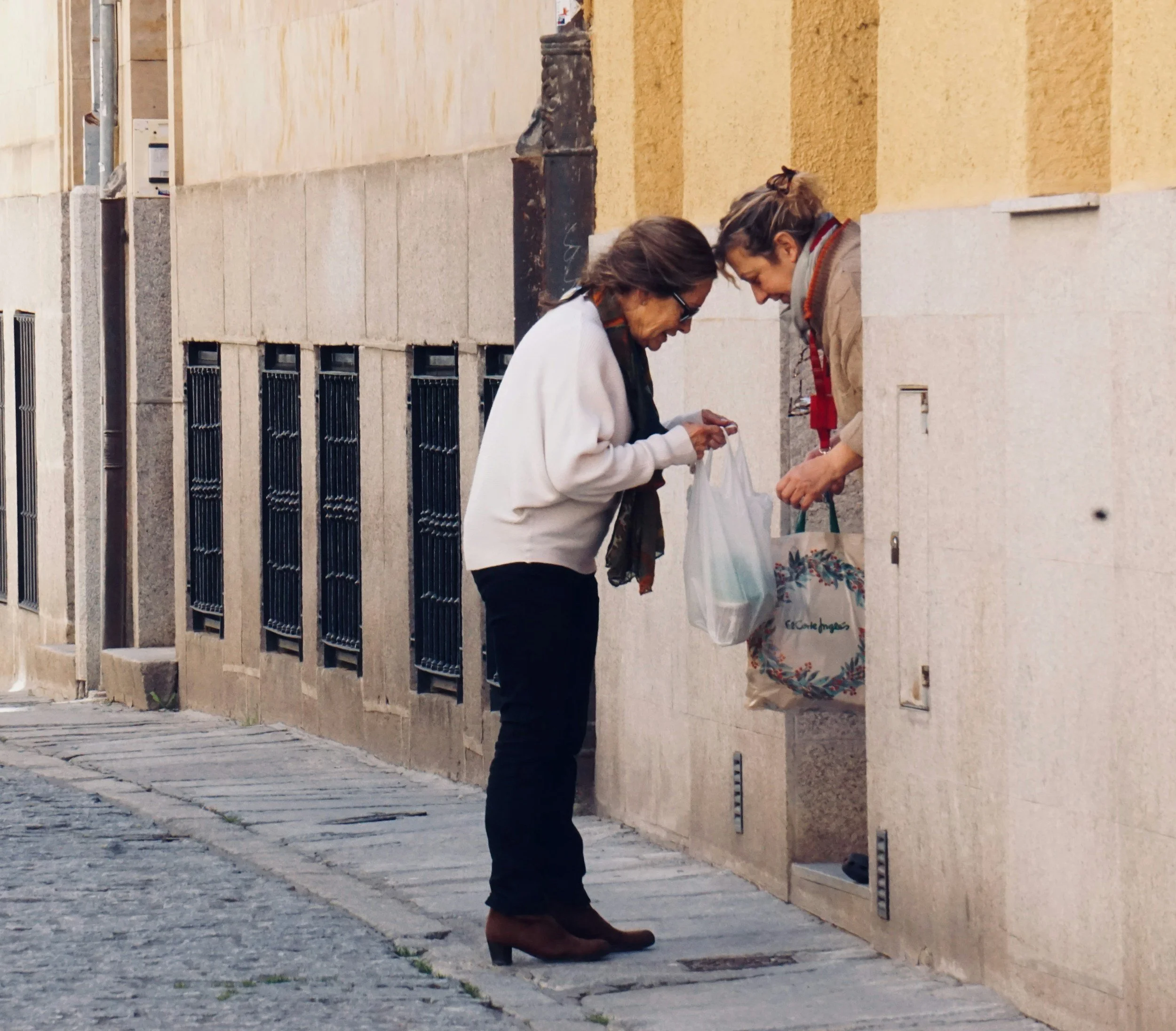
Spain makes it relatively easy to meet people.
Building actual friendships is where things slow down.
A lot of people attend events, have good conversations, exchange numbers, and then nothing really follows. It’s not because there wasn’t interest. It’s because social life here tends to be built on consistency rather than one-off interactions.
Seeing the same people repeatedly is what creates familiarity. And familiarity is what turns into connection.
This is why the shift usually happens when socialising becomes part of your routine rather than something occasional. The same language exchange each week. The same café. The same gym or class.
Over time, those repeated interactions start to feel natural instead of effortful.
Why routine matters more than spontaneity
There’s a common idea that building a social life is about being spontaneous.
In Spain, it’s often the opposite.
Routine is what creates opportunities for spontaneity later on.
When you already have familiar faces in your week, plans start to form more organically. Someone suggests a drink after an event. A small group forms naturally. You get invited into other plans.
Without that base, everything feels more random — and harder to build on.
This becomes especially important if you’re working remotely. Without colleagues or a structured environment, days can pass without much interaction. It’s something we touched on in our article about freelancing in Spain, how flexibility is great, but it also requires more intention when it comes to social life.
Saying yes (even when you’re not sure)
In the early stages, it helps to approach things differently than you normally would.
Instead of being selective, it’s often better to say yes more often.
Coffee plans. Casual drinks. Group dinners where you only know one person. Invitations that feel slightly outside your comfort zone.
Not every plan will lead to anything meaningful. But that’s not really the point.
The point is momentum.
Most people who eventually build a strong network didn’t do anything particularly strategic, they just stayed open long enough for the right connections to form.
Activities create connection faster than events
There’s a noticeable difference between events and activities.
Events are one-off. Activities repeat.
And it’s the repetition that makes the difference.
Whether it’s a language exchange, a fitness class, dance lessons, or a regular meetup, having something that brings the same people together consistently makes everything easier. Conversations pick up where they left off. Interactions become more relaxed. Familiarity builds without forcing it.
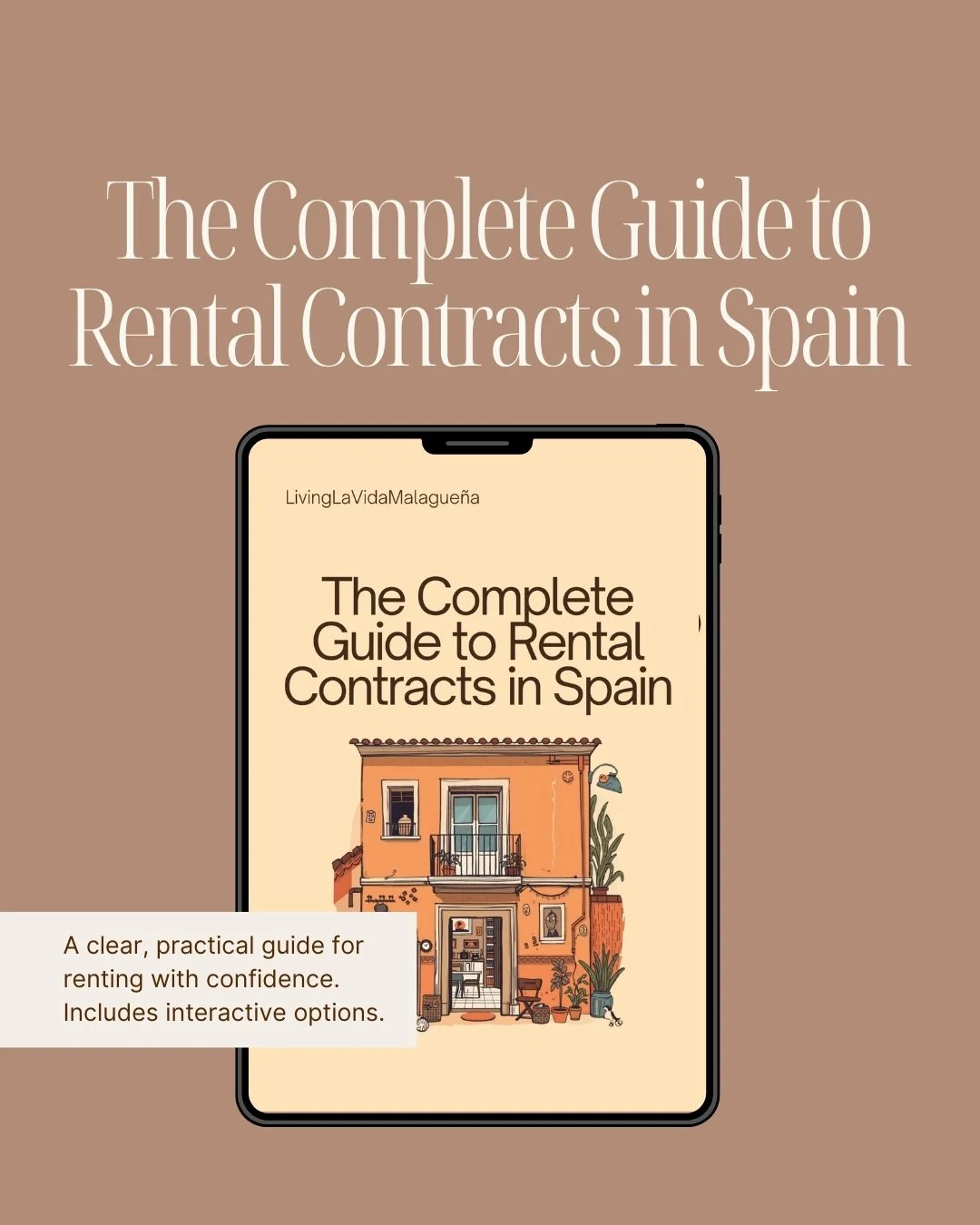
This kind of structure also helps during the more stressful parts of settling in — finding the right area, navigating contracts, dealing with the rental market. If you’ve been through the process described in our Guide to Renting in Spain as a Foreigner, you’ll know how consuming that phase can be. Having something social and consistent in your week helps balance it out.
Using work as a social anchor (even if you’re remote)
Work is often one of the main ways people build a social circle, but that changes when you’re working remotely or freelancing.
That’s where coworking spaces come in.
Even if you don’t strictly need one, they offer something that’s otherwise missing: a shared environment. Conversations happen naturally, without effort. You meet people in similar situations. And over time, those connections extend beyond work.
They also tend to attract people who are open to meeting others, which makes a difference.
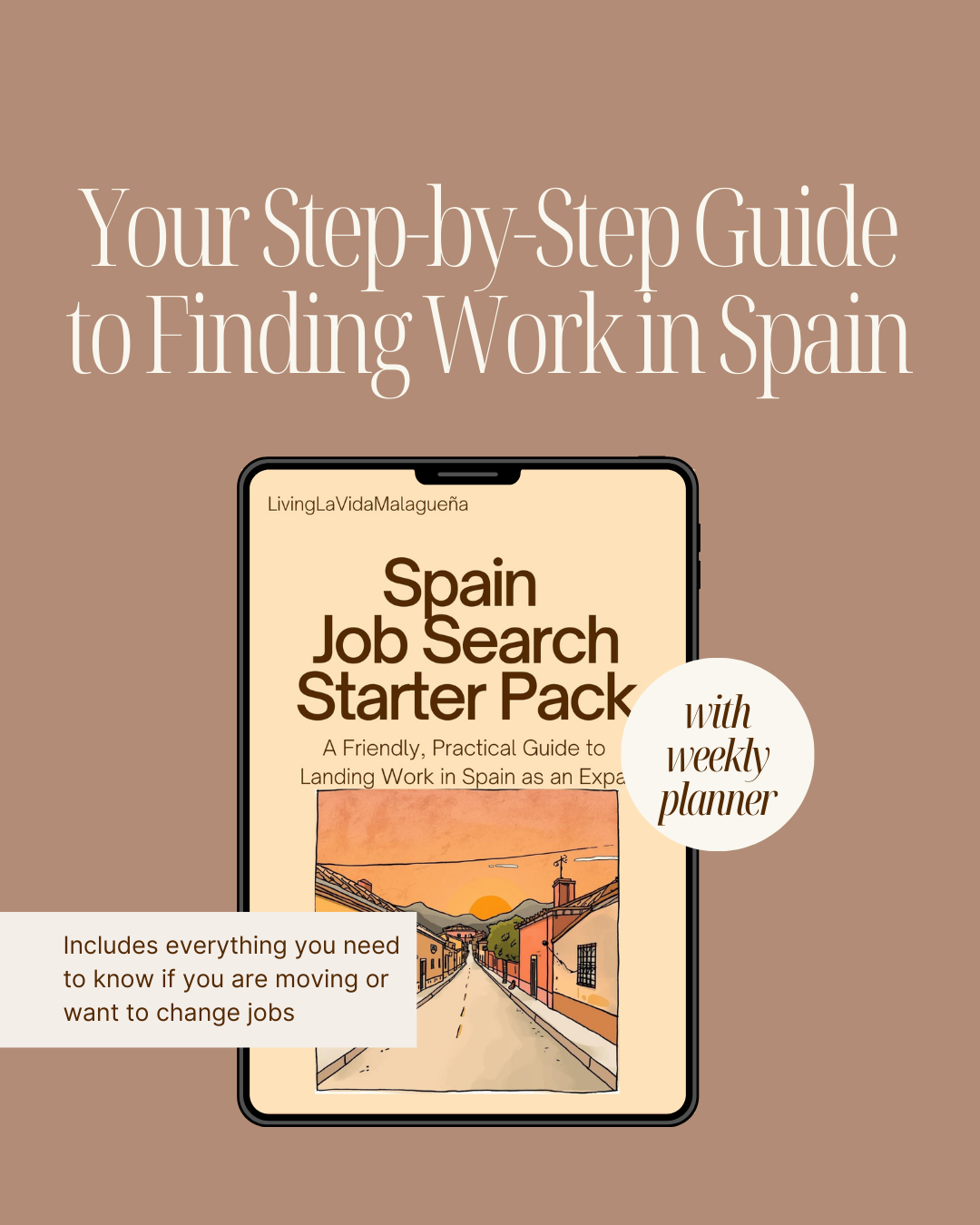
If you’re also thinking about opportunities or career moves, these spaces can be unexpectedly useful. A lot of things happen through informal connections here, something we go deeper into in the Spain Job Search Starter Pack, where networking plays a much bigger role than people initially expect.
When things start to feel different
At some point, things shift.
It’s not dramatic, and it doesn’t happen overnight.
But you start to recognise people when you’re out. Conversations feel easier. Plans come together without as much effort. You have a few go-to contacts instead of starting from scratch each time.
That’s usually the moment where it stops feeling temporary.
Where you’re no longer just adjusting to Spain, you’re part of something here.
The timeline most people don’t expect
One of the most helpful things to understand is how long this process usually takes.
For many people:
The first 1–3 months feel transitional
Around 3–6 months, things start to stabilise
Between 6–12 months, a real sense of connection begins to form
It varies, but it’s rarely immediate.
Understanding that timeline removes a lot of unnecessary pressure.
What actually makes the difference over time
When you look at people who have built a fulfilling life here, the pattern is usually quite simple.
They show up regularly, even when they don’t feel like it.
They make an effort with the language, even if it’s imperfect.
They follow up with people instead of waiting.
They suggest simple plans instead of waiting for bigger ones.
None of it is complicated. But it’s consistent.
Bringing it all together
Building a social network in Spain isn’t about being naturally outgoing, and it’s not about luck.
It’s about understanding how relationships tend to form here, and adapting to that pace.
Once that clicks, everything else becomes easier.
Daily life feels smoother. Opportunities appear more naturally. And the experience of living here shifts from something that feels temporary to something that feels genuinely rooted.
If you’re still in the early stages, this is one of the areas worth prioritising. It’s also the one that has the biggest impact on how everything else feels.
And like most things in Spain, it rewards patience.
Final thoughts
Building a social network in Spain is one of those things that feels slow, until suddenly it isn’t.
At the beginning, it can feel like effort. You’re putting yourself out there, repeating conversations, showing up without knowing what will come from it. And for a while, it might not feel like much is changing.
But then, gradually, it does.
You start recognising people. Conversations pick up where they left off. Plans become more natural. And without really noticing when it happened, you feel more settled.
That’s usually the turning point.
It’s also why this part of the process is worth sticking with. Because once you have a social foundation here, everything else. work, daily life, opportunities, even your sense of belonging, becomes easier.
It doesn’t happen instantly, but it does happen.
And for most people, it ends up being the thing that makes Spain feel like home.
Frequently Asked Questions about Building a Social Network in Spain
-
For most people, it takes a few months to start feeling comfortable and closer to a year to feel fully settled. It’s a gradual process, and that’s completely normal.
-
Expats are usually easier to connect with at the beginning because you share a similar experience. Building friendships with locals often takes more time, especially if there’s a language barrier, but those relationships can feel more rooted long-term.
-
Not necessarily, but it helps a lot. Even a basic level can make conversations flow more naturally and helps you integrate into local environments more easily.
-
Language exchanges, coworking spaces, fitness classes, and recurring activities tend to work best. The key is consistency—seeing the same people regularly.
-
Because being surrounded by people isn’t the same as feeling connected. It takes time to build meaningful relationships, especially in a new country.
-
Yes, very normal. It’s one of the most common parts of the experience, even if people don’t always talk about it openly.
















Plan Your Move to Spain with Confidence
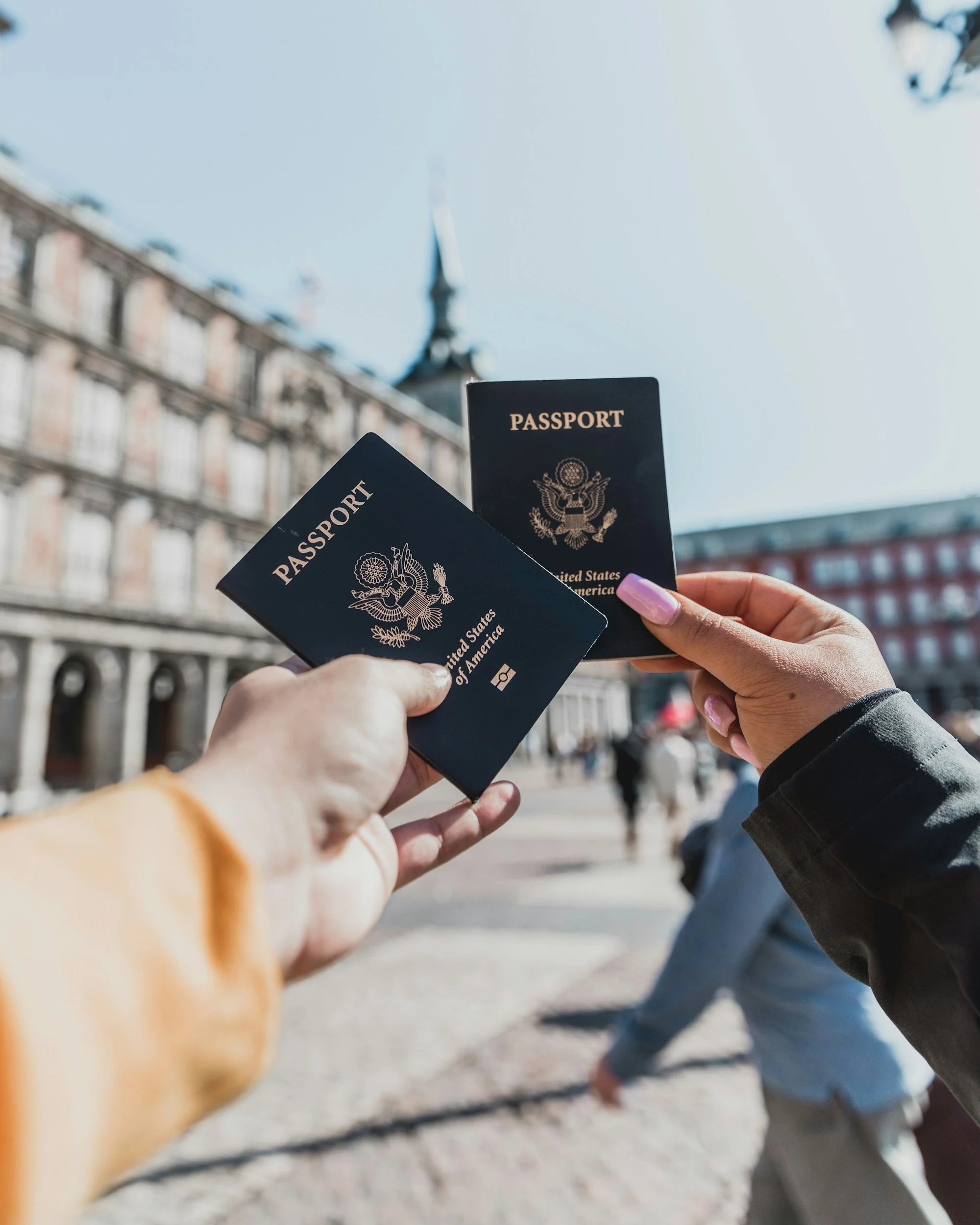
Moving to Spain is an exciting new chapter, but it also comes with countless tasks, deadlines, and important decisions. From researching visa options and preparing your paperwork to organising your finances, finding accommodation, and planning your arrival, it's easy to feel overwhelmed before you've even packed your suitcase.
The Moving to Spain Checklist & Relocation Planner has been created to help you stay organised throughout the entire relocation process. Instead of managing multiple lists, scattered notes, and endless browser tabs, you'll have one structured planner that guides you through every stage of your move.
Whether you're relocating in a few weeks or simply starting to plan your future in Spain, this practical digital guide provides a clear roadmap to help you stay on track and avoid missing important steps along the way.
Designed by Living La Vida Malagueña, this planner is based on real relocation experience and is intended to simplify the planning process, giving you more confidence as you prepare for your new life in Spain.
What You'll Receive
Your digital planner includes practical checklists and timelines covering every stage of your relocation, including:
Comprehensive Moving to Spain master checklist
Step-by-step relocation timeline
Visa and residency preparation checklist
Financial planning checklist
Accommodation and housing planner
Pre-departure moving checklist
Arrival and settling-in checklist
Printable PDF that can also be completed digitally
Who This Planner Is For
This planner is ideal for:
Anyone planning to move to Spain
First-time expats
Retirees relocating abroad
Digital nomads
Remote workers
Families moving to Spain
Anyone looking for a clear, organised relocation plan
Whether you're moving independently or with your family, this planner helps you approach the process with greater organisation and less stress.
Why You'll Love It
Relocating abroad involves dozens of moving parts, and it's surprisingly easy to overlook important tasks.
This planner has been designed to keep everything together in one place, helping you:
Stay organised throughout your move
Reduce last-minute stress
Keep track of important deadlines
Plan your relocation step by step
Feel more confident during every stage of the process
Simple, practical, and easy to use, you can either print the planner or complete it digitally—whatever works best for your planning style.
Instant Digital Download
This is a digital product.
No physical item will be shipped.
Once your purchase is complete, you'll receive immediate access to download your planner so you can start organising your move straight away.
Please Note
This planner has been created for educational and organisational purposes only.
It does not constitute legal, immigration, tax, or financial advice. Visa regulations and residency requirements can change, so you should always confirm the latest information with the relevant Spanish authorities before making important decisions.
Looking for Personalised Help?
If you'd like tailored advice based on your own relocation plans, you can also book a 45-minute private consultationthrough Living La Vida Malagueña.
Together we'll discuss your situation, answer your questions, and create a personalised action plan to help make your move to Spain smoother and more straightforward.