Starting a Business in Spain as a Foreigner
What it really takes — beyond the idea

There’s a moment that comes after the move.
You’ve settled in. The paperwork is (mostly) under control. The daily rhythm starts to feel familiar. And then a new question appears:
Could I build something here?
For many people who move to Spain, the idea of starting a business isn’t just about income. It’s about freedom, stability, and creating a life that actually works in this new environment.
Spain can absolutely support that.
But it doesn’t work in the way many expect.
Because starting a business here isn’t just about your idea — it’s about understanding the system you’re stepping into.
And that system has its own rules, pace, and structure.
The First Reality: Most Foreigners Start as Autónomos
When people talk about “starting a business” in Spain, what they often mean — at least initially — is becoming autónomo(self-employed).
This is the simplest and most common route.
If you’ve already explored Freelancing in Spain, you’ll recognise this structure. Whether you’re a consultant, designer, online business owner, or service provider, the autónomo system is usually the first step.
It allows you to:
Invoice clients
Work legally in Spain
Register your activity with tax authorities
But there’s an important detail many people overlook.
Autónomo is not “lightweight freelancing.”
It comes with fixed monthly social security contributions, quarterly tax filings, and administrative responsibilities — regardless of how much you earn.
This is where expectations often clash with reality.
Choosing the Right Legal Structure
As your business grows, you may eventually move beyond autónomo status and set up a company — typically a Sociedad Limitada (SL).
This structure is closer to a limited company in other countries.
It offers:
Limited liability
A more formal business structure
Potential tax advantages at higher income levels
But it also involves:
Higher setup costs
More accounting requirements
Ongoing administrative obligations
Many people rush into creating a company too early.
In Spain, starting simple and scaling later is often the smarter approach.
The Visa Question: Can You Actually Run a Business?
Before anything else, you need to make sure your legal status allows you to operate.
This is where things get critical.
Not all visas permit business activity.
For example:
The Non-Lucrative Visa does not allow you to work in Spain
The Digital Nomad Visa allows remote work, but within specific conditions
The Self-Employed Visa is designed specifically for business activity
If you haven’t already, the Spain Visa Guides for Non-EU Citizens breaks down which visa aligns with your plans — and just as importantly, which ones don’t.
Starting a business without the correct legal framework can create serious complications later.
Bureaucracy: The Part Nobody Gets Excited About
Spain’s business environment is structured.
That means processes exist — but they must be followed.
Registering as autónomo, declaring your activity, setting up tax obligations, and dealing with local administration all require attention to detail.
If you’ve read The First 30 Days in Spain: What You Must Do, you already know that administrative steps tend to build on each other.
The same applies here.
Missing a step doesn’t mean failure.
But it can mean delays, fines, or unnecessary stress.
This is why many people work with a gestor (a local administrative advisor). It’s not mandatory — but it often makes things significantly easier.
Understanding Taxes and Contributions
This is one of the biggest surprises for new business owners in Spain.
As an autónomo, you are responsible for:
Income tax (IRPF)
VAT (IVA), depending on your activity
Social security contributions
Even if your income fluctuates, your monthly social security payment continues.
There are reduced rates available at the beginning — but they increase over time.
This is why understanding your real monthly costs matters.
If you’ve read Cost of Living in Málaga / Spain, you’ll already have a baseline. Running a business adds another layer to that financial picture.
Planning ahead avoids pressure later.
Finding Clients (and Building Stability)
Spain is not always the easiest place to build a client base quickly — especially if you rely solely on the local market.
Many successful expats structure their business in one of two ways:
They work with international clients while living in Spain.
Or they build locally, but slowly, through relationships and networks.
Both approaches work.
But they require different strategies.
Language plays a role here too.
If you’re still developing your Spanish, your experience from Learning Spanish as an Adult becomes directly relevant — especially when dealing with local clients or administration.
Location Still Matters More Than You Think
Where you live in Spain can influence your business more than expected.
Cities like Málaga, Valencia, and Barcelona offer:
International communities
Coworking spaces
Networking opportunities
In Málaga specifically, the growing digital and entrepreneurial scene makes it an attractive base.
If you’re still deciding where to settle, the article about the Best Cities for Digital Nomads in Spain explores this in depth.
The right environment can make building a business feel significantly easier.
The Hidden Costs of Starting a Business
Many people budget for the obvious things — registration, accounting, maybe office space.
But there are always additional costs.
Time is one of them.
Administrative processes take time. Learning the system takes time. Building something from scratch always does.
Financially, there are also less obvious expenses:
Professional services (gestor, accountant)
Software and tools
Marketing and client acquisition
Periods of inconsistent income
If you’ve read Hidden Costs of Moving to Spain, you’ll recognise this pattern.
It’s rarely one large expense.
It’s multiple small ones that add up.
Building a Life Around the Business (Not the Other Way Around)
One of the reasons people start a business in Spain is to create a different kind of life.
More flexibility. More autonomy. More control over how their days look.
But it’s easy to recreate the same pressure you were trying to leave behind.
Spain offers something different — but only if you allow for it.
Work still matters.
But so does the pace of life, the environment, and the space to actually enjoy where you are.
This balance doesn’t happen automatically.
It’s something you build intentionally.
Where Most People Go Wrong
It’s rarely about the idea itself.
Most people don’t fail because their business concept doesn’t work.
They struggle because they underestimate:
The administrative structure
The financial commitments
The time it takes to build stability
The importance of legal alignment (visa, registration, taxes)
These are the same patterns we explored in Mistakes People Make Moving to Spain — just applied to business.
And the solution is the same.
Preparation.
A More Realistic Approach
Starting a business in Spain works best when you approach it in stages.
You don’t need everything figured out on day one.
You need:
A legal structure that fits your situation
A basic financial plan
A clear understanding of your obligations
And enough flexibility to adapt as you go
Spain rewards consistency more than speed.
Things take time.
But they do move forward.
A Practical Next Step
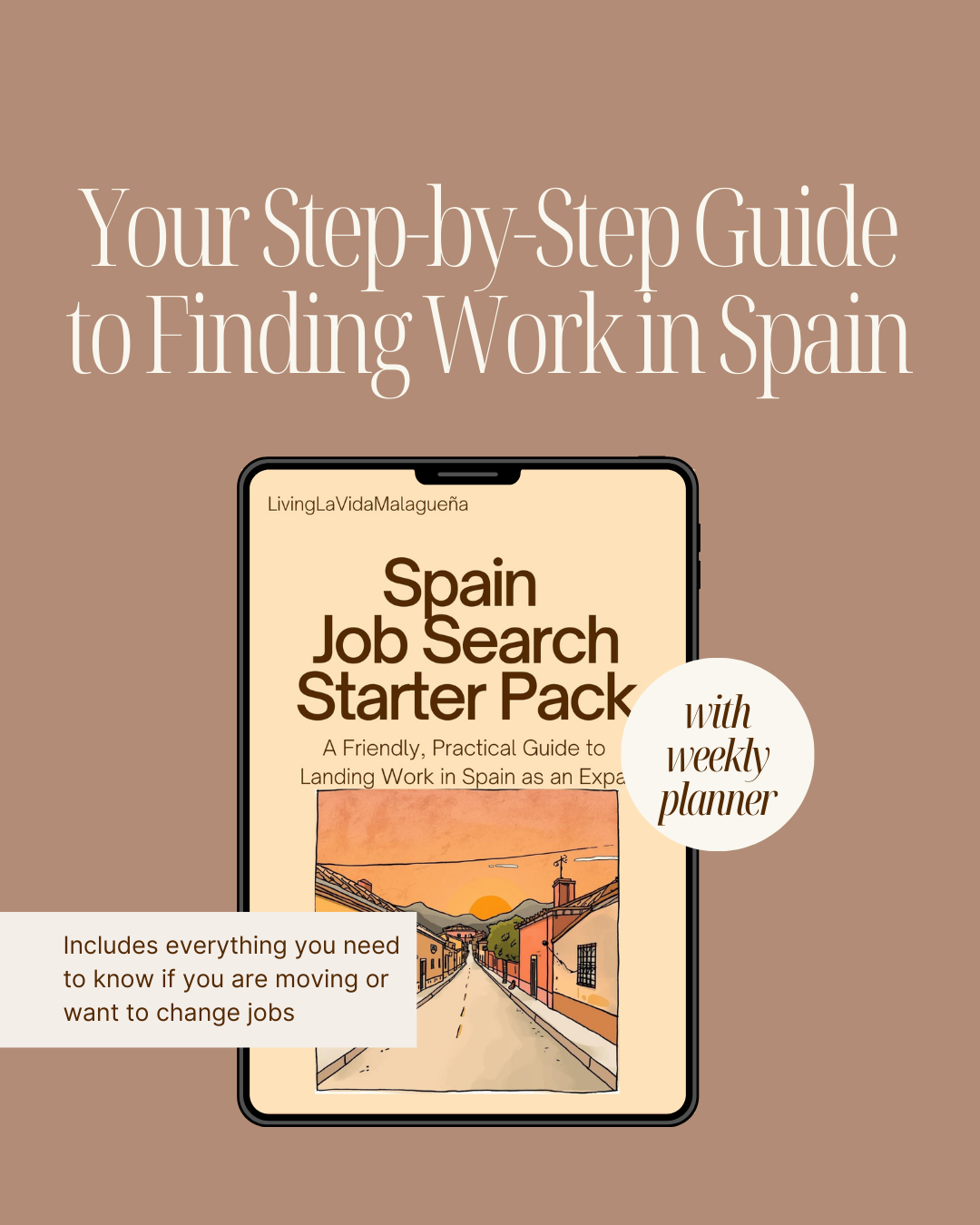
If you’re still in the early stages of your move or planning how to support yourself in Spain, the Spain Job Search Starter Pack is a useful starting point — especially if you want to explore income options before committing fully to running a business.
And if you’re navigating paperwork alongside this process, the NIE + Padrón Toolkit simplifies some of the most important administrative steps you’ll need early on.
Because in Spain, clarity is what makes everything else easier.
Frequently Asked Questions about Staring a Business in Spain
-
Yes, foreigners can start a business in Spain. However, you must have the correct visa or residency status that allows you to work or operate a business legally.
-
Autónomo refers to being self-employed in Spain. It is the most common way for freelancers and small business owners to operate and involves registering with tax authorities and paying monthly social security contributions.
-
Costs vary depending on the structure. Autónomo setup is relatively low-cost, but monthly social security contributions and taxes apply. Setting up a company (SL) involves higher initial and ongoing costs.
-
Yes, non-EU citizens need a visa that allows business activity, such as the self-employed visa or another compatible residency permit.
-
Spain offers a strong quality of life, growing digital economy, and international communities. However, administrative processes and taxes should be carefully considered.
-
Yes, many expats run online businesses from Spain, especially under the autónomo system or through digital nomad visa structures, depending on their setup.
Final Thoughts: It’s Possible — Just Not Instant
Starting a business in Spain is absolutely possible.
Many people do it successfully.
But the version you see online — the effortless, sun-soaked entrepreneurial lifestyle — is usually the result of time, adaptation, and a lot of behind-the-scenes work.
If you approach it with realistic expectations, a solid understanding of the system, and a willingness to learn as you go, it can become one of the most rewarding parts of your move.
Not just financially.
But in how you build your life here.




























Your clear, practical guide to registering yourself in Spain
Navigating Spanish bureaucracy can feel overwhelming — especially when everything is in Spanish, appointments are hard to book, and advice online is often contradictory.
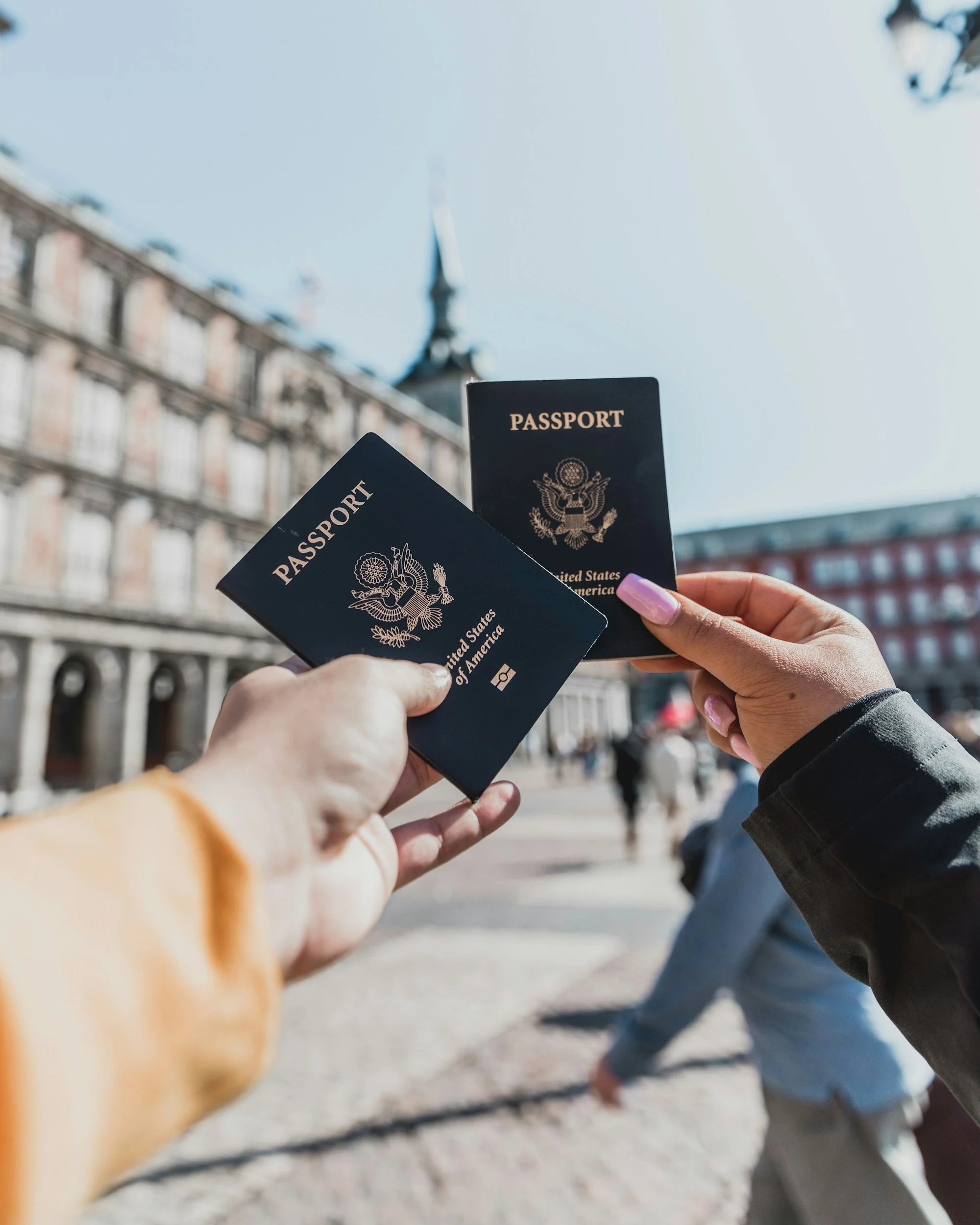
The NIE + Padrón Step-by-Step Toolkit was created to simplify the process and give you clarity from the very beginning.
This digital guide walks you through exactly how to obtain your NIE and register on the Padrón in Spain, explained in plain English and based on real-life experience — not confusing legal jargon.
Whether you’re moving to Spain, settling in Málaga, or planning a long-term stay, this toolkit helps you feel prepared, confident, and in control.
What You’ll Learn Inside
What the NIE and Padrón actually are (and why you need them)
Which one to do first — and when the order can change
How to book appointments successfully, even in busy cities
Exactly which documents to bring (and which ones people often forget)
How to fill out Spanish forms without confusion
What to expect on appointment day
The most common mistakes that cause delays or rejections — and how to avoid them
Everything is explained step by step, in a calm and beginner-friendly way.
Why This Guide Is Different
Most information online is scattered, outdated, or overly complicated.
This toolkit brings everything together in one clear, practical resource — so you don’t feel lost or second-guess yourself.
Think of it as having a knowledgeable friend walking you through Spanish paperwork, step by step.
Ready to Feel Confident About Spanish Paperwork?
Stop guessing and start preparing.
👉 Download the NIE + Padrón Step-by-Step Toolkit today and take your first confident step into life in Spain.