Doctors in Spain: How the Healthcare System Really Works
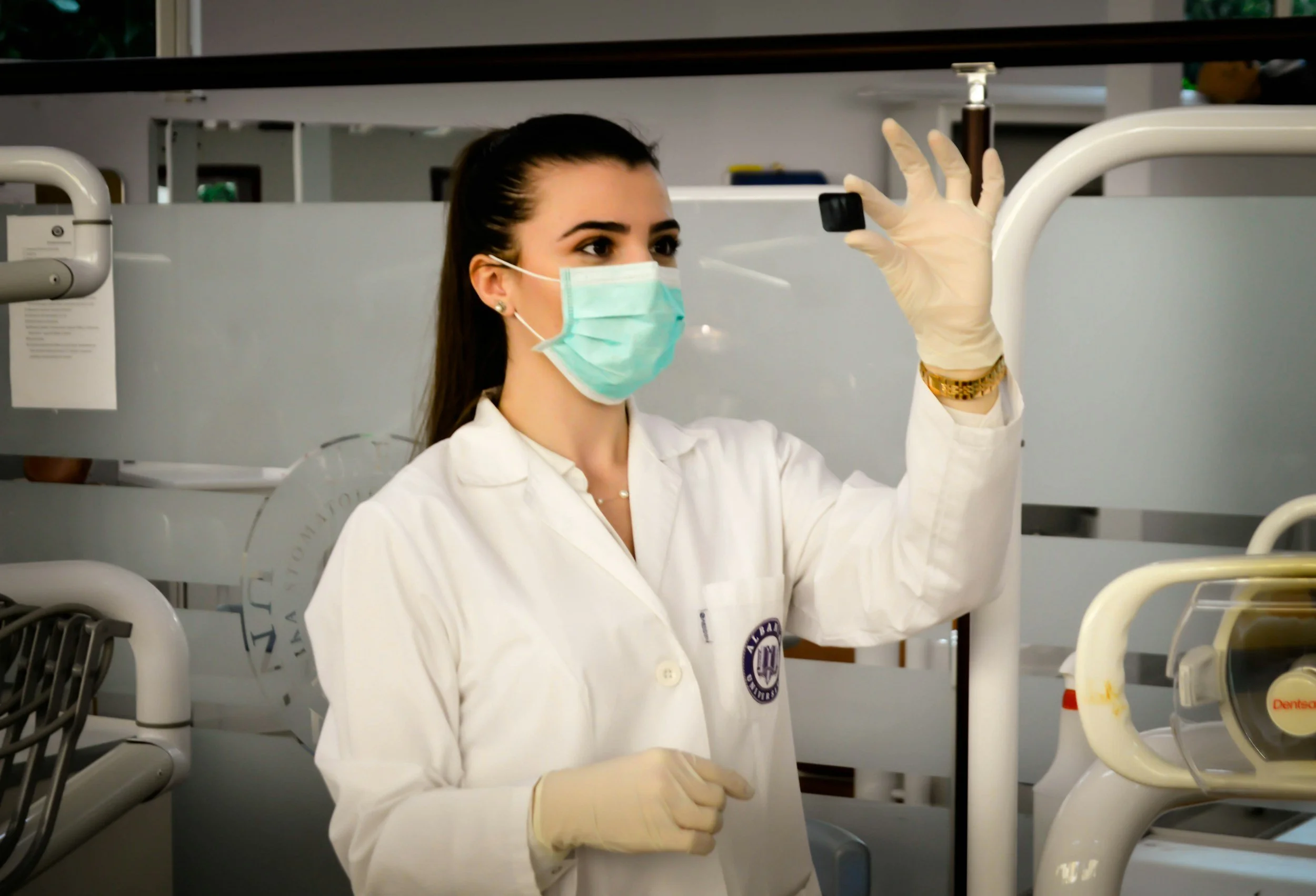
Spain operates with a dual healthcare system: public (Seguridad Social) and private. Both are widely used, and many residents — including Spaniards — move between the two depending on urgency, availability, and complexity of care.
Public healthcare is funded through social security contributions. If you are employed in Spain, self-employed (autónomo), or registered as a dependent of someone who is, you’ll typically be entitled to public healthcare. Once registered, you are assigned a local health center (centro de salud) and a general practitioner (médico de cabecera). This doctor becomes your primary point of contact for nearly everything.
Private healthcare, on the other hand, operates through insurance or out-of-pocket payments. Many expats rely on private insurance initially, especially those on visas that require it, such as the non-lucrative visa or digital nomad visa — something explained in more depth in Hidden Costs of Moving to Spain, where healthcare premiums are often underestimated.
What surprises many newcomers is that “private” does not mean better doctors — it usually means faster access, shorter waiting times, and more flexibility with specialists.
Your First Doctor Appointment in Spain: What It Actually Feels Like
The first time I booked a doctor’s appointment in Spain, I expected something similar to what I knew back home: a receptionist, a waiting room, maybe some paperwork, and a relatively long consultation.
Instead, I was called in exactly on time, had a concise but thorough conversation with the doctor, and was out within ten minutes — prescription already sent digitally to my health card.
This is very typical in Spain.
Doctor consultations tend to be efficient, focused, and medically driven. There is less small talk, fewer exploratory questions, and a strong reliance on standardized protocols. That doesn’t mean doctors are cold — but they expect you to be clear, specific, and direct about your symptoms.
If you arrive saying “I just don’t feel right,” you may struggle to get traction. If you arrive saying “I’ve had persistent pain on my right side for two weeks, worsening at night,” you’ll get results faster.
How Referrals Work (And Why You Can’t Skip Steps in Public Healthcare)
One of the biggest shocks for expats is that in the public system, you cannot simply book a specialist appointment yourself. Everything goes through your assigned GP.
If your doctor believes you need a specialist — a dermatologist, gynecologist, cardiologist, or neurologist — they will issue a referral. Only then can you access specialist care through the public system.
This process can take weeks or months, depending on urgency and region. In Andalucía, for example, non-urgent specialist appointments may take several months, while urgent referrals move quickly.
This is where many expats combine systems: they use public healthcare for routine care and emergencies, and private doctors for specialists when time matters.
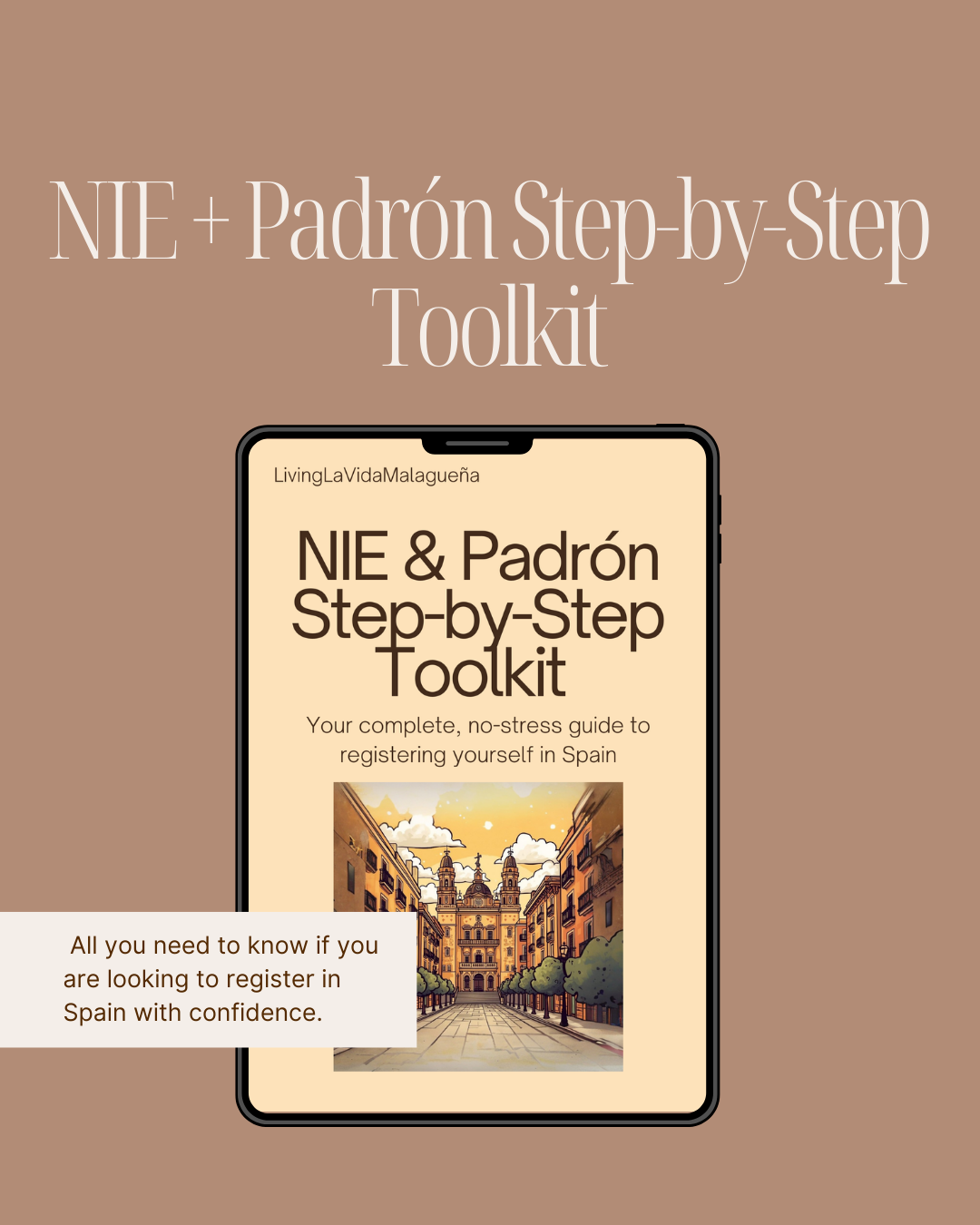
If you’re still early in your move, make sure you’ve completed your empadronamiento and NIE registration, both of which are prerequisites for public healthcare access — explained in detail in NIE Explained and Padrón Explained. For a complete overview and step-by-step guide, I’d recommend you check out the NIE + Padrón Step-by-Step Toolkit.
Inside Spanish Hospitals: What to Expect as a Foreigner
Spanish hospitals are modern, well-equipped, and highly professional — but they function differently than many foreigners expect.
Emergency departments (urgencias) operate on a triage system. You are not seen in order of arrival, but in order of medical urgency. This means someone arriving after you may be treated first, while you wait longer — even hours — if your condition is not considered critical.
Once admitted, care is thorough, but communication may feel minimal. Doctors often move quickly, speak directly, and assume familiarity with medical terms. In public hospitals especially, English may be limited outside major cities or tourist hubs.
This is where preparation matters. Bring:
Your health card or insurance details
A list of medications you take
Any previous diagnoses or medical history
A Spanish-speaking friend if language is a barrier
Despite this, outcomes are generally excellent. Many expats report that once admitted, care quality surpasses what they experienced elsewhere.
Prescriptions, Pharmacies, and Medication Access
Spain has an extremely pharmacy-friendly system. Prescriptions from public doctors are electronic and linked to your health card. You simply walk into a pharmacy, present your card, and receive your medication — often at a subsidized cost.
Pharmacists in Spain are highly trained and often act as a first line of medical advice for minor issues. It’s common to walk into a pharmacy, explain symptoms, and receive over-the-counter treatment without seeing a doctor.
This accessibility is something many expats grow to appreciate deeply over time.
Cultural Differences That Affect Medical Care
Healthcare in Spain reflects broader cultural values: efficiency, practicality, and trust in institutions.
Doctors expect compliance. If they prescribe rest, they mean rest. If they recommend waiting, they genuinely believe waiting is safe. Defensive medicine — ordering tests “just in case” — is far less common than in some countries.
This can feel unsettling at first, but over time many expats come to trust the system, especially once they understand how it operates. If you’re interested in cultural differences, you will also want to read Culture Shocks in Spain.
Private Insurance: When It Makes Sense (And When It Doesn’t)
Private insurance is not a replacement for public healthcare — it’s a complement.
It’s particularly useful for:
Faster specialist access
English-speaking doctors
Routine tests without referrals
Visa compliance
However, serious emergencies almost always route through public hospitals, regardless of insurance status.
If you’re budgeting your move, healthcare insurance costs are covered realistically in Cost of Living in Málaga and Spain, where private premiums typically range from €50–€80 per month depending on age and coverage.
Final Thoughts: Learning the System Is Part of Living in Spain
Understanding doctors and hospitals in Spain isn’t about memorizing rules — it’s about adapting expectations. Once you stop comparing it to how things “should” work elsewhere, the system becomes easier to navigate.
Healthcare here is not perfect, but it is reliable, affordable, and deeply integrated into everyday life. With the right preparation — documents, registration, and a basic understanding of the process — it becomes one of the quieter, more reassuring parts of living in Spain.
If you’re still early in your journey, this article pairs well with Living in Málaga as an Expat and Where to Find Reliable Information in Spain, both of which expand on the practical realities of settling in long-term.
And if you ever feel overwhelmed by admin, healthcare, or bureaucracy — you’re not failing. You’re just learning how Spain works.
Frequently Asked Questions about Healthcare & Doctors in Spain
-
Yes, foreigners can access public doctors in Spain once they are legally registered in the system. If you are employed, self-employed (autónomo), or registered as a dependent, you will usually be entitled to public healthcare through Spain’s social security system. This requires having a valid NIE, being empadronado, and registering with your local health center. Until this is completed, most newcomers rely on private healthcare or insurance.
-
Private healthcare in Spain is not necessarily better in terms of medical quality, but it is often faster and more flexible. The public system offers excellent care, particularly for serious or chronic conditions, but waiting times for specialists can be long. Private healthcare is commonly used for quicker appointments, English-speaking doctors, and specialist access without referrals.
-
In the public healthcare system, you must first see your assigned general practitioner (médico de cabecera). This doctor decides whether a specialist referral is necessary. You cannot book public specialist appointments directly. In private healthcare, referrals are usually not required, and you can book specialists directly through your insurer or clinic.
-
Emergency departments in Spain operate on a triage system, meaning patients are treated based on medical urgency rather than arrival time. If your condition is not considered urgent, you may wait several hours. Emergency care is generally excellent, but communication may be limited in English outside major cities or tourist areas.
-
Prescriptions in Spain are relatively affordable, especially within the public system, where medications are subsidised. Prescriptions are electronic and linked to your health card, allowing you to collect medication directly from any pharmacy. Pharmacists are also highly trained and can advise on many minor health issues without a doctor’s visit.
-
Private health insurance is mandatory for certain visas, such as the non-lucrative visa and digital nomad visa. Even after gaining access to public healthcare, many expats keep private insurance for convenience and faster specialist care. Costs typically range from €50–€80 per month, depending on age and coverage.
-
Yes, English-speaking doctors are widely available in private clinics, especially in cities like Málaga, Madrid, and Barcelona. In the public system, English availability varies by region and facility. Many expats choose private care initially for ease of communication.



















Plan Your Move to Spain with Confidence
Moving to Spain is an exciting new chapter, but it also comes with countless tasks, deadlines, and important decisions. From researching visa options and preparing your paperwork to organising your finances, finding accommodation, and planning your arrival, it's easy to feel overwhelmed before you've even packed your suitcase.
The Moving to Spain Checklist & Relocation Planner has been created to help you stay organised throughout the entire relocation process. Instead of managing multiple lists, scattered notes, and endless browser tabs, you'll have one structured planner that guides you through every stage of your move.
Whether you're relocating in a few weeks or simply starting to plan your future in Spain, this practical digital guide provides a clear roadmap to help you stay on track and avoid missing important steps along the way.
Designed by Living La Vida Malagueña, this planner is based on real relocation experience and is intended to simplify the planning process, giving you more confidence as you prepare for your new life in Spain.
What You'll Receive
Your digital planner includes practical checklists and timelines covering every stage of your relocation, including:
Comprehensive Moving to Spain master checklist
Step-by-step relocation timeline
Visa and residency preparation checklist
Financial planning checklist
Accommodation and housing planner
Pre-departure moving checklist
Arrival and settling-in checklist
Printable PDF that can also be completed digitally
Who This Planner Is For
This planner is ideal for:
Anyone planning to move to Spain
First-time expats
Retirees relocating abroad
Digital nomads
Remote workers
Families moving to Spain
Anyone looking for a clear, organised relocation plan
Whether you're moving independently or with your family, this planner helps you approach the process with greater organisation and less stress.
Why You'll Love It
Relocating abroad involves dozens of moving parts, and it's surprisingly easy to overlook important tasks.
This planner has been designed to keep everything together in one place, helping you:
Stay organised throughout your move
Reduce last-minute stress
Keep track of important deadlines
Plan your relocation step by step
Feel more confident during every stage of the process
Simple, practical, and easy to use, you can either print the planner or complete it digitally—whatever works best for your planning style.
Instant Digital Download
This is a digital product.
No physical item will be shipped.
Once your purchase is complete, you'll receive immediate access to download your planner so you can start organising your move straight away.
Please Note
This planner has been created for educational and organisational purposes only.
It does not constitute legal, immigration, tax, or financial advice. Visa regulations and residency requirements can change, so you should always confirm the latest information with the relevant Spanish authorities before making important decisions.
Looking for Personalised Help?
If you'd like tailored advice based on your own relocation plans, you can also book a 45-minute private consultationthrough Living La Vida Malagueña.
Together we'll discuss your situation, answer your questions, and create a personalised action plan to help make your move to Spain smoother and more straightforward.