Where to Find Reliable Information When Moving to Spain — and Why It Changes Everything
LOCAL INFORMATION SOURCES IN SPAIN FOR MIGRATION & INTEGRATION
Moving to Spain is often imagined as sunshine, slow lunches, and a better quality of life — and while all of that can be true, there’s a quieter, less Instagram-worthy side to the experience that every newcomer eventually meets: figuring out how things actually work.
Paperwork. Appointments. Offices. Acronyms you’ve never heard of. Rules that seem unclear or change depending on who you ask.
The truth is, Spain does offer a lot of support for migrants and newcomers — but the information is spread across different local institutions, and no one hands you a single map explaining where to go, what to fix, or in which order to do things. That’s where most frustration comes from. Not because the system is impossible, but because it’s fragmented.
Once you understand who does what, integration becomes far less stressful — and a lot more empowering.
Why Local Information Matters More Than Google
One of the biggest mistakes people make when moving to Spain is relying only on forums, social media groups, or general online advice. While those spaces can be helpful, they often mix outdated information, personal opinions, and rules that vary by region.
In Spain, local matters. The office in Málaga may interpret a process slightly differently than the one in Madrid. A rule that applied last year may have been updated. That’s why knowing where to find official, local information is essential.
Most of the answers you need already exist — you just need to know where to look.
The Town Hall: Your First Anchor in Spain
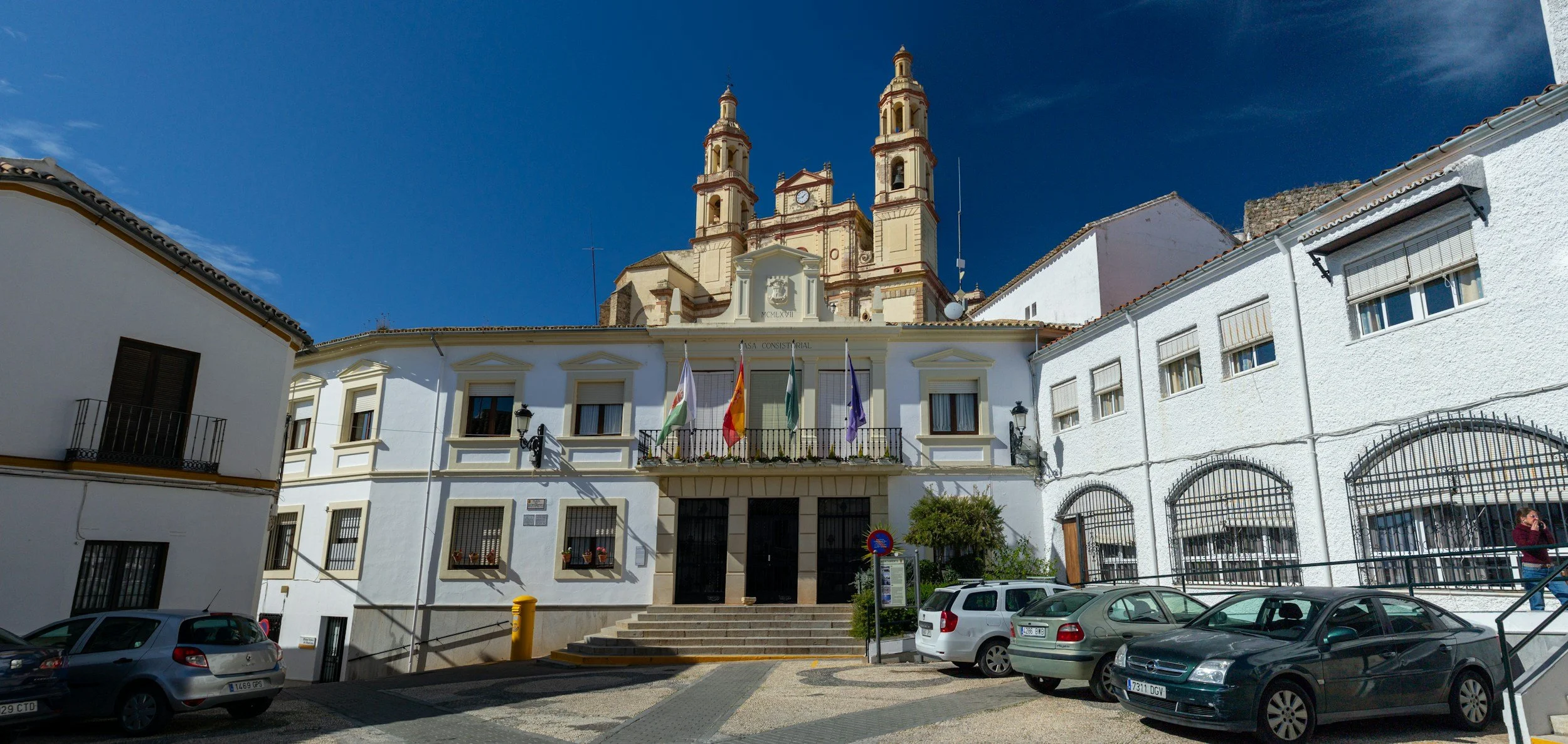
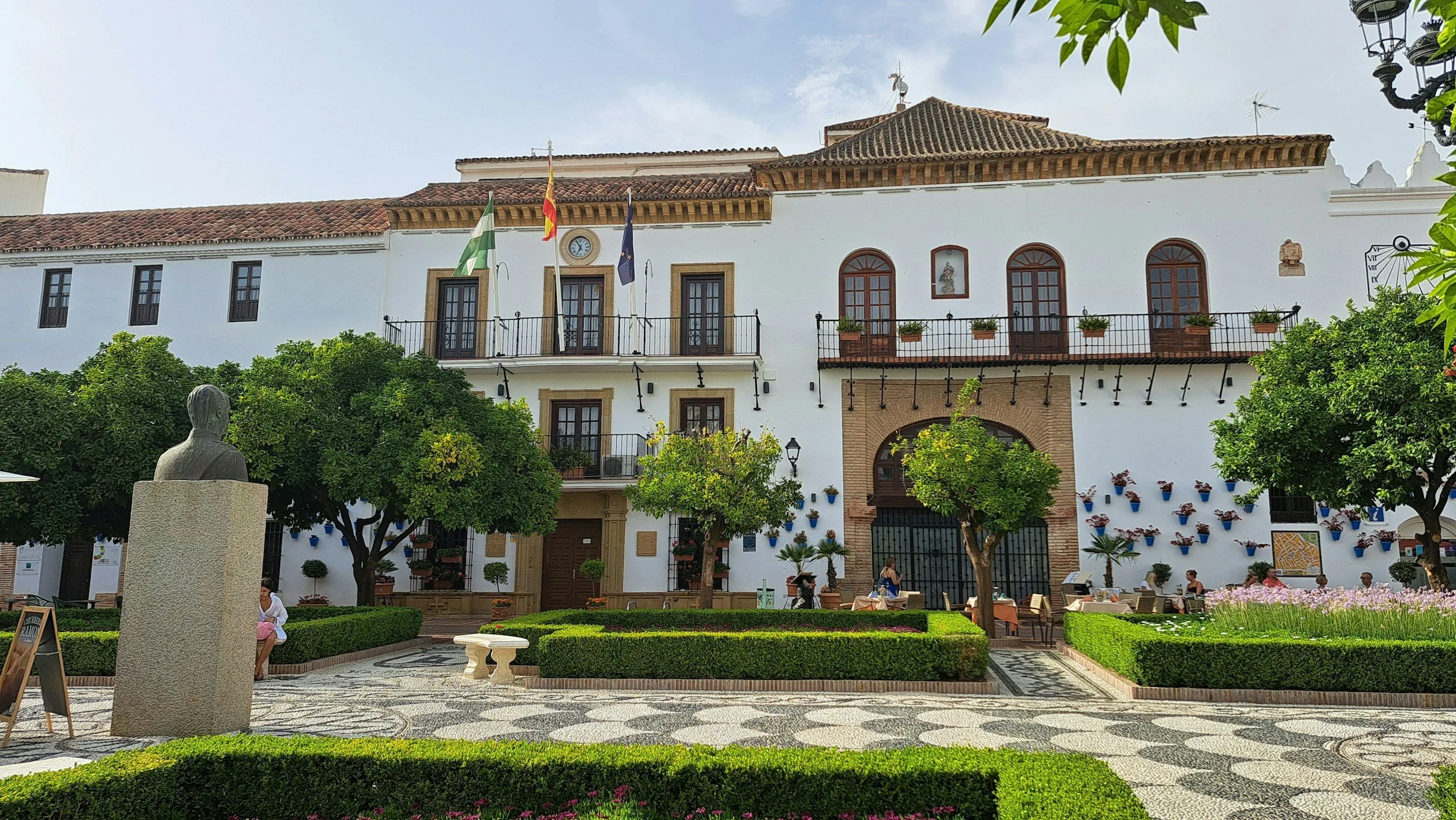
Your local ayuntamiento (town hall or city council) is one of the most important places for newcomers, even though many people overlook it.
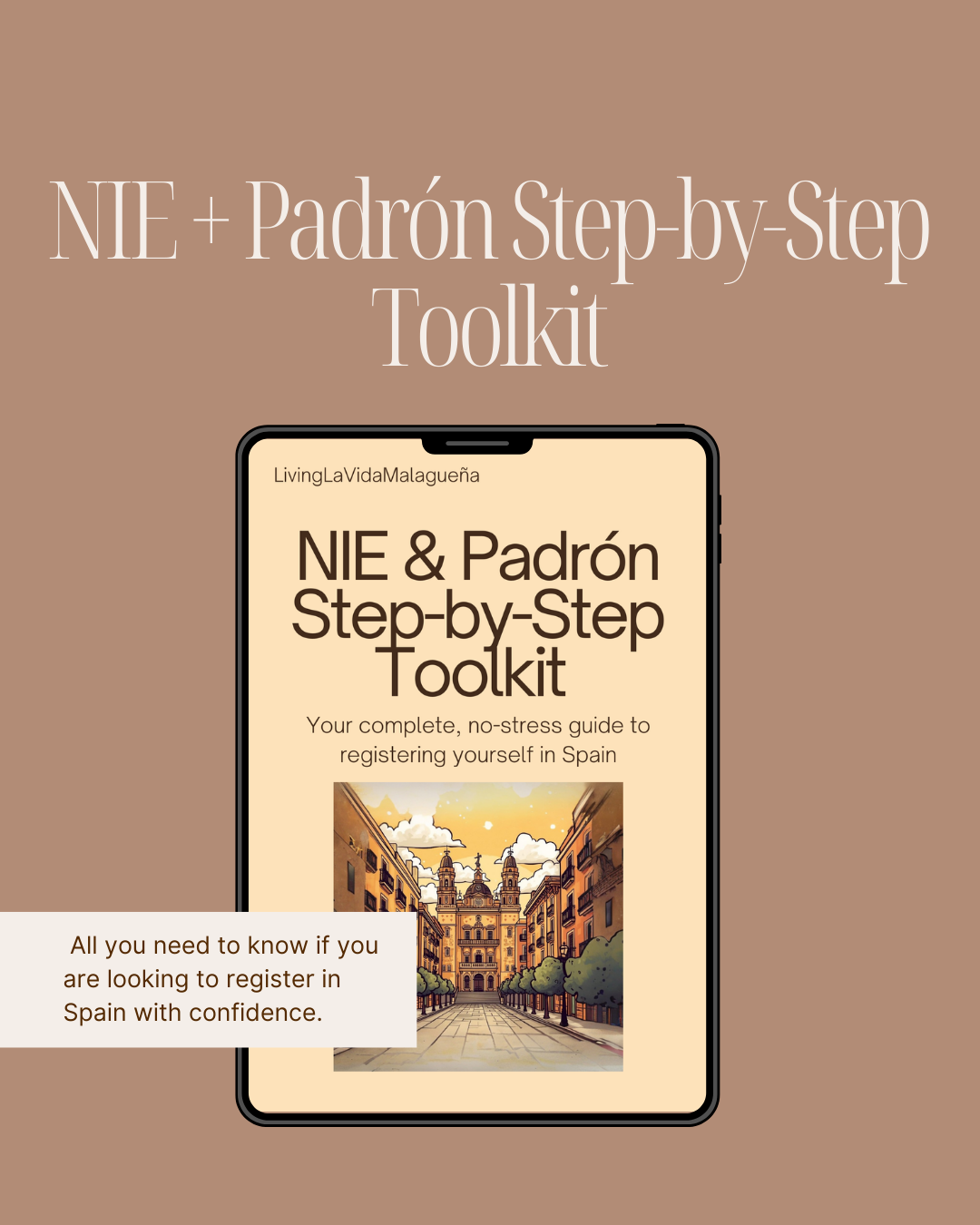
This is where you register on the padrón, the official municipal register that confirms where you live. Being empadronado isn’t just a formality — it’s often required for healthcare access, school enrollment, social services, and many other administrative processes. If you want more guidance and learn about the process you will go through, also check out our NIE + Padrón Step-by-Step Toolkit.
Beyond registration, town halls often provide:
Integration programs
Information on local services
Free or subsidized Spanish courses
Community activities and workshops
If you ever feel unsure about where to start, the town hall is a solid first step. Even if they can’t solve everything, they can usually point you in the right direction.
The Immigration Office: Legal Status and Residency
The Oficina de Extranjería is where everything related to your legal stay in Spain is handled — NIE numbers, residency permits, renewals, and documentation.
This office is often associated with stress, long waits, and confusing instructions, but much of that frustration comes from missing information or incorrect sequencing. Spain’s immigration system is very procedural: the order in which you do things matters.
Understanding what documents you need, when to book appointments (cita previa), and which office handles your specific situation can save months of delays. This is one area where accurate, up-to-date knowledge makes a huge difference.
Employment Offices and Integration into the Workforce
Spain’s public employment services — such as SEPE or regional employment offices — are another underused resource for migrants.
These offices don’t just deal with unemployment benefits. They also offer:
Job seeker registration
CV and job search workshops
Free training courses
Career guidance
Access to local job listings
Registering shows that you’re actively integrating into the labor market, and it can open doors to opportunities you won’t find online. Even if you already have work or are self-employed, understanding how the system works helps you navigate Spain more confidently.
Healthcare Centres: More Than Just Medical Care
Your local centro de salud isn’t only about seeing a doctor. Health centers can also connect you with social workers, explain your healthcare rights, and guide you through accessing public health services.
Healthcare access in Spain is often linked to residency and registration, which is why knowing the correct steps — and bringing the right documents — is so important. Once set up properly, Spain’s healthcare system can be one of the most reassuring parts of life here. Be sure to keep an eye out, for the upcoming article specifically about Public vs Private Healthcare in Spain.
NGOs and Community Organizations: Quiet but Powerful Support
Across Spain, there are countless NGOs and local associations dedicated to helping migrants integrate. These organizations often provide:
Free legal guidance
Language support
Cultural orientation
Employment advice
Emotional and community support
They are especially valuable if you feel stuck, overwhelmed, or unsure where to turn next. Many newcomers don’t realize these services exist — but they can be a lifeline during difficult moments.
Language, Community, and Everyday Integration
Integration isn’t only administrative. Learning Spanish, understanding local customs, and building community connections are just as important. Something that we explore more in-depth in the article Settling into Life in Spain: Finding Home way from Home.
Municipal language courses, civic centers, libraries, and local events are all spaces where integration happens naturally. These places often host workshops, language exchanges, and social activities that help you feel part of your new environment rather than just a visitor in it.
Why Knowledge Changes Everything
Most challenges people face when moving to Spain don’t come from bad luck — they come from missing information or doing things in the wrong order. Spain is a country of systems, and once you understand those systems, daily life becomes easier, calmer, and far less intimidating.
Knowing:
Which office handles what
What needs to be fixed
How to approach each step
gives you control over your experience.
That’s why gathering reliable, local knowledge isn’t just helpful — it’s essential. It turns confusion into clarity and transforms the move from something overwhelming into something genuinely empowering.
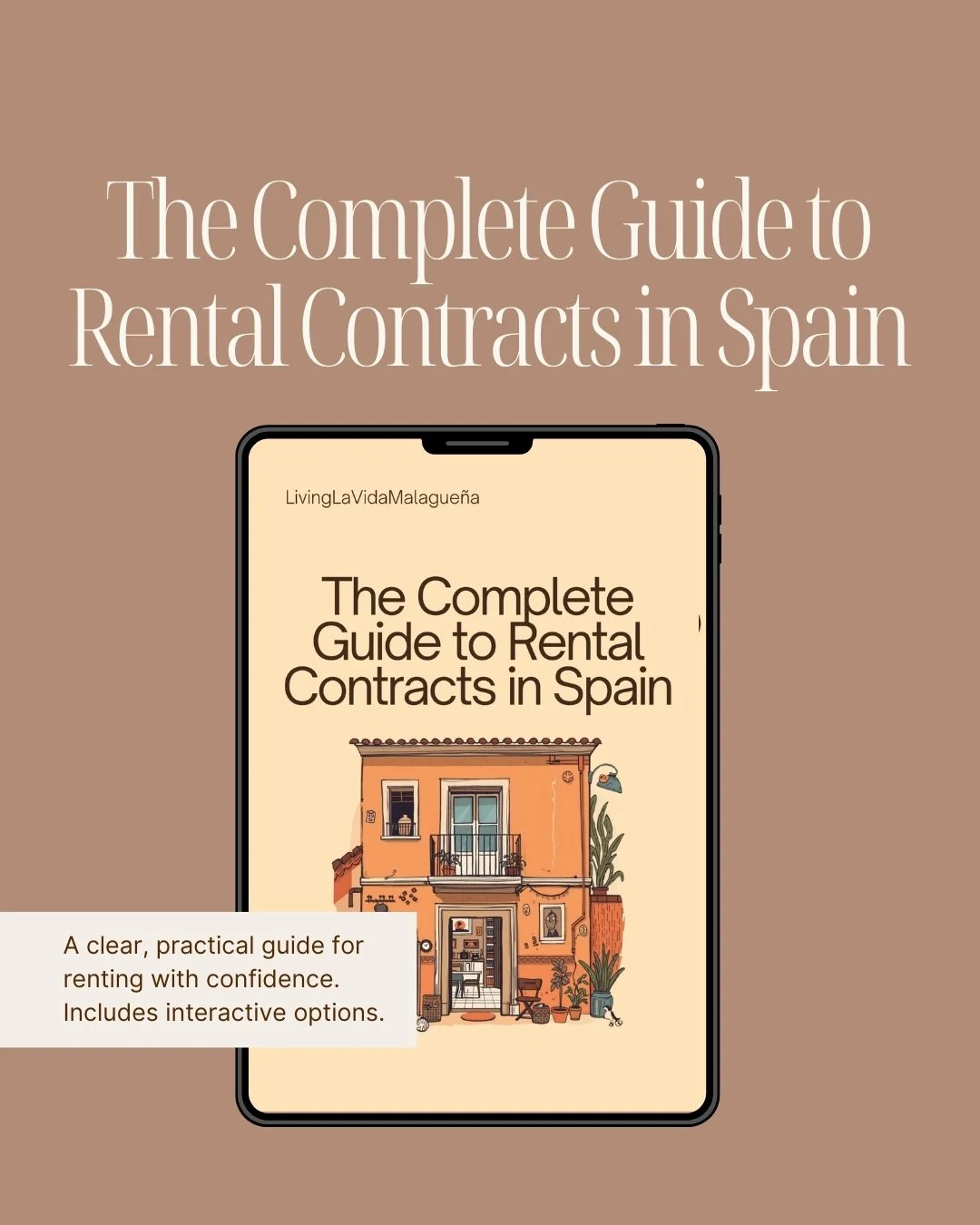
If you want a clear and useful overview of Spanish paperwork, and much more, I’ve created practical guides that explain the moving to Spain process step by step.
Frequently Asked Questions: Finding Reliable Information in Spain
-
The most reliable source of official information is always Spanish government websites. This includes national sites, regional government portals (such as Junta de Andalucía), and local town hall (ayuntamiento) websites. These sources provide the most accurate and up-to-date information on legal requirements, residency, taxes, healthcare, and registration processes. The challenge is that information is often only available in Spanish and can be difficult to navigate.
-
Expat groups and forums can be helpful for real-life experiences and practical tips, but they should never be your only source of truth. Information shared in these spaces is often based on personal experience, which may be outdated, location-specific, or simply incorrect. A good rule is to use forums to understand what is possible, but always verify important details with official sources or professionals.
-
Yes, but with nuance. Government offices are official sources, but information can sometimes vary depending on the office, the staff member, or even the day. It is common to receive different answers from different officials. When something is important, it is wise to ask more than once, request written confirmation if possible, and cross-check with official documentation or published guidelines.
-
In many cases, yes. Gestores, lawyers, and immigration professionals work with Spanish systems daily and often know practical details that are not clearly explained online. While not all professionals are equal, a reputable gestor can save you significant time, stress, and costly mistakes, especially when dealing with bureaucracy, taxes, or residency paperwork.
-
Contradictory information is common in Spain because rules are often interpreted at a regional or local level, and processes can vary by province or town hall. Additionally, procedures may change over time without older information being removed from the internet. This is why it is important to combine official sources, recent experiences, and local context when making decisions.
-
The safest approach is to cross-check everything. Start with official sources, use trusted guides to understand the process, and then supplement with real-life experiences from people living in Spain. Avoid relying on a single source, especially for legal, financial, or residency-related decisions. When in doubt, verify locally or with a professional.



















Plan Your Move to Spain with Confidence
Moving to Spain is an exciting new chapter, but it also comes with countless tasks, deadlines, and important decisions. From researching visa options and preparing your paperwork to organising your finances, finding accommodation, and planning your arrival, it's easy to feel overwhelmed before you've even packed your suitcase.
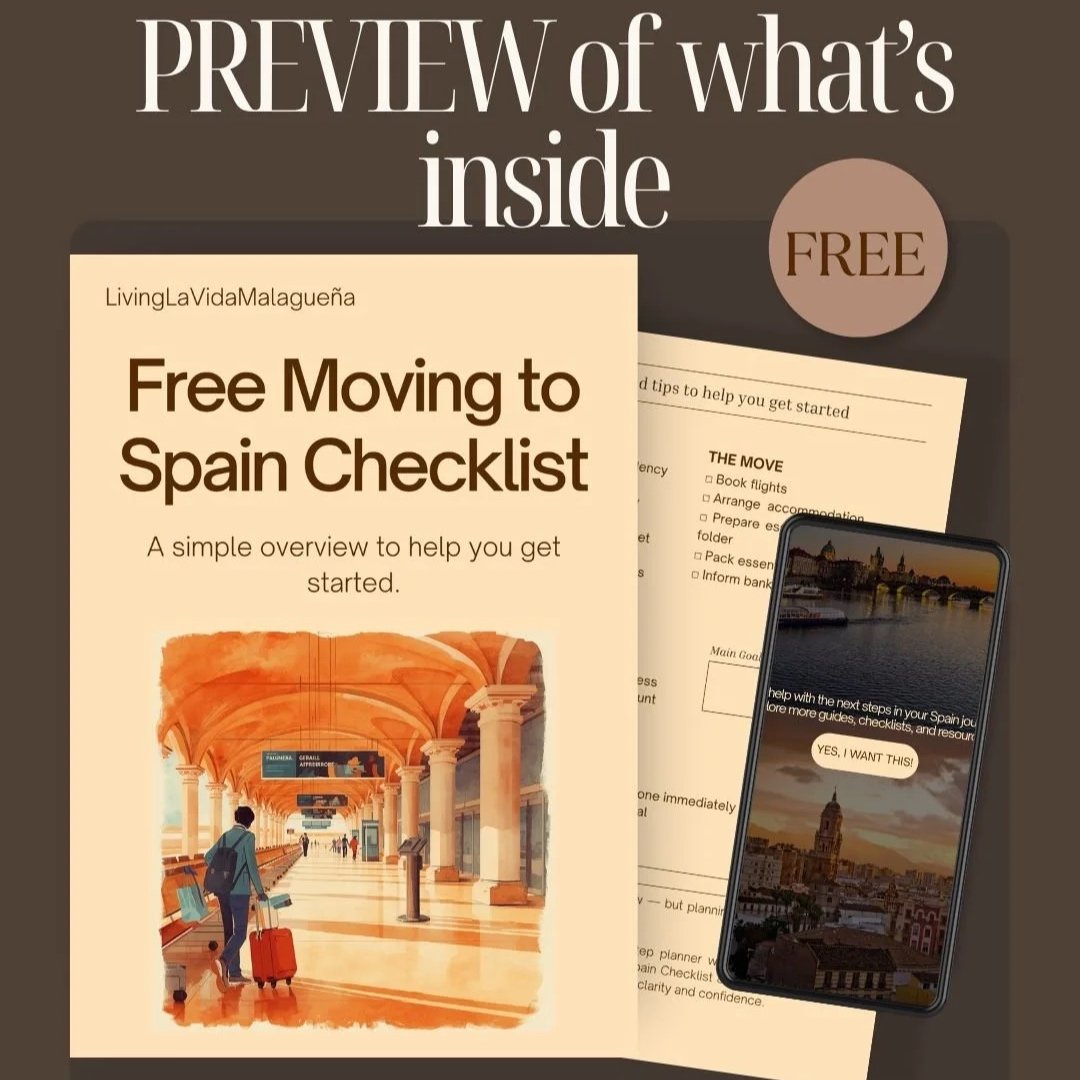
The Moving to Spain Checklist & Relocation Planner has been created to help you stay organised throughout the entire relocation process. Instead of managing multiple lists, scattered notes, and endless browser tabs, you'll have one structured planner that guides you through every stage of your move.
Whether you're relocating in a few weeks or simply starting to plan your future in Spain, this practical digital guide provides a clear roadmap to help you stay on track and avoid missing important steps along the way.
Designed by Living La Vida Malagueña, this planner is based on real relocation experience and is intended to simplify the planning process, giving you more confidence as you prepare for your new life in Spain.
What You'll Receive
Your digital planner includes practical checklists and timelines covering every stage of your relocation, including:
Comprehensive Moving to Spain master checklist
Step-by-step relocation timeline
Visa and residency preparation checklist
Financial planning checklist
Accommodation and housing planner
Pre-departure moving checklist
Arrival and settling-in checklist
Printable PDF that can also be completed digitally
Who This Planner Is For
This planner is ideal for:
Anyone planning to move to Spain
First-time expats
Retirees relocating abroad
Digital nomads
Remote workers
Families moving to Spain
Anyone looking for a clear, organised relocation plan
Whether you're moving independently or with your family, this planner helps you approach the process with greater organisation and less stress.
Why You'll Love It
Relocating abroad involves dozens of moving parts, and it's surprisingly easy to overlook important tasks.
This planner has been designed to keep everything together in one place, helping you:
Stay organised throughout your move
Reduce last-minute stress
Keep track of important deadlines
Plan your relocation step by step
Feel more confident during every stage of the process
Simple, practical, and easy to use, you can either print the planner or complete it digitally—whatever works best for your planning style.
Instant Digital Download
This is a digital product.
No physical item will be shipped.
Once your purchase is complete, you'll receive immediate access to download your planner so you can start organising your move straight away.
Please Note
This planner has been created for educational and organisational purposes only.
It does not constitute legal, immigration, tax, or financial advice. Visa regulations and residency requirements can change, so you should always confirm the latest information with the relevant Spanish authorities before making important decisions.
Looking for Personalised Help?
If you'd like tailored advice based on your own relocation plans, you can also book a 45-minute private consultationthrough Living La Vida Malagueña.
Together we'll discuss your situation, answer your questions, and create a personalised action plan to help make your move to Spain smoother and more straightforward.