Finding Work in Spain: The Complete, Realistic Guide for Expats and New Arrivals
For many people dreaming of a new life under the Spanish sun, the biggest question isn’t “Where should I live?”—it’s “How do I find work in Spain?”
Spain offers a high quality of life, a famously relaxed culture, and a climate that spoils you forever. But when it comes to work, things can feel complicated, slow, and totally different from what you’re used to. Between language expectations, contracts, job market quirks, and regional differences, understanding how employment works here often feels like its own job.

That’s exactly why this guide exists: to give you a clear, transparent overview of how to approach finding work in Spain.
What actually matters, what doesn’t, and what most newcomers never find out until it’s too late.
Before You Even Start: Understanding the Spanish Job Landscape
Everyone arrives in Spain with a different story.
Some people land with a remote job already secured, laptop in hand, ready to enjoy the sunshine. Others arrive with a strong urge to reinvent themselves completely. And then there’s a large group who simply want “something stable,” preferably “not too stressful” — a very Spanish wish, as it turns out.
No matter your starting point, one thing becomes clear very quickly: the Spanish job market moves at its own pace. And no amount of refreshing your inbox will make it move faster.
I learned this early on. I once applied for a role, had what felt like a solid interview, and then heard absolutely nothing. Weeks passed. I assumed it was a no, processed the disappointment, and moved on. Then, on a random Tuesday almost a month later, an email appeared:
“Hola! We’d love to invite you to a second interview.”
By then, I had emotionally buried that job and started a new chapter in my head. But in Spain, this is normal. Silence does not mean rejection — it often just means mañana.
This slower rhythm becomes much easier to handle once you accept a few realities. Networking matters more than online applications, sometimes far more than qualifications. Hiring processes take time, and entire months — August and December especially — can feel like they barely exist. Employers value practical experience over impressive titles, and even imperfect Spanish goes a long way when paired with genuine effort.
Once you stop fighting these truths, the job search becomes less stressful and far more human.
The Jobs Most Expats Actually End Up Doing
Before moving, many of us carry a romantic idea of what working in Spain will look like. I certainly did. I imagined a creative role with sea views, a cortado always within reach, typing away in some effortlessly stylish office.
Reality tends to be less cinematic — but far more practical.
Most expats begin their working life in Spain in familiar sectors. Hospitality and tourism are common entry points, especially in coastal cities and islands. Customer service roles for international companies are widespread, as are jobs in tech, digital marketing, content creation, and social media. English teaching — whether privately or in schools — remains a reliable option, and remote work for companies outside Spain has become increasingly popular.
Real estate, seasonal work, and event-based roles also feature heavily in expat-heavy areas.
These are not “temporary” or “lesser” jobs. For many people, they become stable, flexible careers that support a comfortable life in Spain. They’re often the quickest way to start earning, integrating, and building local experience.
On the other hand, roles in healthcare, government, law, finance, or HR within Spanish companies usually require advanced Spanish and locally recognised qualifications. These paths aren’t closed — they’re simply longer-term goals. Understanding this early helps avoid frustration.
If you’re still adjusting expectations, the emotional side of this shift is explored more deeply in What I Wish I Knew Before I Moved to Spain.
Why Your CV Probably Needs a Spanish Makeover
One of the most overlooked steps in finding work in Spain is adapting your CV. What works elsewhere often feels strange — or even confusing — to Spanish employers.
I once showed my CV to a Spanish friend and watched them scan it with genuine concern, as if I’d handed them something historically interesting but deeply impractical.
Spanish CVs are straightforward. Employers expect one or two pages, a clean layout, and yes — a professional photo. Languages should be clearly listed. Job titles should be literal, not creative. Achievements matter, but they don’t need dramatic framing.
Think of it like Spanish food. Simple ingredients. Clear flavours. No unnecessary decoration.
This approach reflects a wider cultural preference for clarity over self-promotion — something that shows up again and again in working life here.
Where People Actually Find Jobs in Spain
One of the biggest mistakes newcomers make is relying exclusively on job boards.
They’re useful, especially for corporate roles, hospitality, and customer service — but they’re only one piece of the puzzle.
Some of the most unexpected opportunities come through LinkedIn, particularly for tech, remote, and multilingual roles. Facebook groups, while chaotic, are often where tutoring jobs, short-term contracts, and event work quietly appear.
And then there’s the very Spanish approach: simply being present.
A friend of mine found her first job because she struck up a conversation with someone at a café. They bonded over terrible handwriting. That person happened to manage a hotel. Two weeks later, she was working there.
Walking into places with a CV still works in many cities, especially in spring and early summer. Language exchanges and meetups regularly turn into “my friend’s company is looking for someone” moments.
Spain rewards people who show up.
What Spanish Job Interviews Are Really Like
Spanish interviews are rarely intimidating. In fact, they often feel surprisingly informal — more like a conversation than an interrogation.
Employers are curious. They want to know why you chose Spain, how long you plan to stay, and whether you’re genuinely building a life here or just passing through. Questions about your Spanish are common, but they’re usually asked with encouragement, not judgement.
Cultural fit matters. Can they imagine working with you? Sharing a long lunch? Navigating a stressful day together?
If they offer you water or coffee, say yes. It’s a small thing, but it signals openness and ease — both highly valued here.
The Truth About Salaries (And Why People Stay Anyway)
Spain is not known for high salaries, and pretending otherwise only leads to disappointment.
What Spain does offer is time. Long lunches. Real holidays. A workday that often ends when it’s supposed to. A slower, more humane pace that prioritises living over constant productivity.
You may earn less, but you gain something many people don’t realise they’re missing until they arrive: a life that feels balanced.
For those who combine local work with remote income, this balance becomes even more powerful — a topic that comes up often in Finding Work in Spain and your visa-related guides.
Freelancing and Remote Work: The Quiet Escape Route
Over time, many expats shift toward freelancing or remote work. It offers flexibility, better income potential, and greater control over your schedule.
People work with clients abroad, offer digital services, teach languages online, or build small businesses around their skills. Spain’s autónomo system can feel intimidating at first, but once understood, it becomes one of the most liberating ways to work here.
This path isn’t for everyone, but for many, it’s what allows them to stay long-term and truly settle.
Networking: The Part No One Emphasises Enough
The longer you live in Spain, the clearer this becomes: your best opportunities come from people.
Coworking spaces, language exchanges, volunteering, beach cleanups, becoming a regular at a café — all of these open doors in ways job boards never will.
This ties closely to what we talk about in How to Make Friends in Spain. Social life and professional life overlap here far more than people expect.
Say yes more often. Show up consistently. Let yourself be known.
Spain notices.
Finding Work in Spain Is About More Than a Job
At its core, finding work in Spain isn’t just about employment.
It’s about building a life. A slower one. A sunnier one. A more connected one.
You will find work — maybe not immediately, maybe not exactly where you imagined — but often in ways that lead somewhere better than your original plan.
And one day, after your first paycheck, celebrating with tapas or a quiet walk by the sea, you’ll think:
Okay. This is the life I came here for.
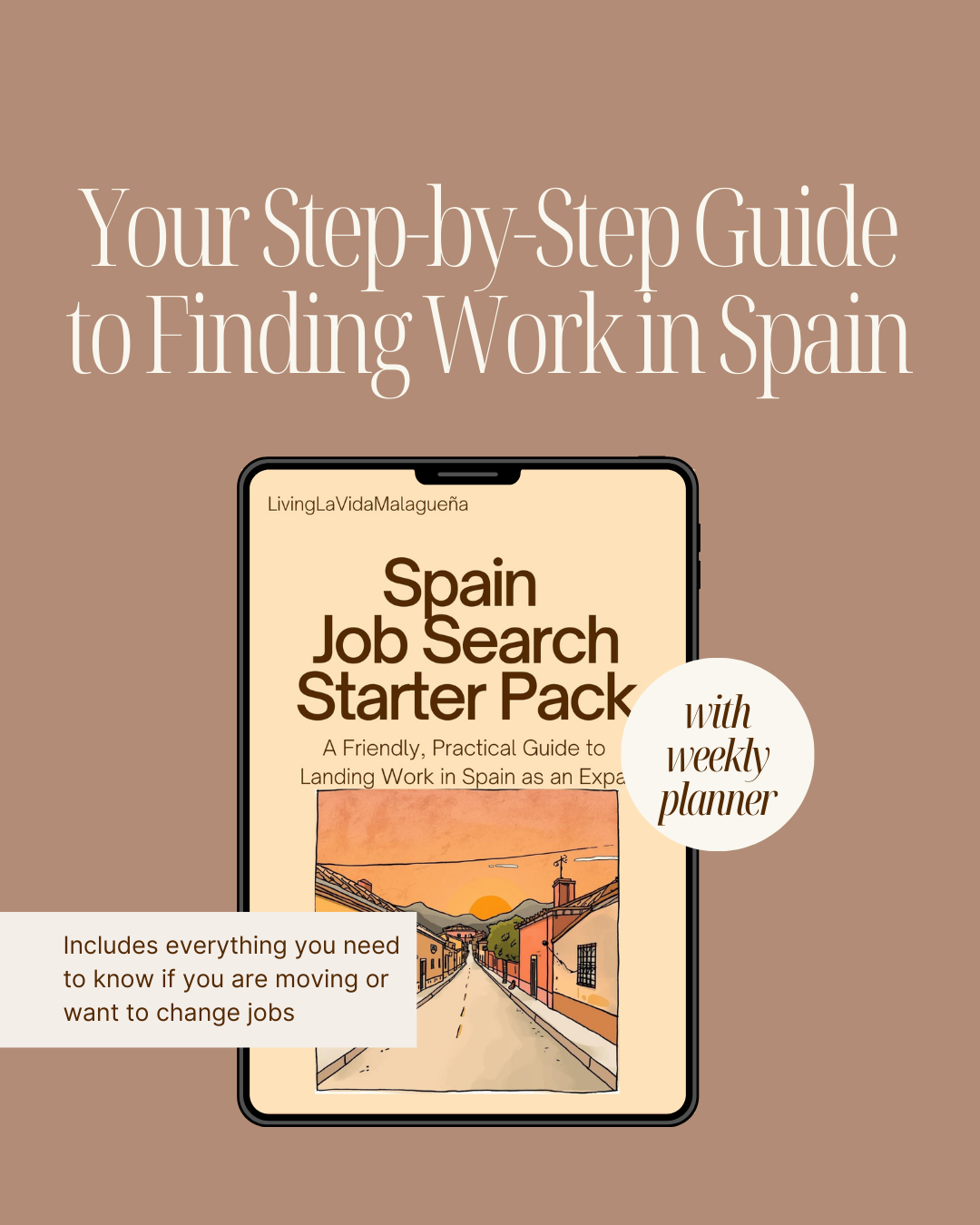
Why it works
Because it’s not theoretical.
It’s based on real-life patterns of what gets newcomers hired quickly; the strategies employers respond to, the mistakes to avoid, and the actions that fast-track your success.
Thousands of expats do it every single year — and so can you.
Your Spanish life is waiting for you, and you’re closer than you think.




























Frequently Asked Questions: Finding Work in Spain
-
This depends on your nationality and legal status. EU and EEA citizens have the right to work in Spain, though registration is still required. Non-EU citizens generally need a valid work visa or residence permit that allows employment. Working without the correct permission can lead to fines, legal issues, and future residency problems.
-
Common roles for foreigners include teaching languages, hospitality and tourism jobs, customer support for international companies, IT and tech roles, and remote work for companies based outside Spain. Freelancing and self-employment are also popular options, but they come with additional legal and tax responsibilities.
-
The job search process can take longer than expected. It is not uncommon for it to take several months to secure employment, particularly if you are job hunting from within Spain. Being flexible, patient, and financially prepared for a longer search period is important.
-
In most cases, yes. Spanish significantly increases your chances of finding work and integrating into the workplace. While some international companies and remote roles operate in English, many employers expect at least conversational Spanish. Even when Spanish is not required for the role itself, it is often essential for daily life, workplace communication, and dealing with administration.
-
Salaries in Spain are generally lower than in countries such as Germany, the UK, or the US. However, this is often balanced by a lower cost of living in many areas, especially outside major cities. Understanding local salary expectations and budgeting realistically is crucial before accepting a job offer.
-
Both can be useful. Spanish job portals are good for local roles and Spanish-speaking positions, while international platforms may offer remote or English-speaking opportunities. Using a combination of both, along with networking, gives you the best chance of success.
-
One of the biggest mistakes is underestimating the importance of legal requirements and language skills. Another common issue is assuming the job market works the same way as in their home country. Understanding Spanish work culture, contracts, and expectations early on can prevent disappointment later.

Renting a home in Spain can feel overwhelming, especially if you are unfamiliar with the legal system, the language, and the way rental contracts are structured. Many foreigners sign contracts they do not fully understand, rely on verbal promises that are never written down, or later discover that their contract does not offer the protection they expected.
This guide was created to give you clarity before you sign anything.
The Complete Guide to Rental Contracts in Spain is a clear, practical e-guide designed to help you understand how Spanish rental contracts work before you sign anything. It explains the different types of rental contracts used in Spain, what your rights and obligations are as a tenant, and how to recognise potential problems early.
What This Guide Helps You Do
Helps you move from uncertainty to confidence when dealing with rental contracts in Spain. It supports you in:
Understanding what you are agreeing to before signing a contract
Identifying red flags and clauses that deserve closer attention
Choosing the correct contract type for your situation
Protecting your deposit and understanding your financial responsibilities
Communicating more confidently with landlords or agencies
Navigating your tenancy with fewer surprises and misunderstandings
Ready to Rent with Confidence?
Rental contracts do not have to be confusing or intimidating. With the right information, you can approach renting in Spain feeling informed, prepared, and in control.
If you want to understand your rental contract clearly, avoid common mistakes, and rent in Spain with confidence, this guide is designed to support you every step of the way.
👉 Download the The Complete Guide to Rental Contracts in Spain and come prepared for the Spanish housing market.