Working Remotely in Spain: A Comprehensive and Practical Guide

Working remotely in Spain has evolved into a structured and increasingly regulated way of living and working. For many international professionals, freelancers, and entrepreneurs, remote work provides a viable pathway to reside in Spain without relying on the local labour market. However, this arrangement is often misunderstood. Beyond the appealing imagery of working from cafés or coastal apartments lies a complex framework of legal definitions, professional realities, sector-specific opportunities, and administrative obligations.
This guide aims to provide a clear, detailed, and realistic overview of what working remotely in Spain actually involves. Rather than focusing on lifestyle aspirations, it addresses the professional structures, sectors, employment methods, and compliance considerations that anyone planning to work remotely from Spain should understand before making the move.
Defining remote work within the Spanish framework
In Spain, remote work is not defined by flexibility or location independence, but by the relationship between the worker, their income source, and their place of residence. From an administrative perspective, the key factor is not where the employer or client is based, but where the individual is physically living and habitually working. Once you establish residence in Spain, your professional activity and income fall under Spanish regulatory and tax scrutiny.
Remote workers typically fall into one of three broad categories: employees of foreign companies working from Spain, self-employed professionals providing services to international clients, or business owners operating companies registered outside Spain while residing within it. Each category carries different obligations and limitations, and understanding which one applies to your situation is essential.
This distinction is particularly important when compared to individuals seeking employment within Spain. Those intending to access the Spanish job market, work for Spanish employers, or change careers locally will encounter different requirements, which are explored in more depth in the related post Finding Work in Spain: The Complete, Realistic Guide for Expats and New Arrivals, where the Spanish labour market, hiring practices, and realistic expectations are examined in detail. Remote work and local employment follow different legal and economic logics, and confusing the two can lead to compliance issues.
Key sectors suitable for remote work from Spain
Remote work opportunities are not evenly distributed across industries. Certain sectors have been remote-friendly for years, while others require highly specific conditions or experience levels. Understanding where realistic opportunities exist can help avoid wasted time and unrealistic expectations.
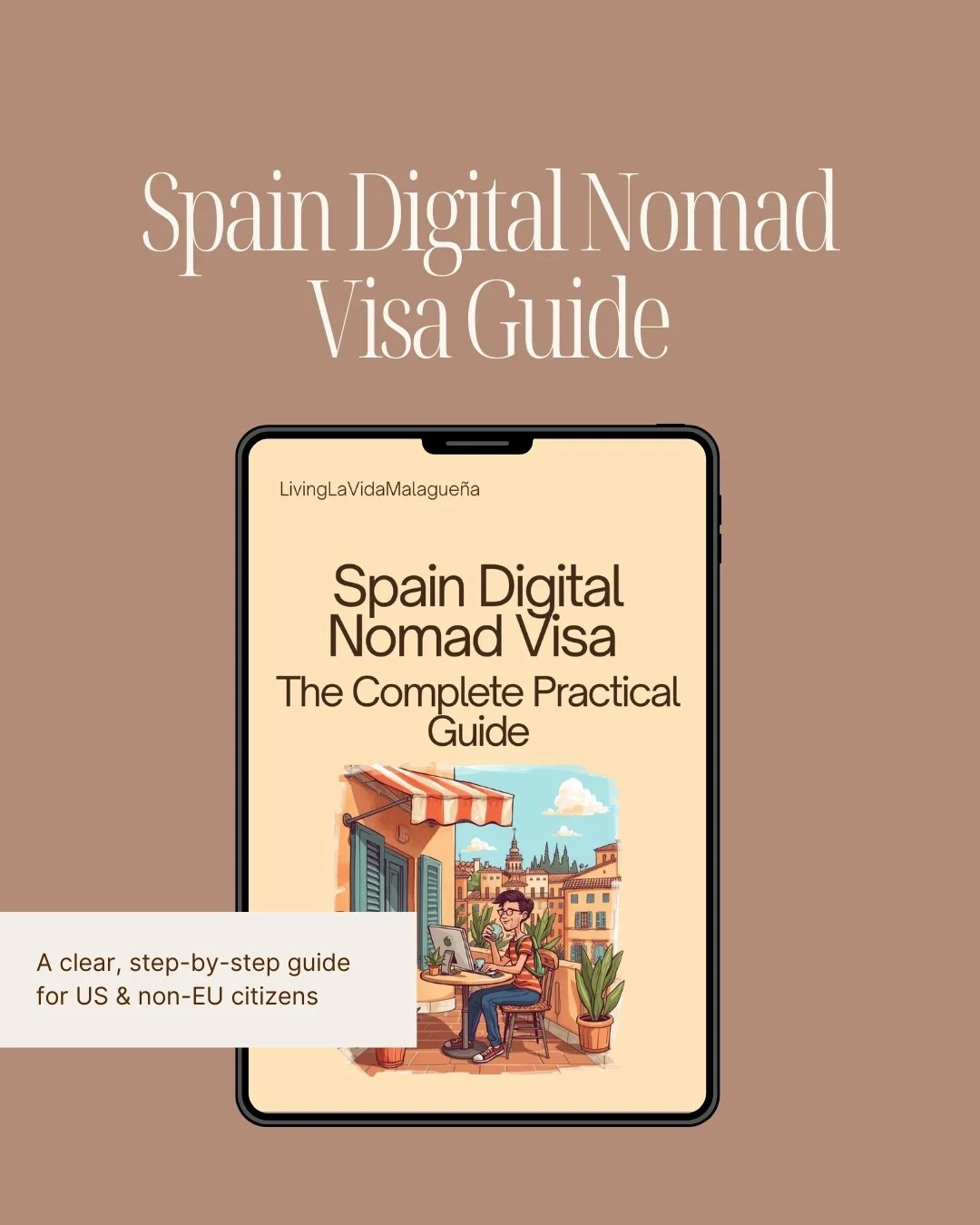
The technology sector remains the most established field for remote work. Software developers, web developers, data analysts, cybersecurity specialists, cloud engineers, and IT consultants frequently work for international companies while residing in Spain. These roles often offer structured employment contracts or long-term freelance arrangements, making them compatible with both employee and self-employed models. If you are looking to move from the USA, or are a non-EU resident, you may also find the Spain Digital Nomad Visa Guide useful in your visa exploration.
Digital marketing and online business services form another significant remote work sector. Professionals working in SEO, paid advertising, content strategy, email marketing, analytics, and conversion optimisation are commonly hired by companies across Europe, the UK, and North America. These roles are frequently project-based or retainer-based, which aligns well with freelance or contractor status.
Creative industries also offer remote opportunities, though competition is often higher. Graphic designers, UX/UI designers, video editors, copywriters, translators, and brand consultants regularly work with international clients. In these sectors, demonstrable experience, portfolios, and client references are often more important than formal qualifications.
Education and training represent a more nuanced category. Online language teachers, instructional designers, course creators, and corporate trainers can work remotely, but income stability varies widely. Regulatory issues may also arise depending on whether teaching is conducted through a platform, a foreign institution, or independently.
Professional services such as accounting, legal consulting, HR support, and business coaching can sometimes be delivered remotely, particularly when focused on international or cross-border clients. However, many regulated professions face licensing restrictions that limit the scope of services that can be legally offered from Spain.
Finally, customer support, operations, and administrative roles are increasingly offered on a remote basis by international companies. These positions are often structured as employment contracts and may require fixed schedules aligned with the employer’s time zone.
Methods of working remotely from Spain
How you work remotely is as important as what you do. Spain recognises several professional arrangements, each with distinct implications.
Employees of foreign companies may continue their existing roles while relocating to Spain, provided the arrangement is legally structured. In some cases, employers establish compliant payroll arrangements or rely on international employment services. In other cases, employees transition into contractor roles. This shift should be approached carefully, as it affects taxation, social security contributions, and employment protections.
Self-employed professionals, known in Spain as autónomos, represent a large portion of the remote workforce. This model is common among freelancers, consultants, and independent service providers. Registering as an autónomoinvolves monthly social security payments, quarterly tax filings, and ongoing administrative responsibilities. While the system can feel burdensome, it provides access to public healthcare and establishes clear legal standing.
Business owners operating foreign companies face additional complexity. Even if a company is registered abroad, Spanish authorities may assess whether the individual’s activities create a permanent establishment in Spain. This assessment depends on factors such as decision-making authority, client interaction, and operational control exercised from Spanish territory.
Companies and platforms offering remote work
Remote workers in Spain are employed by a wide range of organisations. Large multinational companies increasingly offer remote or hybrid roles, particularly in technology, finance, and professional services. These positions often come with higher compliance requirements but greater stability.
Mid-sized international companies and startups frequently rely on distributed teams and are more flexible in hiring remote professionals. These organisations often recruit through specialised remote job platforms or industry-specific networks.
Freelance marketplaces and remote job boards also play a role, particularly for project-based work. While these platforms can provide access to international clients, they often require careful income planning due to variability and fees.
For those considering a transition into remote work rather than continuing an existing role, understanding how international hiring differs from the Spanish job market is essential. This is where your guide on finding work in Spain becomes particularly relevant, as it clarifies which strategies apply locally and which are better suited to international opportunities.
Tax residency and financial obligations
Remote workers frequently underestimate the importance of tax residency. Spain considers individuals tax residents if they spend more than 183 days in the country within a calendar year or if Spain is deemed their main centre of economic interest. Once tax residency is established, worldwide income must be declared in Spain, regardless of where it is earned.
Double taxation agreements can mitigate the risk of paying tax twice, but they do not eliminate reporting obligations. Understanding how these treaties apply to your specific situation is critical and often requires professional advice.
Practical considerations for long-term remote work
Beyond compliance, long-term remote work requires operational stability. Reliable internet access, appropriate workspaces, and realistic scheduling across time zones all influence professional performance. Spain offers strong infrastructure in major cities and growing co-working ecosystems, particularly in hubs such as Málaga, Madrid, and Barcelona.
Administrative processes, however, often require patience. Appointments, registrations, and official correspondence may take longer than expected. Familiarity with foundational requirements such as the padrón and NIE remains essential, as these documents underpin many professional and personal processes.
Strategic planning and professional positioning
Working remotely in Spain is not a shortcut around employment challenges, nor is it a temporary workaround for unclear career plans. It is a professional arrangement that requires structure, clarity, and informed decision-making. Those who succeed are typically individuals who understand their sector, position themselves competitively in international markets, and proactively manage their legal and financial obligations.
If you are actively exploring employment options, career transitions, or international job strategies, be sure to check out Finding Work in Spain: The Complete, Realistic Guide for Expats and New Arrivals. As it provides important complementary insight into how the Spanish job market operates and how it differs from international and remote employment pathways. For those readers that benefit from more structured, step-by-step support in navigating international job searches and positioning themselves competitively, the Spain Job Search Starter Pack offers a practical framework designed to reduce uncertainty and save time.
Remote work in Spain can be a sustainable and legitimate professional pathway when approached with accuracy rather than assumptions. By understanding the sectors, methods, and obligations involved, individuals can make informed decisions that support both their careers and their long-term life in Spain.This guide aims to provide a clear, detailed, and realistic overview of what working remotely in Spain actually involves. Rather than focusing on lifestyle aspirations, it addresses the professional structures, sectors, employment methods, and compliance considerations that anyone planning to work remotely from Spain should understand before making the move.
Mentioned Products:
Frequently Asked Questions About Finding Remote Work in Spain
-
Yes, you can work remotely in Spain for a foreign company, but you must have the correct legal status. Depending on your situation, this may involve a digital nomad visa, registering as self-employed (autónomo), or holding residency that allows remote work. Working without proper authorisation can cause visa or tax issues later.
-
You do not always need a digital nomad visa to work remotely in Spain, but it is required if you plan to live in Spain long-term as a non-European citizen while working for a non-Spanish company. Short stays under tourist rules are limited and do not allow legal employment, even if the employer is based abroad.
-
If you live in Spain for more than 183 days per year, you are generally considered a tax resident and must declare worldwide income in Spain. This applies even if your employer is based in another country. Tax obligations vary depending on your visa and residency status.
-
Remote roles in tech, customer support, digital marketing, content creation, design, and online education are among the easiest to find while living in Spain. Many expats also work as freelancers or contractors for international clients, especially in digital or creative fields.
-
Spanish is not required for many remote jobs, especially if you work for international companies. However, basic Spanish can greatly improve daily life, networking opportunities, and long-term integration while living in Spain.
-
Yes, many remote workers in Spain register as autónomo, which allows them to legally invoice foreign clients. While the autónomo system can feel complex at first, it offers flexibility and is one of the most common ways expats work remotely while living in Spain.






























Your practical guide to finding work in Spain — without confusion, wasted applications, or unrealistic expectations
Looking for a job in Spain can feel overwhelming. Different rules, different CV styles, language barriers, and vague online advice often leave people applying blindly — and hearing nothing back.
The Spain Job Search Starter Pack is designed to give you clarity, structure, and realistic direction so you can approach the Spanish job market confidently and strategically.
This isn’t generic career advice. It’s a Spain-specific, expat-focused toolkit that walks you through how things actually work — before you start applying.
What This Guide Helps You Do
Stop wasting time on the wrong applications
Understand what’s realistically possible for you
Feel confident applying for jobs in Spain
Build a job search strategy that actually makes sense
This guide provides informational guidance only and does not replace legal or immigration advice. It is designed to help you understand the job search process and prepare effectively.
No more convincing?
If you’re serious about working in Spain and want clarity before you start applying, the Spain Job Search Starter Pack gives you the foundation you need.
👉 Download the Spain Job Search Starter Pack and start preparing your move today.