Renting an Apartment in Spain as an Expat: What You Need to Know

Dreaming of moving to Spain? Here’s your honest guide to renting an apartment as an expat, from finding listings and understanding rental terms to avoiding common pitfalls. Real advice, local tips, and a bit of sunshine from Málaga.
When I started searching for an apartment in Spain, I pictured sunlit terraces and morning cafés con leche on a balcony. What I didn’t picture was how different, and occasionally confusing, the rental process would be.
Whether you’re heading to Málaga, Madrid, or Valencia, renting in Spain comes with its own rhythm and rules. Here’s everything I wish I’d known before I started looking.
What’s All That Difference About?
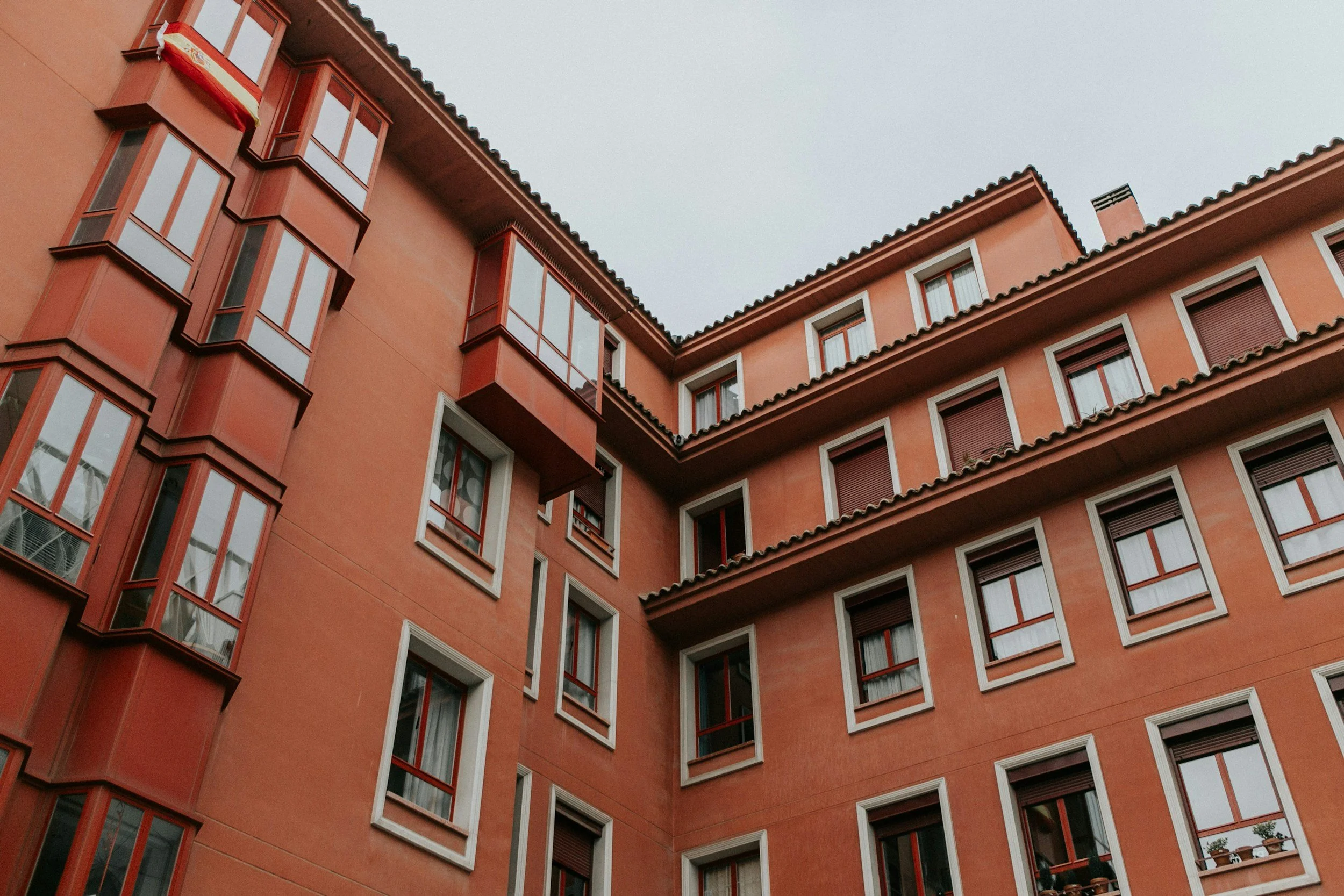
The style of houses might differ from your part of the world. Coming from the Netherlands, I was used to big windows, usually laminated floors or carpet, and a typical corridor. That’s all changed, since living here in Spain. Now I cannot imagine anything else than tiles and my usual barricaded windows that looked like I was living in a prison for the first time. Furthermore, I make it a sport how many appliances I can use before my powers goes off. It took some time getting used to, but after a while, you enter your friends’ 50 square meter apartment and you can both laugh about the Catholic painting above the guest bed. Not recommended to start laughing as you see the same painting in your in-laws’ house. That said, I had to lower my expectations of what a decent liveable space looks like. Adding the current housing prices in the Costa del Sol and larger cities throughout Spain, a single Spanish salary can only be stretched so far. You may have to give or take here and there, or have really good connections.
Where to Start Your Search
Most apartment hunting begins online. The best sites for expats are:
Idealista – the most reliable and comprehensive platform
Fotocasa – another popular choice
Spotahome – ideal for verified medium-term rentals
Facebook Groups – try searching “Apartments in Málaga” or “Expats in Spain”
💡 Pro tip: Listings in popular cities move fast — message immediately if you’re interested. Some landlords rent within days. Looking to rent in Málaga? Then this article might also be worth a read: Living in Málaga as an Expat: A Realistic and Comprehensive Guide.
What Documents You’ll Need
Landlords in Spain typically ask for:
Passport or NIE (Número de Identificación de Extranjero)
Proof of income (employment contract, payslips, or bank statements)
References or a guarantor
If you work remotely or are self-employed, offer recent bank statements or savings proof — and expect to pay 2–3 months upfront in some cases.
Pro tip: If you don’t yet have your NIE, some agents accept a passport initially, but you’ll need to provide it soon after signing.
Understanding Rental Terms
A few useful Spanish terms:
Alquiler de larga duración → Long-term rental (12+ months)
Alquiler temporal / de temporada → Shorter rental (3–11 months)
Amueblado → Furnished
Sin amueblar → Unfurnished (and often completely empty)
Always ask what’s included. “Fully equipped” sometimes just means there’s a fridge and a lightbulb!
Deposits, Fees & Contracts
You’ll usually need to pay:
One month’s deposit (fianza)
First month’s rent
Possibly an agency fee (often another month)
Before paying anything, always have a written contrato de arrendamiento. If it’s in Spanish, have someone review it with you.
Avoid sending money before viewing a property, especially through Western Union or similar services. To avoid any sketchy situations, check out Where to Find Reliable Information in Spain.
Short-Term vs. Long-Term
Booking a short-term place (1–3 months) when you first arrive can be a lifesaver.
Platforms like Spotahome or Airbnb allow you to explore neighborhoods before committing long-term. Many of the previously mentioned websites also offer short-term rentals.
That’s exactly what I did in Málaga, and it helped me find an area that truly fit my lifestyle — not just my budget. If you want to learn more about the differences to make the right decision, also check out this article about Long-Term vs. Short-Term Rentals in Spain: What Expats and New Arrivals Need to Understand.
What I Learned Along the Way
The best apartments often rent through word of mouth — network locally.
Learn a few key Spanish phrases; it makes everything smoother.
Always confirm whether utilities (gastos) are included.
Take photos of the apartment’s condition before moving in.
Signing a rental contract in Spain can feel intimidating, especially when it’s not in your first language. My Complete Guide to Rental Contracts in Spain exists so you don’t have to guess, panic-Google, or sign blindly. Instead, you will make calm, informed decisions.

Final Thoughts
Finding an apartment in Spain can be challenging at first, but it’s also one of the most rewarding steps of starting your new life here.
There’s a moment when you unlock your door for the first time, look out at your new street, and realize:
you’re not just visiting anymore — you live here.
Spain isn’t just a place to stay. It’s a way to live. ☀️

Frequently Asked Questions About Renting an Apartment in Spain
-
Common rental risks include fake listings, pressure to pay deposits before viewings, unclear contract terms, and landlords refusing to return deposits. Always view the apartment in person or via live video, and never send money without a signed contract.
-
Renting an apartment in Spain as a foreigner can be challenging, especially in major cities and coastal areas. Many landlords prefer tenants with Spanish contracts, local payslips, and a Spanish bank account. However, renting is still possible with preparation, flexibility, and alternative proof of income.
-
Most landlords in Spain ask for identification, proof of income, and a Spanish bank account. Common documents include a passport or NIE, work contract or payslips, and sometimes a padrón certificate. Requirements vary widely depending on the landlord and the city.
-
By law, long-term rentals require one month’s rent as a security deposit, which is usually held by a regional housing authority. Landlords often ask for one or two additional months as a guarantee, especially for foreigners or self-employed tenants.
-
Rental prices in Spain are sometimes negotiable, particularly outside major cities or during low-demand seasons. In high-demand areas like Madrid, Barcelona, or Málaga, prices are less flexible, and apartments often rent quickly at the listed price.
-
Many newcomers choose short-term rentals first to learn the neighbourhoods and rental market. Long-term rentals offer more stability and legal protections but often require more documentation. Starting short-term can reduce stress and costly mistakes.













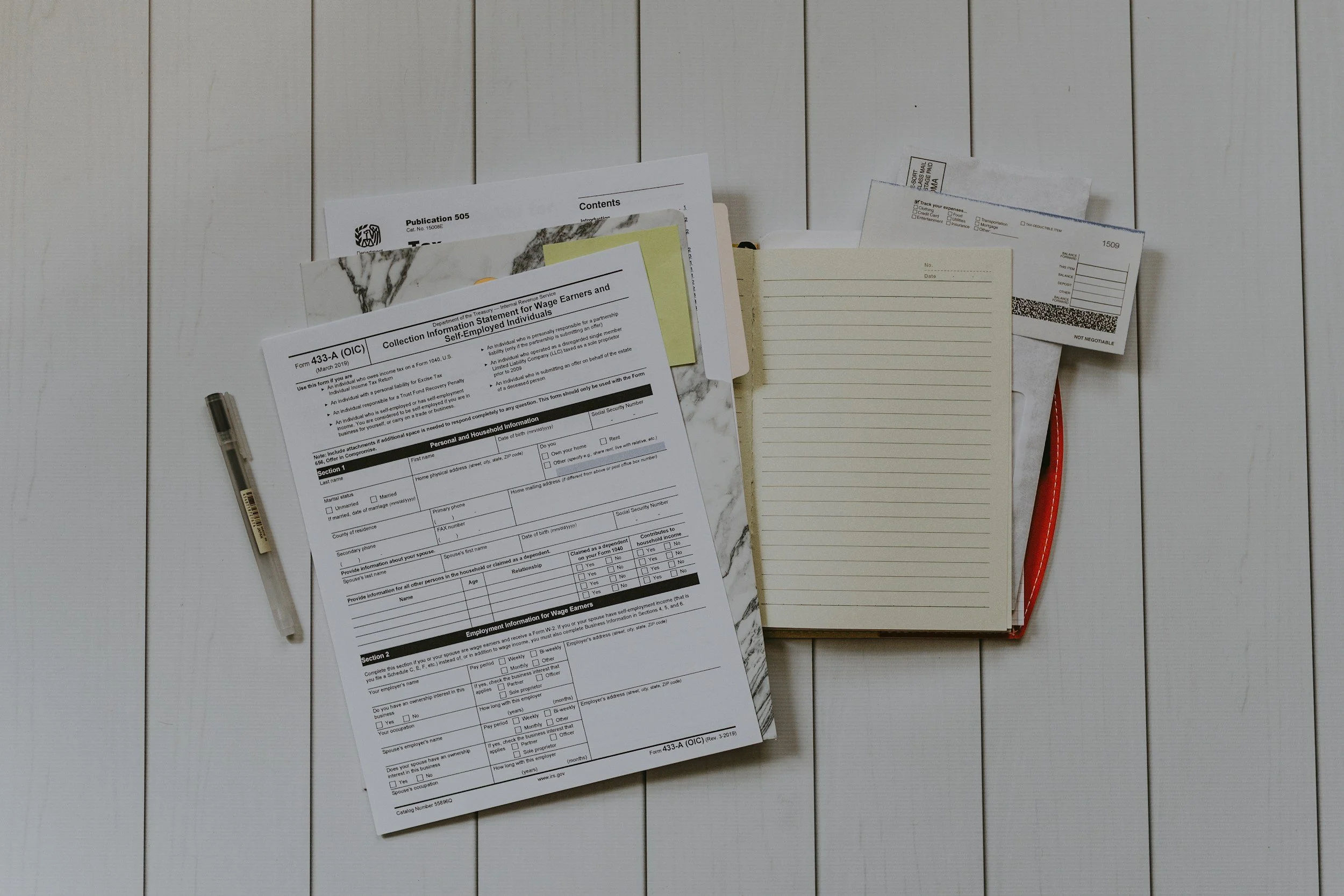












Renting a home in Spain can feel overwhelming, especially if you are unfamiliar with the legal system, the language, and the way rental contracts are structured. Many foreigners sign contracts they do not fully understand, rely on verbal promises that are never written down, or later discover that their contract does not offer the protection they expected.
This guide was created to give you clarity before you sign anything.
The Complete Guide to Rental Contracts in Spain is a clear, practical e-guide designed to help you understand how Spanish rental contracts work before you sign anything. It explains the different types of rental contracts used in Spain, what your rights and obligations are as a tenant, and how to recognise potential problems early.
What This Guide Helps You Do
Helps you move from uncertainty to confidence when dealing with rental contracts in Spain. It supports you in:
Understanding what you are agreeing to before signing a contract
Identifying red flags and clauses that deserve closer attention
Choosing the correct contract type for your situation
Protecting your deposit and understanding your financial responsibilities
Communicating more confidently with landlords or agencies
Navigating your tenancy with fewer surprises and misunderstandings
Ready to Rent with Confidence?
Rental contracts do not have to be confusing or intimidating. With the right information, you can approach renting in Spain feeling informed, prepared, and in control.
If you want to understand your rental contract clearly, avoid common mistakes, and rent in Spain with confidence, this guide is designed to support you every step of the way.
👉 Download the The Complete Guide to Rental Contracts in Spain and come prepared for the Spanish housing market.