Málaga in August: Everything You Need to Know Before You Visit or Live Here
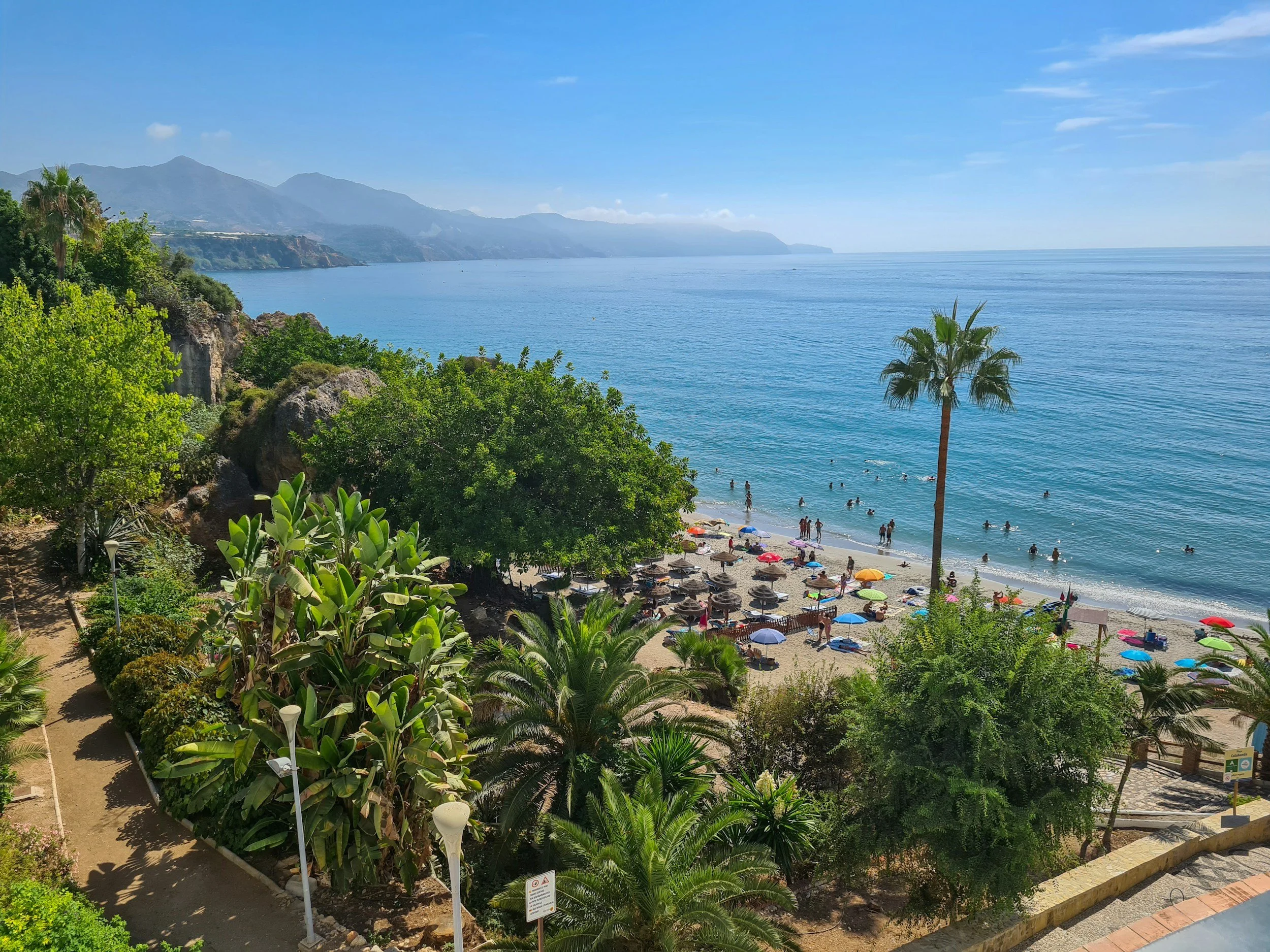
August is Málaga at Its Most Vibrant—and Its Most Intense
If there's one month that captures the energy of Málaga, it's August.
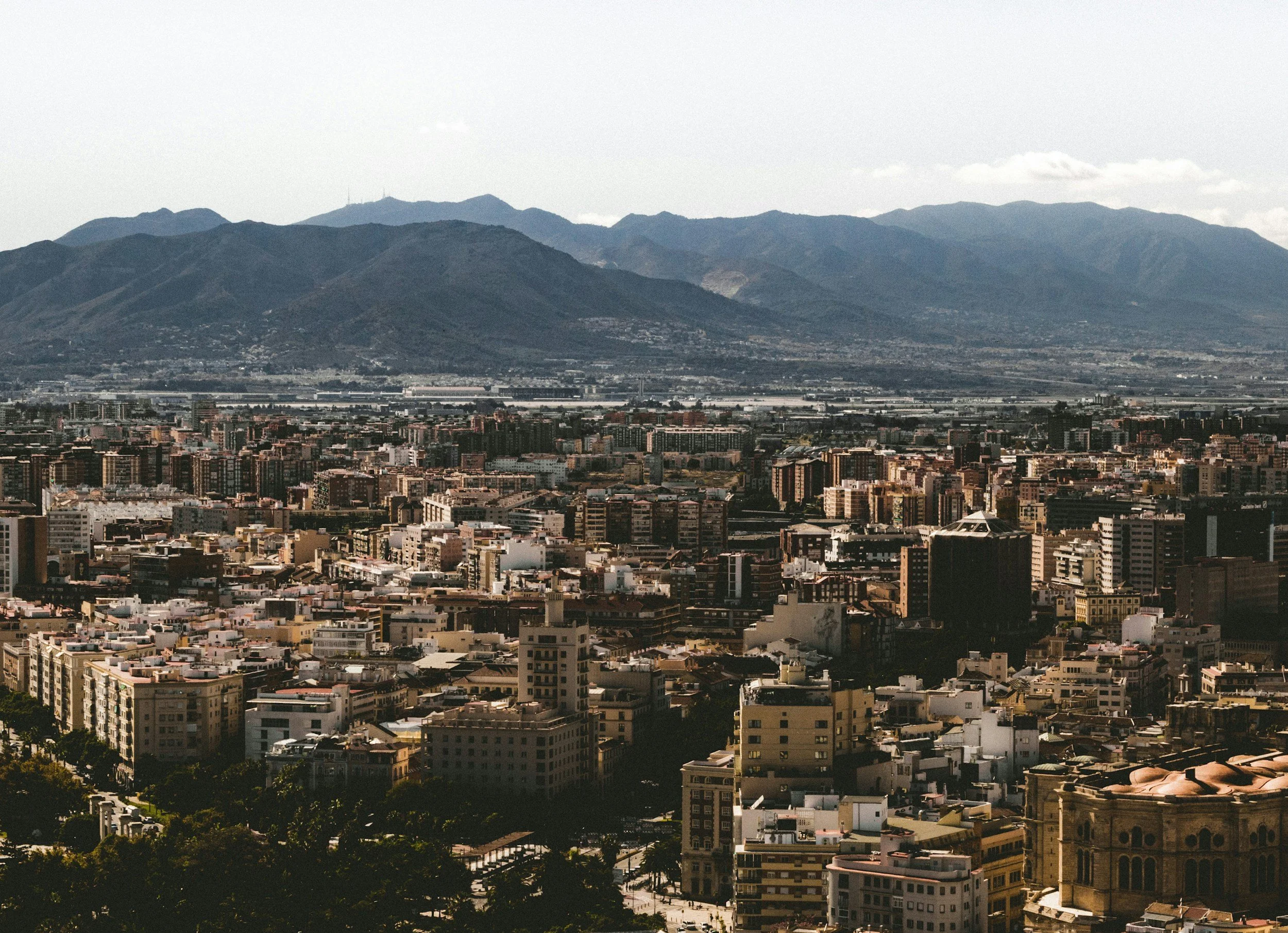
From the moment you step outside in the morning, there's a feeling that summer is in full swing. The beaches are already filling up before breakfast, cafés spill onto sunny terraces, and the scent of grilled sardines drifts through the air long before lunchtime. As the day slowly gives way to evening, the city transforms once again. Streets that seemed quiet during the hottest hours suddenly come alive with families enjoying an evening stroll, friends gathering for tapas, and visitors lingering over dinner long after the sun has disappeared behind the Mediterranean.
For many people, this is exactly how they imagine southern Spain.
And in many ways, they're right.
August is one of the most exciting times to experience Málaga. The sea is at its warmest, daylight stretches late into the evening, and the city's biggest celebration—the famous Feria de Málaga—fills the streets with music, dancing, fireworks and traditional Andalusian culture.
But living in Málaga has taught me that August is also one of the easiest months to misunderstand.
Many visitors expect life to continue as it does during spring or autumn, only to discover that the rhythm of the city changes completely. Days start earlier, afternoons slow to almost a standstill, and evenings become the real centre of social life. Some independent businesses close for their annual holidays, temperatures can climb well above what the forecast suggests, and locals instinctively adjust their routines to work with the heat instead of against it.
It's these little details that rarely make it into travel brochures—but they can make the difference between simply visiting Málaga and truly enjoying it.
Whether you're planning a summer holiday, thinking about moving here, or you're simply wondering if August is the right time to visit, this guide will help you understand what the city is really like during its hottest and busiest month.
Let's start with the question almost everyone asks first.
What Is Málaga Like in August?
Imagine a city that seems to operate on two completely different schedules.
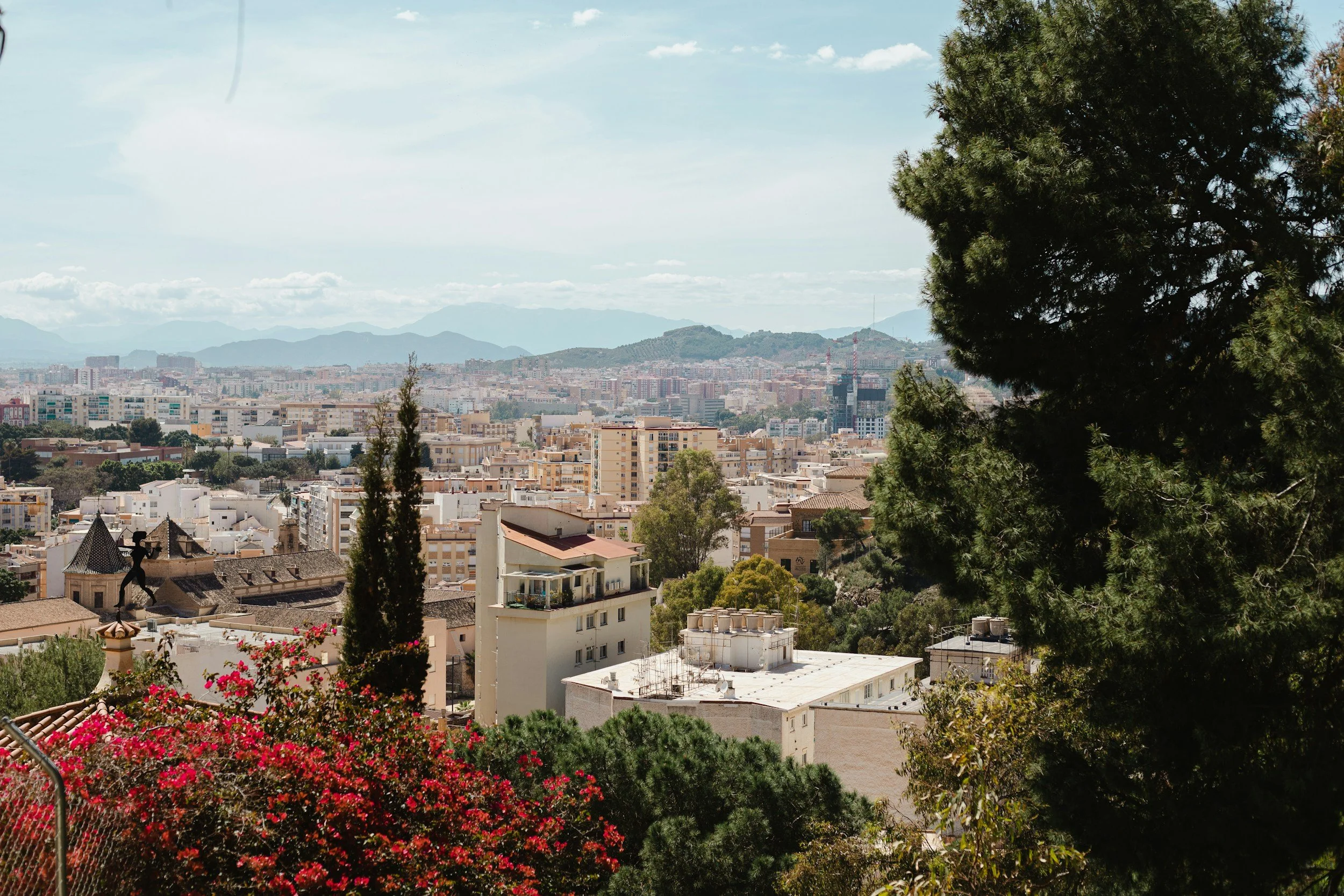
During the morning, Málaga is already buzzing with activity. Locals stop for coffee before work, beachgoers claim their favourite spots along the coast, cruise passengers begin exploring the historic centre, and the narrow streets around the cathedral slowly fill with visitors looking for shade between the colourful buildings.
By early afternoon, however, something curious happens.
The pace softens.
The historic centre feels noticeably quieter as people retreat indoors to escape the strongest sunshine. Restaurants remain busy, but many shops lower their shutters for a few hours, and walking through the city suddenly feels very different from the lively atmosphere of the morning.
If it's your first visit, you might wonder where everyone has gone.
The answer is simple: they're waiting for the evening.
As the sun begins to lose its intensity, Málaga wakes up all over again.
Families gather for a paseo, the traditional evening stroll that is still very much part of everyday life in Spain. Children play in plazas until surprisingly late, terraces fill with conversations over tapas and cold drinks, and beaches remain busy until sunset as the Mediterranean offers welcome relief from the day's heat.
One of the things I love most about August is how social the city becomes after dark. Dinner at 10 p.m. isn't unusual—in fact, many restaurants are only just starting to fill up. Ice cream shops have queues well into the night, musicians perform in the streets, and the waterfront around Muelle Uno feels almost as lively at 11 p.m. as it did earlier that afternoon.
For visitors from Northern Europe or North America, this change in daily rhythm often feels like one of the biggest cultural differences. Instead of squeezing everything into daylight hours, life stretches comfortably into the night.
A city shared by locals and visitors
August is also the month when Málaga belongs to everyone.
International tourists arrive from across Europe, Spanish families head to the Costa del Sol for their summer holidays, cruise ships regularly dock at the port, and many people who grew up in Málaga return home to visit family.
That means you'll hear dozens of languages while walking through the historic centre, but you'll also notice something else: this isn't just a tourist destination. Málaga is still very much a lived-in city. Grandparents chat on benches in neighbourhood squares, children play football in local parks, and regular life continues alongside the holiday atmosphere.
It's one of the reasons Málaga feels different from many other Mediterranean destinations. Even at the height of summer, it never loses its local character.
Is August crowded?
The honest answer is: yes—but it depends on where you go.
The historic centre, popular beaches such as La Malagueta, and the areas around Muelle Uno naturally attract the biggest crowds, especially during weekends and throughout the Feria. If you're looking for a quieter experience, heading slightly east towards Pedregalejo or El Palo, or west towards Huelin during the early morning, can completely change the atmosphere.
One of the advantages of Málaga is that you rarely have to travel far to escape the busiest spots. A twenty-minute walk can take you from lively tourist streets to neighbourhood cafés where you'll mostly hear Spanish being spoken.
So, is August the best time to visit?
That depends on what you're looking for.
If your ideal holiday involves long beach days, warm evenings, lively festivals and soaking up the unmistakable atmosphere of a Mediterranean summer, August is difficult to beat.
If, however, you prefer quiet museums, empty streets, cooler temperatures or hiking during the day, another season may suit you better.
Neither option is right or wrong—it simply comes down to the kind of experience you're hoping to have.
And speaking of temperatures, there's one topic that deserves its own section because it shapes almost everything about life in Málaga during August: the weather.
Weather in Málaga in August: What It's Really Like
If you've looked up the weather in Málaga in August, you've probably seen the numbers already.
Average daytime temperatures hover around 31–33°C (88–91°F), while evenings usually remain pleasantly warm at around 23–25°C (73–77°F). Rain is exceptionally rare, the Mediterranean Sea reaches its warmest temperature of the year—around 24–26°C (75–79°F)—and you can expect around 11 hours of sunshine every day.
On paper, it sounds like paradise.
And for many people, it is.
But there's one thing weather apps don't tell you: the temperature rarely tells the whole story.
Málaga Doesn't Feel Hot All Day—It Feats Like Different Cities
One of the things I noticed after moving to Málaga is that August doesn't feel like one long, hot day. Instead, the city changes personality every few hours.
Early mornings are surprisingly peaceful.
If you're out before 9 a.m., you'll find dog walkers enjoying the promenade, locals grabbing breakfast at their favourite café, and runners making the most of the cooler air before the heat settles over the city. It's one of my favourite times of day, when Málaga still feels calm and unhurried.
By late morning, the beaches begin to fill up. Colourful umbrellas appear almost overnight, paddleboards drift across the calm Mediterranean, and the smell of sunscreen mixes with freshly grilled sardines from nearby chiringuitos.
Then comes the afternoon.
This is when you'll understand why Spaniards have mastered the art of slowing down.
Walking through the historic centre at 3 p.m. feels very different from strolling through it in spring. The stone streets radiate heat back upwards, the sun reflects off cream-coloured buildings, and even though the official temperature might say 32°C, it can feel considerably warmer.
It's no coincidence that many locals choose this time to enjoy a long lunch, relax indoors, or head to the beach rather than wander through the city.
As the sun begins to dip lower, everything changes again.
The light softens, temperatures become much more comfortable, and the city gradually comes back to life. Restaurants start filling around 9 p.m., children play outside until late, and the beaches remain busy long after sunset.
If you've never experienced a Mediterranean summer before, it can feel strange at first.
Instead of trying to fit everything into the middle of the day, you'll quickly find yourself planning your activities around the heat—and you'll probably enjoy your holiday much more because of it.
The Terral: Málaga's Famous Hot Wind
If you spend enough time in Málaga, you'll eventually hear someone say:
"Hoy hace terral."
It's one of those words every local knows, but many visitors have never heard before.
The Terral is a hot, dry wind that blows from inland towards the coast. Unlike the refreshing sea breeze that usually keeps Málaga pleasantly warm, the Terral carries intensely hot air from the mountains inland, causing temperatures to rise dramatically in just a few hours.
During a Terral episode, it's not unusual for temperatures to climb well above 38°C, with particularly intense days occasionally reaching or even exceeding 40°C.
The first time I experienced it, I genuinely thought something had changed overnight.
The air felt completely different.
Instead of the usual gentle coastal breeze, stepping outside felt like opening the door of a fan-assisted oven. Even the wind—which normally provides relief—felt hot against my skin.
It's a strange sensation if you're not expecting it.
The good news is that the Terral usually doesn't last long. Most episodes last between one and three days before cooler sea breezes return and temperatures settle back to what most people expect from a Mediterranean summer.
How do locals deal with the Terral?
Rather than fighting it, people simply adapt.
You'll notice beaches becoming even busier than usual, cafés filling up earlier in the day, and many people delaying errands until later in the evening. Air conditioning suddenly becomes everyone's best friend, and conversations often start with one simple topic:
"It's the Terral today."
If your visit happens to coincide with one of these days, don't panic. It doesn't mean your holiday is ruined—it simply means adjusting your plans.
Visit a museum during the afternoon, enjoy a long lunch, spend extra time by the sea, or treat yourself to an ice cream while watching the world go by.
Sometimes the best way to experience Spain is to embrace the slower pace rather than trying to power through the heat.
Local tip: If you hear locals talking about the Terral, make the beach your first stop. Even though the air is hotter, the Mediterranean often feels even more refreshing on these days.
Is Málaga Too Hot in August?
This is probably one of the most common questions people ask before booking a summer trip.
The honest answer?
It depends on what kind of holiday you're hoping for.
If your dream holiday involves spending lazy afternoons on the beach, swimming in warm water, enjoying sunset dinners by the sea and making the most of long evenings outdoors, August is hard to beat.
The sea is at its warmest, almost every beach bar is open, the city is full of energy, and there's a holiday atmosphere that's difficult to recreate at any other time of year.
On the other hand, if you're planning to spend eight hours a day sightseeing, hiking the Caminito del Rey, or exploring every corner of the city on foot, August can feel challenging.
That's not because Málaga is "too hot"—it's because it asks you to experience the city differently.
One of the biggest lessons I've learned since moving here is that locals don't stop living because it's hot. They simply change when they do things.
Coffee at 8 a.m.
Beach before lunch.
Siesta or time indoors during the hottest part of the afternoon.
Dinner at 10 p.m.
A stroll along the promenade after dark.
Once you settle into that rhythm, August starts to make a lot more sense.
And perhaps that's the biggest secret about Málaga in summer.
The people who enjoy it the most aren't necessarily the ones who can handle the heat—they're the ones who learn to move with it rather than against it.
Experience Málaga in August Like a Local
One of the biggest mistakes first-time visitors make is trying to experience Málaga the same way they would in spring or autumn.
They wake up early, spend the entire afternoon walking through the historic centre, book dinner for 6 p.m., and wonder why so many cafés seem quiet during the hottest part of the day.
The truth is that August has its own rhythm.
Rather than fighting the heat, locals simply adjust to it. Once you embrace that slower pace, you'll quickly understand why summer is many people's favourite time of year on the Costa del Sol.
Here's what a typical August day in Málaga might look like.
8:00 a.m. – Start Early, whilst still sleeping in
Morning is arguably the best time to enjoy the city.
The air is still fresh, the light is soft, and Málaga feels surprisingly peaceful before the beaches begin to fill. If you're staying in the historic centre, this is the perfect time to wander through the quieter streets around the cathedral, visit the Roman Theatre, or climb to the viewpoints at the Alcazaba before the strongest sunshine arrives.
It's also when locals are out buying fresh bread, grabbing breakfast at their neighbourhood café, or walking along the promenade before work.
If you want to experience a more authentic side of the city, don't sleep through the morning.
Local tip: If you're planning to visit Gibralfaro Castle, go before 10 a.m. Not only will the climb be much more comfortable, but the views over the city are often at their clearest.
Midday – Head for the Water
By lunchtime, the beaches become the heart of the city.
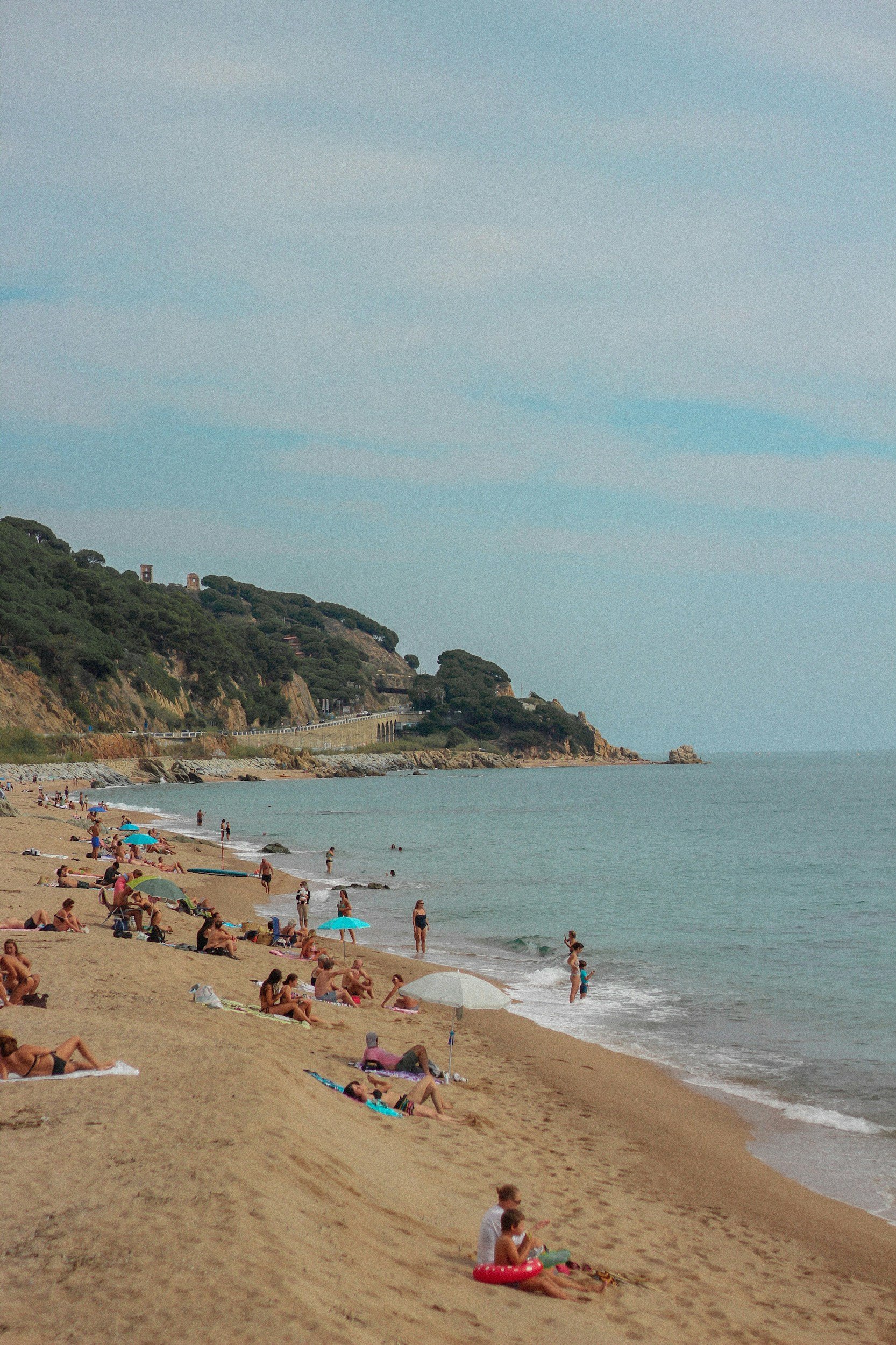
Whether you choose the lively atmosphere of La Malagueta, the relaxed neighbourhood feel of Huelin, or the traditional fishing districts of Pedregalejo and El Palo, you'll notice that people aren't in a hurry.
Families spend hours by the sea, friends gather around beach umbrellas, and long lunches at a chiringuito are just as important as swimming.
One thing that often surprises visitors is just how warm the Mediterranean becomes by August. Instead of feeling refreshing in the way it might during spring, the sea is comfortably warm, making it easy to spend hours in and out of the water.
And yes—you absolutely have to order espetos de sardinas at least once.
Watching sardines being cooked over an open wood fire on a traditional fishing boat is one of those unmistakably Málaga experiences.
Afternoon – Slow Down
If you've ever wondered where everyone disappears to around 3 p.m., this is your answer.
They're indoors.
Whether it's enjoying a long lunch with friends, escaping into an air-conditioned museum, taking a siesta, or simply relaxing at home, the hottest hours of the day are designed for slowing down.
This isn't laziness.
It's common sense.
If you're visiting in August, try resisting the temptation to cram your itinerary into the afternoon. Instead, use this time to recharge. You'll have much more energy for the evening—and trust me, that's when Málaga really shines.
Evening – When the City Comes Alive
As the sun begins to set, Málaga transforms.
Temperatures become comfortable again, terraces fill with conversation, children play in plazas until late, and the promenade is full of people enjoying an evening paseo.
One of my favourite things about summer here is that nobody seems to be rushing home.
People stop for ice cream, watch the sunset from the beach, meet friends for tapas, or simply enjoy walking without any particular destination.
If you're wondering why restaurants seem quiet at 7 p.m., don't worry.
Many locals won't sit down for dinner until around 9:30 or even 10 p.m., especially during August.
Don't Miss These August Events in Málaga
August isn't just about sunshine and beaches—it's also one of the busiest months on Málaga's cultural calendar. Whether you're visiting for a weekend or spending a few weeks on the Costa del Sol, there are several events worth planning around.
Feria de Málaga (15–22 August 2026)
If there's one event that defines August in Málaga, it's the Feria de Málaga.
Held every year to commemorate the city's incorporation into the Crown of Castile in 1487, the feria is one of Andalusia's biggest and most vibrant celebrations. In 2026, it takes place from 15 to 22 August.
Unlike many festivals, the Feria de Málaga is really two celebrations in one.
The Day Fair (Feria del Centro)
During the day, the historic centre becomes an enormous open-air party.
Expect streets filled with live music, flamenco dresses, spontaneous dancing, flower decorations and people enjoying a cold tinto de verano or rebujito under colourful lanterns. Every square seems to have its own atmosphere, and it's perfectly normal to see strangers dancing together in the middle of the street.
The official daytime festivities in the historic centre finish around 6 p.m., after which the celebrations gradually move elsewhere.
The Night Fair (Real de Cortijo de Torres)
As the sun goes down, the celebration moves to the Real, the city's dedicated fairground near Cortijo de Torres.
This is where you'll find:
Traditional fairground rides
Live concerts
Flamenco performances
Food stalls
Casetas (festival tents)
Dancing until the early hours
Family-friendly attractions
Daily equestrian shows
In 2026, the city is also hosting almost 200 free performances across the fair, with flamenco, verdiales, equestrian displays, family entertainment and concerts spread across multiple venues.
Is the Feria worth visiting?
Absolutely.
Even if you're not usually a festival person, spending just one afternoon or evening at the Feria offers a glimpse into Málaga at its most joyful. It's loud, colourful, welcoming and deeply rooted in local tradition.
If you're visiting during these dates, I genuinely recommend building part of your itinerary around it.
Free Summer Concerts & Open-Air Performances
Summer in Málaga isn't limited to the Feria.
Throughout August, you'll often come across free concerts, dance performances and cultural events in public squares, parks and along the waterfront. While the programme changes each year, it's worth checking the city's official cultural agenda once you've arrived, as new events are regularly added throughout the month.
One of the nicest things about these evenings is that they don't require much planning. You might simply be walking through the city after dinner and stumble across a live jazz performance, a flamenco show or a local celebration taking place in one of the plazas.
Sometimes, those unplanned moments become the highlight of your trip.
Explore Beyond Málaga
If you're staying for more than a few days, August is also a fantastic time to experience the festivals taking place in the surrounding towns.
One of my favourites is the Festival of Three Cultures in the whitewashed village of Frigiliana, typically held in the final week of August. The streets fill with artisan markets, music, food stalls and performances celebrating the Christian, Muslim and Jewish cultures that have shaped Andalusia's history. It's a completely different atmosphere from the Feria and makes for a wonderful evening excursion.
If you're hiring a car, it's well worth checking whether nearby towns are celebrating their own summer feria during your visit. Many villages across the province host smaller festivals with live music, traditional dancing and local food—often offering a more intimate glimpse of Andalusian life than the city's biggest events.
Final Thoughts
August isn't the quietest month in Málaga.
It isn't the cheapest either.
And there will probably be at least one afternoon when you'll wonder how anyone survives the heat.
But then the sun starts to set.
The terraces fill with conversation.
Children play in the plazas long after dark.
Music drifts through the streets.
And suddenly it all makes sense.
Málaga in August isn't just a destination—it's a rhythm.
A rhythm that begins with an early morning coffee, slows down during the afternoon heat, and comes alive again long after sunset.
If you're visiting, I hope this guide helps you make the most of your time here.
And if you're not just visiting—but actively planning a move to Málaga—there's a lot more to consider than weather, beaches, and where to find the best sunset.
Finding a rental, understanding Spanish bureaucracy, registering on the padrón, obtaining a NIE, navigating healthcare, opening a bank account, choosing the right neighbourhood, and understanding the true cost of living can quickly become overwhelming.
That's exactly why I offer private one-to-one consultations through Living La Vida Malagueña.
Whether you're still deciding if Málaga is right for you, preparing for your move, or already living here and feeling stuck, a consultation gives you personalised advice based on your specific situation, goals, and timeline.
Because while moving to Spain can be one of the best decisions you'll ever make, it's often much easier when you have someone who's already been through the process.
You can learn more about my consultation services on the website, and I'd love to help you make your move to Málaga a little smoother.
Practical Tips for Visiting Málaga in August
After living in Málaga, these are the tips I find myself giving visitors over and over again.
Book restaurants in advance
August is one of the busiest months of the year. Popular beach restaurants and rooftop venues fill up quickly, especially during weekends and during the Feria.
Carry more water than you think you need
The heat can be deceptively draining, particularly if you're walking around the historic centre.
Don't underestimate the sun
Even on days that don't feel excessively hot, the UV index remains extremely high throughout August.
Plan around the heat
Visit monuments, viewpoints, and attractions during the morning. Save long lunches, museums, or beach time for the afternoon.
Expect later meal times
If you're hungry at 6 p.m., you're operating on tourist time.
If you're having dinner at 10 p.m., you're starting to blend in.
Use public transport during the Feria
Parking becomes significantly more difficult during the city's biggest festival. Málaga's public transport system makes getting around much easier during these dates.







-
Málaga is definitely hot in August, with daytime temperatures often reaching 31–33°C and occasionally much higher during a Terral. However, the heat is usually easier to manage than many people expect if you follow the local rhythm: start early, avoid the hottest afternoon hours, and enjoy the city in the evening.
-
Absolutely. In fact, August is one of the best months for swimming because the Mediterranean reaches its warmest temperatures of the year, usually around 24–26°C.
-
Not everything, but some independent businesses, local offices, and family-run restaurants may close for part of the month. Tourist attractions, major shops, supermarkets, shopping centres, and most beach bars remain open and busy throughout August.
-
Pack light, breathable clothing such as linen, cotton, and loose summer dresses or shirts. Comfortable walking shoes, sunglasses, a hat, and high-SPF sunscreen are essential.
-
Yes. The Day Fair in the historic centre is lively but generally family-friendly, and the Night Fair includes dedicated areas with rides, games, and entertainment for children.
-
I would recommend at least 4–5 days. That gives you enough time to enjoy the beaches, explore the historic centre, experience the evening atmosphere, and spend at least one day discovering nearby towns such as Nerja or Frigiliana.

Plan Your Move to Spain with Confidence
Moving to Spain is an exciting new chapter, but it also comes with countless tasks, deadlines, and important decisions. From researching visa options and preparing your paperwork to organising your finances, finding accommodation, and planning your arrival, it's easy to feel overwhelmed before you've even packed your suitcase.
The Moving to Spain Checklist & Relocation Planner has been created to help you stay organised throughout the entire relocation process. Instead of managing multiple lists, scattered notes, and endless browser tabs, you'll have one structured planner that guides you through every stage of your move.
Whether you're relocating in a few weeks or simply starting to plan your future in Spain, this practical digital guide provides a clear roadmap to help you stay on track and avoid missing important steps along the way.
Designed by Living La Vida Malagueña, this planner is based on real relocation experience and is intended to simplify the planning process, giving you more confidence as you prepare for your new life in Spain.
What You'll Receive
Your digital planner includes practical checklists and timelines covering every stage of your relocation, including:
Comprehensive Moving to Spain master checklist
Step-by-step relocation timeline
Visa and residency preparation checklist
Financial planning checklist
Accommodation and housing planner
Pre-departure moving checklist
Arrival and settling-in checklist
Printable PDF that can also be completed digitally
Who This Planner Is For
This planner is ideal for:
Anyone planning to move to Spain
First-time expats
Retirees relocating abroad
Digital nomads
Remote workers
Families moving to Spain
Anyone looking for a clear, organised relocation plan
Whether you're moving independently or with your family, this planner helps you approach the process with greater organisation and less stress.
Why You'll Love It
Relocating abroad involves dozens of moving parts, and it's surprisingly easy to overlook important tasks.
This planner has been designed to keep everything together in one place, helping you:
Stay organised throughout your move
Reduce last-minute stress
Keep track of important deadlines
Plan your relocation step by step
Feel more confident during every stage of the process
Simple, practical, and easy to use, you can either print the planner or complete it digitally—whatever works best for your planning style.
Instant Digital Download
This is a digital product.
No physical item will be shipped.
Once your purchase is complete, you'll receive immediate access to download your planner so you can start organising your move straight away.
Please Note
This planner has been created for educational and organisational purposes only.
It does not constitute legal, immigration, tax, or financial advice. Visa regulations and residency requirements can change, so you should always confirm the latest information with the relevant Spanish authorities before making important decisions.
Looking for Personalised Help?
If you'd like tailored advice based on your own relocation plans, you can also book a 45-minute private consultationthrough Living La Vida Malagueña.
Together we'll discuss your situation, answer your questions, and create a personalised action plan to help make your move to Spain smoother and more straightforward.