What to Do in Málaga in Late Summer: The Ultimate Local Tips
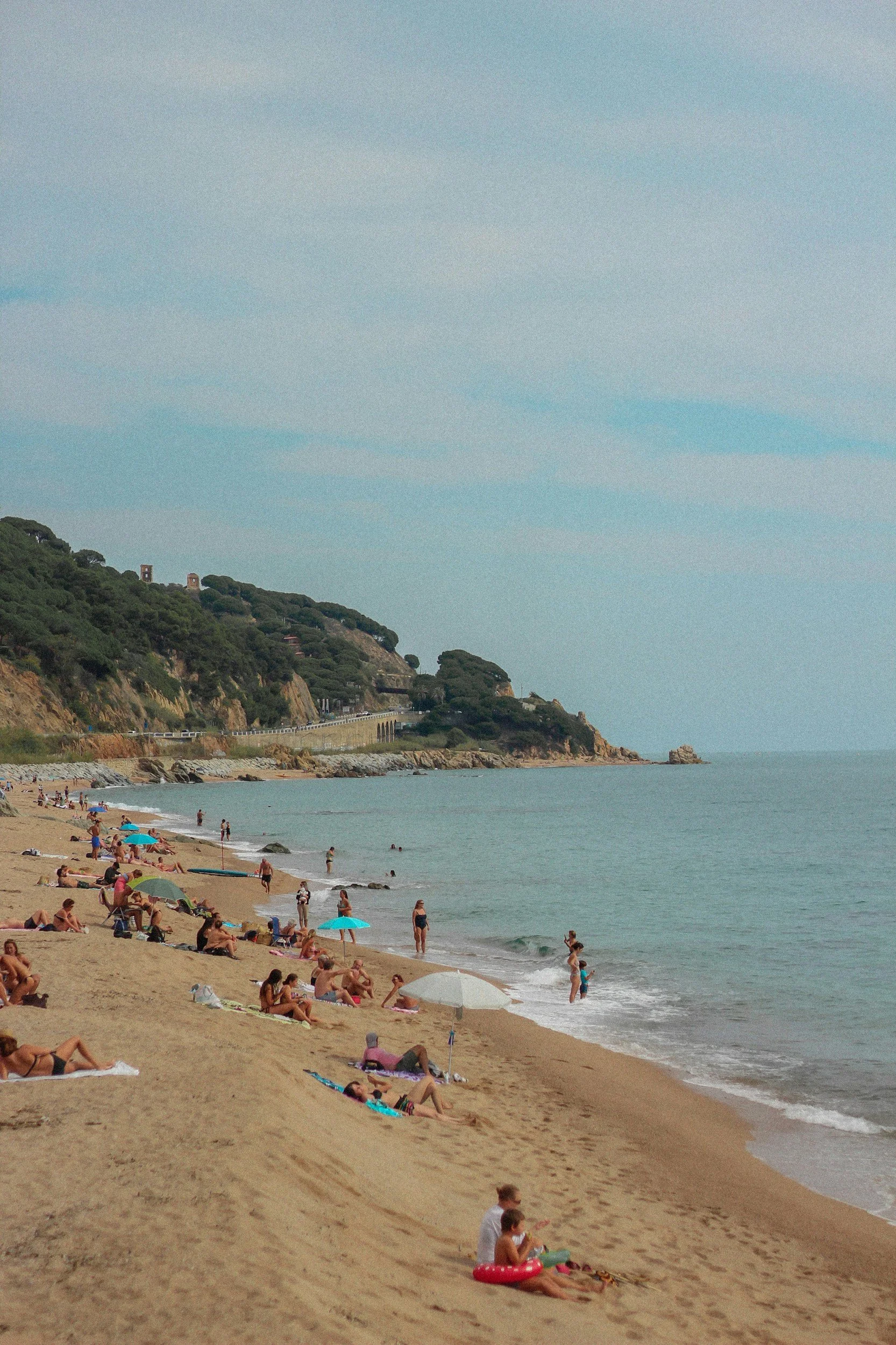
There is a point towards the end of summer when Málaga starts to feel a little different.
August is still very much summer. The beaches are busy, the evenings are long, restaurants are full and the city is still in holiday mode. Then September arrives and, almost imperceptibly, things begin to shift.
The biggest summer crowds start to thin out. People return to work. The city gradually settles back into its normal rhythm. But the temperatures are still warm, the Mediterranean is still inviting and there is plenty happening across Málaga.
For me, this is one of the most interesting times of year to experience the city.
Late summer in Málaga isn't about squeezing as many attractions as possible into one day. The heat means you'll have a much better time if you plan around it — sightseeing in the morning, slowing down during the hottest hours and making the most of the evenings.
And there is still plenty to do.
Whether you're visiting Málaga at the end of August, planning a September escape or already living here and looking for ideas, this guide covers what to do in Málaga in late summer, where to go, how to plan around the heat and what to know before you arrive.
When is late summer in Málaga?
When I talk about late summer, I'm mainly referring to late August and September, and even can be extended to October.
August is still peak summer in Málaga. September is more of a transition month, but don't expect autumn to arrive on 1 September.
You can still have beach days, swim in the Mediterranean, eat outside late at night and spend an entire evening walking around the city.
Málaga's official bathing season runs from 15 June until 15 September, and the municipality has around 14 kilometres of coastline with numerous beaches to choose from.
The biggest difference is the rhythm of the city.
In August, you need to take the heat and crowds into account. By September, sightseeing generally becomes more comfortable while the summer atmosphere remains.
This makes late summer particularly appealing if you want to experience Málaga without necessarily visiting during the busiest part of July and August.
Walk Málaga's historic centre early in the morning
If it's your first time in Málaga, exploring the historic centre is essential.
But in late summer, timing matters.
The middle of the day can become uncomfortably hot when you're walking through streets with limited shade, so early morning is a much better time for sightseeing.
You could start around Calle Larios and Plaza de la Constitución before continuing towards Málaga Cathedral, the Teatro Romano and the Alcazaba.
You don't need to visit every attraction in one morning.
In fact, I'd recommend the opposite.
Choose one or two major sights, walk through the surrounding streets and stop for breakfast or coffee along the way.
Then use the hottest part of the day for something indoors or take a break.
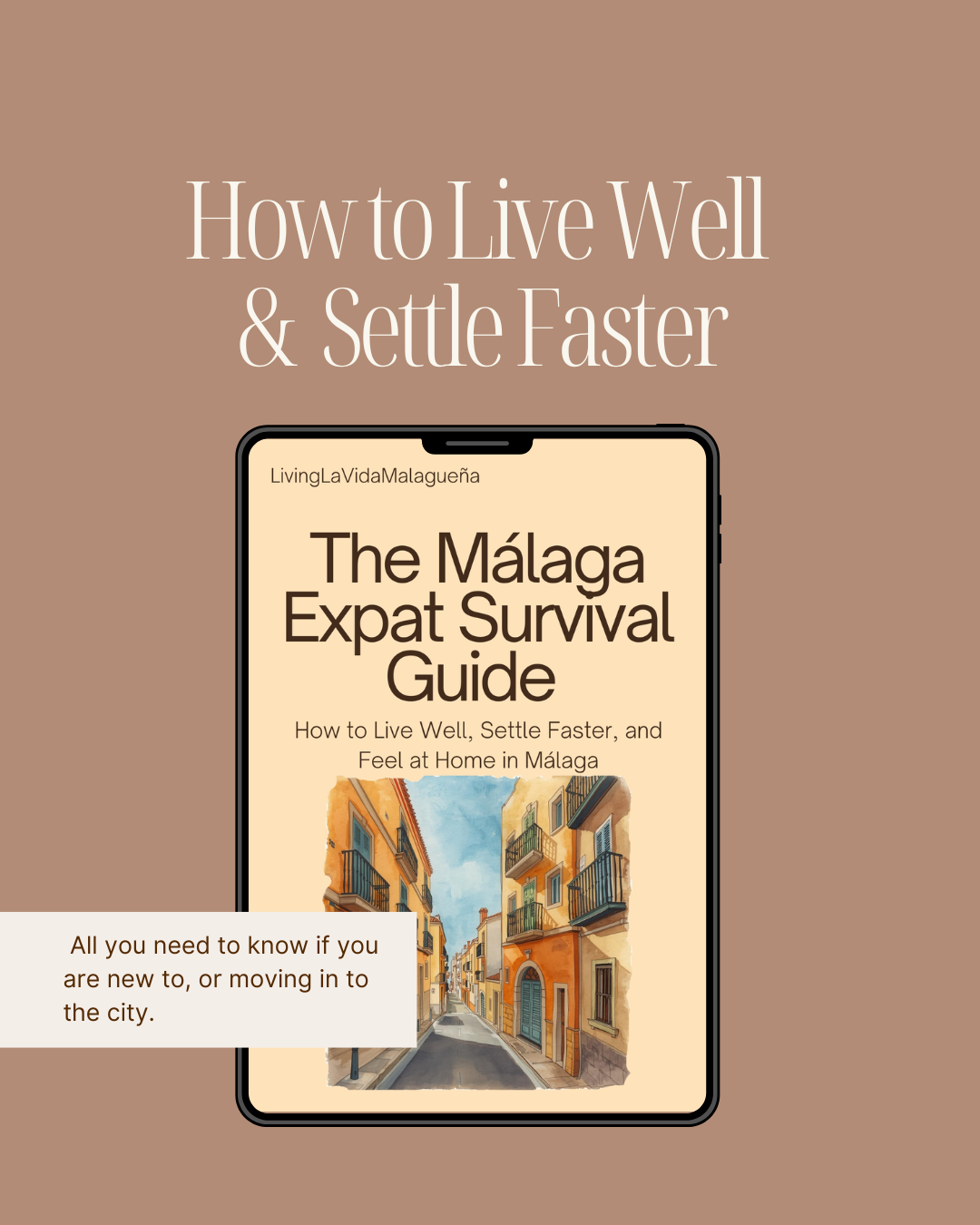
If you're planning your first visit, my Málaga Insider Survival Guide is designed to help you navigate the city with practical information beyond the standard tourist checklist.
And if you're researching Málaga because you're thinking about actually living here, have a look at Living in Málaga as an Expat too. Visiting somewhere and living there are two very different experiences.
Visit the Alcazaba and Gibralfaro — at the right time
The Alcazaba and Castillo de Gibralfaro are two of Málaga's most recognisable landmarks.
They're also two places where you don't want to underestimate the summer heat.
There are stairs, slopes and exposed areas, so I'd recommend visiting in the morning rather than making this your 2pm activity in August.
A good sightseeing morning could look like this:
9:00am: Breakfast
10:00am: Alcazaba
11:30am: Roman Theatre and historic centre
12:30pm: Coffee or early lunch
Afternoon: Museum, shopping, beach or rest
Evening: Dinner and a walk
You'll see much more and enjoy it far more than if you try to power through the hottest part of the day.
And bring water.
It sounds obvious, but it's surprisingly easy to underestimate how much walking you're doing when you're exploring a new city.
Use the afternoon for museums and culture
One of the easiest ways to enjoy Málaga in summer is to make the hottest part of the day your cultural time.
Instead of trying to walk around outside for hours, visit a museum or exhibition.
Málaga has developed into a major cultural destination, and the city's cultural programme continues throughout late summer.
For September 2026, Málaga's official cultural calendar includes exhibitions such as El nombre del bicho, ya te lo he dicho, Tejiendo historias and El arte de la Pintura. Confluencias en Tiempo de los Austrias, among others.
This is also why I'd recommend checking the official Málaga cultural calendar shortly before your visit.
Exhibitions change, new events are added and opening arrangements can vary.
You could spend the morning outside, have lunch, spend two hours in a museum during the hottest part of the day and then head back outside once temperatures become more comfortable.
It makes a summer day much easier.
Spend an afternoon around Málaga's food markets
If you want to see a more everyday side of Málaga, visit one of the city's markets.
Mercado Central de Atarazanas is the obvious choice for first-time visitors. Located right in the centre, it is a great place to see local produce, seafood, fruit and vegetables.
It is also a good reminder that Málaga isn't just tapas and restaurants.
A huge part of everyday Spanish life revolves around food shopping, markets, local produce and long meals.
Late summer is a particularly good time for fresh fruit and seasonal produce.
Just remember that Spanish opening hours can be different from what you're used to.
Not every business operates continuously throughout the day, and some smaller shops may close during the afternoon.
This is one of those cultural differences I talk about in Things Nobody Tells You About Living in Spain, because learning how the daily rhythm works is part of settling into life here.
Spend an evening in Pedregalejo and El Palo
Once the temperature starts dropping, head east.
Pedregalejo and El Palo are two of the best places in Málaga for a relaxed summer evening.
You can walk along the promenade, stop for a drink, have dinner by the sea and continue walking afterwards.
And if you haven't tried espetos de sardinas, this is the perfect opportunity.
Espetos are sardines traditionally cooked over a wood fire on skewers, and they're one of Málaga's classic seaside dishes.
Don't overcomplicate the evening.
Walk.
Eat.
Have a drink.
Watch the sea.
Stay a little longer.
This is one of those experiences that is better when you don't turn it into a strict itinerary.
If you're interested in exploring Málaga beyond the historic centre, my Málaga Insider Survival Guide includes practical information to help you get to know different parts of the city.
Watch the sunset from the beach
Late summer is made for sunset.
You don't necessarily need a rooftop bar or expensive organised experience.
Take a walk towards the coast, find somewhere comfortable to sit and stay for a while.
You can watch the sun disappear and then continue your evening afterwards.
And this is something visitors sometimes miss: sunset isn't the end of the day in Málaga.
It's often when the evening actually starts.
After the beach, you can head for dinner, have drinks, walk through the city or sit on a terrace.
The cooler evening hours are when Málaga really comes alive in summer.
Take advantage of Málaga's long summer evenings
One of the biggest cultural adjustments for people moving to Spain is how late the day seems to continue.
Dinner at 10pm?
Completely normal.
Going for a walk at 11pm?
Also normal.
Meeting friends after work and staying out until midnight?
Nothing unusual.
Late summer is a great time to experience this.
You can spend the hottest part of the afternoon at home, go outside around 7pm, have dinner later and still have plenty of evening left.
If you're visiting Málaga, don't feel like you have to follow the schedule you use at home.
And if you're considering moving here, pay attention to how much you enjoy — or don't enjoy — this different rhythm.
Because this isn't just a holiday habit.
It's everyday life.
Check Málaga's event calendar
One of the biggest mistakes you can make when visiting Málaga is relying entirely on generic tourist attractions.
There is always something else happening.
Concerts, exhibitions, theatre, sporting events, cultural activities and local celebrations continue throughout late summer.
For September 2026, the official Málaga cultural calendar lists numerous events and exhibitions throughout the city.
There are also some important dates to know.
The Feria de Málaga takes place from 15–22 August 2026, making this one of the busiest and most energetic periods of the year.
If you're visiting during Feria, expect a very different Málaga from the one you'll experience in September.
September also has an important local holiday: 8 September 2026 is Nuestra Señora de la Victoria, one of Málaga's official local holidays.
If you're visiting around this date, check opening hours before planning your day.
And always check the official event calendar shortly before travelling. Programmes can change.
Take a day trip from Málaga
Late summer is also an excellent time to explore beyond Málaga city.
You have a huge number of destinations within relatively easy reach, so there's no reason to spend your entire trip in the centre.
Nerja
A great combination of beaches, coastal scenery, the Balcón de Europa and the famous Nerja Caves.
Frigiliana
One of the best-known white villages in the province and easy to combine with Nerja.
Ronda
A completely different experience from the coast, with dramatic scenery, historic streets and the famous Puente Nuevo.
Mijas Pueblo
A classic Andalusian white village with mountain views and plenty of traditional architecture.
Marbella
A good choice if you want a more polished coastal day combining the old town, restaurants, shopping and the sea.
Torremolinos
An easy option if you want a simple beach day without travelling too far from Málaga.
The Axarquía
If you've already explored the obvious destinations, head east towards places such as Torre del Mar, Vélez-Málaga and the surrounding villages.
This last option is particularly interesting if you're considering moving to the province rather than Málaga city itself.
If you're researching different areas to live, don't only visit the places that look beautiful on Instagram.
Spend some time there on an ordinary weekday.
Look at supermarkets.
Check transport.
Walk around residential areas.
See what the atmosphere feels like outside the tourist centre.
And if you're beginning your housing search, my Finding an Apartment in Málaga article is a useful place to start.
Go hiking, but don't treat September like October
Late summer can be a beautiful time to explore the mountains around Málaga, but September is not automatically cool.
It can still be extremely warm.
If you're planning a longer hike, start early, carry plenty of water and check the conditions before setting off.
Avoid exposed routes during the hottest part of the day.
This is particularly important if you're not used to hiking in a Mediterranean climate.
For shorter walks, early morning or late afternoon is generally a much more pleasant option.
And if you're planning a major attraction such as Caminito del Rey, book in advance and plan your transport and timing carefully.
Explore Málaga's neighbourhoods
If you've already seen the historic centre, use late summer to explore some of Málaga's residential and coastal neighbourhoods.
Huelin
A residential neighbourhood west of the centre with its own beach, promenade and local atmosphere.
Pedregalejo
One of the city's most popular seaside areas, particularly for restaurants and evening walks.
El Palo
Further east, with a strong connection to Málaga's traditional fishing culture and seafood.
Soho
Close to the historic centre and known for street art, restaurants and a more contemporary atmosphere.
La Malagueta
Convenient for the beach, port, city centre and many major attractions.
This is particularly useful if you're considering moving to Málaga.
The city isn't one single experience.
Living in the historic centre can feel completely different from living in Huelin, Pedregalejo or further outside Málaga.
If you're actively apartment hunting, my Spain Apartment Hunter Toolkit can help you organise your search, compare properties and keep track of the practical information that becomes surprisingly difficult to manage once you're looking at multiple apartments.
Make September your “try Málaga as a local” month
If you're considering moving to Spain, I'd recommend doing something slightly different from a normal holiday.
Don't spend your entire trip sightseeing.
Try living normally.
Go to the supermarket.
Take public transport.
Work from your accommodation for a day.
Go to the beach after work.
Visit a residential neighbourhood.
Have dinner somewhere you'd actually go if you lived here.
Look at rental listings.
Calculate what your monthly expenses would be.
See how you feel after a week.
Because loving Málaga on holiday and enjoying Málaga as your everyday home are two very different things.
This is one of the biggest things I would recommend thinking about before moving abroad.
If you're still at the beginning of your research, start with How to Move to Spain in 2026 and then look at The Real Cost of Living in Málaga.
What is Málaga weather like in September?
September is still warm in Málaga, but the weather gradually becomes more comfortable as the month progresses.
Early September can feel almost indistinguishable from August.
Towards the end of the month, you may notice cooler evenings and occasional changes in weather.
You should still pack for summer, but I'd bring one lightweight layer.
What to pack for Málaga in late summer
Lightweight clothing
Comfortable walking shoes
Sandals
Swimwear
Sunglasses
A hat
Sunscreen
A reusable water bottle
A lightweight cardigan or jacket
And don't underestimate how much walking you'll do.
Málaga is an easy city to explore on foot, and a quick walk can very easily turn into several kilometres.
Comfortable shoes will make a bigger difference than you think.
Is Málaga still busy in late summer?
Yes — especially in August.
Don't expect the city to suddenly become quiet simply because summer is coming to an end.
The 2026 Feria de Málaga runs from 15–22 August, and this is one of the busiest periods of the year. Hotel occupancy was forecast to be particularly high during Feria, so if you're visiting at this time, book accommodation and restaurants well in advance.
September is generally a different experience.
The city remains lively, restaurants and attractions continue operating and there are still plenty of visitors, but Málaga gradually begins returning to its everyday rhythm.
This is one reason September can be such a good compromise:
warm weather + beach days + outdoor dining + cultural activities + fewer peak-summer crowds.
What is the best thing to do in Málaga in late summer?
It depends on what you're looking for.
If you want a beach day, go early or later in the afternoon and stay for sunset.
If you want culture, explore the historic centre in the morning and spend the hottest part of the day in a museum.
If you want food, head towards Pedregalejo or El Palo and try traditional seafood and espetos.
If you want nature, leave the city early and explore the surrounding countryside.
If you want nightlife, have dinner late and enjoy the city after dark.
And if you're considering moving to Málaga, spend less time sightseeing and more time experiencing normal life.
Late summer Málaga: what I'd actually recommend
If you only have a few days, don't try to see everything.
I'd prioritise:
One historic day
The old town, Alcazaba and one museum.
One beach day
Pedregalejo or El Palo, followed by dinner by the sea.
One neighbourhood day
Explore somewhere beyond the obvious tourist centre.
One day trip
Nerja and Frigiliana, Ronda or another destination that interests you.
One completely unplanned evening
Walk, eat, have a drink and see where the night takes you.
That will give you a much better sense of Málaga than trying to tick twenty attractions off a list.
And if you're not just visiting Málaga?
This is where things get more interesting.
If you're researching what to do in Málaga in late summer because you're considering moving here, I'd approach your trip differently.
Use the time to investigate the things that will actually matter once you're living here.
What does rent really cost?
Which neighbourhood suits your lifestyle?
How easy is it to commute?
Can you find work?
What paperwork will you need?
Which visa or residency route applies to you?
How much money do you realistically need each month?
I've written extensively about these practical questions throughout Living La Vida Malagueña.
If you're starting from scratch, read How to Move to Spain in 2026.
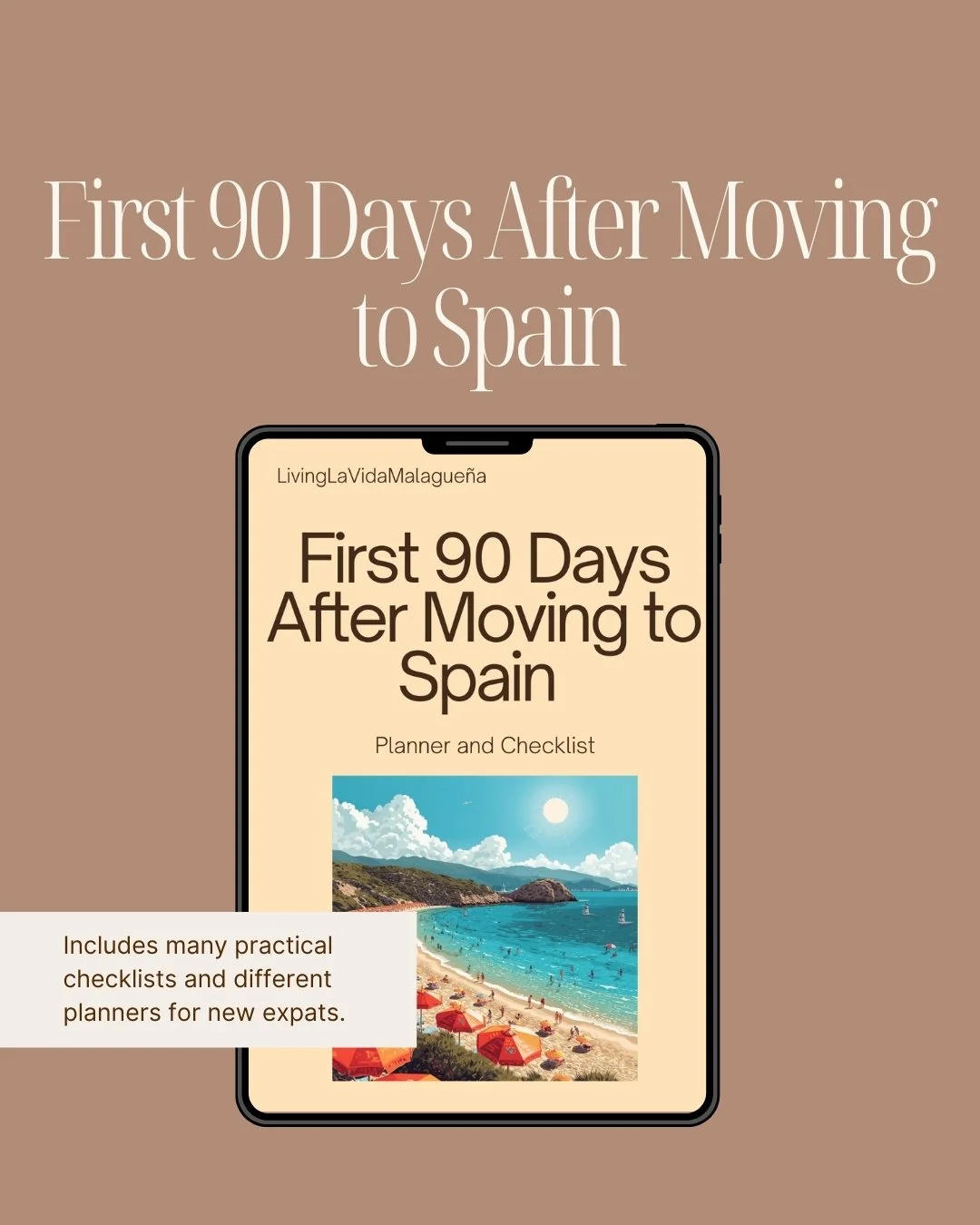
For people who are already preparing to move, the First 90 Days After Moving to Spain Planner can help you organise the many practical tasks that come after arrival.
My biggest tip for late summer in Málaga
Don't plan your days as if Málaga were a northern European city.
The heat changes everything.
It changes when you walk.
When you eat.
When you go to the beach.
When you sightsee.
When you exercise.
And when you socialise.
Once you accept that, summer becomes much easier to enjoy.
Explore early.
Slow down during the hottest hours.
Go back outside in the evening.
And leave some room in your itinerary.
Because one of the best things about Málaga in late summer is that you don't have to constantly be doing something.
You can have a beach morning.
A long lunch.
A quiet afternoon.
And a late dinner.
And that can be a pretty great day.
Ready to start planning your move to Spain?
If you're reading this because Málaga isn't just somewhere you want to visit — it's somewhere you're thinking about calling home — you don't have to figure everything out at once.
Start with the basics.
Understand your visa or residency options.
Work out your realistic budget.
Research housing.
Understand the Spanish administrative system.
And then start building your plan.
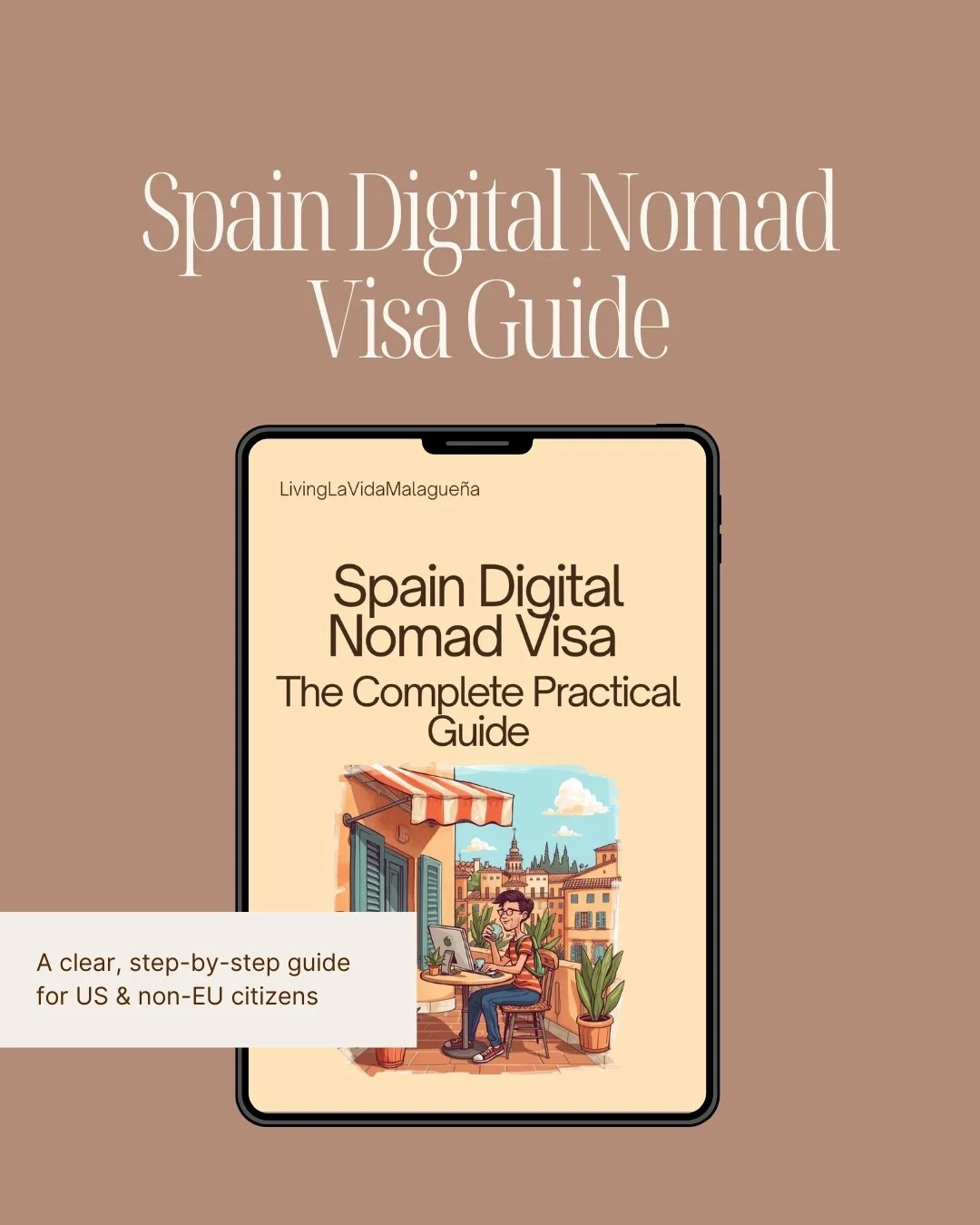
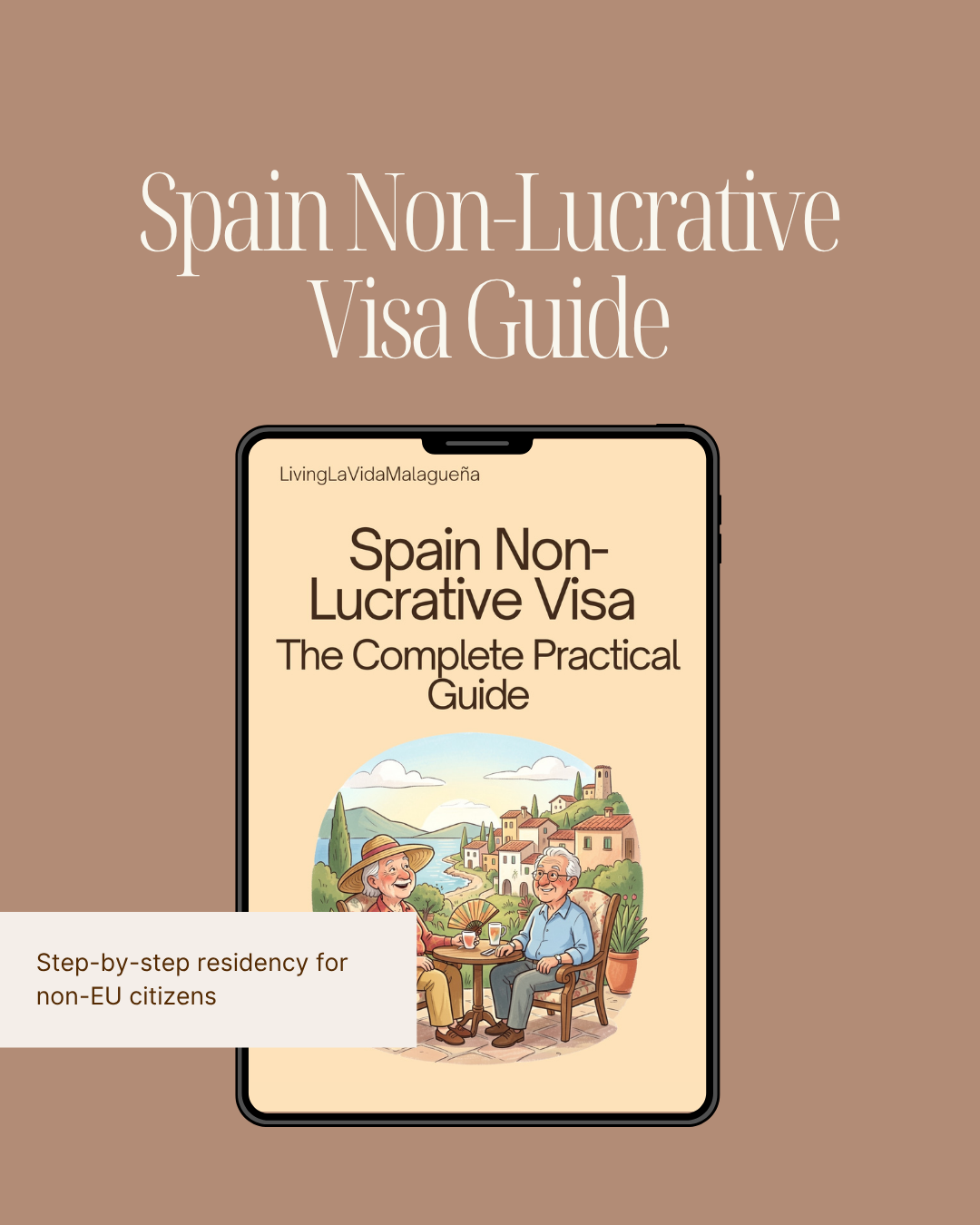
The Spain Non-Lucrative Visa Guide, Spain Digital Nomad Visa Guide, Spain Apartment Hunter Toolkit, Real Cost of Living in Málaga Guide + Calculator and First 90 Days After Moving to Spain Planner are all designed to help with different parts of that process.
And if you have a more complicated situation or simply want personalised guidance, you can also book a private 45-minute consultation with Living La Vida Malagueña.
Because moving to Spain is about much more than getting on a plane.
It's about understanding what comes next — and making sure you're prepared for it.
See you in Málaga.
Frequently Asked Questions: Málaga in Late Summer
-
Yes. September is still warm enough for beach days and outdoor dining, while the city gradually moves away from the intensity of peak August. It's particularly good if you want summer weather but prefer a slightly calmer atmosphere.
-
Visit a museum, explore indoor attractions, have a long lunch, go shopping, return to your accommodation or plan your beach visit for early morning or later in the afternoon.
-
Yes. Málaga's official bathing season runs until 15 September, and the city's coastline remains an important part of everyday life beyond that date too.
-
La Malagueta is convenient for the historic centre, while Pedregalejo and El Palo are excellent for combining the beach with a seaside meal. Misericordia is another long urban beach, particularly convenient for the western side of the city. Málaga's official beach guide lists 14 beaches across the municipality.
-
Yes, Málaga remains a popular destination, but September generally feels different from peak August. The city remains active while the summer holiday period gradually winds down.
-
Yes. In fact, it can be a useful time to visit because you can experience both the summer lifestyle and the transition back towards normal everyday life. Try exploring residential neighbourhoods, using public transport, visiting supermarkets and looking at real rental prices rather than spending your entire trip sightseeing.

Plan Your Move to Spain with Confidence
Moving to Spain is an exciting new chapter, but it also comes with countless tasks, deadlines, and important decisions. From researching visa options and preparing your paperwork to organising your finances, finding accommodation, and planning your arrival, it's easy to feel overwhelmed before you've even packed your suitcase.
The Moving to Spain Checklist & Relocation Planner has been created to help you stay organised throughout the entire relocation process. Instead of managing multiple lists, scattered notes, and endless browser tabs, you'll have one structured planner that guides you through every stage of your move.
Whether you're relocating in a few weeks or simply starting to plan your future in Spain, this practical digital guide provides a clear roadmap to help you stay on track and avoid missing important steps along the way.
Designed by Living La Vida Malagueña, this planner is based on real relocation experience and is intended to simplify the planning process, giving you more confidence as you prepare for your new life in Spain.
What You'll Receive
Your digital planner includes practical checklists and timelines covering every stage of your relocation, including:
Comprehensive Moving to Spain master checklist
Step-by-step relocation timeline
Visa and residency preparation checklist
Financial planning checklist
Accommodation and housing planner
Pre-departure moving checklist
Arrival and settling-in checklist
Printable PDF that can also be completed digitally
Who This Planner Is For
This planner is ideal for:
Anyone planning to move to Spain
First-time expats
Retirees relocating abroad
Digital nomads
Remote workers
Families moving to Spain
Anyone looking for a clear, organised relocation plan
Whether you're moving independently or with your family, this planner helps you approach the process with greater organisation and less stress.
Why You'll Love It
Relocating abroad involves dozens of moving parts, and it's surprisingly easy to overlook important tasks.
This planner has been designed to keep everything together in one place, helping you:
Stay organised throughout your move
Reduce last-minute stress
Keep track of important deadlines
Plan your relocation step by step
Feel more confident during every stage of the process
Simple, practical, and easy to use, you can either print the planner or complete it digitally—whatever works best for your planning style.
Instant Digital Download
This is a digital product.
No physical item will be shipped.
Once your purchase is complete, you'll receive immediate access to download your planner so you can start organising your move straight away.
Please Note
This planner has been created for educational and organisational purposes only.
It does not constitute legal, immigration, tax, or financial advice. Visa regulations and residency requirements can change, so you should always confirm the latest information with the relevant Spanish authorities before making important decisions.
Looking for Personalised Help?
If you'd like tailored advice based on your own relocation plans, you can also book a 45-minute private consultationthrough Living La Vida Malagueña.
Together we'll discuss your situation, answer your questions, and create a personalised action plan to help make your move to Spain smoother and more straightforward.