Is Málaga Still a Good Place to Live in 2026? The Honest Pros and Cons
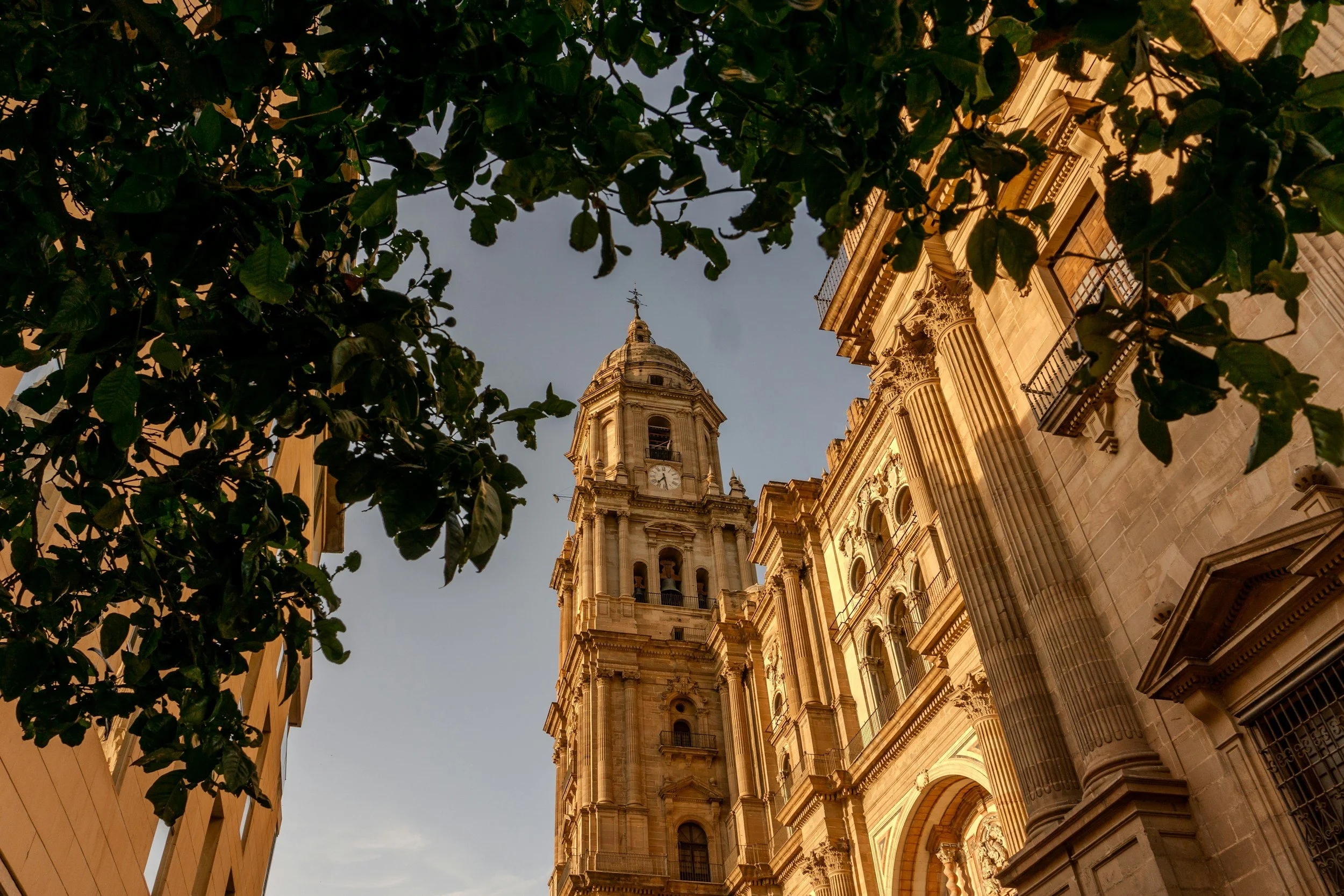
If you're considering moving to Málaga, Spain, you've probably seen the same things online: sunshine, beaches, tapas, beautiful old streets and a relaxed Mediterranean lifestyle.
And yes, those things are real.
But Málaga in 2026 is also a very different city from the one people were talking about five or ten years ago.
Rent has increased. The city has become significantly more international. Tourism is more noticeable. Finding a good long-term rental can be difficult, and the gap between Spanish salaries and housing costs is something you need to take seriously.
So, is Málaga still a good place to live?
I think it can be — but it isn't the right place for everyone.
After moving to Málaga myself, I've learned that the most useful question isn't whether Málaga is objectively "good" or "bad".
It's whether Málaga works for the kind of life you want to build in Spain.
This is my honest look at the pros and cons of living in Málaga in 2026, including housing, cost of living, work, transport, weather, healthcare, bureaucracy, tourism and what everyday life here actually feels like.
Is Málaga a good place to live in 2026?
Let's start with the short answer:
Yes, Málaga is still one of the most attractive places to live in Spain — but you need more realistic expectations than you might have had a few years ago.
Málaga offers a combination that is genuinely difficult to find elsewhere.
You have a proper Spanish city, an international airport, beaches, public transport, restaurants, culture, mountains, a large international community and a climate that allows you to spend a huge amount of your free time outdoors.
But Málaga is no longer a hidden bargain.
Housing is one of the biggest examples of this change. According to Idealista's August 2026 data, advertised rental prices in Málaga city reached around €16.5 per square metre, with significant differences between neighbourhoods.
That doesn't mean everyone needs to spend €1,500 a month on rent.
It does mean that anyone moving to Málaga in 2026 should research the housing market carefully rather than relying on older articles or stories from people who moved here years ago.
If you're specifically researching housing, start with my complete guide to How to Find an Apartment in Málaga, Spain, where I explain the rental process, neighbourhoods, documents, prices and some of the things foreigners often discover only after arriving.
The pros of living in Málaga in 2026
1. The lifestyle is genuinely excellent
Let's get the obvious one out of the way.
Yes, Málaga has sunshine and beaches.
But the real advantage isn't simply being able to go to the beach.
It's how those things affect your ordinary Tuesday.
You can finish work and walk along the waterfront.
You can meet someone for a coffee outside.
You can spend a Saturday hiking instead of shopping in a shopping centre.
You can have dinner outside for much of the year.
You can combine city life with the coast without having to choose one or the other.
And because Málaga is a real working city rather than purely a holiday destination, you can build an everyday routine here that has very little to do with tourism.
That's one of the biggest differences between living in Málaga and simply visiting Málaga.
Of course, everyday life isn't permanently beautiful.
You still have work.
You still have errands.
You still have laundry.
And you will definitely have days when Spanish bureaucracy tests your patience.
But the overall lifestyle is one of the reasons so many people choose to stay.
If you're interested in what that everyday experience actually looks like, my article Living in Málaga as an Expat: A Realistic and Comprehensive Guide goes much deeper into the practical side of settling here.
2. Málaga's weather changes how you live
The climate is another major reason people move to Málaga.
Winters are mild compared with much of northern Europe, and there are long periods when being outside is simply easier.
That affects everything from exercise and socialising to how much time you spend walking around your neighbourhood.
But there's an important caveat:
Málaga summers are hot.
Very hot.
July and August aren't necessarily the idyllic months that holiday marketing makes them look like.
The heat can affect sleep, exercise, productivity and how much you actually want to be outside during the middle of the day.
The Terral wind can make certain summer days particularly intense too.
If you're considering Málaga as somewhere to live rather than somewhere to visit, I highly recommend reading my blog article about Málaga in August. It covers what summer is actually like, how the heat affects daily life and what you should know before planning your move around the idea of endless beach days.
3. You can live without a car
One of the underrated advantages of living in Málaga city is that you don't necessarily need a car.
Depending on your neighbourhood, many everyday errands can be done on foot, while buses, the metro and trains make getting around the city and beyond relatively straightforward.
This is particularly valuable if you're moving from somewhere where owning a car is almost unavoidable.
Your choice of neighbourhood matters, though.
Living centrally or in a well-connected residential area is a completely different experience from living further outside the city.
And if you move further along the Costa del Sol, a car can become much more useful.
This is something to consider when comparing Málaga with places such as Benalmádena, Rincón de la Victoria, Vélez-Málaga or Torre del Mar.
A cheaper apartment outside Málaga isn't necessarily cheaper overall if you then need to add a car, fuel, insurance and commuting time.
4. Málaga has a large international community
If you're moving to Spain from abroad, Málaga can be an easier place to settle than a smaller Spanish city.
You'll find people from across Europe and beyond, international businesses, language exchanges, coworking spaces, social groups and plenty of other people who have gone through the experience of moving abroad themselves.
This can make those first few months much easier.
But there is an important distinction:
Málaga being international doesn't mean you don't need Spanish.
You can get by in English in many situations, particularly in areas popular with international residents and visitors.
But Spanish becomes increasingly important when you're dealing with landlords, government offices, healthcare, local businesses, neighbours and everyday life.
You don't need to speak perfect Spanish before moving.
But learning the language will make your life here significantly easier.
And it will also help you feel like you're actually living in Málaga rather than simply existing inside an international bubble.
5. There's a lot to do outside the city
Another major advantage of living in Málaga is that the city is only part of the story.
You have beaches, mountains, white villages, hiking routes and smaller coastal towns within easy reach.
A weekend doesn't have to mean staying in Málaga.
You can explore the wider Costa del Sol, travel through Andalucía or take a short trip elsewhere in Spain.
This is one of the reasons I think Málaga works particularly well for people who want a balance between city life and outdoor living.
You're not choosing between a European city and a Mediterranean lifestyle.
You can have both.
The cons of living in Málaga in 2026
The advantages are easy to find.
The disadvantages are the part you really need to understand before moving.
6. Rent is probably Málaga's biggest problem
If you're researching whether Málaga is a good place to live in 2026, housing should be near the top of your list.
Málaga is expensive by Spanish standards.
According to Idealista's August 2026 rental data, the average advertised rent in Málaga city was around €16.5 per square metre, while some of the city's most sought-after areas were closer to €18 per square metre.
And averages don't tell the whole story.
A small apartment in a popular neighbourhood can be surprisingly expensive.
A larger property further from the centre may offer considerably more space.
And finding the apartment is often harder than simply being able to afford it.
Landlords and agencies may ask for proof of income, employment contracts, bank statements, references, identification and other documentation.
For someone arriving from abroad without a Spanish employment history, this can make the process particularly challenging.
That's why I wrote my guide How to Find an Apartment in Málaga, Spain — to explain the process before you find yourself trying to navigate it under pressure.
Looking for a rental in Málaga?
I also offer Relocation Consultation, Property Sourcing and Premium Relocation & Property Support for people who want more personalised help with the Málaga rental process.
If you know you want to move here but aren't sure where to look, what you can realistically afford or how to approach the search, getting local guidance early can save you a lot of time and frustration.
7. Is €2,000 a month enough to live in Málaga?
This is one of the most common questions people ask when researching the cost of living in Málaga.
And unfortunately, there isn't one universal answer.
For one person?
€2,000 per month can be workable.
For a couple?
It becomes considerably tighter.
For someone who wants a modern apartment near the beach, eats out frequently, travels regularly and owns a car?
You will probably need more.
The biggest factor is housing.
Someone paying €700 in rent has a completely different monthly budget from someone paying €1,300.
Then you have groceries, utilities, transport, healthcare or insurance, eating out, entertainment, travel and all the little expenses that add up when you actually live somewhere.
This is why I don't recommend planning your move around a generic "you can live in Málaga for €X per month" article.
Instead, work backwards from your own lifestyle.
If you're still working out your numbers, my Real Cost of Living in Málaga Guide is designed to help you create a much more realistic monthly budget before you move.
You can also read my article How Much Rent Really Costs in Spain for a wider look at rental prices and what to budget for when renting in Spain.
8. Local salaries can be a challenge
This is another important part of the Málaga equation.
The city has attracted international businesses, technology companies and investment, and the local job market has developed considerably.
But Málaga is still in Spain.
That means Spanish salaries can be significantly lower than what someone might be used to earning in countries such as the Netherlands, Germany, the UK or the US.
This creates a situation where two people can live in exactly the same city and have completely different experiences.
Someone working remotely for an international company may find Málaga very affordable.
Someone earning a local Spanish salary may find housing costs much more difficult to manage.
So when you're asking "Can I afford to live in Málaga?", don't just research prices.
Research your expected income too.
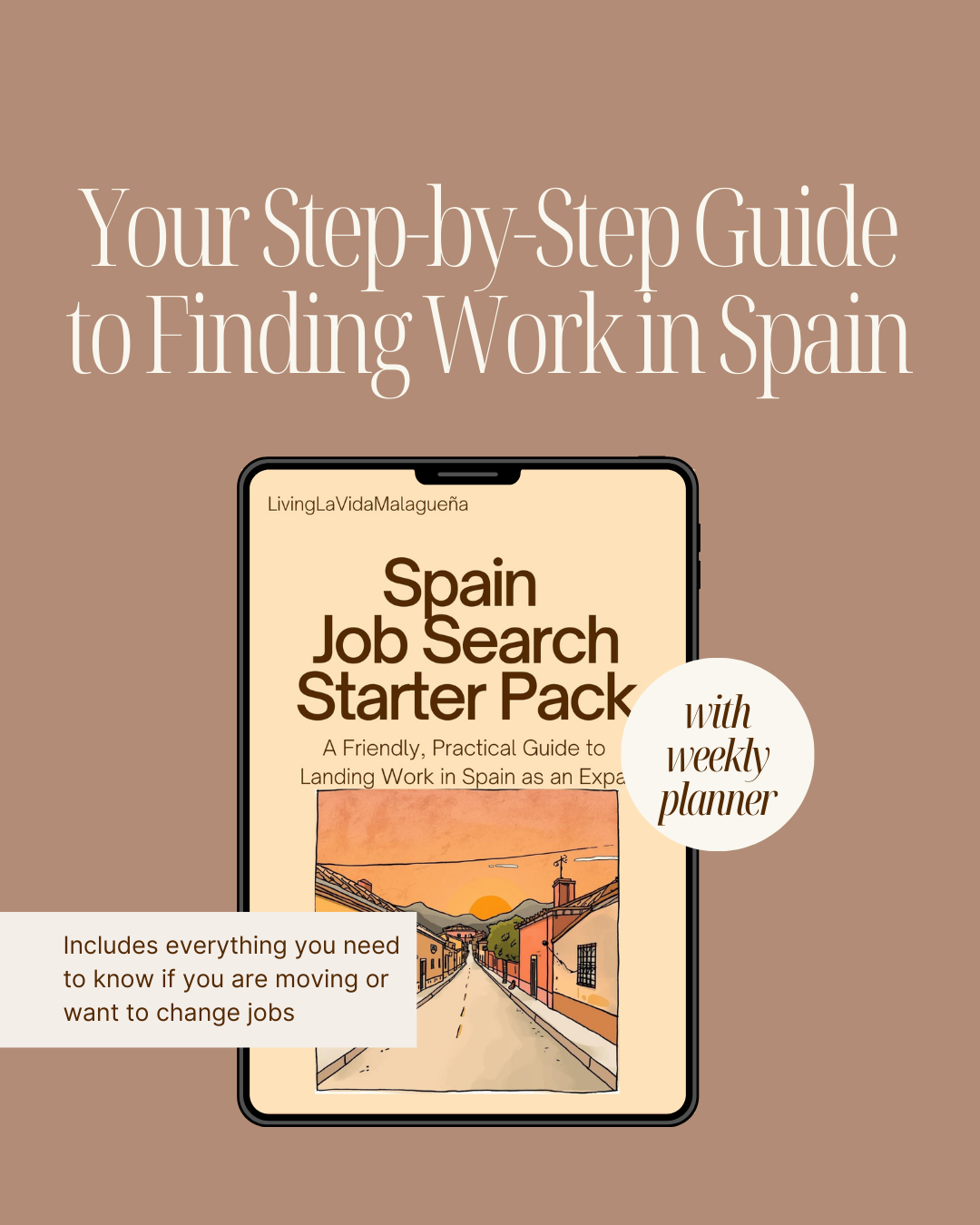
If you're planning to look for employment in Spain, my Spain Job Search Starter Pack can help you prepare your job search before you move rather than arriving first and figuring it out afterwards.
9. Spanish bureaucracy can be frustrating
Moving to Spain means dealing with paperwork.
There is no getting around it.
Depending on your circumstances, this can include your NIE, padrón, residency or visa paperwork, healthcare registration, banking, employment administration and plenty of smaller processes along the way.
None of these things necessarily needs to be complicated.
But when you're doing several of them at once — often in another language — it can feel overwhelming.
Appointments can be difficult to get.
Websites aren't always straightforward.
And occasionally, you'll receive different answers depending on who you ask.
This is one of the less glamorous realities of moving to Spain.
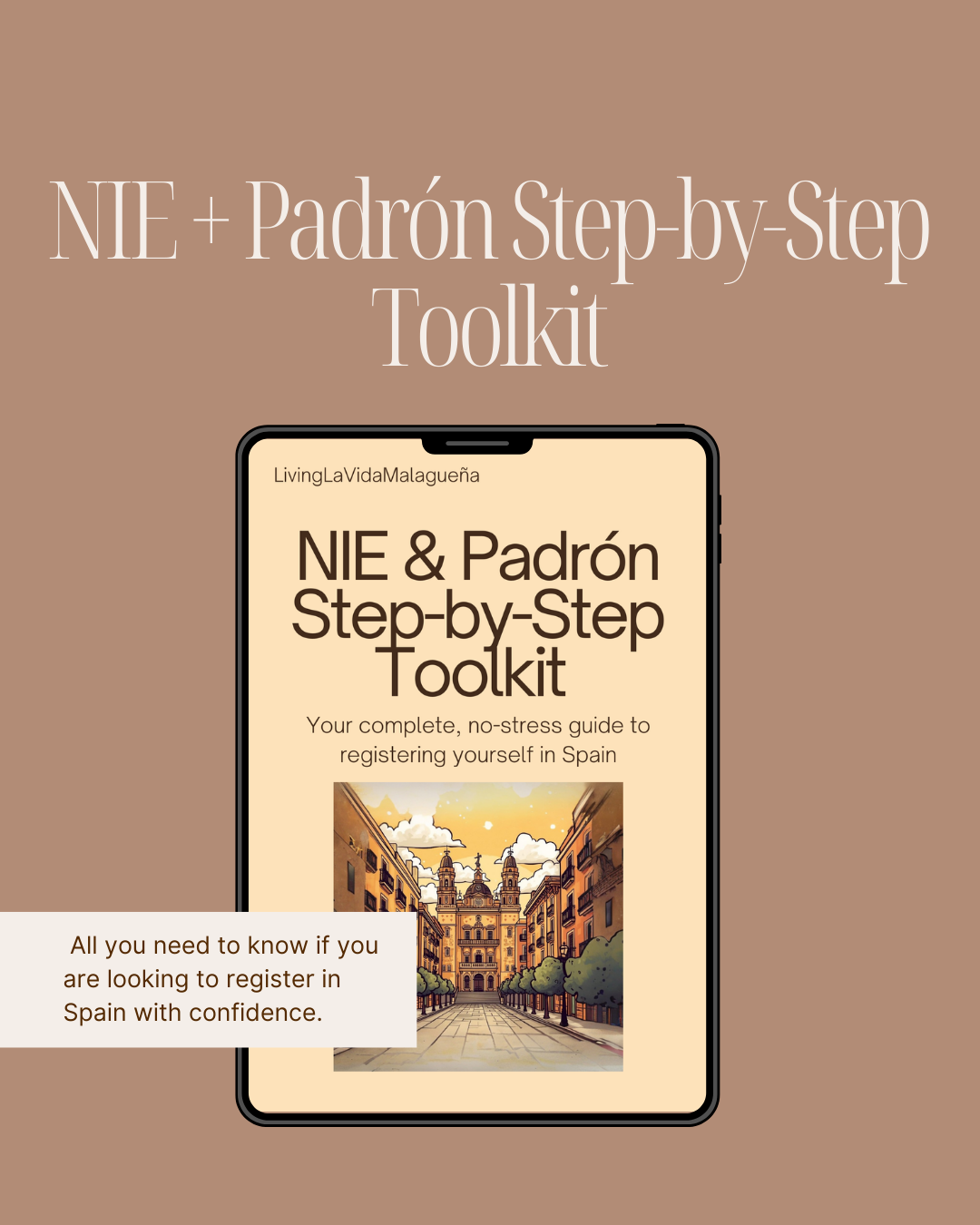
If you're at the beginning of the process, my NIE + Padrón Step-by-Step Toolkit walks you through two of the most important early administrative processes, including documents, appointments and common mistakes.
I've also written a full Spanish Bureaucracy Survival Guide for Expats if you want to understand the wider picture before you arrive.
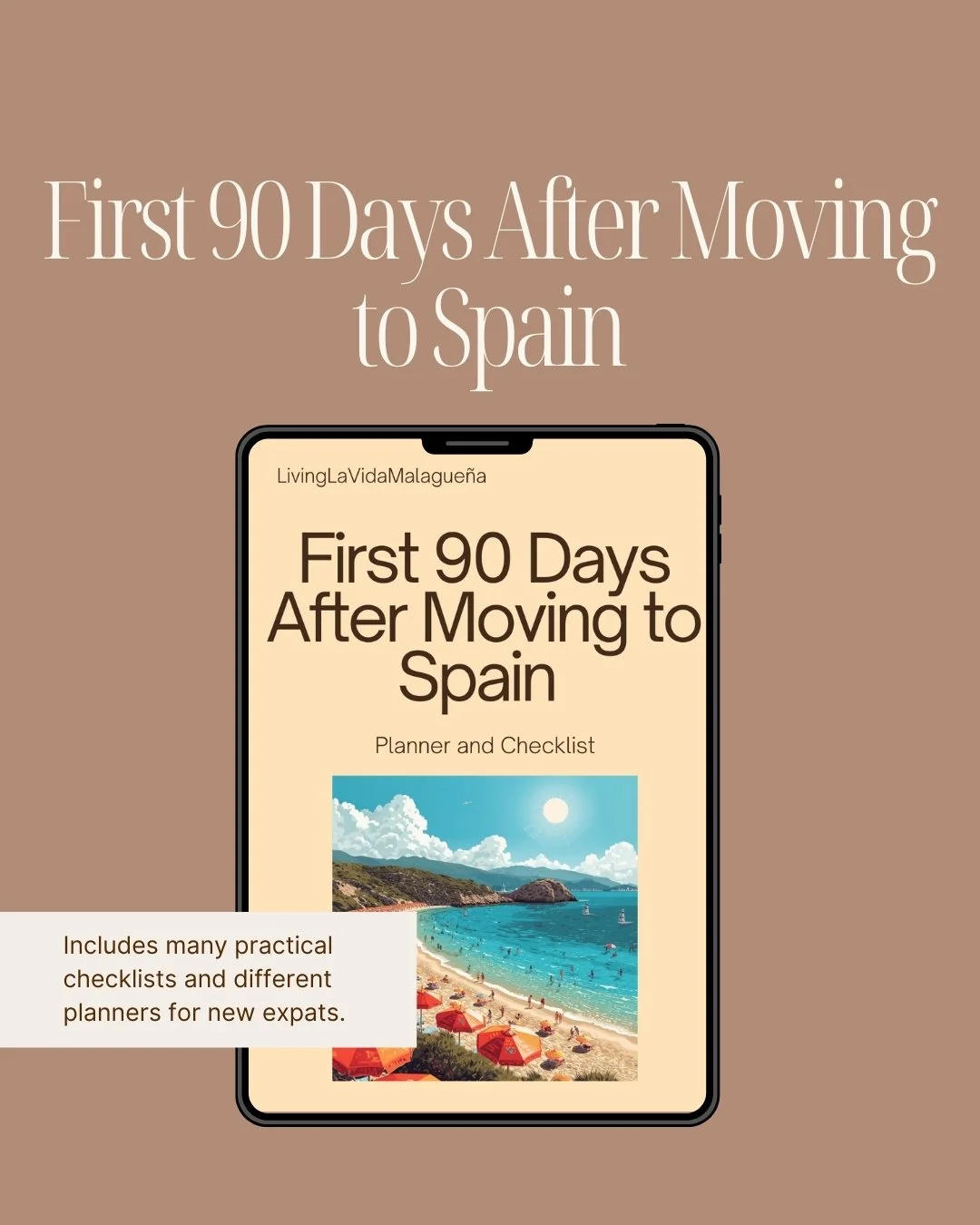
And if you're preparing for the actual move, my First 90 Days After Moving to Spain Planner can help you keep track of appointments, documents and the practical jobs that tend to pile up during your first few months.
10. Tourism can make parts of Málaga feel crowded
Málaga's popularity is both a benefit and a disadvantage.
Tourism brings restaurants, businesses, events, international flights and economic activity.
But if you're living here permanently, you may eventually become less enthusiastic about the crowds.
Some central areas can feel heavily geared towards visitors.
Certain streets are much quieter in winter than in summer.
And areas that look fantastic on a weekend trip aren't necessarily the areas where you'd want to do your supermarket shopping every Tuesday.
This is why choosing the right neighbourhood in Málaga matters so much.
Think about your actual routine.
Where will you work?
Where will you shop?
Do you want to walk everywhere?
Do you need public transport?
Do you want to be near the beach?
Would you rather have more space?
Would you prefer a quieter residential area?
Those questions are often more useful than simply asking which neighbourhood is "the best".
11. You need to be comfortable adapting
This is perhaps the biggest non-financial consideration.
Moving abroad means accepting that things won't always work exactly as they did at home.
People may communicate differently.
Opening hours can be different.
Administrative processes can be slower.
Social life can work differently.
Your Spanish may not be as good as you hoped.
You might have days where you wonder why you ever decided to move.
And then you'll have a completely ordinary Tuesday that reminds you exactly why you did.
The people who tend to settle best aren't necessarily the ones who find Spain perfect.
They're the people who are willing to adapt without expecting Spain to become their home country.
What is Málaga like for expats?
For international residents, Málaga can offer a particularly good balance.
You can find other foreigners fairly easily, but you're still living in an established Spanish city with its own culture, neighbourhoods and routines.
The international community can help enormously during your first months.
But don't expect friendship to happen automatically just because everyone around you is also an expat.
Making friends as an adult abroad still takes effort.
Learning Spanish, joining activities, becoming a regular somewhere and making an effort to meet people outside your immediate expat circle can make a huge difference.
I've written more about this in Living in Málaga as an Expat, including the realities of language, social life, climate and adapting to everyday life here.
Is Málaga good for remote workers and digital nomads?
Málaga can be particularly attractive if you work remotely.
You get the lifestyle benefits of living on the Costa del Sol while remaining connected to an international professional environment.
But there is an important distinction between being a digital nomad in Málaga and actually relocating your life to Spain.
Visa requirements, tax residency, healthcare, employment arrangements and other administrative considerations matter.
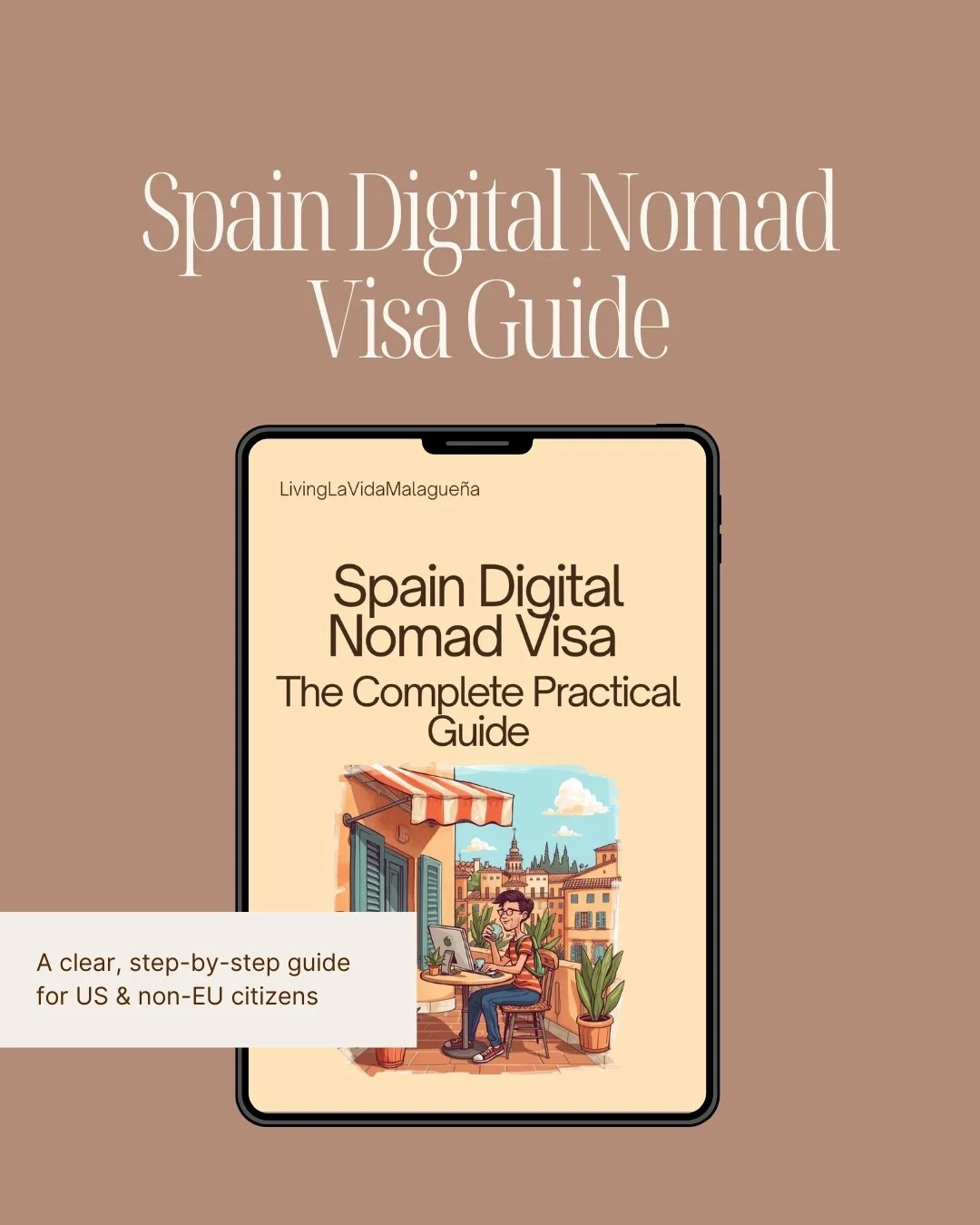
If you're a non-EU remote worker considering Málaga, my Spain Digital Nomad Visa Guide explains the visa process, income requirements, documents, timelines and what happens after approval.
Don't make the mistake of choosing Málaga first and figuring out whether you can legally live and work in Spain afterwards.
Your immigration situation should be part of the planning from the beginning.
Who is Málaga a good place to live for?
Málaga could be a great fit if you:
Want a Mediterranean lifestyle without giving up city infrastructure
Enjoy being outdoors
Want access to beaches and mountains
Work remotely or have a strong enough income to manage local housing costs
Like living somewhere international
Are willing to learn Spanish
Don't mind adapting to a different culture
Want access to the wider Costa del Sol and Andalucía
Prefer experiences and lifestyle over having a huge amount of living space
Málaga may be less suitable if you:
Expect Spain to be extremely cheap
Need a very high local salary
Want a large apartment in a prime neighbourhood on a small budget
Strongly dislike tourism
Need everything to work exactly as it does at home
Don't want to deal with Spanish bureaucracy
Expect life here to feel like a permanent holiday
And there's nothing wrong with that.
Málaga doesn't need to be right for everyone.
Málaga city or somewhere else on the Costa del Sol?
This is a question worth asking before you sign a rental contract.
Málaga city isn't the only option.
Depending on your priorities, you could also consider places such as:
Rincón de la Victoria – closer to Málaga but with a more residential coastal feel.
Benalmádena – well connected and popular with international residents.
Vélez-Málaga and Torre del Mar – potentially more space and a different pace of life.
Smaller towns and inland areas – potentially more affordable and quieter, although usually with greater dependence on a car.
The right choice depends on what you're prioritising.
If your biggest priority is being able to walk everywhere and have restaurants, shops and culture on your doorstep, Málaga city may win.
If your priority is space, quiet and a lower housing cost, another part of the province might make more sense.
This is also where a Málaga relocation consultation can be useful: rather than choosing a neighbourhood based on an Instagram reel, you can look at your budget, work situation, lifestyle and priorities together.
Would I move to Málaga again in 2026?
Yes.
But I wouldn't move here because I thought it was cheap.
I wouldn't move here expecting everything to be easy.
And I wouldn't arrive without researching the rental market, my income, my paperwork and the neighbourhood I actually wanted to live in.
I'd move here because I value the combination of city life, the coast, outdoor living, international connections, Spanish culture and a different pace of everyday life.
There are frustrating days.
There are expensive days.
There are days when bureaucracy makes you question every decision you've ever made.
But there are also very ordinary moments that make the decision feel completely worth it.
A walk along the beach after work.
A coffee outside in February.
A spontaneous dinner because the weather is still good.
A Saturday morning exploring somewhere new.
Those things aren't everything.
But they matter.
And that's probably the most honest answer I can give to the question:
Is Málaga still a good place to live in 2026?
Yes.
But not because it's perfect.
Because for the right person, the good still outweighs the difficult.
Already planning your move? If you're looking for an apartment in Málaga and want local support rather than trying to figure everything out alone, take a look at my relocation and property support services.

Final verdict: Is Málaga worth moving to in 2026?
If you're looking for a cheap place to live in Spain, Málaga probably shouldn't be your first choice anymore.
If you're looking for a Mediterranean city where you can combine work, culture, beaches, outdoor life and an international community, however, Málaga remains a very compelling option.
The key is knowing what you're getting into.
Research the housing market.
Work out your realistic budget.
Understand your visa or residency situation.
Research neighbourhoods before choosing where to live.
Prepare for Spanish bureaucracy.
And, perhaps most importantly, don't move here expecting your life to become a holiday.
Move here because you've thought about the everyday version of your life — and that version still sounds good to you.
If it does, Málaga could still be a very good place to call home.
Not sure where to start your move to Málaga?
You don't need to figure everything out at once.
If you're still researching, start with my Moving to Spain Checklist & Relocation Planner to organise the bigger picture.
Then take a closer look at How to Find an Apartment in Málaga and How Much Rent Really Costs in Spain before setting your housing budget.
If you're preparing your paperwork, the NIE + Padrón Step-by-Step Toolkit is a useful next step.
If you're already moving, the First 90 Days After Moving to Spain Planner can help you keep track of everything that needs to happen once you arrive.
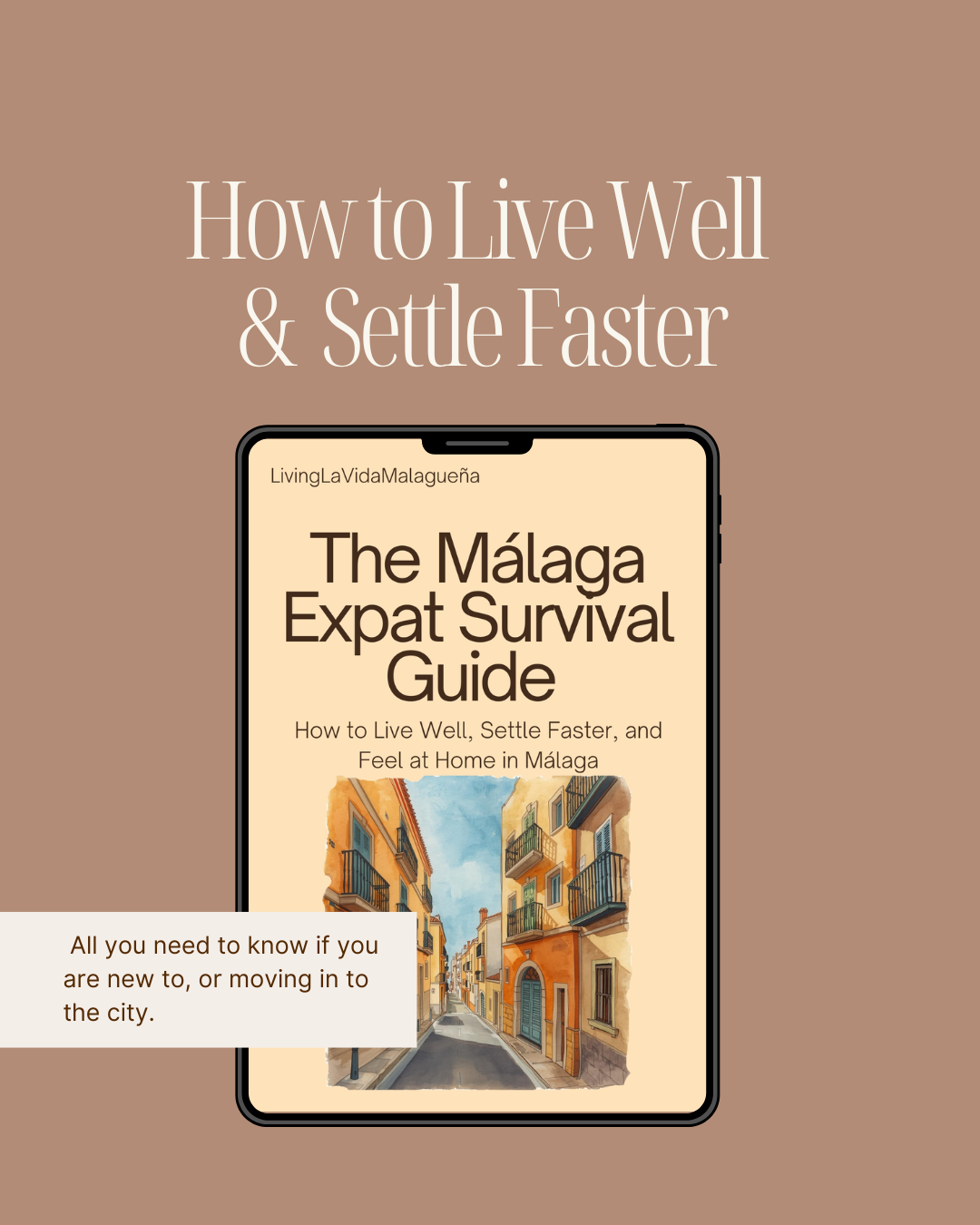
And if you're specifically moving to Málaga, the Málaga Insider Survival Guide brings together the practical local knowledge you need to settle into everyday life — from neighbourhoods and renting to routines, culture and the things that aren't always obvious when you're new here.
Finally, if your situation is more complicated or you simply want someone to help you make sense of your options, you can book a 1:1 Spain Relocation Consultation and we'll focus specifically on your situation, your questions and your next steps.
Moving abroad is a big decision.
You don't need to have every answer before you start.
But you do need to know what you're actually moving towards.
That's what Living La Vida Malagueña is here to help with.

Frequently Asked Questions About Living in Málaga
-
Yes, Málaga can still be an excellent place to live in 2026, particularly for people who value the Mediterranean lifestyle, outdoor living, good transport connections and an international community. However, higher housing costs and tourism mean it is important to have realistic expectations before moving.
-
Málaga is more expensive than it used to be, particularly when it comes to housing. It remains cheaper than some major European cities, but it is no longer one of Spain's obvious budget destinations. Your biggest monthly expense is likely to be rent.
-
There is no single amount that works for everyone. Your rent, household size, transport needs and lifestyle make a significant difference. A single person with moderate expenses may manage on around €2,000 per month, while a couple wanting a central apartment and a more comfortable lifestyle will generally need a larger budget.
-
Yes. Málaga has a large and growing international community, making it relatively easy to meet other foreigners. However, learning Spanish is still highly recommended if you plan to live in Málaga long term.
-
Málaga can be an attractive destination for remote workers because of its climate, international connections, infrastructure and lifestyle. However, anyone moving from outside the EU should understand Spain's immigration, tax and visa requirements before relocating.
-
The biggest disadvantages include rising housing costs, competition for long-term rentals, tourism in some areas, Spanish bureaucracy and the difference between local salaries and the cost of housing.

Expert guidance for your Málaga rental search.
Navigating the Málaga rental market can be challenging, particularly when you're unfamiliar with the local market, neighbourhoods and rental requirements.
The Relocation Consultation is a private 60-minute consultation designed to give you clarity, direction and a tailored strategy for your search.
Perfect for you if
You'd like to manage your own search, but want expert local guidance on where to look, what to expect and how to approach the process.
What's included
60-minute private video consultation
Personalised rental and budget assessment
Málaga neighbourhood recommendations
Rental market and search guidance
Spanish rental process overview
Document preparation checklist
Key questions and potential red flags
Personalised search strategy
Written follow-up summary
Your outcome
A clear, considered rental strategy tailored to your circumstances, priorities and plans.